Side-by-Side IQ Profile: Interpreting Identical Scores
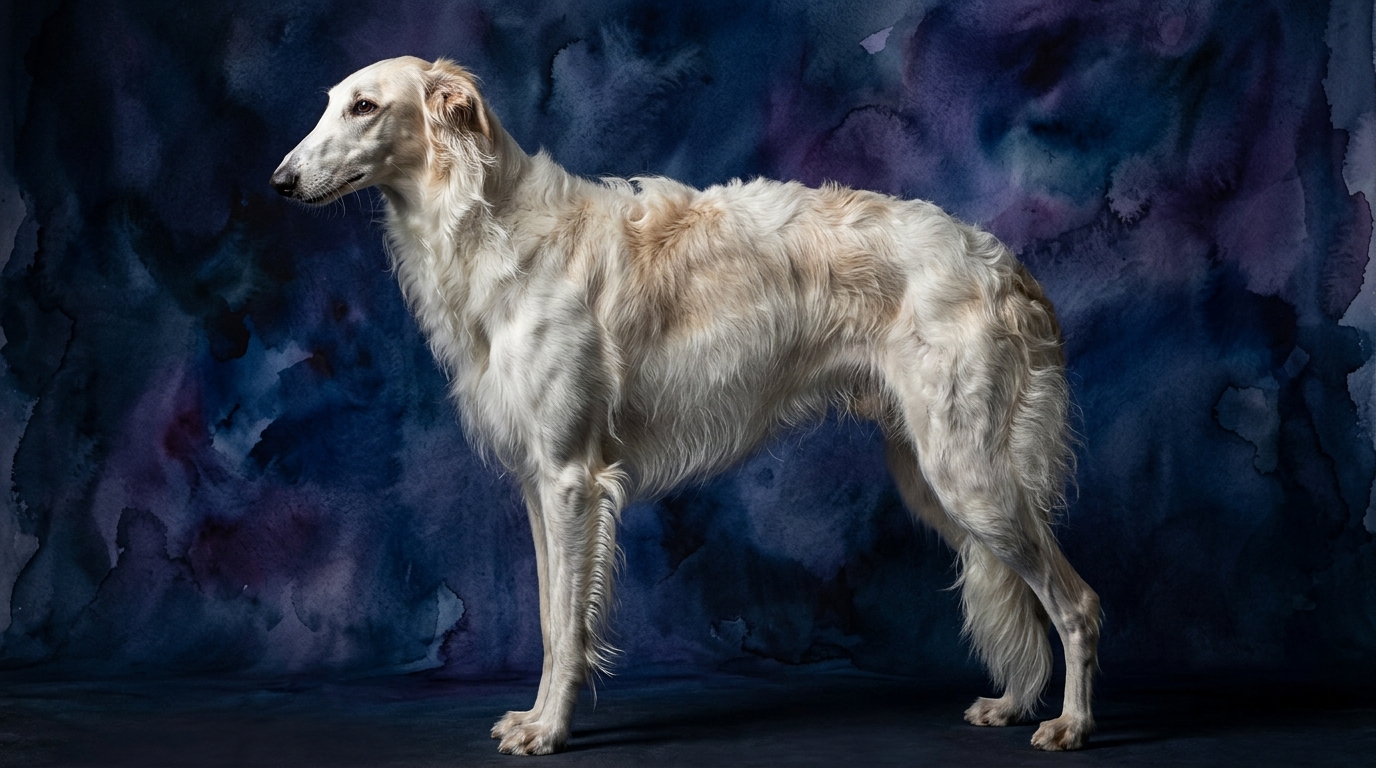
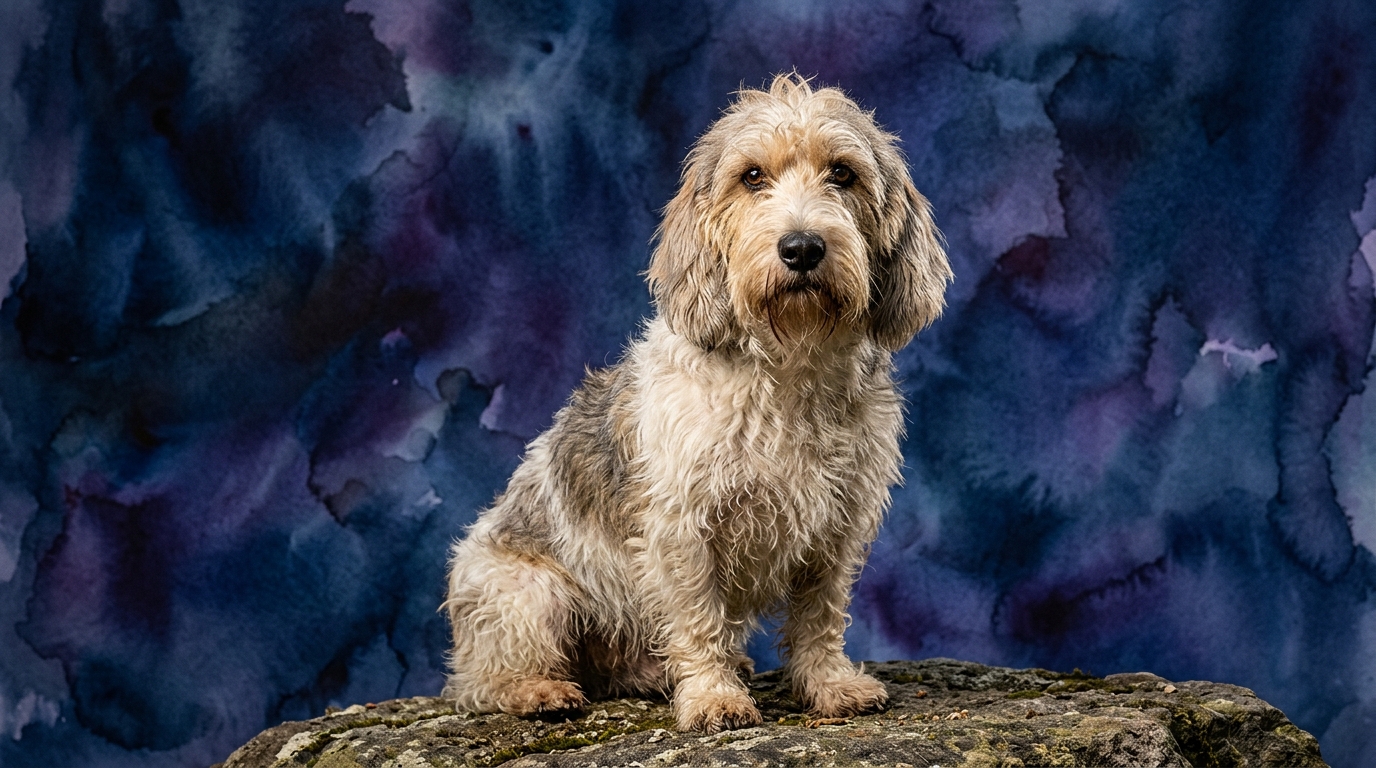
Despite their vastly different appearances and historical roles, both the Borzoi and the Petit Basset Griffon Vendéen (PBGV) share a 3/5 rating across all five cognitive dimensions in our Pet IQ Lab. This doesn't imply identical mental processes, but rather that their cognitive capabilities, when measured against a broad canine spectrum, fall into a similar moderate band, albeit expressed through their unique breed-specific lenses.
For Problem Solving (3/5), the Borzoi demonstrates this through strategic thinking during a high-speed chase, anticipating prey movements and navigating complex terrain efficiently. Their problem-solving is often self-directed, focused on achieving their own objectives rather than seeking human guidance. The PBGV’s 3/5 in problem-solving, conversely, highlights their tenacity in overcoming physical barriers to follow a scent, involving persistent trial-and-error to bypass obstacles in dense undergrowth, driven by an unwavering olfactory focus.
In terms of Training Speed (3/5), Borzoi grasp new commands at a moderate pace, but their sighthound independence means they process requests through the lens of their own motivation. They require consistent, engaging methods that appeal to their intelligence. Similarly, the PBGV's 3/5 training speed indicates capability, but their profound scent drive and boisterous nature present significant distractions, demanding exceptional patience and high-value rewards to make training more captivating than environmental stimuli.
Social Intelligence (3/5) in the Borzoi manifests as a discerning understanding of their human companions, often expressed through reserved observation and subtle cues, forming deep, loyal bonds with their trusted circle. The PBGV, with the same 3/5 score, showcases their social acumen through an outgoing, communicative nature, adept at engaging with their human and canine 'pack' using a rich vocabulary of barks, howls, and body language to express needs or discoveries, thriving on active participation.
The Instinctive Drive (3/5) for the Borzoi is almost entirely channeled into visual pursuit – the intense, focused chase of anything that moves quickly, a highly specialized predatory sequence. The PBGV's 3/5 drive is anchored in their olfactory senses, a powerful and unwavering compulsion to follow a trail relentlessly, often becoming oblivious to their immediate surroundings or handler once locked onto a compelling odor, characterized by persistence and meticulous tracking.
Finally, Memory (3/5) in Borzoi demonstrates reliable recall for routines, familiar environments, and learned commands, with a strong spatial memory aiding their pursuit strategies. The PBGV's 3/5 memory excels in retaining complex scent information, remembering the intricacies of a trail and geographical knowledge gleaned through their nose, though immediate recall of commands can be challenged by overwhelming sensory input in stimulating settings.
Where the Borzoi Excels Cognitively
The Borzoi's cognitive strengths distinctly shine in environments demanding independent judgment and strategic action over vast distances. Their Problem Solving (3/5) is uniquely adapted for open-field scenarios, where they must rapidly process visual information, predict the trajectory of a moving object, and choose the most efficient path for interception without direct human instruction. This involves a sophisticated spatial awareness and the ability to execute complex, high-speed maneuvers, demonstrating a practical intelligence geared towards efficient hunting. Their Memory (3/5) strongly supports this by allowing them to recall successful pursuit patterns, the optimal layout of familiar coursing grounds, and specific environmental features that aid in a chase, optimizing their performance through learned experience.
Furthermore, their reserved Social Intelligence (3/5) allows them to maintain intense focus during independent tasks, relying on their own assessment of a situation rather than requiring constant human feedback or encouragement. This self-reliance is a crucial cognitive advantage for a sighthound whose work often takes them far from their handler, demanding autonomous decision-making in critical moments. They process information about their environment and potential quarry with minimal distraction, a refined form of cognitive economy that prioritizes the task at hand.
Where the Petit Basset Griffon Vendéen Excels Cognitively
The Petit Basset Griffon Vendéen's cognitive prowess is deeply rooted in their scenthound heritage, showcasing a different yet equally impressive form of mental agility. Their Problem Solving (3/5) is superior in situations requiring tenacity and resourcefulness to navigate dense cover or intricate terrain purely by scent. This involves an impressive ability to overcome physical obstacles to maintain a trail, demonstrating a persistent, focused intellect that dissects environmental challenges through an olfactory lens. They are adept at working through puzzles presented by the landscape when a compelling scent is involved.
Their Memory (3/5) is exceptional for retaining intricate scent patterns and geographical knowledge gleaned through their nose, allowing them to differentiate between fresh and old trails, and to retrace their steps or locate specific areas of interest based on past olfactory data. This detailed sensory memory is a cornerstone of their effectiveness as tracking dogs. Coupled with their robust Social Intelligence (3/5), PBGVs excel at communicating their findings. They use their expressive vocalizations – a range of barks, howls, and baying – to effectively signal progress or discoveries to their human hunting partners, a distinct cognitive advantage in cooperative hunting scenarios where constant handler-dog communication about the quarry is vital.
Training Dynamics: Borzoi vs. PBGV
Neither breed is typically described as 'easy' to train in the conventional sense, largely due to their inherent hound independence, but the nature of the training challenge differs significantly. The Borzoi, with their 3/5 Training Speed, learns at a moderate pace, but their independent sighthound temperament means they often require compelling reasons to obey. They respond best to positive reinforcement and methods that appeal to their intelligence, often needing to understand the 'why' behind a command. Their strong visual chase drive (3/5 Instinctive Drive) means off-leash reliability in stimulating environments is a long-term, high-stakes endeavor, as their cognitive focus shifts entirely to the chase.
The PBGV, also at 3/5 for Training Speed, is equally capable of learning, but their profound scent drive (3/5 Instinctive Drive) makes focus a constant battle. Every new smell is a potential distraction, demanding exceptional patience, creativity, and high-value rewards from the trainer to maintain attention. Their boisterous Social Intelligence (3/5) can lead to enthusiastic but sometimes overwhelming interactions, making calm, focused training sessions a challenge. They thrive on engagement, but that engagement must continually outcompete the allure of an interesting scent. Ultimately, neither is inherently easier; the Borzoi requires convincing to act on a command, while the PBGV requires convincing to focus on the command amidst overwhelming sensory input.
Matching Canine Cognition to Owner Lifestyles
Both breeds require significant physical and mental engagement, making them less suited for truly 'relaxed' owners who prefer minimal interaction or exercise. However, their activity needs diverge in crucial ways. The Borzoi is ideal for active owners who can provide opportunities for intense, short bursts of speed in a securely fenced area, such as lure coursing, followed by long periods of calm, dignified rest indoors. They are not suited for constant, low-level activity but thrive on dedicated, high-intensity exercise sessions that engage their visual pursuit drive and strategic thinking. For owners who appreciate a quiet, reserved indoor companion but can commit to daily, vigorous outdoor sprints, the Borzoi fits well.
The Petit Basset Griffon Vendéen, conversely, is perfect for active owners who enjoy consistent, varied outdoor adventures. Their endless curiosity and powerful scent drive demand long, exploratory walks or hikes, where they can engage their nose and cover ground, continuously problem-solving scent trails. They are generally more 'on' indoors, requiring more consistent mental and physical stimulation to prevent boredom and channel their energetic social intelligence. Therefore, the Borzoi suits owners who prioritize intense but intermittent exercise, valuing a calm home life between bursts of activity, while the PBGV suits those who prefer sustained, engaging outdoor activity and a more lively, communicative indoor companion.
The Verdict
Choose the Borzoi if you value a calm, elegant companion who excels in short bursts of strategic speed and independent thought, and you can provide a safe, expansive environment for them to stretch their legs, while appreciating their reserved yet loyal indoor presence.
Choose the Petit Basset Griffon Vendéen if you seek an exuberant, tenacious partner for consistent outdoor exploration and scent work, who thrives on vocal communication and engagement, and you are prepared for a lively, scent-driven companion whose enthusiasm is infectious.
🧠 Find Your Pet's IQ Score
Our Pet IQ Lab assessment covers 25+ tests across 5 cognitive dimensions — personalized to your breed.
Take the Full IQ Test →Frequently Asked Questions
Do Borzoi or PBGV make good family pets, considering their IQ scores?
Both can be wonderful family pets, but their distinct temperaments influence their interaction. Borzoi, with their reserved social intelligence, are often gentle and patient but might prefer quieter interactions, forming strong bonds with their immediate family. PBGVs, leveraging their outgoing social intelligence, are typically more boisterous and eager to participate in family activities, thriving on engagement and often being more tolerant of lively children.
How does the instinctive drive of these two breeds impact daily life?
The Borzoi's 3/5 instinctive drive is primarily visual, meaning anything moving quickly can trigger a powerful chase response, necessitating secure containment and careful leash management outdoors. The PBGV's 3/5 drive is scent-based, leading them to follow intriguing odors relentlessly, which requires a securely fenced yard and reliable recall training to prevent them from wandering off on a trail.
Given their identical memory scores, are they equally good at remembering commands?
While both breeds score 3/5 in memory, how this manifests differs. Borzoi generally remember commands reliably, especially if consistently reinforced, but might choose not to comply if unmotivated or if a stronger visual stimulus appears. PBGVs also remember commands, but their strong sensory input, particularly scent, can override their recall in distracting environments, meaning they *know* the command but are temporarily too engrossed to respond immediately.