Side-by-Side IQ Profile: Interpreting Identical Scores
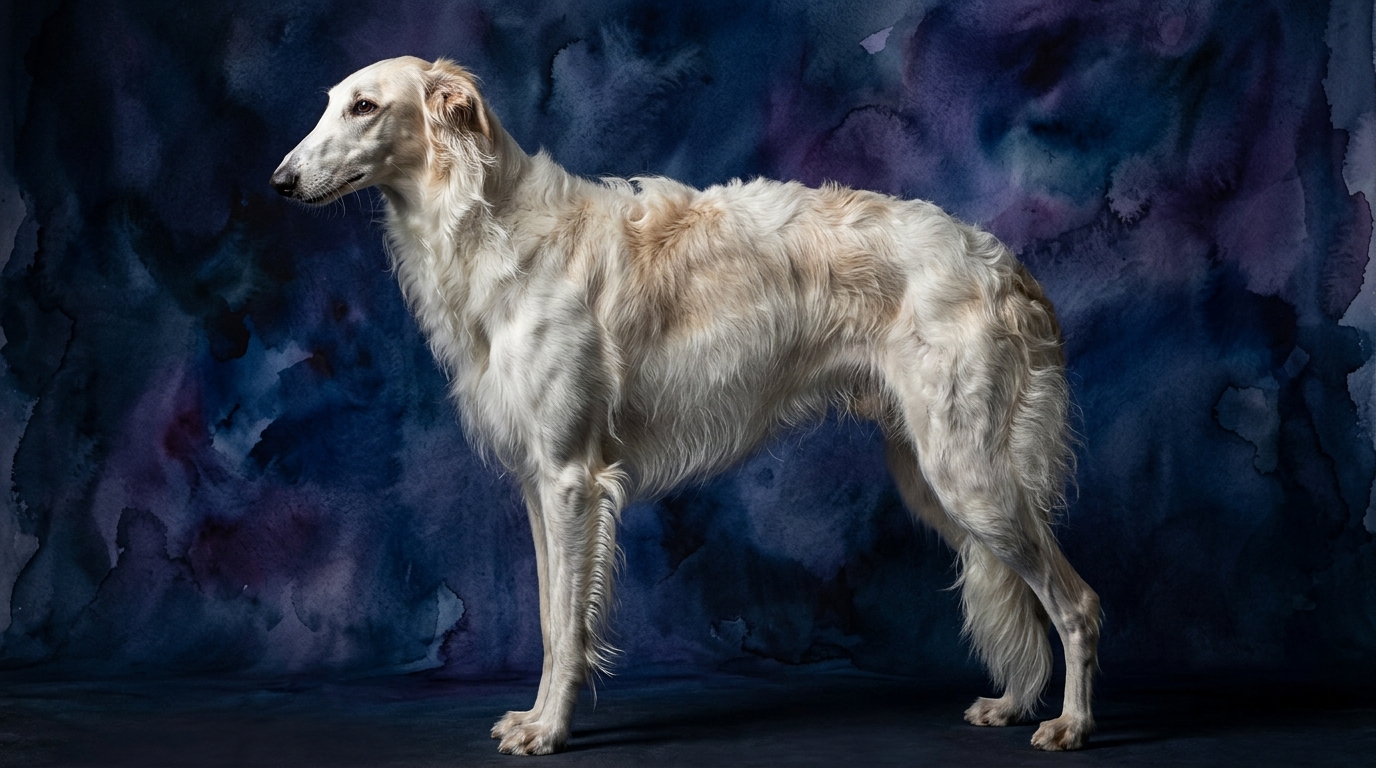
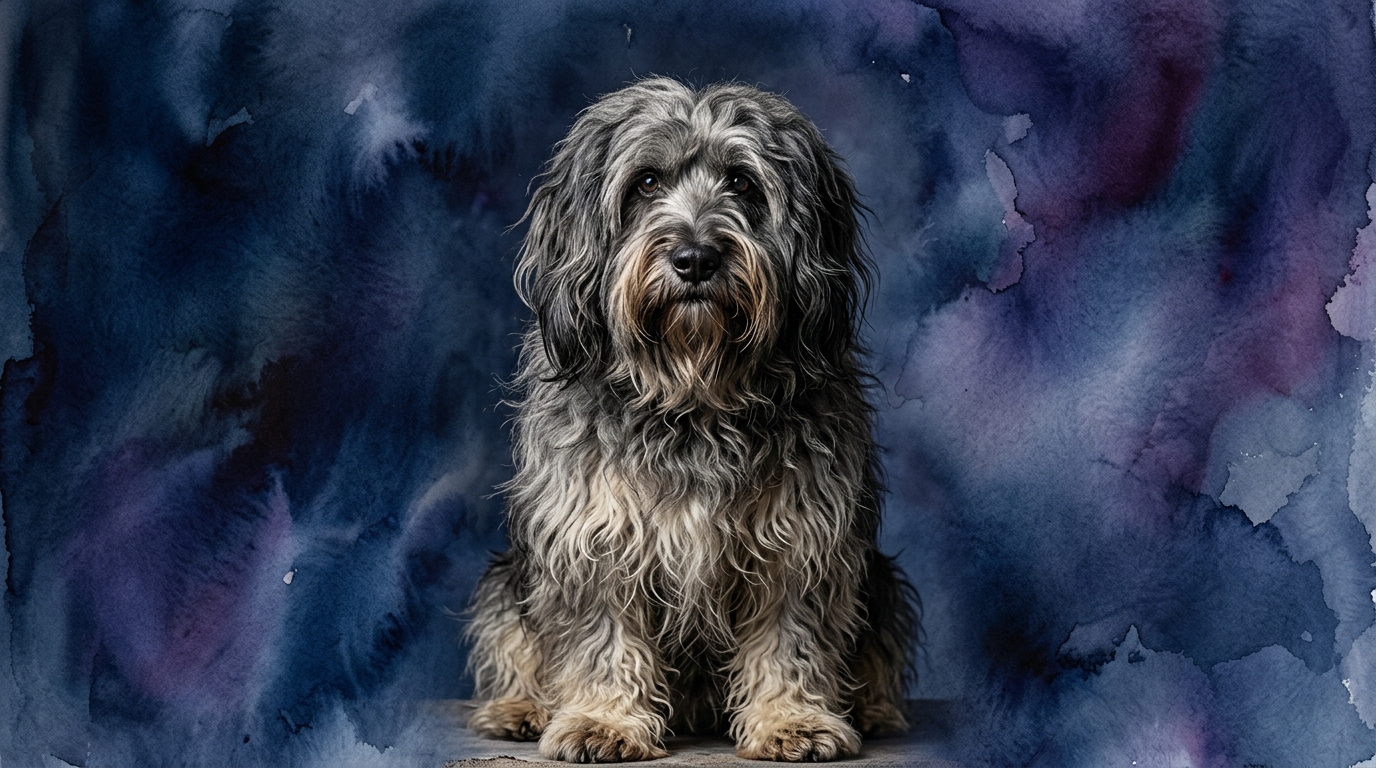
While both the Borzoi and the Polish Lowland Sheepdog (PLS) register a 3/5 across problem-solving, training speed, social intelligence, instinctive drive, and memory, the *nature* of these abilities differs profoundly due to their ancestral roles. The Borzoi, a Russian sighthound, was developed for chasing fast-moving prey over vast plains, requiring independent thought and physical prowess. The PLS, a robust herding dog from Poland, was bred to manage livestock and guard property, demanding adaptability, vigilance, and a strong sense of responsibility. Understanding these foundational differences is key to appreciating their cognitive landscapes.
For **Problem Solving (3/5)**, the Borzoi's score reflects its capacity for independent decision-making during a chase, navigating terrain, and anticipating prey movements without direct human intervention. Their problem-solving is often goal-oriented towards pursuit and capture. The PLS, conversely, applies its problem-solving to dynamic herding situations, figuring out how to move stubborn animals, anticipating flock behavior, and adapting strategies in real-time to maintain control and safety. Their problem-solving involves intricate spatial reasoning and strategic manipulation of livestock.
Regarding **Training Speed (3/5)**, the Borzoi's score suggests a moderate pace, often influenced by their independent sighthound nature; they respond well to positive reinforcement but may find repetitive drills less engaging than tasks that appeal to their chase drive. Their learning can be swift when motivated by something that triggers their inherent instincts, but they are not typically eager to please in the conventional sense. The PLS also scores 3/5, indicating a moderate training speed, but this is tempered by their strong-willed, independent herding mind. They learn quickly when they understand the purpose of a command, but may also 'think for themselves' if they perceive their own solution as more effective, requiring consistent, clear communication and patience.
In **Social Intelligence (3/5)**, the Borzoi exhibits a dignified, often reserved demeanor. Their social acumen allows them to form deep bonds with their primary family, showing affection subtly, while often remaining aloof or indifferent to strangers. They read human cues well within their established social circle but may not seek extensive social interaction beyond it. The PLS's 3/5 social intelligence manifests as a strong, protective bond with their family unit, discerning friend from foe with keen observation. They are highly attuned to their family's emotional states and intentions, often acting as vigilant guardians, but can be wary or reserved with outsiders, demonstrating a thoughtful, analytical approach to new social encounters.
The **Instinctive Drive (3/5)** for the Borzoi is dominated by their powerful prey drive, an innate urge to chase and capture anything moving quickly. This drive is a core component of their being, influencing their focus and motivation. For the PLS, the 3/5 instinctive drive is expressed through their strong herding and guarding impulses. This translates into a natural tendency to gather, control, and protect their 'flock' (which often includes their human family and home), along with a vigilant territoriality. These drives are central to their daily behavior and require appropriate outlets.
Finally, **Memory (3/5)** in the Borzoi supports their hunting prowess, allowing them to recall successful hunting grounds, scent trails, and environmental cues over varied terrain. They remember routines and favored people well, but their recall is strongly tied to events that engage their sensory and instinctual faculties. The PLS's 3/5 memory is crucial for remembering complex commands, livestock patterns, boundaries, and the routines of their farm or home environment. They retain detailed information about their surroundings and the individuals within their care, contributing to their effective management of their domain.
Where the Borzoi Excels Cognitively
The Borzoi's cognitive strengths lie particularly in rapid, independent decision-making during high-speed pursuit. Their ability to process visual stimuli and execute complex evasive maneuvers or strategic intercepts while running at full gallop is a testament to their specialized problem-solving. This isn't just speed; it's a sophisticated interplay of spatial awareness, predictive analysis of prey movement, and immediate physical response. They demonstrate a unique form of 'situational awareness' focused on their hunting environment, making split-second judgments about trajectory and timing without human guidance. This self-reliance in the field is a hallmark of their intelligence, allowing them to operate effectively over vast distances, independently assessing threats and opportunities within their specific hunting context.
Where the Polish Lowland Sheepdog Excels Cognitively
The Polish Lowland Sheepdog showcases its cognitive prowess in its intricate understanding and management of dynamic social groups, specifically livestock. Their intelligence is geared towards observation, pattern recognition, and strategic influence, often involving subtle body language and vocalizations to guide or deter. A PLS excels at 'reading' a situation, whether it's anticipating a sheep's movement or detecting a potential intruder, and then formulating an appropriate, often multi-step, response. Their memory is robust for routines and the individual quirks of their charges, enabling them to maintain order and security with remarkable consistency. They possess a thoughtful, adaptable problem-solving approach to complex, ever-changing scenarios within their domain, blending learned commands with innate herding wisdom.
Training Dynamics: Borzoi vs. Polish Lowland Sheepdog
Neither breed is typically described as effortlessly biddable, but for distinct reasons. Training a Borzoi often requires creativity and an understanding of their sighthound nature. Their 3/5 training speed means they grasp concepts, but their independent spirit and lower intrinsic desire to please can make compliance inconsistent. They are not easily motivated by endless repetition; instead, short, engaging sessions that tap into their natural curiosity or prey drive, such as lure coursing or scent work, yield better results. Forceful methods are counterproductive with their sensitive disposition. Their problem-solving focuses on self-directed tasks, not necessarily following human directives if they perceive a more interesting alternative. Consistency and positive reinforcement, often involving chase-based rewards, are paramount to success.
The Polish Lowland Sheepdog, also with a 3/5 training speed, brings its own set of challenges stemming from its independent herding mentality. While they are capable learners and generally eager to understand, their inherent drive to 'think for themselves' and make independent judgments can sometimes be perceived as stubbornness. They need to understand the 'why' behind a command and may question directives if they don't align with their strong protective or herding instincts. Training a PLS requires a firm, fair, and patient handler who can establish clear leadership and provide ample mental stimulation. Their social intelligence means they are attuned to their handler's mood, but their problem-solving can lead them to find their own solutions if left without clear guidance, which might not always align with human expectations. Early socialization and consistent, varied training are crucial to harnessing their considerable cognitive abilities.
Matching Breeds to Lifestyles: Active vs. Relaxed Owners
For the truly **active owner**, the Polish Lowland Sheepdog is often the more suitable choice. While not necessarily requiring constant high-impact exercise, the PLS thrives on consistent mental engagement and purposeful activity. Owners who enjoy dog sports like agility, obedience, herding trials, or even long, exploratory hikes will find a willing and capable partner. Their strong instinctive drive for herding and protection means they need a 'job' or consistent mental stimulation to prevent boredom and channeling their problem-solving into less desirable behaviors. They are vigilant and watchful, requiring an owner who appreciates and can manage their active, discerning mind.
The Borzoi, surprisingly, can suit both **active and more relaxed owners**, depending on how 'active' is defined. They require intense bursts of exercise – opportunities to gallop freely in a secure area or participate in lure coursing – to satisfy their innate prey drive. However, after these exhilarating sprints, they are typically calm, dignified, and quite relaxed indoors, often preferring to lounge on soft surfaces. They are not dogs that demand constant interaction or structured tasks throughout the day. Owners who can provide secure, vigorous exercise a few times a week, coupled with a generally tranquil home environment, will find the Borzoi a wonderful companion. Their independent nature also means they are content with periods of quiet contemplation, making them suitable for owners who appreciate a dog with a serene presence.
The Verdict: When to Choose Each Dog
The Verdict
Choose the Borzoi if you appreciate a dignified, independent companion who thrives on intense, brief bursts of exercise and then enjoys a calm, serene indoor life. They are ideal for owners who understand and respect their sighthound instincts and appreciate a dog that operates with quiet self-assurance.
Opt for the Polish Lowland Sheepdog if you are an active owner seeking a vigilant, intelligent partner for consistent mental engagement, training, and a sense of purpose. They excel with handlers who can provide clear leadership, varied activities, and appreciate a dog with a strong, thoughtful, and protective personality.
🧠 Find Your Pet's IQ Score
Our Pet IQ Lab assessment covers 25+ tests across 5 cognitive dimensions — personalized to your breed.
Take the Full IQ Test →Frequently Asked Questions
Are Borzoi difficult to train due to their independent nature?
Borzoi can present a moderate training challenge due to their independent sighthound instincts and a tendency to prioritize their own interests, particularly chasing. While they grasp concepts, consistent motivation often requires appealing to their prey drive or using positive reinforcement in short, engaging sessions, rather than repetitive drills.
Do Polish Lowland Sheepdogs need a lot of mental stimulation?
Yes, Polish Lowland Sheepdogs absolutely thrive on mental stimulation and benefit from having a 'job' or consistent activities. Their strong problem-solving and herding drives mean they need outlets for their intelligence, otherwise, they may find their own, potentially less desirable, ways to stay occupied.
How do these breeds interact with strangers, considering their social intelligence scores?
Despite both scoring 3/5 in social intelligence, their expressions differ: Borzoi tend to be reserved and dignified with strangers, often showing polite indifference rather than effusive greetings. Polish Lowland Sheepdogs are typically more discerning and protective; they may be wary or reserved with unfamiliar individuals, carefully assessing new social encounters as part of their guarding instinct.