Side-by-Side Cognitive Profiles: Unpacking Each Dimension
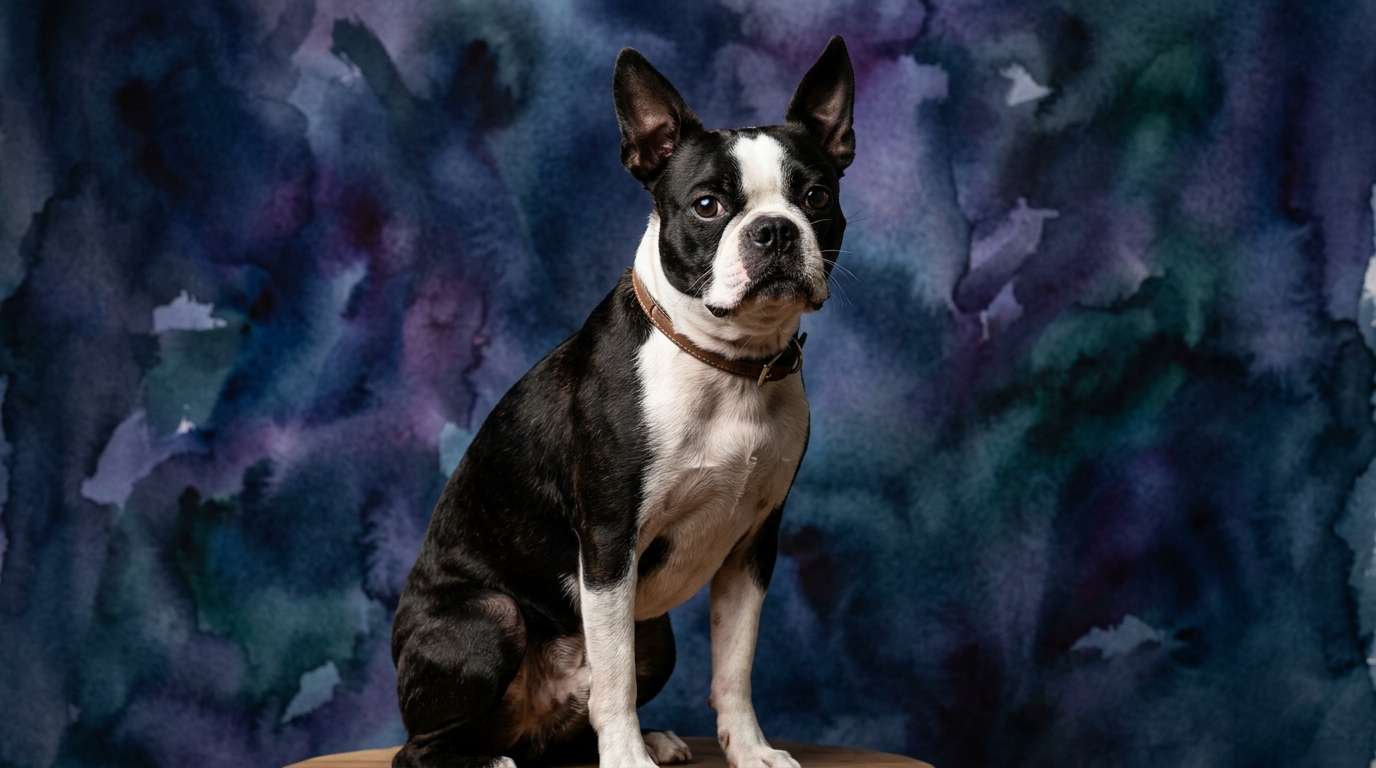
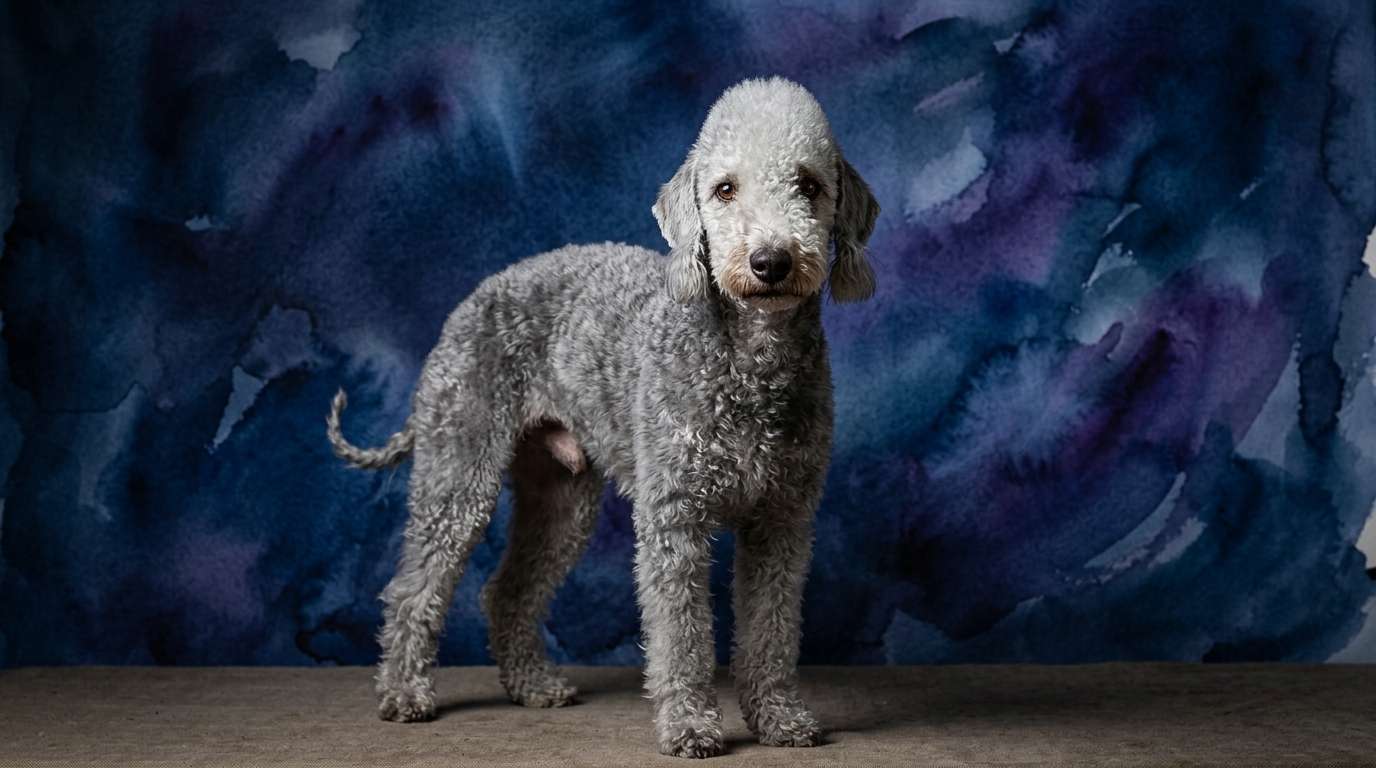
At The Cosmic Pet Pet IQ Lab, we evaluate canine intelligence across five key dimensions to provide a comprehensive understanding of each breed's cognitive strengths. For the Boston Terrier, classified within the Non-Sporting group, and the Bedlington Terrier, a distinguished member of the Terrier group, we observe both shared aptitudes and distinct specialties.
The Boston Terrier exhibits a Problem Solving score of 3/5, indicating a solid capacity for navigating everyday challenges, such as figuring out how to retrieve a toy from under furniture or understanding the sequence of events leading to a walk. Their Training Speed also stands at 3/5, suggesting they learn new commands at a moderate, steady pace, responding well to consistent, positive reinforcement. Where the Boston truly shines is in Social Intelligence, scoring an impressive 4/5; this reflects their exceptional ability to read human emotions, understand social cues, and adapt seamlessly to family dynamics, often appearing deeply attuned to their owner's moods and desires. Their Instinctive Drive is lower at 2/5, meaning they possess a reduced inclination for traditional terrier pursuits like hunting or digging, preferring human companionship. Finally, their Memory is rated 3/5, demonstrating good retention of routines, learned behaviors, and familiar faces.
The Bedlington Terrier, while not Coren-ranked, presents a unique cognitive blueprint. Their Problem Solving ability is rated 3/5, on par with the Boston, allowing them to competently tackle practical puzzles in their environment, like opening a gate or finding a hidden treat. Their Training Speed also matches the Boston at 3/5, indicating a moderate learning curve, though their independent terrier spirit might require more engaging and varied training approaches. In Social Intelligence, the Bedlington scores 3/5; they are capable of understanding family dynamics and forming strong bonds, but might be less universally people-focused or as outwardly expressive of their social awareness as the Boston, often showing a reserved demeanor with strangers. A defining characteristic for the Bedlington is their Instinctive Drive, which registers at 3/5; this signifies a robust natural inclination for chasing, digging, and exploring, true to their terrier heritage. Their Memory, like the Boston's, is rated 3/5, ensuring they recall training, experiences, and environmental layouts effectively.
Where the Boston Terrier's Cognition Excels
The Boston Terrier's standout cognitive strength lies squarely in their Social Intelligence, marked at 4/5 compared to the Bedlington's 3/5. This higher score translates into a dog that is remarkably adept at navigating the complexities of human-canine relationships. A Boston will often appear to understand not just what you say, but how you feel, responding to subtle shifts in your tone or body language with remarkable accuracy. This heightened social awareness means they are often more inclined to seek interaction, comfort, and approval from their human companions, making them exceptionally empathetic and integrated family members.
This superior social acumen allows the Boston Terrier to adapt more readily to diverse social situations, whether it's meeting new people, adjusting to changes in household routine, or even sensing when an owner needs a comforting presence. Their capacity to 'read the room' and respond appropriately minimizes social friction and maximizes harmonious living. For instance, a Boston might instinctively lie down quietly when their owner is working, or gently nudge a hand when sensing a need for connection, demonstrating an intuitive understanding of social contexts that is less pronounced in many other breeds, including the Bedlington.
Where the Bedlington Terrier's Cognition Shines
The Bedlington Terrier's cognitive advantage is rooted in their elevated Instinctive Drive, scoring 3/5 against the Boston's 2/5. This isn't merely about physical energy; it's a cognitive inclination towards independent exploration, problem-solving in natural environments, and a tenacious pursuit of specific goals. This drive means a Bedlington is more likely to engage in activities like scent tracking, digging, or focused observation of small animals, behaviors deeply ingrained from their working origins as vermin hunters.
This stronger instinctive drive translates into a breed that is often more self-directed in their play and exploration, capable of entertaining themselves with a hidden scent trail or a patch of earth to investigate. While the Boston might wait for human initiation, the Bedlington's cognitive processes are more geared towards independent discovery and engagement with their environment. This tenacity, fueled by instinct, can also manifest as a persistent approach to problem-solving, where they might try multiple methods to achieve a goal, such as retrieving a toy from a challenging spot, driven by an internal motivation rather than purely social cues.
Training Ambiance: Which Breed Offers a Smoother Journey?
While both the Boston Terrier and Bedlington Terrier share a Training Speed rating of 3/5, indicating they learn at a moderate pace, the overall training experience can differ significantly due to their other cognitive strengths. The Boston Terrier, with its higher Social Intelligence (4/5) and lower Instinctive Drive (2/5), generally presents a smoother and more cooperative training journey for the average owner. Their eagerness to please and their profound ability to understand human intentions mean they are often highly motivated by positive reinforcement and social praise. They are less likely to be distracted by independent urges or external stimuli, making them more focused on the task at hand and more responsive to commands. Their Coren rank of #54 further supports their amenability to obedience training, placing them well within the range of dogs considered capable of learning new commands efficiently.
The Bedlington Terrier, despite an identical Training Speed of 3/5, can prove a more challenging student for some. Their higher Instinctive Drive (3/5) means they might be more easily diverted by a compelling scent, a rustling leaf, or the sight of a small creature. Their somewhat lower Social Intelligence (3/5) suggests they might not be as universally motivated by human approval, sometimes prioritizing their own investigative impulses over an owner's directive. Training a Bedlington often requires more creativity, patience, and engaging methods to channel their inherent terrier tenacity and independence. Owners must work to make training more rewarding than the allure of their natural drives, transforming lessons into engaging games that capitalize on their problem-solving skills and stimulate their adventurous spirit.
Lifestyle Match: Active Explorers vs. Relaxed Companions
When considering which breed aligns best with an owner's lifestyle, their distinct cognitive profiles offer clear guidance. For the active owner who enjoys varied outdoor pursuits and values an independent spirit, the Bedlington Terrier is an excellent match. Their elevated Instinctive Drive means they thrive on activities that engage their natural urges for exploration, chasing, and digging. They are resilient companions for long hikes, scent work, or even agility courses, where their tenacity and problem-solving skills can be put to good use. A Bedlington will appreciate an owner who can channel their inherent drives into structured activities, providing mental and physical stimulation that satisfies their adventurous nature.
Conversely, for the more relaxed owner who cherishes a deeply connected, empathetic companion and prefers a home-centric lifestyle, the Boston Terrier is often the ideal choice. Their lower Instinctive Drive means they are content with moderate daily walks and bursts of play, preferring to spend the majority of their time close to their human family. Their superior Social Intelligence makes them profoundly adaptable to apartment living and family dynamics, finding immense satisfaction in simply being present and interacting with their people. They are the quintessential 'velcro dog' for owners who desire a constant, perceptive companion who thrives on shared moments and emotional connection rather than constant outdoor adventure.
The Cosmic Verdict: Choosing Your Canine Companion
The Verdict
Choose the Boston Terrier if you seek a highly socially intelligent, empathetic companion who thrives on human interaction and adapts seamlessly to a family-focused, often indoor, lifestyle.
Opt for the Bedlington Terrier if you appreciate an independent spirit with a strong instinctive drive, and are prepared to engage them in activities that satisfy their natural desire for exploration and tenacious problem-solving.
🧠 Find Your Pet's IQ Score
Our Pet IQ Lab assessment covers 25+ tests across 5 cognitive dimensions — personalized to your breed.
Take the Full IQ Test →Frequently Asked Questions
Are Boston Terriers suitable for apartment living?
Yes, Boston Terriers are generally well-suited for apartment living due to their moderate exercise needs and strong social intelligence, which makes them content to be close to their human companions in smaller spaces.
Do Bedlington Terriers require a lot of grooming?
Bedlington Terriers have a distinctive lamb-like coat that requires regular grooming, including clipping every 6-8 weeks and weekly brushing, to prevent matting and maintain their unique appearance.
Which breed is generally better with children?
While individual temperament varies, the Boston Terrier's higher social intelligence often makes them particularly patient and understanding with children, adapting well to family dynamics and often enjoying playful interactions. Bedlingtons can also be good with respectful children, but their terrier independence may require more supervision.