The Cosmic Pet IQ Profile: Boston Terrier vs. Coton de Tuléar
At The Cosmic Pet Pet IQ Lab, we analyze canine intelligence across five key dimensions, providing a nuanced understanding beyond simple obedience. Let's break down the cognitive blueprints of our two contenders.
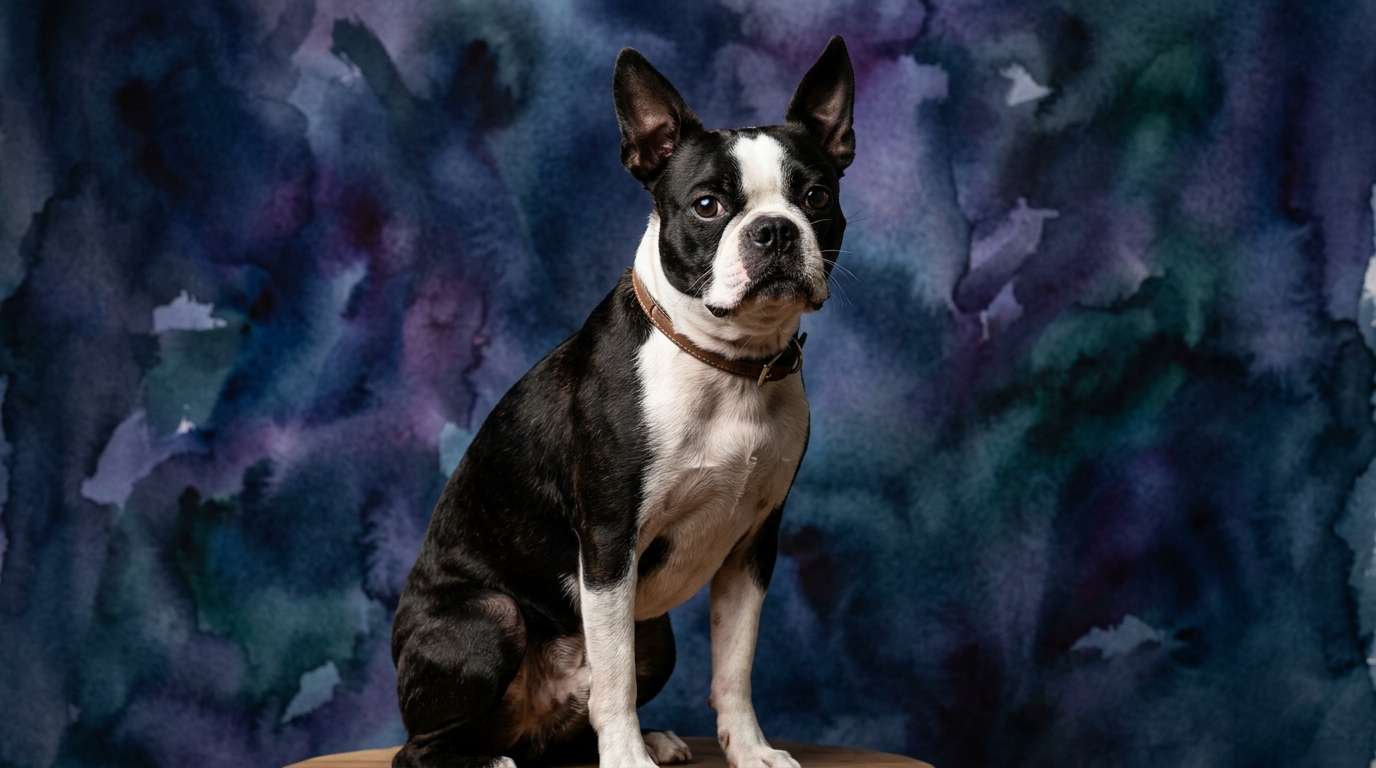
The Boston Terrier, recognized by Stanley Coren at rank #54 for working and obedience intelligence, presents a balanced profile. Their Problem Solving ability rates at 3/5, indicating a capacity to learn new tasks and adapt to novel situations with moderate effort, but they may not consistently devise complex independent solutions. Training Speed also sits at 3/5, suggesting they grasp new commands and routines at an average pace, thriving on consistent reinforcement. A standout trait is their Social Intelligence at 4/5, meaning they are particularly adept at reading human emotions, body language, and social cues, making them highly attuned companions. Their Instinctive Drive is lower at 2/5, implying less inherent inclination towards activities like chasing, digging, or herding, which can be advantageous for urban living. Memory for the Boston Terrier is 3/5, indicating a solid retention of learned behaviors and positive or negative past experiences.
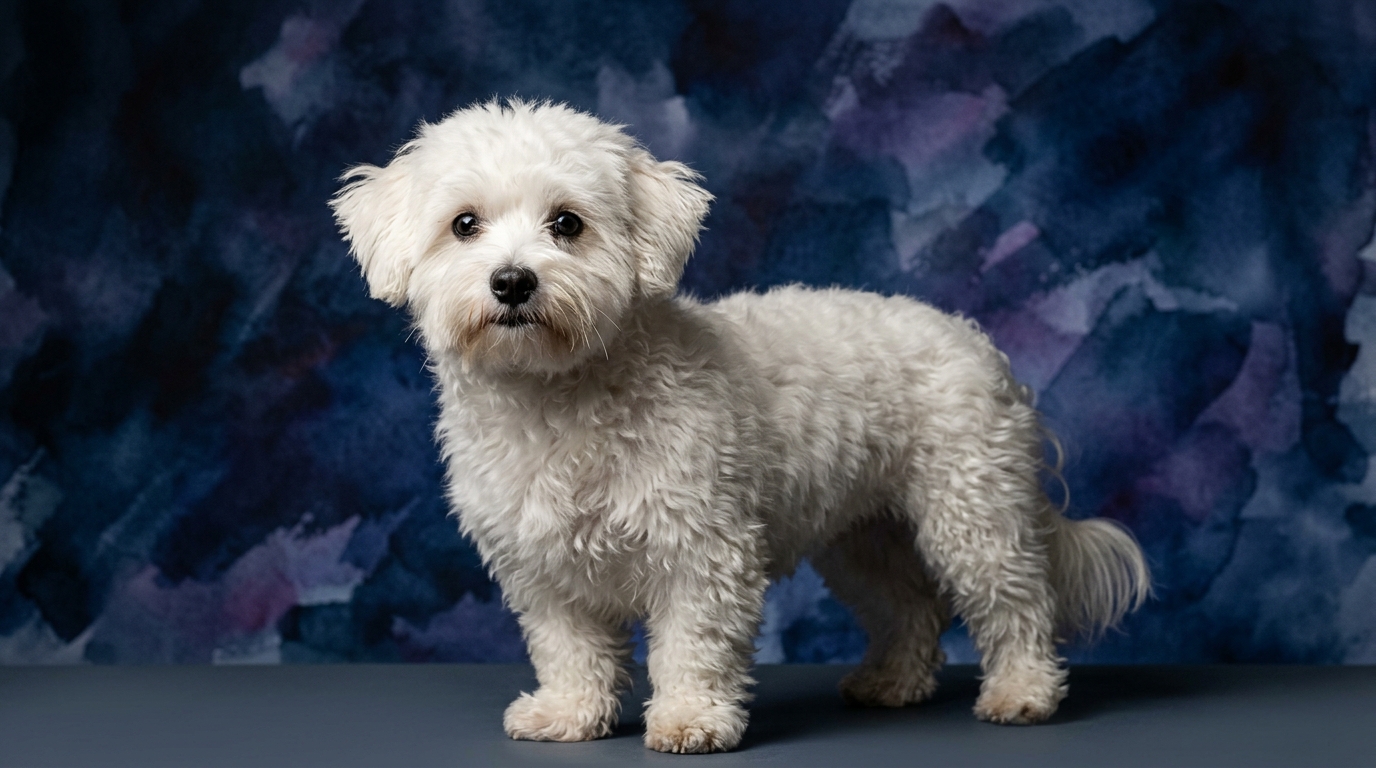
The Coton de Tuléar, while not specifically ranked by Coren, demonstrates a consistent and adaptable cognitive profile. Their Problem Solving ability is 3/5, similar to the Boston Terrier, suggesting they are capable of learning and navigating their environment effectively but might require guidance for intricate puzzles. Training Speed also mirrors the Boston at 3/5, meaning they are receptive to training but benefit from patience and engaging methods. Their Social Intelligence is 3/5, indicating a good capacity to connect with humans and understand basic social interactions, though perhaps not with the same subtle sensitivity as the Boston Terrier. The Coton de Tuléar's Instinctive Drive is 3/5, a moderate level that allows for playful engagement in natural dog behaviors without being overwhelming. Their Memory is rated at 3/5, ensuring they remember commands, routines, and significant past events, contributing to their adaptability and trainability.
Where the Boston Terrier Shines Cognitively
The Boston Terrier's primary cognitive advantage lies in its elevated Social Intelligence, scoring 4/5. This means they possess a remarkable ability to interpret human moods, intentions, and even subtle facial expressions. They are often described as exceptionally empathetic, quickly picking up on their owner's emotional state and responding accordingly. This makes them profoundly responsive companions, often appearing to anticipate needs or offer comfort without explicit commands. Their lower Instinctive Drive (2/5) further enhances this connection; they are less likely to be distracted by primal urges to chase squirrels or dig up the garden, instead preferring to engage directly with their human family. This focus on human interaction over independent exploration makes them particularly suited for close companionship and situations where a dog's primary role is to be a responsive, attentive friend within the home environment.
Where the Coton de Tuléar Holds its Own
The Coton de Tuléar's cognitive strengths stem from its well-rounded and moderate profile across all dimensions, particularly its balanced Instinctive Drive (3/5). While not excessively driven, this moderate level means the Coton often retains a joyful enthusiasm for typical dog activities such as scent games, exploring new environments, and engaging in interactive play. This makes them a lively and engaging companion for owners who appreciate a dog with a bit more 'spark' for natural canine pursuits, without the intensity of a working breed. Their consistent 3/5 across Problem Solving, Training Speed, Social Intelligence, and Memory speaks to a highly adaptable and generally agreeable disposition. They are capable learners who form strong bonds and retain information, making them versatile family members who can thrive in various settings with appropriate engagement. This breed's consistent scores suggest a robust mental resilience and an ability to adjust to diverse family dynamics and lifestyles with relative ease, making them less prone to specific cognitive imbalances that might lead to behavioral challenges.
Training Dynamics: Which Breed Learns with Greater Ease?
When it comes to ease of training, both the Boston Terrier and the Coton de Tuléar score 3/5 in Training Speed, suggesting they learn at a moderate pace. However, their distinct social and instinctive drives influence the *type* of training experience. The Boston Terrier's superior Social Intelligence (4/5) often translates into a dog that is highly motivated by human approval and attention. They are keen observers of their owners and often strive to please, which can make them seem more straightforward to train. They respond well to positive reinforcement methods that emphasize praise and connection, quickly understanding what behaviors earn them positive human interaction. Their lower Instinctive Drive (2/5) also means fewer distractions from environmental stimuli, allowing them to focus more intently on the task at hand during training sessions.
The Coton de Tuléar, with its 3/5 Social Intelligence and 3/5 Instinctive Drive, is equally capable of learning but might require a slightly different approach. Their moderate instinctive drive means they can sometimes be more easily distracted by interesting smells or sights, requiring trainers to maintain a higher level of engagement and novelty to hold their attention. While they enjoy pleasing their owners, they might also exhibit a touch more independent thinking or playful stubbornness. Consistent, positive, and fun training sessions work best, often incorporating games or scent work to tap into their natural inclinations. Neither breed is inherently difficult to train, but the Boston Terrier's strong desire for human connection may make the training journey feel slightly more cooperative, while the Coton de Tuléar might offer more opportunities for creative problem-solving from the trainer's perspective.
Matching Lifestyles: Active vs. Relaxed Owners
Considering their cognitive profiles, each breed aligns well with different owner lifestyles. The Boston Terrier, with its high Social Intelligence and low Instinctive Drive, is an excellent match for more relaxed owners who prioritize companionship and indoor interaction. They thrive on being a central part of family life, often content with moderate daily walks and playtime within the home. Their lower drive means they are less likely to become restless or destructive if not provided with extensive outdoor adventures, making them ideal for apartment living or less active households. They are perfectly happy snuggling on the couch, observing family activities, and offering quiet, attentive presence.
The Coton de Tuléar, with its balanced 3/5 scores across the board, particularly its moderate Instinctive Drive, suits owners who enjoy a slightly more active lifestyle. While not requiring extreme exercise, Cotons appreciate regular walks, engaging play sessions, and opportunities for exploration in a safe environment. Their moderate drive means they enjoy participating in activities like fetch, mild scent games, or short hikes. They are adaptable and can certainly enjoy relaxed moments, but they also benefit from owners who are willing to engage their minds and bodies with consistent, moderate activity. This makes them a good fit for families who enjoy a blend of indoor comfort and outdoor fun, seeking a companion who is enthusiastic about shared experiences without being overly demanding.
The Verdict
Choose the Boston Terrier if you seek a highly empathetic, responsive companion who thrives on close human connection and requires less intense outdoor engagement, perfectly suited for a relaxed, home-centric lifestyle.
Opt for the Coton de Tuléar if you desire a versatile, joyful dog with a balanced cognitive profile, who appreciates moderate activity and engaging play, making them an excellent fit for families seeking a blend of companionship and adventure.
🧠 Find Your Pet's IQ Score
Our Pet IQ Lab assessment covers 25+ tests across 5 cognitive dimensions — personalized to your breed.
Take the Full IQ Test →Frequently Asked Questions
Are Boston Terriers good apartment dogs?
Yes, Boston Terriers are exceptionally well-suited for apartment living due to their moderate exercise needs and low instinctive drive. Their high social intelligence means they prioritize human interaction over expansive outdoor adventures, making them content in smaller spaces as long as they receive adequate attention and daily walks.
Do Coton de Tuléars bark excessively?
Coton de Tuléars can be prone to barking if not properly socialized or if left alone for extended periods, as they are social dogs with a moderate instinctive drive that can manifest as alert barking. However, with consistent training and sufficient mental and physical stimulation, their barking can be managed effectively.
Which breed is generally better with children?
Both breeds can be wonderful with children, but their approaches differ. The Boston Terrier's high social intelligence allows them to adapt quickly to family dynamics and be very patient, while the Coton de Tuléar's joyful and adaptable nature makes them playful and resilient companions for kids. Supervision is always recommended, and early socialization benefits both breeds in a family setting.