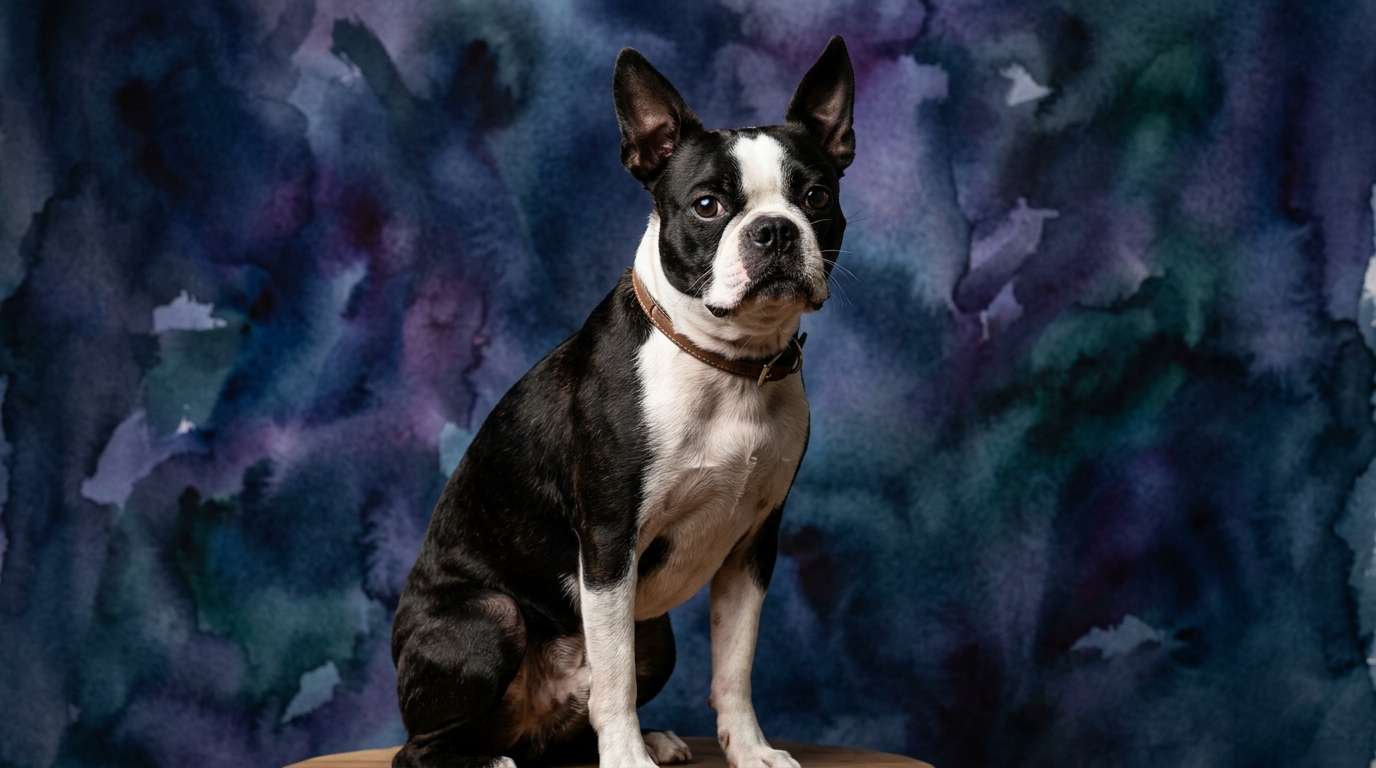
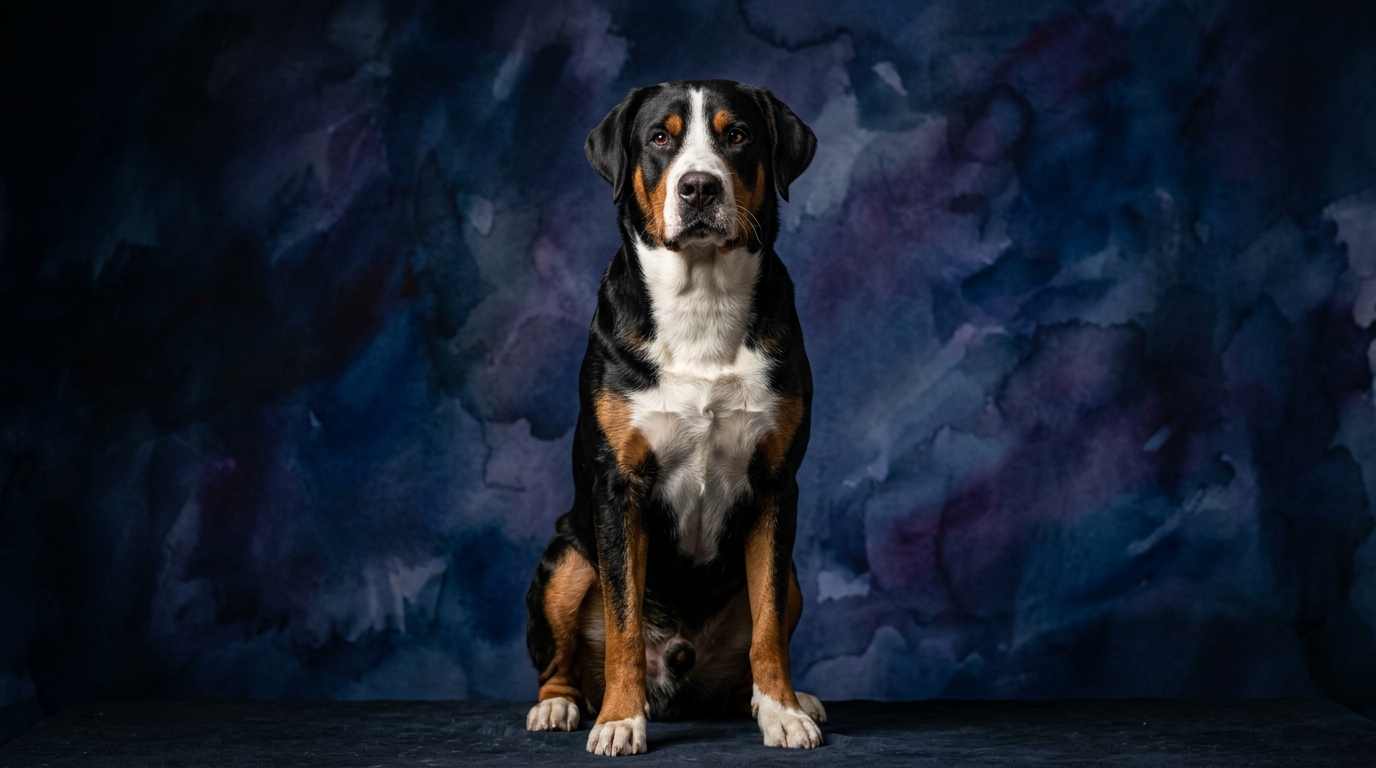
Side-by-Side IQ Profile: Boston Terrier vs. Greater Swiss Mountain Dog
The Cosmic Pet Pet IQ Lab provides a detailed look at canine cognitive abilities across five dimensions, offering a nuanced understanding beyond simple obedience. For the Boston Terrier, their profile shows a Problem Solving score of 3/5, indicating an ability to navigate moderately complex puzzles and adapt to new situations with thoughtful consideration. Their Training Speed also sits at 3/5, suggesting they grasp new commands at a steady pace, benefiting from consistent, positive reinforcement. Where they truly shine is Social Intelligence, scoring an impressive 4/5, which highlights their exceptional attunement to human emotions and social cues. Their Instinctive Drive is lower at 2/5, meaning they possess less inherent inclination for traditional working tasks like herding or guarding, preferring human companionship. Finally, their Memory is rated 3/5, allowing them to recall learned behaviors and routines reliably over time.
In contrast, the Greater Swiss Mountain Dog, while not Coren-ranked, presents a balanced cognitive profile. Their Problem Solving capability is rated 3/5, similar to the Boston Terrier, signifying competence in handling practical challenges and adapting to varied environments. Their Training Speed also matches at 3/5, suggesting a solid capacity for learning new tasks and commands with proper guidance and motivation. The Greater Swiss Mountain Dog's Social Intelligence scores 3/5, indicating a good understanding of social dynamics and human interactions, though perhaps not with the same nuanced sensitivity as the Boston Terrier. Their Instinctive Drive is rated 3/5, reflecting a moderate inclination for tasks rooted in their working heritage, such as drafting or guarding, which can manifest as a desire for purpose. Their Memory also stands at 3/5, ensuring they retain training and experiences effectively, contributing to their reliability.
Where the Boston Terrier Excels Cognitively
The Boston Terrier's standout cognitive strength lies in their exceptional Social Intelligence, scoring 4/5. This means they are particularly adept at reading human body language, understanding vocal tones, and responding empathetically to their owners' moods. This heightened social awareness translates into a companion animal that is remarkably intuitive, often seeming to anticipate needs or offer comfort during moments of distress. Their lower Instinctive Drive (2/5) further supports this, as their mental energy is less diverted by independent urges to hunt or herd, allowing a greater focus on bonding and interaction within the family unit. This cognitive makeup makes them masters of domestic harmony, fitting seamlessly into various household dynamics and thriving on close human connection, often seeking out proximity and engagement rather than independent exploration.
Where the Greater Swiss Mountain Dog Demonstrates Cognitive Strengths
The Greater Swiss Mountain Dog's cognitive advantages are rooted in their robust working heritage. Their Instinctive Drive, at 3/5, provides a solid foundation for engaging in purposeful activities, a trait less pronounced in the Boston Terrier. This drive means they often possess an inherent desire to have a 'job,' whether it's participating in canine sports, carrying packs, or simply being a vigilant family guardian. While their Problem Solving is rated equally at 3/5, their larger physical presence and strength allow them to tackle practical problems that require more physical engagement, such as navigating complex terrain or managing livestock (if trained). Their balanced cognitive profile across all dimensions, particularly their moderate social intelligence and steady memory, enables them to be reliable and consistent partners in a variety of active endeavors, demonstrating a durable mental fortitude for sustained effort and focus on tasks.
Training Aptitude: Which Breed is Easier to Shape?
Both breeds share a Training Speed score of 3/5, suggesting they learn new commands at a comparable, steady pace. However, their other cognitive dimensions influence the *ease* and *nature* of their training. The Boston Terrier, with its superior Social Intelligence (4/5), is often highly motivated by pleasing their human companions. This strong desire for social connection and approval can make them very eager to comply with instructions, especially when positive reinforcement and praise are used. They are generally sensitive to correction and respond well to gentle, consistent methods, making them quite amenable to household manners and basic obedience, often appearing to 'try' harder to understand what's asked of them.
The Greater Swiss Mountain Dog, while also possessing a 3/5 Training Speed, might present different training considerations due to their 3/5 Instinctive Drive. This drive, combined with their size and strength, means they can sometimes be more independent or possess a 'what's in it for me?' attitude. Training them often benefits from clear, consistent, and reward-based methods that appeal to their desire for purpose or tangible rewards. While they are capable learners, their training might require a slightly firmer hand in terms of consistency and clarity, ensuring they understand the expectation and motivation behind each task. Their moderate social intelligence means they respond well to human interaction but might not possess the same inherent drive to 'please' as the highly socially attuned Boston Terrier, sometimes requiring more structured motivation.
Matching Breeds to Owner Lifestyles: Active vs. Relaxed
When considering an active versus relaxed owner, the cognitive profiles of these breeds offer clear guidance. The Boston Terrier, with its moderate problem-solving and training speed, combined with a lower instinctive drive, generally suits a more relaxed household. While they enjoy play and short bursts of activity, their primary cognitive need is often social interaction and companionship. They thrive on being involved in daily family life, whether it's lounging on the sofa or accompanying owners on errands. Their high social intelligence means they are content with mental stimulation derived from human interaction and simple, engaging games rather than demanding extensive physical or task-oriented challenges. They are well-suited for urban living or owners who prefer less strenuous outdoor activities but desire a highly interactive and perceptive companion.
The Greater Swiss Mountain Dog, conversely, aligns better with active owners who can provide both physical exertion and mental engagement for their moderate instinctive drive. Their robust physical capabilities and desire for purpose mean they benefit from regular walks, hikes, or activities that allow them to use their strength and problem-solving skills, such as carting or weight pulling. While their social intelligence ensures they are good companions, their cognitive satisfaction often comes from having a 'job' or being part of an active outdoor lifestyle. Owners who enjoy long walks, live in homes with ample outdoor space, or are willing to engage in canine sports will find the Greater Swiss Mountain Dog a rewarding partner, as their moderate instinctive drive thrives on having clear objectives and a sense of contribution.
The Verdict
Choose the Boston Terrier if you seek an exceptionally socially intelligent companion who thrives on close human interaction and fits seamlessly into a less physically demanding, companion-focused lifestyle.
Opt for the Greater Swiss Mountain Dog if you are an active individual or family seeking a robust, purposeful partner who enjoys engaging in outdoor activities and benefits from having a 'job' or consistent tasks to fulfill their moderate instinctive drive.
🧠 Find Your Pet's IQ Score
Our Pet IQ Lab assessment covers 25+ tests across 5 cognitive dimensions — personalized to your breed.
Take the Full IQ Test →Frequently Asked Questions
Which breed is more adaptable to apartment living?
The Boston Terrier is generally more adaptable to apartment living due to their smaller size, moderate exercise needs, and strong preference for indoor companionship. Their high social intelligence means they are content with mental stimulation from their family rather than extensive outdoor space.
Do Greater Swiss Mountain Dogs require extensive mental stimulation?
While not requiring constant high-level puzzles, Greater Swiss Mountain Dogs benefit from consistent mental engagement that taps into their moderate instinctive drive. This can include regular training sessions, purposeful walks, or activities that give them a 'job' to do, preventing boredom and channeling their energy constructively.
How do their social intelligence scores impact family dynamics?
The Boston Terrier's 4/5 social intelligence means they are highly attuned to family emotions, often acting as sensitive, empathetic companions. The Greater Swiss Mountain Dog's 3/5 social intelligence indicates they are good family members who understand social cues, but might not display the same level of nuanced emotional responsiveness as the Boston Terrier, offering a more steady and observant presence.