Side-by-Side IQ Profile: Boston Terrier vs. Norwegian Buhund
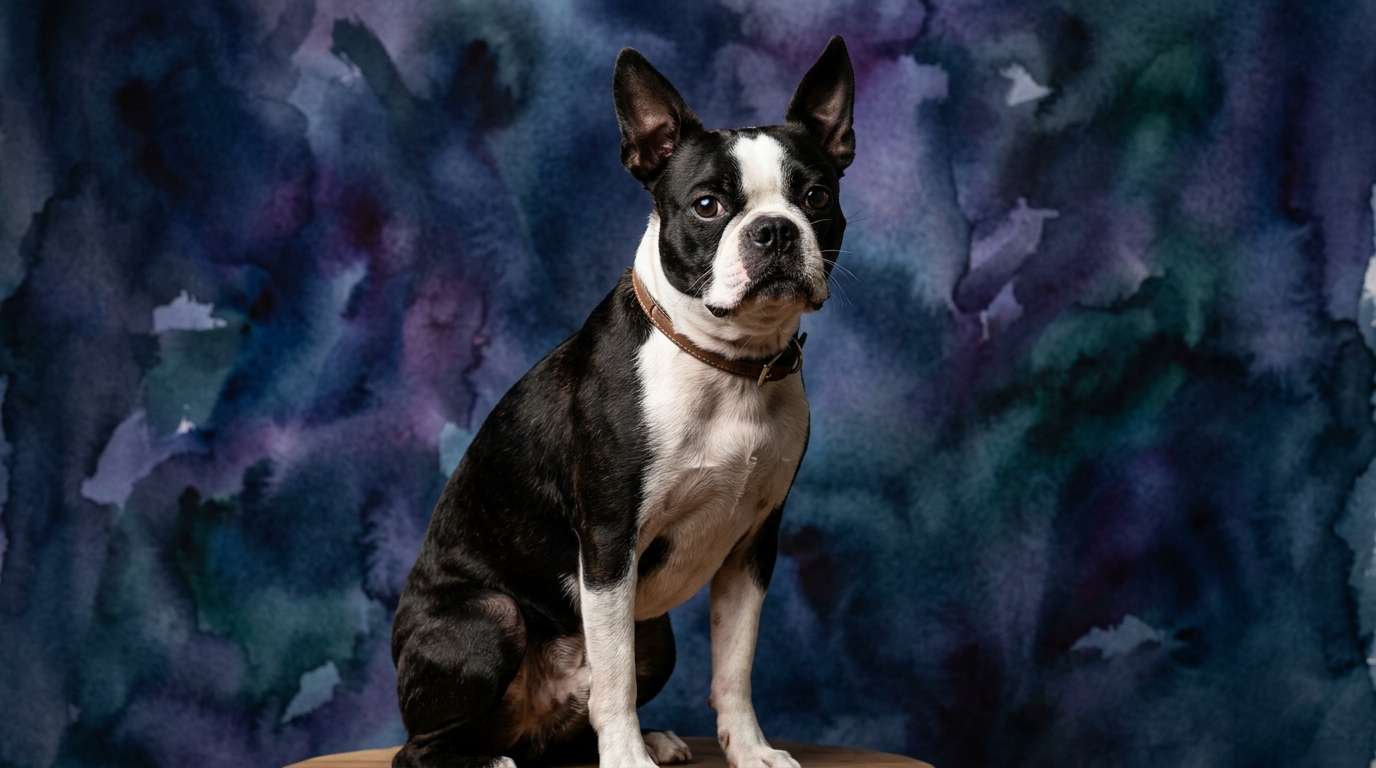
At The Cosmic Pet Pet IQ Lab, we evaluate canine intelligence across five key dimensions to provide a nuanced understanding beyond simple rankings. For the Boston Terrier, a member of the Non-Sporting Group, its cognitive profile paints a picture of a socially adept companion. They score 3 out of 5 for Problem Solving, indicating a moderate capacity to navigate new puzzles and adapt to novel situations without necessarily being master strategists. Their Training Speed also sits at a 3/5, suggesting they absorb new commands at an average pace, neither remarkably fast nor unusually slow. Where the Boston Terrier truly distinguishes itself is in Social Intelligence, earning an impressive 4/5; this reflects a strong ability to understand and respond to human emotions and cues, making them highly attuned companions. Their Instinctive Drive is lower at 2/5, meaning they possess less innate drive for traditional working dog tasks like hunting or herding. Finally, their Memory is a solid 3/5, enabling them to retain learned behaviors and routines effectively.
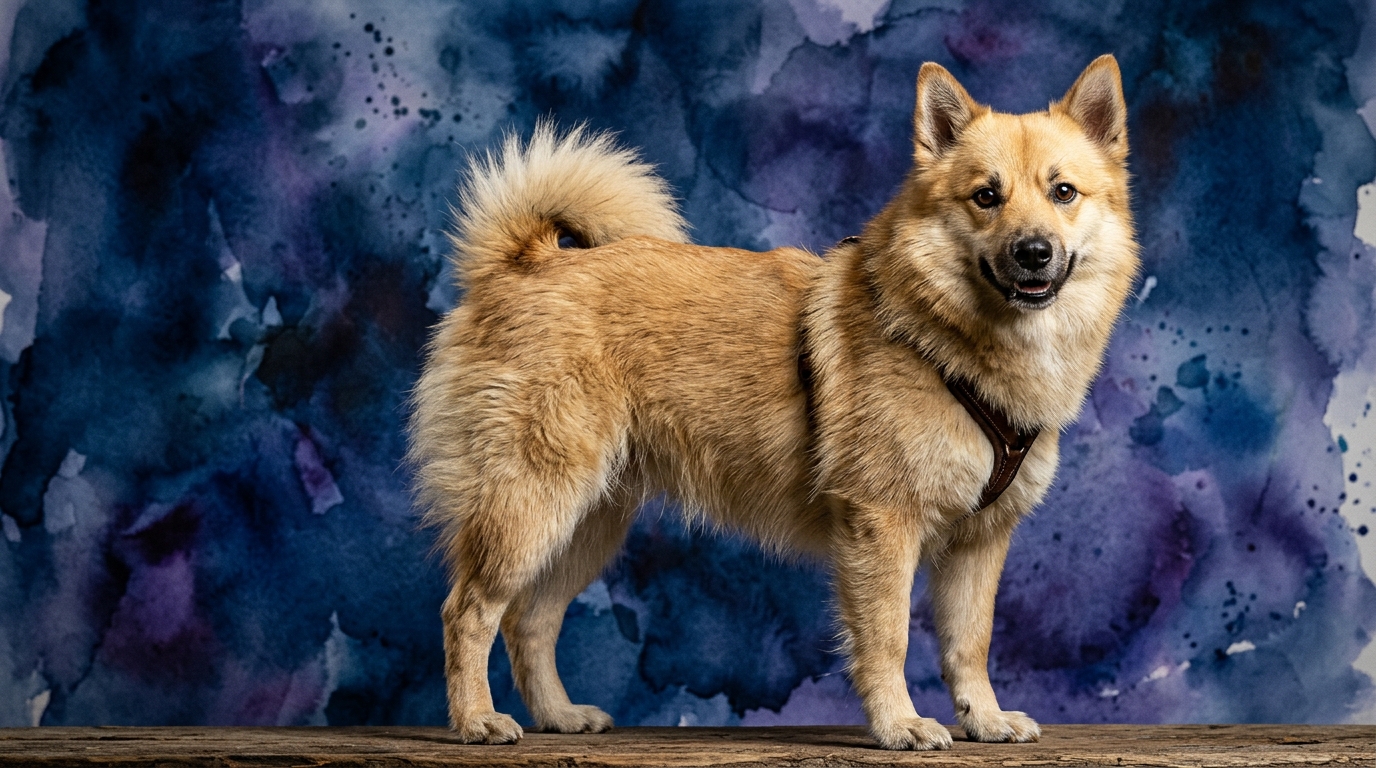
In contrast, the Norwegian Buhund, a dedicated Herding breed, presents a different cognitive blueprint. While not Coren-ranked, our IQ assessment places them with a Problem Solving score of 3/5, matching the Boston Terrier's capacity for figuring things out, albeit perhaps with more independent application. Their Training Speed is also 3/5, indicating an average learning curve, similar to their Boston counterpart. The Buhund’s Social Intelligence is rated 3/5, showing they are receptive to human interaction and cues, though perhaps not with the same nuanced emotional sensitivity as the Boston Terrier. Their Instinctive Drive, as expected for a Herding breed, is a higher 3/5, reflecting a moderate inherent urge to herd, patrol, and engage in purposeful activity. Like the Boston Terrier, their Memory is assessed at 3/5, allowing them to recall complex sequences and locations with good reliability. This direct comparison highlights how breeds with similar scores in some areas can still offer distinct cognitive experiences due to their overarching breed purposes and inherent predispositions.
Where the Boston Terrier Excels Cognitively
The Boston Terrier’s primary cognitive advantage lies in its exceptional Social Intelligence, scoring 4/5 compared to the Norwegian Buhund’s 3/5. This higher score isn't just a number; it translates into a dog that is remarkably sensitive to its human companions' moods and intentions. A Boston Terrier is often described as a 'people pleaser' not merely out of obedience, but from a genuine ability to read and react to subtle human cues, whether it’s a shift in tone of voice, a facial expression, or even body language. This acute social awareness means they can be incredibly empathetic, often sensing when their owner is upset or happy and adjusting their behavior accordingly. They excel in environments where close human-animal bonding is prioritized, effortlessly integrating into family dynamics by understanding their role and anticipating expectations.
Furthermore, their relatively lower Instinctive Drive (2/5) contributes to their cognitive strength in a domestic setting. While a working breed might struggle with the lack of a 'job,' a Boston Terrier's lower drive means fewer distractions from inherent urges to chase or herd. This allows them to focus more intently on social interactions and human-directed tasks, making them appear more present and engaged in companion-based activities. Their Coren ranking of #54 further supports their overall mental capacity, indicating a solid foundation for learning and adaptability within a companion role. This blend of high social acumen and manageable instinctive urges makes the Boston Terrier particularly adept at navigating the complexities of human households and forming deep, intuitive bonds.
Where the Norwegian Buhund Holds a Cognitive Edge
The Norwegian Buhund’s cognitive strengths are deeply rooted in its heritage as a working herding dog, most notably reflected in its Instinctive Drive score of 3/5, which surpasses the Boston Terrier’s 2/5. This moderate drive means the Buhund possesses an inherent motivation for purposeful activity, a cognitive trait that translates into persistence and focus when engaged in tasks. While their Problem Solving score is numerically identical to the Boston Terrier's (3/5), the Buhund often applies this problem-solving ability with a practical, goal-oriented mindset. They are adept at figuring out how to achieve a desired outcome, whether it's navigating a complex agility course or 'herding' family members, often demonstrating ingenuity born from their drive to act.
This elevated instinctive drive also means Buhunds often possess a robust internal compass and a strong sense of territory, using their memory (3/5) to recall routes and boundaries with precision. Their cognitive profile suggests a dog that thrives on mental engagement that mirrors their ancestral work, such as tracking, scent work, or complex obedience routines. Unlike the Boston Terrier, whose cognitive energy is primarily directed towards social cohesion, the Buhund channels a significant portion of its mental capacity into understanding and manipulating its environment to achieve objectives. This makes them particularly suited for owners who can provide consistent mental stimulation that taps into their innate desire for engagement and purpose, allowing their cognitive capabilities to truly shine in a functional context.
Which is Easier to Train and Why
When assessing ease of training, both breeds score 3/5 for Training Speed, suggesting they learn new commands at a comparable pace. However, the *experience* of training can differ significantly due to their distinct social intelligence and instinctive drives. The Boston Terrier, with its superior Social Intelligence (4/5), is often perceived as easier to train because it is inherently motivated by human approval and connection. They are highly attuned to their owner's reactions and eager to please, making them responsive to positive reinforcement and praise. Their lower Instinctive Drive (2/5) also means fewer ingrained distractions; they are less likely to be sidetracked by strong urges to chase or herd, allowing for a more focused training session centered on human interaction. This makes them highly adaptable to varied training methods and often quick to integrate new behaviors into their routine, driven by their desire for companionship.
The Norwegian Buhund, while equally capable of learning at an average speed (3/5 Training Speed), presents a different training dynamic. Their Social Intelligence of 3/5 means they are willing to engage, but perhaps with a more independent streak than the Boston Terrier. Their moderate Instinctive Drive (3/5) means they possess a natural inclination for activity and purpose, which, if not channeled appropriately, can manifest as independent decision-making or a tendency to follow their nose. Training a Buhund often requires more creativity and engagement to tap into their working dog mentality. Owners might find success by incorporating elements of herding, scent work, or complex problem-solving into their training, which satisfies their inherent drives and leverages their practical intelligence. While both breeds are trainable, the Boston Terrier's strong social motivation and lower inherent distractions often make the training process feel more straightforward and less demanding of an owner's strategic input, whereas the Buhund requires an owner who can consistently provide stimulating, purpose-driven engagement to harness its cognitive potential effectively.
Which Suits Active Owners vs. Relaxed Owners
The cognitive profiles of the Boston Terrier and Norwegian Buhund strongly influence their suitability for different owner lifestyles. The Boston Terrier, with its high Social Intelligence (4/5) and lower Instinctive Drive (2/5), is an ideal companion for more relaxed owners. They thrive on companionship and moderate daily activity, such as walks around the neighborhood or indoor play. Their cognitive engagement is primarily satisfied through close interaction with their family, cuddle sessions, and being an integral part of daily household life. They are less prone to developing destructive behaviors from a lack of intense physical or mental 'work,' making them well-suited for urban living or individuals who appreciate a devoted, emotionally responsive presence without the need for rigorous outdoor adventures.
Conversely, the Norwegian Buhund, with its Herding Group background and moderate Instinctive Drive (3/5), is a better match for active owners. This breed possesses an innate need for purposeful activity and mental stimulation that goes beyond simple companionship. They benefit greatly from owners who can provide consistent exercise, engage them in dog sports like agility or obedience, or even provide a 'job' like herding or advanced training. Their cognitive satisfaction comes from applying their problem-solving skills and drive to meaningful tasks. Owners who enjoy an active lifestyle and are committed to providing daily mental and physical challenges will find the Buhund to be an intelligent, willing, and robust partner, thriving on structured engagement that taps into their working dog heritage.
The Verdict
Choose the Boston Terrier if you seek a highly social, empathetic companion that thrives on close human interaction and fits well into a moderately active, companion-focused lifestyle.
Opt for the Norwegian Buhund if you are an active owner prepared to provide consistent mental and physical challenges, enjoying a partner for dog sports or purposeful activities that satisfy its inherent working drives.
🧠 Find Your Pet's IQ Score
Our Pet IQ Lab assessment covers 25+ tests across 5 cognitive dimensions — personalized to your breed.
Take the Full IQ Test →Frequently Asked Questions
Does the Boston Terrier's lower instinctive drive mean it's less intelligent?
Not at all. The Boston Terrier's lower instinctive drive (2/5) simply means its cognitive focus isn't primarily on traditional working dog tasks. Instead, its intelligence shines through its exceptional social acumen and adaptability to human family life, making it a highly attuned companion.
How does the Norwegian Buhund's herding background influence its problem-solving abilities?
While both breeds score 3/5 in problem-solving, the Buhund often applies this skill with a practical, goal-oriented approach driven by its herding instincts. This means they excel at figuring out how to achieve tangible objectives, such as navigating obstacles to reach a target or strategically moving objects, which stems from their breed's historical role.
Can a Boston Terrier be trained for dog sports, or is that better suited for a Norwegian Buhund?
Both breeds can participate in dog sports, but their strengths differ. A Boston Terrier can excel in sports like obedience or rally due to its social intelligence and desire to please. The Norwegian Buhund, with its higher instinctive drive and practical problem-solving, is often naturally inclined towards more physically demanding and task-oriented sports like agility, herding, or flyball, where its working drive can be fully engaged.