Side-by-Side IQ Profile
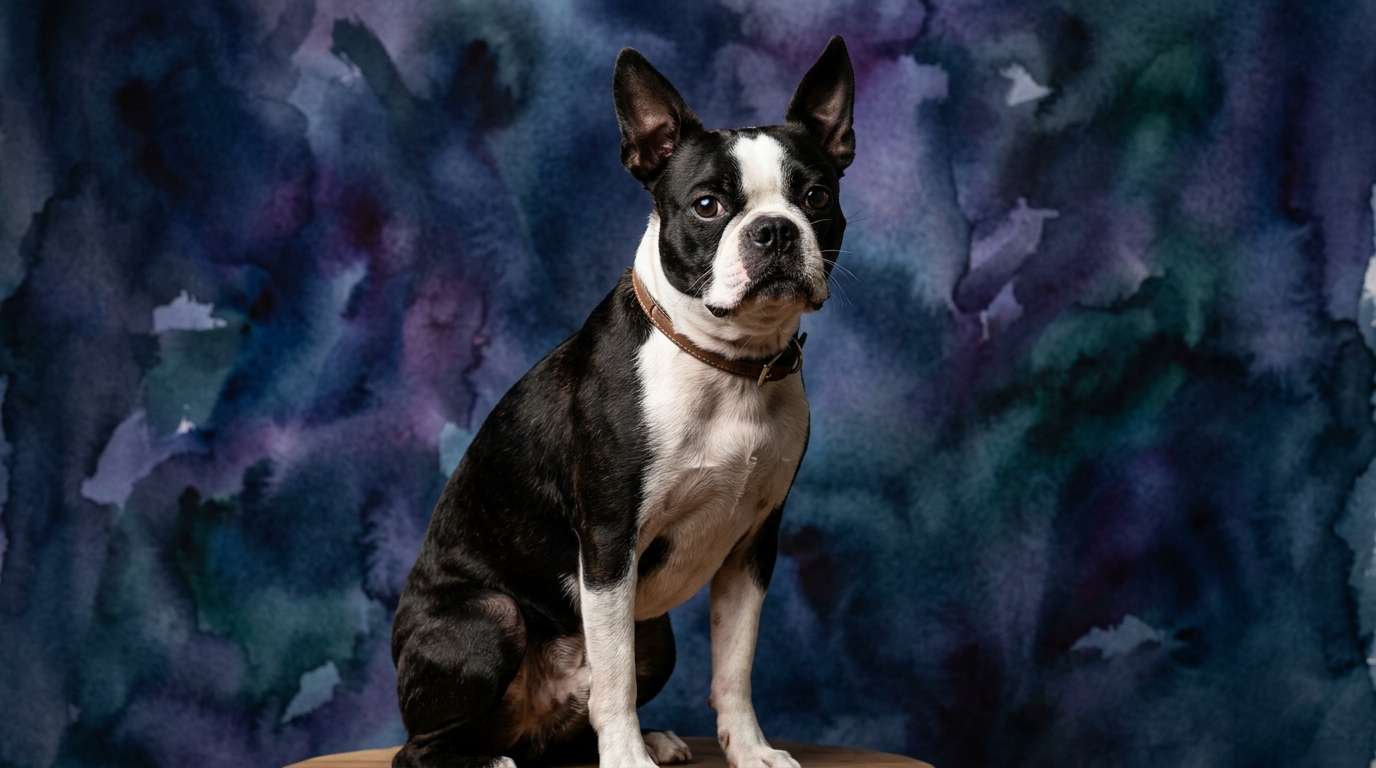
**Boston Terrier:** These compact companions, ranked #54 by Coren, exhibit a moderate capacity for independent problem-solving (3/5), often relying on observation and trial-and-error to navigate basic puzzles or obstacles. Their training speed is moderate (3/5); they pick up commands with consistency, though occasional stubbornness requires engaging methods. A standout trait is their high social intelligence (4/5), making them exceptionally attuned to human emotions and social cues, thriving on connection. Their instinctive drives (2/5) are relatively low, as they were primarily bred for companionship rather than working tasks. Boston Terriers possess a moderate memory (3/5), retaining learned behaviors with regular reinforcement and remembering routines well.
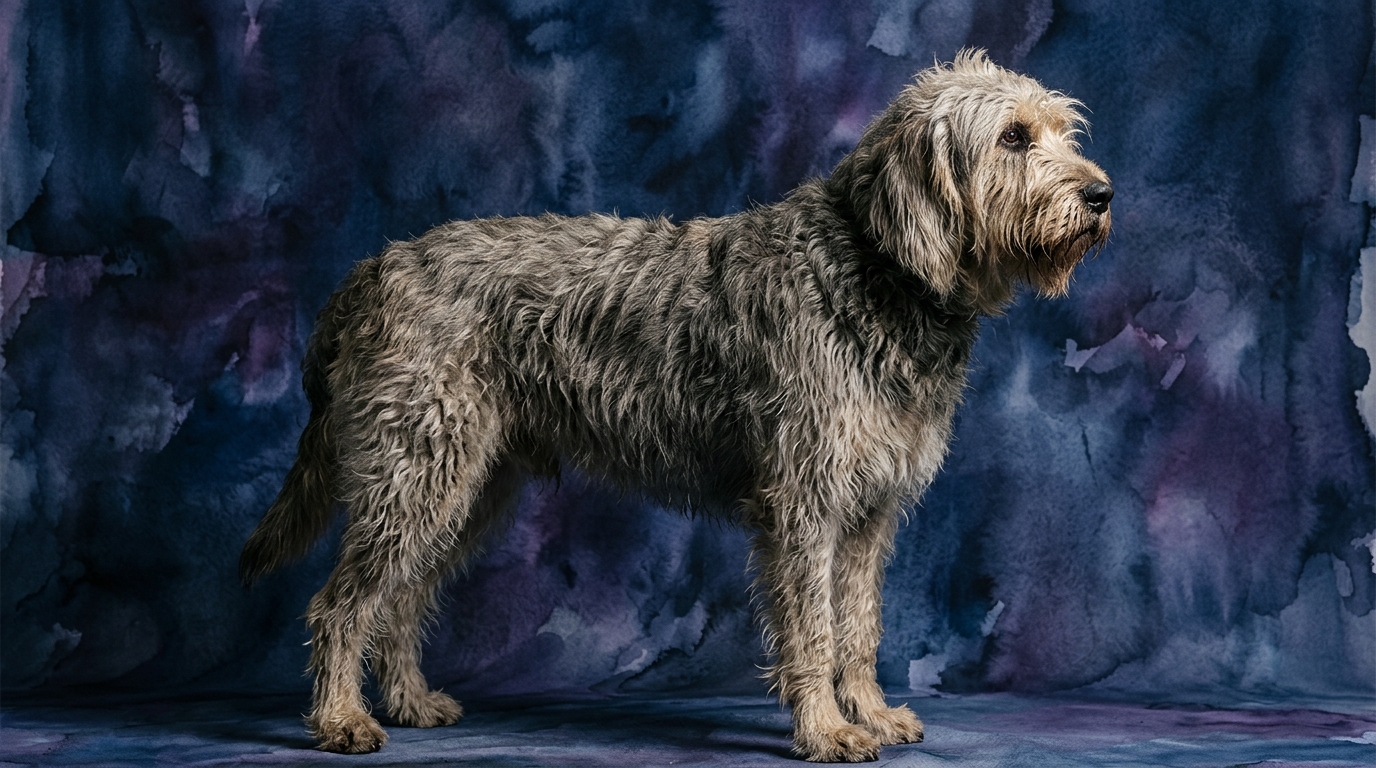
**Otterhound:** This robust hound breed, not Coren-ranked, also demonstrates a moderate ability to solve problems (3/5), often leveraging their strong scenting instincts to investigate and unravel situations. Their training speed is moderate (3/5); while intelligent, their independent hound nature and susceptibility to scent distractions necessitate patience and consistent, reward-based methods. Otterhounds have a solid level of social intelligence (3/5), forming strong family bonds and understanding pack dynamics, though their affection can be more understated. Their instinctive drive is moderate (3/5), primarily focused on persistent scent work and tracking, reflecting their historical role in hunting. Otterhounds show a moderate memory (3/5), particularly for scent trails and routes, retaining training adequately with reinforcement, especially for tasks related to their heritage.
Where Boston Terrier Wins Cognitively
The Boston Terrier distinguishes itself primarily in the realm of social intelligence, scoring a 4/5 compared to the Otterhound's 3/5. This higher social aptitude means they are often more perceptive of human moods and intentions, making them exceptionally empathetic companions. A Boston Terrier is more likely to notice subtle shifts in your tone or body language and adjust their behavior accordingly, offering comfort or seeking interaction when appropriate. Their strong desire for connection and participation translates into a breed that actively seeks to understand and integrate into the family's emotional landscape, often anticipating needs or simply enjoying quiet companionship without explicit direction. This heightened social awareness makes them incredibly responsive to nuanced social cues, a trait less pronounced in the more independently driven Otterhound.
Where Otterhound Wins Cognitively
The Otterhound's cognitive strengths lie in its instinctive drive, rated 3/5 compared to the Boston Terrier's 2/5, and its associated problem-solving applications. While both breeds score 3/5 in general problem-solving, the Otterhound's approach is deeply rooted in its ancestral purpose: tracking. This means their problem-solving often involves persistent, methodical investigation, using their incredible nose to unravel complex scent puzzles or navigate challenging terrains. A lost toy in the yard might be found by an Otterhound meticulously working a scent trail, whereas a Boston Terrier might give up more quickly or rely on visual cues. Their moderate instinctive drive, specifically for scenting, provides a powerful internal motivation that can make them incredibly focused on tasks related to their heritage, offering a distinct cognitive advantage in persistence and sensory-driven exploration.
Which is Easier to Train and Why
When comparing trainability, both breeds are rated 3/5 for training speed, suggesting a moderate learning curve. However, the *ease* of training can differ significantly due to their behavioral predispositions. The Boston Terrier, with its higher social intelligence and lower instinctive drive, often presents as easier to train in a typical home environment. Their strong desire to please and their attentiveness to human cues mean they are generally more focused on their handler during training sessions. They are less likely to be sidetracked by external stimuli like fascinating smells, making them more receptive to commands.
The Otterhound, conversely, while intelligent, possesses a moderate instinctive drive for scenting that can be a significant distraction. Their independent hound nature means that if a compelling scent is present, their attention may divert from training, requiring a more patient, persistent, and often reward-heavy approach. While both learn, the Boston Terrier's intrinsic motivation to connect often makes the training process feel smoother and more collaborative.
Which Suits Active Owners vs Relaxed Owners
The choice between these two breeds for active versus relaxed owners hinges on their energy levels and inherent drives. For a relaxed owner, the Boston Terrier is often a more suitable companion. While they enjoy walks and playtime, their lower instinctive drive (2/5) and moderate energy requirements mean they are content with regular, but not exhaustive, exercise. They are also typically happy to lounge indoors, providing affectionate company. Their social intelligence makes them adaptable to various household routines and less demanding of constant stimulation.
An Otterhound, with its moderate instinctive drive (3/5) geared towards scenting and its larger size, generally requires a more active owner. They need consistent mental and physical exercise, often benefiting from activities like scent work, long hikes, or even swimming. A relaxed owner might find an Otterhound's need for exploration and stimulation overwhelming, potentially leading to boredom-induced behaviors. Their robust nature and desire to follow a trail mean they thrive with owners who can provide outlets for their natural inclinations.
The Verdict
Choose the Boston Terrier if you seek a highly socially attuned companion who thrives on human connection and adapts well to a moderately active, indoor lifestyle. Their perceptive nature and lower independent drive make them excellent for owners desiring a responsive, affectionate presence.
Opt for the Otterhound if you are an active individual or family eager to engage with a dog that loves exploration, scent work, and consistent outdoor activity. Their robust nature and moderate instinctive drive suit those who appreciate an independent spirit with a strong desire to investigate the world.
🧠 Find Your Pet's IQ Score
Our Pet IQ Lab assessment covers 25+ tests across 5 cognitive dimensions — personalized to your breed.
Take the Full IQ Test →Frequently Asked Questions
Are Boston Terriers good with children?
Boston Terriers often excel with children due to their high social intelligence and generally good-natured temperament. Their ability to read social cues and their sturdy, compact size make them adaptable family members, though supervision is always recommended with any pet and child interaction.
Do Otterhounds shed a lot?
Otterhounds do shed moderately year-round, and their shaggy, water-resistant double coat requires regular grooming to prevent matting. While not excessive, their coat demands consistent brushing to manage loose hair and maintain its condition.
What kind of exercise does an Otterhound need?
An Otterhound needs substantial daily exercise, including long walks, hikes, or opportunities for swimming, ideally in secure areas where they can follow scents safely. Their moderate instinctive drive and energetic nature mean they thrive on activities that engage both their body and their incredible nose.