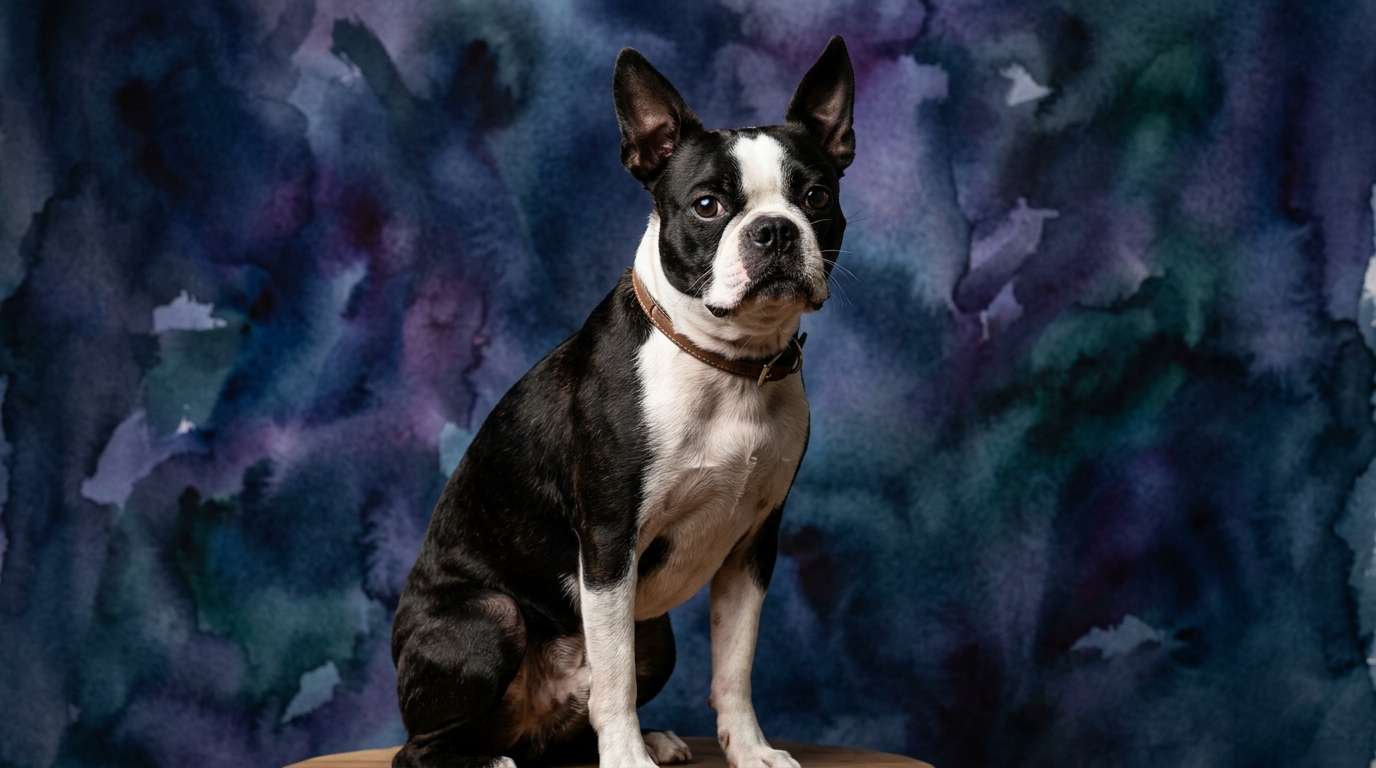
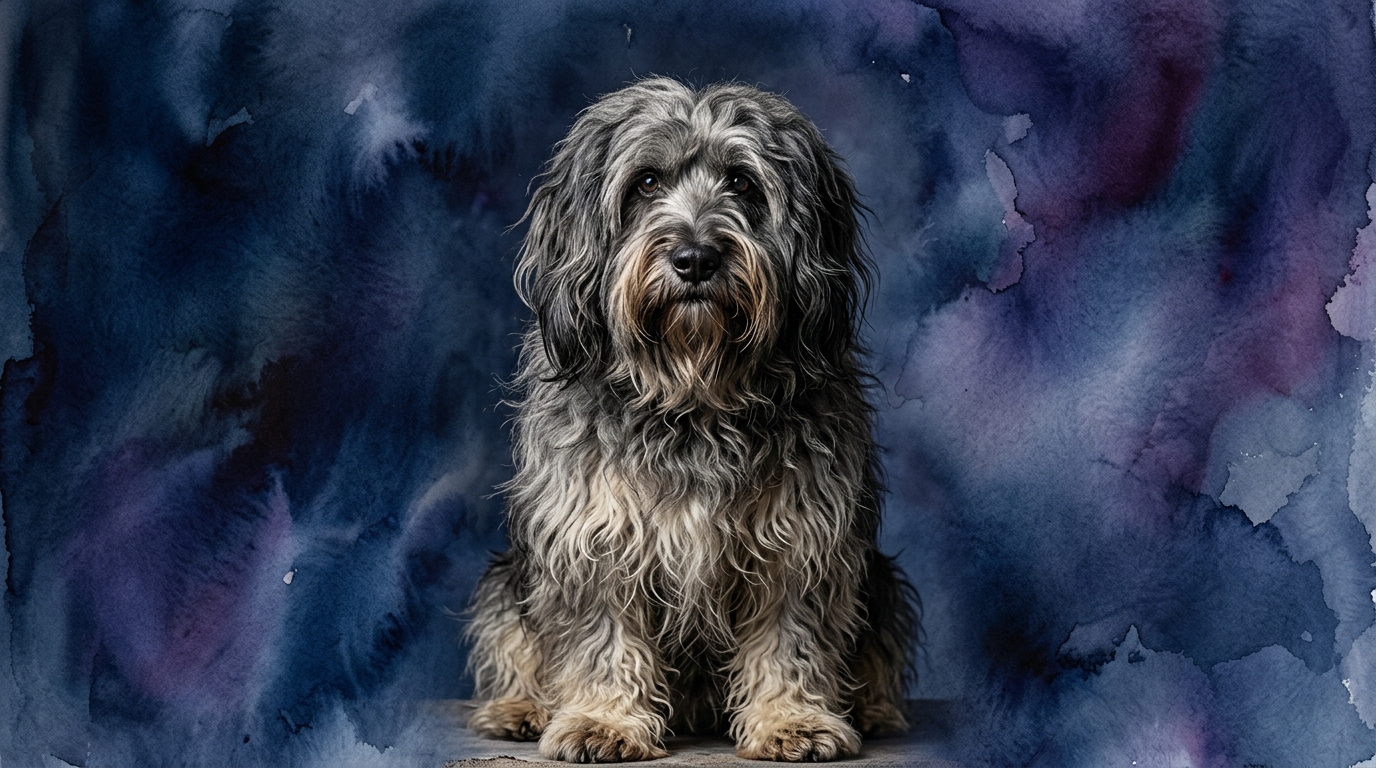
Side-by-Side IQ Profile: Boston Terrier vs. Polish Lowland Sheepdog
The Cosmic Pet Pet IQ Lab employs a multi-dimensional approach to assess canine cognition, moving beyond simplistic notions of 'smartness.' For the Boston Terrier, a member of the Non-Sporting Group, their profile includes a Problem Solving score of 3/5, indicating a moderate capacity for independent thought in novel situations. Their Training Speed is also 3/5, suggesting they grasp new commands and routines at a steady pace. A standout feature is their Social Intelligence at 4/5, reflecting a strong aptitude for understanding human cues and social dynamics. Their Instinctive Drive is rated at 2/5, meaning they possess a relatively low intrinsic motivation for traditional working tasks like herding or hunting, while their Memory stands at 3/5, allowing them to retain learned information reliably. It's worth noting the Boston Terrier holds a Coren rank of #54, placing them squarely in the average working/obedience intelligence category.
In contrast, the Polish Lowland Sheepdog (PON), a Herding Group member, presents a slightly different cognitive fingerprint. They share the same Problem Solving score of 3/5 as the Boston Terrier, indicating similar independent problem-solving capabilities. Their Training Speed also matches at 3/5, suggesting a comparable pace for learning new behaviors. However, their Social Intelligence is rated 3/5, a point lower than the Boston Terrier, implying they might be slightly less attuned to subtle human social signals or perhaps more independent in their interactions. Where the PON distinguishes itself is in its Instinctive Drive, scoring 3/5, which is higher than the Boston Terrier and reflects their inherent predisposition for traditional herding tasks. Their Memory is also 3/5, on par with the Boston Terrier. The Polish Lowland Sheepdog is not listed in Coren's ranking, which often signifies a breed whose primary cognitive strengths lie outside the specific obedience-focused criteria of that particular assessment, often emphasizing more independent, working intelligence.
Where the Boston Terrier Excels Cognitively
The Boston Terrier's primary cognitive advantage lies in its superior Social Intelligence, scoring a 4/5 compared to the Polish Lowland Sheepdog's 3/5. This higher score translates into a dog that is typically more adept at reading and responding to human emotions and intentions. A Boston Terrier is often quicker to pick up on subtle changes in an owner's mood, understand complex social situations within a household, or even anticipate commands based on context rather than just verbal cues. This heightened social awareness makes them exceptionally good companions, able to integrate seamlessly into family life and form deep, nuanced bonds. They often thrive on human interaction and are motivated by social praise and connection, making them particularly responsive to positive reinforcement methods that leverage this social drive.
Where the Polish Lowland Sheepdog Holds the Cognitive Edge
The Polish Lowland Sheepdog, while sharing similar scores in problem-solving and training speed, exhibits a distinct cognitive strength in its Instinctive Drive, scoring 3/5 against the Boston Terrier's 2/5. This higher drive signifies a greater inherent motivation for purposeful work, particularly tasks related to their herding heritage. A PON is more likely to be self-motivated to engage in activities that mimic herding, even if it's just 'herding' family members or toys. This drive translates into a dog that can be highly focused and persistent when given a task, exhibiting a strong work ethic. While not Coren-ranked, their cognitive profile suggests an independent working intelligence, where they are expected to make decisions on their own in complex, dynamic situations, rather than merely following commands. This independence, rooted in their drive, gives them an edge in scenarios requiring self-directed action and sustained purpose.
Ease of Training: Behavioral Differences Unpacked
When considering ease of training, both breeds share a 3/5 Training Speed, suggesting they learn at a comparable, steady rate. However, their differing Social Intelligence and Instinctive Drive scores introduce nuanced behavioral differences that impact the training experience. The Boston Terrier, with its 4/5 Social Intelligence, is often more eager to please and responsive to an owner's emotional state, making them potentially more cooperative in obedience training. Their lower Instinctive Drive means fewer distractions from innate urges to herd or patrol, allowing for a more focused engagement on human-directed tasks. They are often motivated by attention and affection, which are powerful training tools.
The Polish Lowland Sheepdog, conversely, with its 3/5 Social Intelligence and 3/5 Instinctive Drive, might present a different training dynamic. While capable of learning quickly, their stronger instinctive drive can sometimes manifest as independence or a desire to follow their own agenda, especially if the training doesn't align with their inherent working instincts. They may require more creative and engaging training methods that tap into their problem-solving abilities and provide a sense of purpose. While they can be very trainable, their success often hinges on an owner's ability to understand and channel their working drive, rather than simply expecting compliance based on social desire. Consistency and clear, task-oriented training are key for the PON.
Matching Canine Cognition to Owner Lifestyle
For active owners seeking a canine partner for demanding activities, the Polish Lowland Sheepdog might be the more suitable choice. Their higher Instinctive Drive and capacity for independent working intelligence mean they thrive when given a job to do, whether it's agility, herding trials, or long, exploratory hikes that engage their minds and bodies. Owners who enjoy structured activities, mental challenges, and can provide consistent, purpose-driven engagement will find the PON a rewarding companion. They benefit from owners who understand and respect their independent nature and provide outlets for their inherent drives, preventing boredom and potential behavioral issues.
Conversely, the Boston Terrier is often a better fit for more relaxed owners or those seeking a highly social and adaptable companion. Their superior Social Intelligence makes them excellent family dogs, content with being included in daily activities and thriving on companionship rather than needing a demanding 'job.' While they certainly enjoy walks and playtime, their lower Instinctive Drive means they are generally less driven by intense physical or mental tasks. They are typically happier with moderate exercise and ample social interaction, fitting seamlessly into urban living or a calmer home environment where their affectionate and perceptive nature can truly shine. They are ideal for owners who prioritize close companionship and a dog that is highly attuned to their social world.
The Verdict
Choose the Boston Terrier if you prioritize a highly socially intelligent, affectionate companion who thrives on human connection and a more relaxed lifestyle.
Opt for the Polish Lowland Sheepdog if you're an active owner seeking a dog with a strong working drive, independence, and a desire for purpose-driven activities.
🧠 Find Your Pet's IQ Score
Our Pet IQ Lab assessment covers 25+ tests across 5 cognitive dimensions — personalized to your breed.
Take the Full IQ Test →Frequently Asked Questions
Do Boston Terriers and Polish Lowland Sheepdogs learn at the same pace?
Based on their 3/5 Training Speed score for both breeds, they are expected to learn new commands and routines at a comparable, steady rate. Differences in their social intelligence and instinctive drive, however, might influence their motivation during training sessions.
Which breed is better at understanding human emotions?
The Boston Terrier, with its 4/5 Social Intelligence score, is generally better at understanding and responding to human emotions and subtle social cues. The Polish Lowland Sheepdog scores 3/5 in this dimension, indicating a slightly more independent social approach.
Does the Polish Lowland Sheepdog's lack of Coren ranking mean it's less capable?
No, the absence of a Coren ranking for the Polish Lowland Sheepdog does not indicate lower cognitive capability. Coren's ranking primarily assesses obedience and working intelligence in specific contexts, and many breeds with strong independent working drives, like herding dogs, may not fit neatly into those criteria, possessing different, yet equally valuable, cognitive strengths.