The Cosmic Pet Pet IQ Lab Profiles: Boston Terrier vs. Scottish Terrier
At The Cosmic Pet Pet IQ Lab, we assess canine cognition across five crucial dimensions: Problem Solving, Training Speed, Social Intelligence, Instinctive Drive, and Memory. These metrics offer a granular view into a breed's natural predispositions and how they process their environment and interactions.
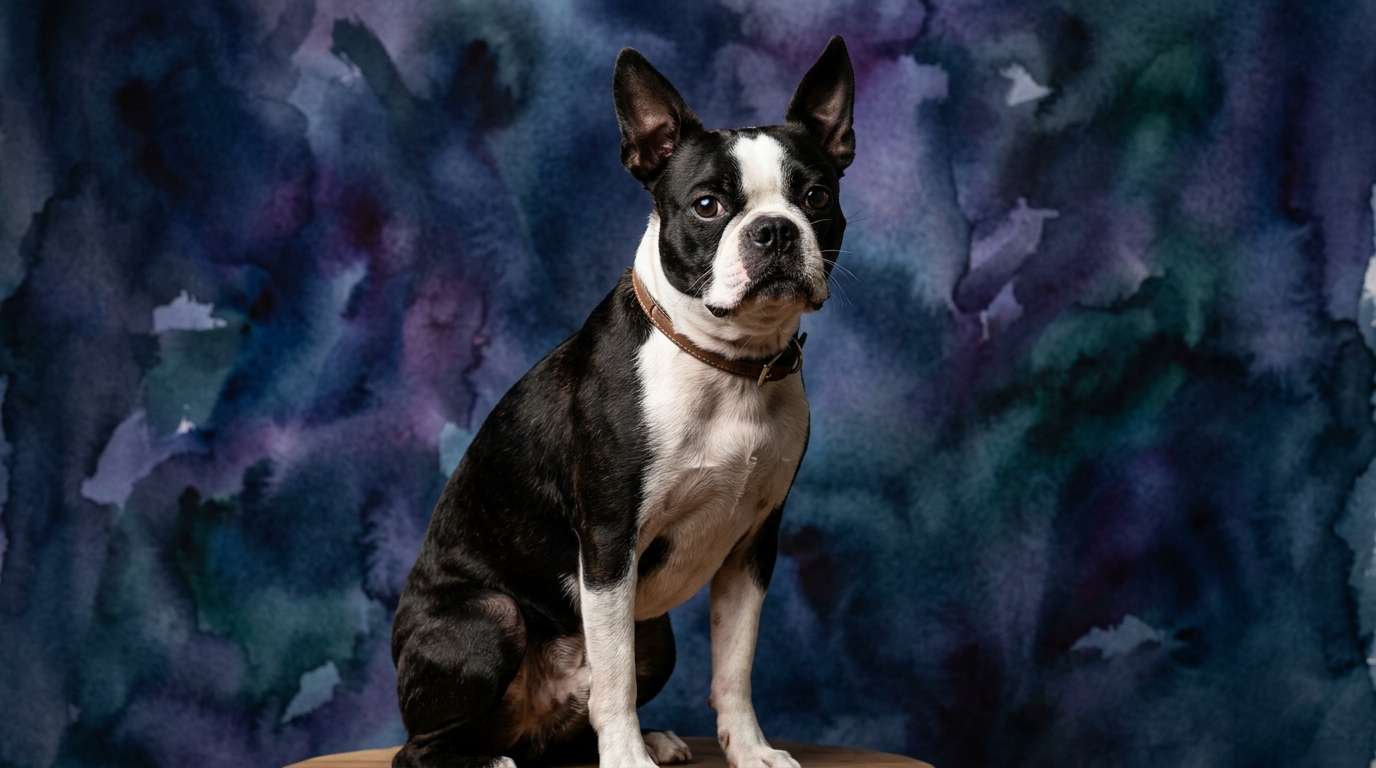
The Boston Terrier, ranked #54 by Coren, presents a profile indicating a balanced and socially attuned companion. They score 3/5 for Problem Solving, demonstrating a moderate capacity for navigating novel challenges. Their Training Speed is also 3/5, suggesting a steady learning pace. Where they truly shine is in Social Intelligence, earning a 4/5, reflecting their strong ability to interpret human cues and bond. Their Instinctive Drive is a lower 2/5, and their Memory stands at a solid 3/5.
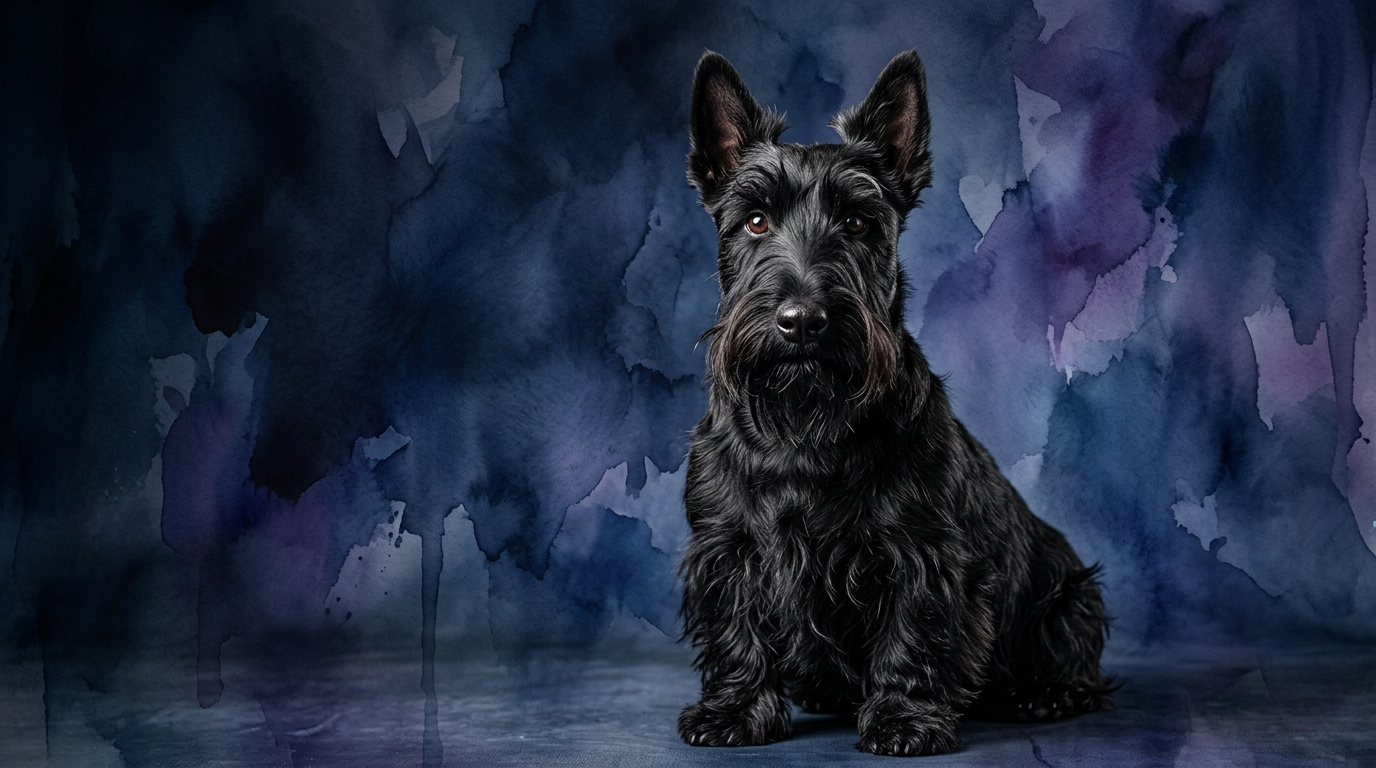
The Scottish Terrier, with a Coren rank of #65, offers a profile that speaks to their independent and robust terrier heritage. They achieve a 3/5 in Problem Solving, indicating a practical, self-reliant approach to obstacles. Their Training Speed is 3/5, similar to the Boston, suggesting they can learn effectively. Social Intelligence for the Scottie is 3/5, showing a good but more reserved connection with humans. A key differentiator is their Instinctive Drive, scoring 3/5, reflecting their inherent terrier traits, while their Memory is also a reliable 3/5.
Boston Terrier's Cognitive Edge
The Boston Terrier's primary cognitive advantage lies in its superior Social Intelligence, scoring a 4/5 compared to the Scottish Terrier's 3/5. This higher score indicates a pronounced aptitude for understanding and responding to human emotional states and non-verbal communication. Boston Terriers are often adept at reading their owners' moods, seeking interaction, and adapting their behavior to social norms within the household, making them particularly harmonious companions.
Furthermore, their lower Instinctive Drive (2/5 versus the Scottie's 3/5) can be a distinct cognitive benefit in a domestic setting. This reduced drive for independent hunting or tracking means Boston Terriers are generally less prone to chasing small animals or having a strong wanderlust. Their focus is more consistently directed towards human interaction rather than environmental stimuli, translating into a dog that often prefers being an engaged participant in family activities over pursuing individualistic endeavors.
Scottish Terrier's Distinct Intellectual Strengths
The Scottish Terrier's cognitive strengths are deeply rooted in their terrier heritage, particularly evident in their Instinctive Drive, which registers a 3/5 compared to the Boston Terrier's 2/5. This score reflects a robust, self-reliant approach to their environment, often manifesting as tenacity and a determined problem-solving mindset, especially when faced with tasks that engage their natural instincts, such as exploring or 'hunting' for hidden toys. This drive fosters a certain independence and resilience.
While their Social Intelligence is a solid 3/5, their Problem Solving (3/5) and Training Speed (3/5) are on par with the Boston Terrier. However, the application of these skills is colored by their inherent drive. A Scottie might use their problem-solving abilities to figure out how to access an intriguing scent or a secure area, rather than solely focusing on human-directed tasks. Their consistent Memory (3/5) ensures that once they learn a behavior or a routine, it is well-retained, contributing to their reliable, albeit often self-directed, nature.
Training Dynamics: Who Learns Faster?
When it comes to formal training, both the Boston Terrier and the Scottish Terrier share a 3/5 score for Training Speed and Problem Solving, suggesting they possess similar underlying capacities for acquiring new commands and navigating novel challenges. This indicates that neither breed is inherently 'slower' to grasp concepts; rather, the *approach* and *motivation* for learning often differ significantly, influenced by their other cognitive dimensions.
The Boston Terrier's higher Social Intelligence (4/5) and lower Instinctive Drive (2/5) generally make them more amenable and enthusiastic students. They are often eager to please their human companions and highly motivated by praise and positive reinforcement, viewing training as a cooperative activity that strengthens their bond. Their focus is less likely to be diverted by independent urges, making them generally more straightforward to guide through obedience exercises and new tricks.
The Scottish Terrier, while equally capable in Problem Solving and Training Speed, often presents a different training dynamic due to their higher Instinctive Drive (3/5) and slightly lower Social Intelligence (3/5). This can translate into a more independent learner who might process commands through the lens of 'what's in it for me' or 'does this align with my current interest?' Training a Scottie requires patience, consistency, and a creative approach that makes learning engaging and rewarding, often tapping into their natural curiosity and drive rather than solely relying on their desire to please. They may require more repetition and motivation to overcome their strong, independent terrier spirit.
Lifestyle Compatibility: Active vs. Relaxed Owners
The Boston Terrier, with its moderate instinctive drive and strong social intelligence, is an excellent fit for owners seeking a companion that thrives on close interaction and a generally relaxed to moderately active household. They are typically content with shorter daily walks, indoor play, and significant cuddle time, making them well-suited for apartment living or urban environments where consistent human presence is abundant. Their desire for companionship means they are happiest when integrated into family activities and close to their people.
The Scottish Terrier, possessing a more pronounced instinctive drive, benefits from owners who appreciate and can channel their terrier energy and independence. While not requiring intense, high-impact exercise, they thrive with purposeful activities that engage their senses and intellect, such as consistent daily walks that allow for sniffing and exploration, secure yard time for digging (if permitted), or interactive puzzle toys. Their independent streak means they can be more tolerant of alone time than a Boston, provided their needs for mental and physical stimulation are adequately met when their owners are present, preventing boredom-driven behaviors.
The Verdict: Choosing Your Canine Companion
The Verdict
Choose the Boston Terrier if you seek a highly social, people-focused companion who thrives on close interaction and is generally more straightforward to motivate in training.
Opt for the Scottish Terrier if you value a robust, independent spirit with a tenacious personality, and are prepared to engage their instinctive drives through consistent, creative training and purposeful activities.
🧠 Find Your Pet's IQ Score
Our Pet IQ Lab assessment covers 25+ tests across 5 cognitive dimensions — personalized to your breed.
Take the Full IQ Test →Frequently Asked Questions
Do Boston Terriers bark a lot?
Boston Terriers, with their strong social intelligence, often use barking as a form of communication, especially when seeking attention or alerting to new arrivals. However, their lower instinctive drive means they are less prone to incessant territorial barking compared to some other breeds, and their vocalizations are often manageable with consistent training.
Are Scottish Terriers good with children?
Scottish Terriers, while loyal to their families, possess a more independent nature and a stronger instinctive drive. They can be good with respectful children, but their patience may be less flexible than a Boston Terrier's, requiring careful supervision and early socialization to ensure harmonious interactions and mutual respect.
Which breed is more prone to separation anxiety?
Given the Boston Terrier's higher social intelligence and profound desire for human companionship, they might be more susceptible to separation anxiety if left alone for extended periods without adequate preparation. The Scottish Terrier's more independent nature often makes them more tolerant of solitude, provided they receive sufficient mental and physical stimulation when their owners are present.