Side-by-Side IQ Profile
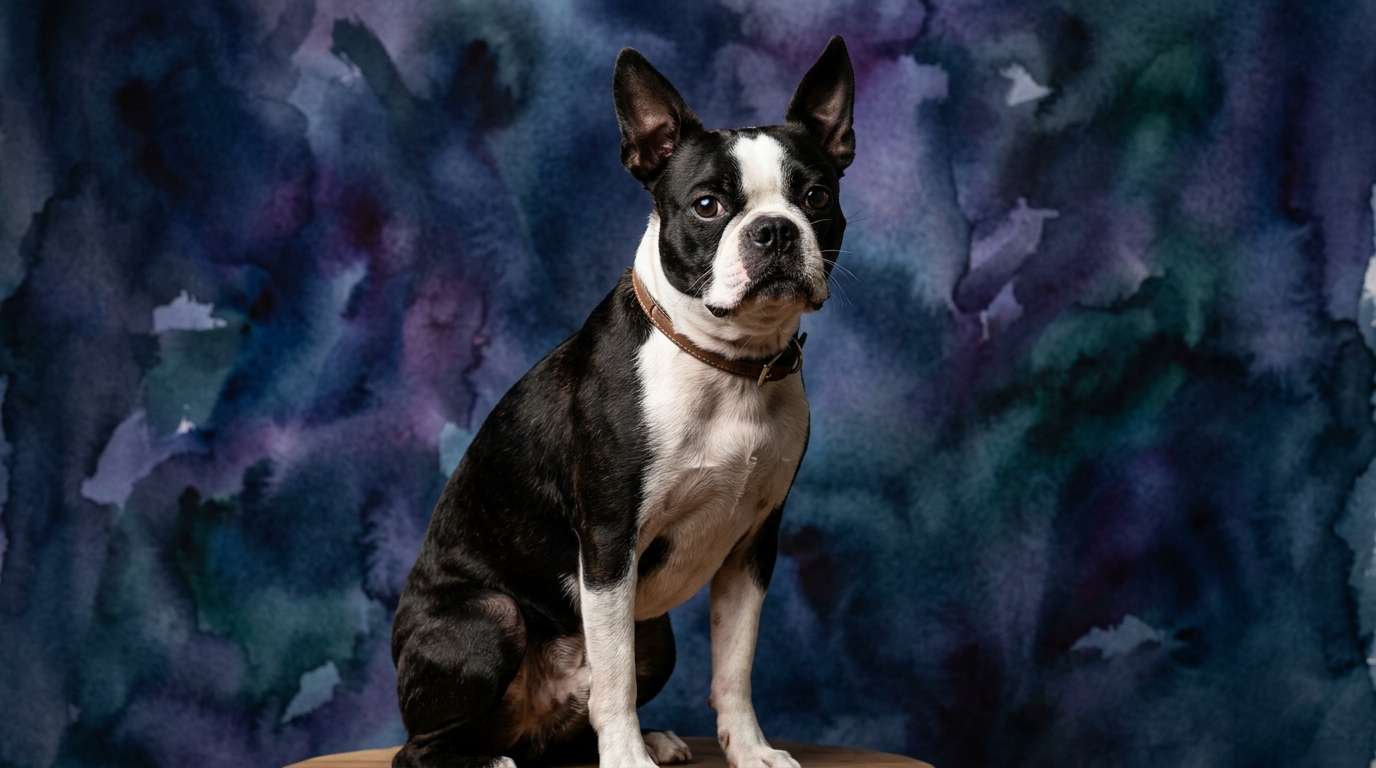
The Boston Terrier, Coren ranked #54, shows a balanced, socially-oriented cognitive profile. Problem Solving is 3/5, indicating moderate capacity for new tasks, usually needing guidance. Training Speed is also 3/5, suggesting average learning pace with consistent reinforcement. Their standout is Social Intelligence at 4/5; these dogs are highly attuned to human emotions and cues, making them empathetic companions. Instinctive Drive is lower at 2/5, meaning less primal compulsion and a preference for human interaction. Memory is 3/5, allowing consistent retention of behaviors.
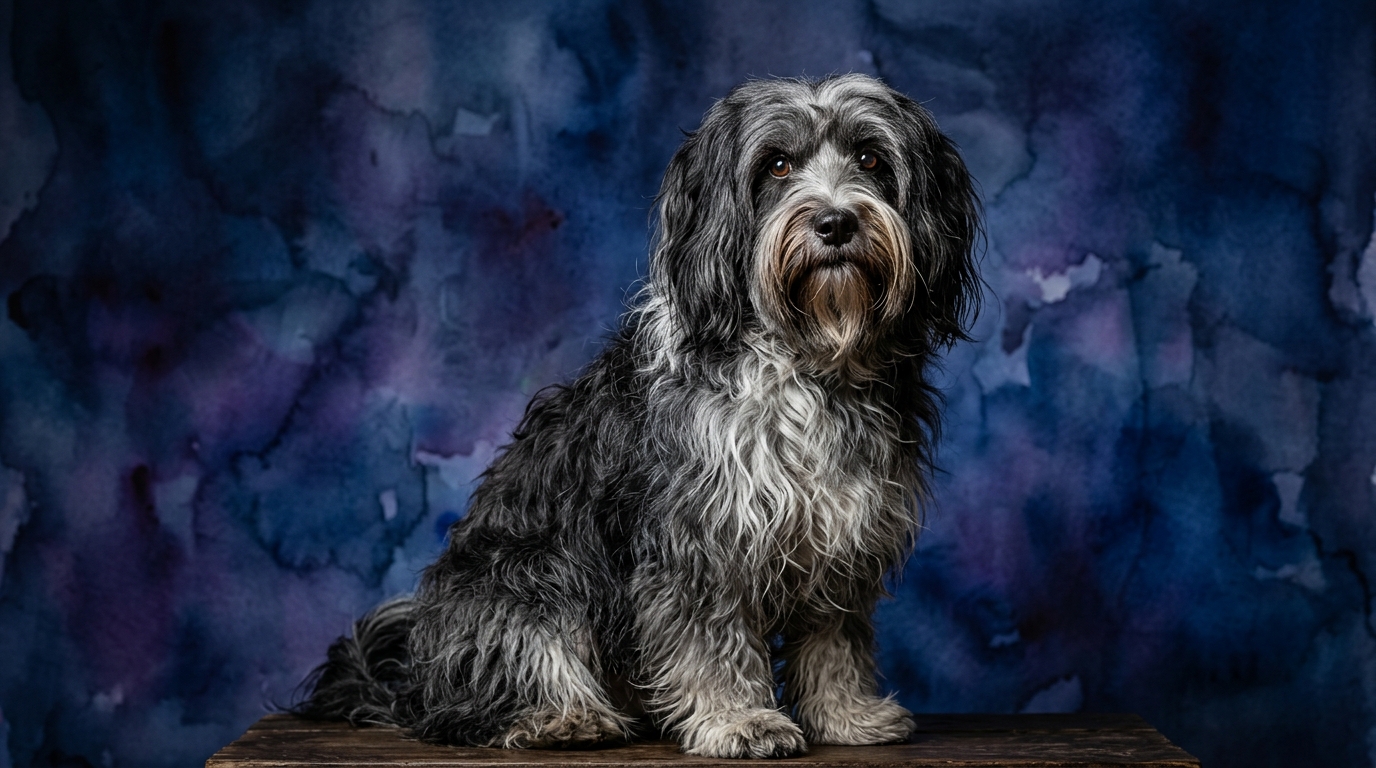
The Tibetan Terrier, Coren ranked #63, shares cognitive similarities but emphasizes core drives differently. Problem Solving mirrors the Boston Terrier at 3/5, showing similar analytical thought and adaptation. Training Speed is 3/5, implying average learning with clear instruction. Social Intelligence is 3/5, adept at bonding and understanding dynamics, yet with a slightly more independent streak. Their Instinctive Drive is higher at 3/5, suggesting pronounced internal motivation for exploration or guarding, a legacy of their historical role. Memory is 3/5, enabling reliable recall.
Where the Boston Terrier Wins Cognitively
The Boston Terrier's primary cognitive advantage lies in its superior Social Intelligence, scoring 4/5 compared to the Tibetan Terrier's 3/5. This higher score translates into a dog exceptionally attuned to subtle human cues, more likely to anticipate a handler's mood or adjust behavior based on vocal tone. This makes them remarkably empathetic and intuitive companions, often seeming to 'read' their owners. Their lower Instinctive Drive (2/5) further enhances this social focus, as they are less distracted by environmental stimuli, preferring direct human engagement. This combination results in a dog thriving on close interaction and integrating seamlessly into a family's emotional landscape.
Where the Tibetan Terrier Wins Cognitively
The Tibetan Terrier's distinct cognitive strength is observed in its Instinctive Drive, rated 3/5, surpassing the Boston Terrier's 2/5. This indicates a more robust inherent motivation for activity and independent thought, a legacy of their roles as companion and alert sentinel. This higher drive means they possess natural curiosity and a greater inclination to explore their environment, investigate scents, and engage in more self-directed activities. While their Social Intelligence (3/5) is also strong, it is often tempered by this independent spirit. This blend makes them more resilient and adaptable in varied settings, capable of making sound decisions without constant human instruction, and often more robustly motivated for persistent tasks.
Which is Easier to Train and Why
While both have 3/5 Training Speed, the Boston Terrier's higher Social Intelligence (4/5) makes them generally easier to train for obedience. Their strong desire to please and sensitivity to human feedback mean high motivation from praise and positive interaction, striving to meet expectations. They quickly pick up subtle trainer cues, making communication efficient. A Boston Terrier maintains focus during sessions, less distracted by external factors due to lower Instinctive Drive. This attentiveness and social eagerness make training more collaborative and rewarding.
The Tibetan Terrier, with 3/5 Social Intelligence and 3/5 Instinctive Drive, are capable learners, but their approach needs nuance. Their moderate instinctive drive means some independence, occasionally showing as a thoughtful pause or momentary diversion. Not stubborn, but they weigh situations. Consistency, patience, and engaging, rewarding training are paramount. Owners find that while they grasp commands, sustained focus requires varied reinforcement and understanding their independent spirit.
Which Suits Active Owners vs. Relaxed Owners
For relaxed owners seeking a devoted, emotionally attuned companion, the Boston Terrier is ideal. Their lower Instinctive Drive (2/5) means they are content with moderate daily exercise: indoor games, short walks, and ample cuddle time over strenuous adventures. Exceptional Social Intelligence (4/5) ensures effortless integration into family life, often content just being near humans, offering quiet companionship. They thrive on emotional connection, less likely to become restless if physical activity is limited, making them excellent apartment dwellers.
Active owners appreciating a dog with more independent spirit and physical resilience might find the Tibetan Terrier more suitable. Their moderate Instinctive Drive (3/5) suggests a greater natural inclination for activity, exploration, and engagement. While not requiring extreme endurance, they enjoy longer walks, hikes, or dog sports like agility. Their robust build and historical utility suit varied outdoor environments. Owners incorporating their dog into daily activities involving exploration will appreciate the Tibetan Terrier's thoughtful participation and robust energy levels, finding a partner for moderate adventure.
The Verdict
Opt for the Boston Terrier if you seek an exceptionally socially intelligent and empathetic companion who thrives on close human connection and is content with a more relaxed, indoor-centric lifestyle.
Select the Tibetan Terrier if you desire a thoughtful, moderately independent companion with a robust instinctive drive, suitable for more varied activities and owners who appreciate a dog with a greater inclination for exploration.
🧠 Find Your Pet's IQ Score
Our Pet IQ Lab assessment covers 25+ tests across 5 cognitive dimensions — personalized to your breed.
Take the Full IQ Test →Frequently Asked Questions
Do Boston Terriers or Tibetan Terriers adapt better to apartment living?
Boston Terriers generally adapt very well to apartment living due to their lower instinctive drive and strong social intelligence, making them content with less space as long as they are close to their human family. Tibetan Terriers can also do well in apartments, but their moderate instinctive drive means they will require more consistent and engaging outdoor exercise to satisfy their exploratory urges.
Which breed is more likely to be a 'velcro dog'?
The Boston Terrier, with its superior social intelligence and lower instinctive drive, is more likely to exhibit 'velcro dog' tendencies, preferring to be constantly by their owner's side and highly attuned to their presence. Tibetan Terriers are affectionate but their moderate instinctive drive often grants them a bit more independence.
Are there significant differences in their problem-solving approaches?
Both breeds share a 3/5 problem-solving score, suggesting similar capabilities. However, a Boston Terrier might lean on human interaction for cues due to their social intelligence, while a Tibetan Terrier might employ a slightly more independent, observant approach, drawing on its moderate instinctive drive to assess situations.