
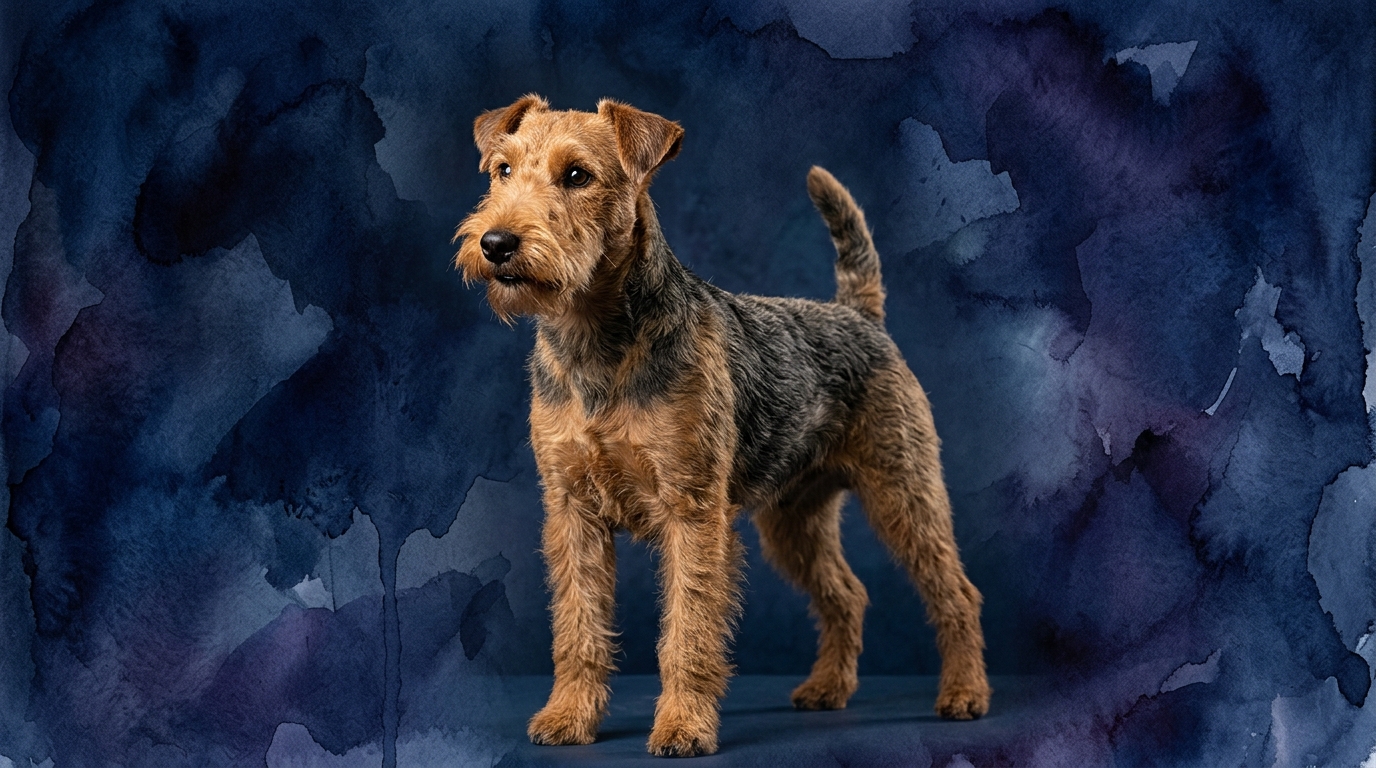
Side-by-Side IQ Profile: Boston Terrier vs. Welsh Terrier
The Cosmic Pet Pet IQ Lab employs five key dimensions to evaluate canine intelligence, offering a detailed look into how each breed processes information and interacts with its environment. Understanding these facets provides a clearer picture of their inherent cognitive strengths.
**Boston Terrier (Non-Sporting Group, Coren Rank #54)**
**Problem Solving (3/5):** Boston Terriers demonstrate a practical approach to problem-solving, adept at navigating their immediate environment to achieve simple goals like retrieving a favorite toy from under furniture or figuring out the routine for a walk. Their methods often involve trial-and-error based on past successes, rather than devising complex, novel solutions. They excel when tasks are presented clearly within a familiar context.
**Training Speed (3/5):** Learning new commands is a moderate endeavor for the Boston Terrier. They respond well to consistent, positive reinforcement, and their desire to engage with their human companions often translates into a willingness to participate in training sessions. Progress is steady rather than rapid, building on repetition and clear cues.
**Social Intelligence (4/5):** This is a standout trait for the Boston Terrier. They possess a remarkable capacity to read human emotions, often adjusting their demeanor to match their owner's mood. Their empathetic nature allows for deep emotional bonds, making them highly responsive to subtle social cues and excellent at providing comfort or companionship precisely when needed.
**Instinctive Drive (2/5):** Bred primarily for companionship, the Boston Terrier exhibits a relatively low instinctive drive. Their natural urges to hunt, dig, or guard territory are minimal, making them less prone to chasing small animals or excessive barking at perceived threats. This low drive contributes to their adaptability to various living situations.
**Memory (3/5):** Boston Terriers have a reliable memory, easily recalling learned commands, routines, and the identities of people and places. They remember positive interactions and can also retain lessons from less pleasant experiences, shaping their future behaviors and preferences effectively.
**Welsh Terrier (Terrier Group, Not Coren-Ranked)**
**Problem Solving (3/5):** The Welsh Terrier approaches problems with a distinct terrier tenacity. They are resourceful and persistent, especially when motivated by a challenge that taps into their natural instincts, such as finding a hidden object or navigating an obstacle course. Their problem-solving often involves determined exploration and a refusal to give up easily.
**Training Speed (3/5):** While capable of learning new commands at a moderate pace, the Welsh Terrier's independent spirit can sometimes present a challenge in training. They require engaging, varied sessions to maintain interest and benefit from clear, firm, and consistent guidance. Their intelligence is apparent, but their willingness to comply can be selective.
**Social Intelligence (3/5):** Welsh Terriers are affectionate and form strong bonds with their families, understanding social dynamics within their human "pack." Their social intelligence is more direct, focused on interactions and play, rather than the subtle emotional mirroring seen in some companion breeds. They respond well to clear communication and consistent expectations.
**Instinctive Drive (3/5):** True to their terrier heritage, Welsh Terriers possess a moderate instinctive drive. This manifests as a natural inclination to dig, chase, and explore, making them energetic and curious about their surroundings. This drive, while requiring management, can be a valuable asset when channeled into activities like earthdog trials or agility.
**Memory (3/5):** Welsh Terriers have a good memory for their environment, routines, and learned behaviors. They can recall past experiences and adapt their actions based on what they've encountered. This memory aids in their ability to navigate familiar territories and remember the rules of their household.
Where the Boston Terrier Wins Cognitively
The Boston Terrier's clear cognitive advantage lies in its social intelligence, scoring 4/5 compared to the Welsh Terrier's 3/5. This heightened capacity means a Boston Terrier is exceptionally attuned to human emotions and subtle cues, often anticipating an owner's mood or needs without explicit commands. They demonstrate a remarkable ability to read facial expressions, body language, and vocal tones, translating into an empathetic presence that can offer comfort during distress or mirror joy during play. This deep emotional understanding fosters a profoundly connected companionship, making them intuitively responsive to their human family's unspoken thoughts. Their adeptness at navigating social interactions smoothly contributes to their generally agreeable nature and adaptability within diverse household dynamics.
Where the Welsh Terrier Wins Cognitively
The Welsh Terrier distinguishes itself with a slightly higher instinctive drive, scoring 3/5 compared to the Boston Terrier's 2/5. While not always perceived as a "win" for ease of ownership, this robust drive signifies a more profound engagement with the natural world and a deeper well of inherent motivation. This means a Welsh Terrier possesses stronger natural urges for activities like chasing, digging, and exploring, which can be a tremendous asset for owners who appreciate and can channel these behaviors. Their drive provides a persistent focus when engaged in tasks that mimic their historical working roles, fostering a tenacious spirit and an independent problem-solving approach rooted in their inherent canine instincts. This tenacity allows them to pursue goals with remarkable determination, making them excellent candidates for certain performance sports.
Which is Easier to Train and Why
When considering ease of training, the Boston Terrier generally presents a more straightforward experience. Both breeds share a "training speed" score of 3/5, indicating they learn at a moderate pace. However, the Boston Terrier's superior social intelligence (4/5) and lower instinctive drive (2/5) significantly contribute to their trainability. Their eagerness to please and their sensitivity to human cues mean they are often more motivated by positive reinforcement and the desire for social approval. They are less likely to be distracted by external stimuli like squirrels or intriguing scents, as their innate urges to chase or explore are less pronounced. This focus on their human handler makes them more receptive to commands and quicker to form good habits through consistent, gentle guidance, thriving on the collaborative aspect of training.
The Welsh Terrier, despite its comparable training speed, can be more challenging due to its moderate instinctive drive (3/5) and slightly lower social intelligence (3/5). Their terrier independence means they often have their own agenda, and their natural urges to investigate or pursue perceived prey can easily override a handler's command. Training a Welsh Terrier requires more creativity, patience, and a firm but fair approach. Owners must work to consistently capture their attention and convince them that compliance is more rewarding than following their independent instincts, often necessitating more engaging and varied training methods to prevent boredom and harness their tenacious spirit effectively.
Which Suits Active Owners vs. Relaxed Owners
For relaxed owners seeking a calm, affectionate companion, the Boston Terrier is often the more suitable choice. Their relatively low instinctive drive (2/5) means they are generally content with moderate daily exercise, such as a couple of walks and indoor playtime. They adapt well to apartment living and do not typically require extensive outdoor "work" or high-intensity activities to feel fulfilled. Their primary joy comes from close companionship and being an integral part of family life, making them ideal for individuals or families who prefer a more sedate pace but still appreciate an engaging and responsive dog.
Conversely, the Welsh Terrier is better suited for active owners who can provide consistent outlets for their moderate instinctive drive (3/5). These dogs thrive on engaging activities that tap into their natural terrier inclinations for exploration, chasing, and mental stimulation. Long walks, hiking, active games of fetch, agility training, or even earthdog trials can provide the necessary physical and mental engagement to keep a Welsh Terrier happy and well-adjusted. Owners who enjoy an outdoor lifestyle and are prepared to dedicate time to structured play and training will find the Welsh Terrier an energetic and enthusiastic partner, preventing potential boredom-related behaviors by channeling their inherent zest for life productively.
The Verdict
If you seek a deeply empathetic, socially attuned companion who thrives on close human interaction and requires moderate daily exercise, the Boston Terrier is an excellent choice. They are often more adaptable to varied living situations and prioritize companionship.
If you are an active owner looking for a tenacious, engaging partner for outdoor adventures and enjoy channeling a dog's natural instincts into stimulating activities, the Welsh Terrier will be a rewarding addition. Their independent spirit requires consistent engagement.
🧠 Find Your Pet's IQ Score
Our Pet IQ Lab assessment covers 25+ tests across 5 cognitive dimensions — personalized to your breed.
Take the Full IQ Test →Frequently Asked Questions
Are Boston Terriers good with children?
Yes, their high social intelligence and generally gentle nature make them wonderful family pets, often showing patience and affection towards children. Supervision is always recommended, but they typically integrate well into family dynamics.
Do Welsh Terriers require a lot of grooming?
Welsh Terriers have a wiry double coat that requires regular brushing to prevent matting and professional hand-stripping or clipping every few months to maintain coat health and appearance. This is more involved than the Boston Terrier's minimal grooming needs.
What is the main difference in temperament between these two breeds?
The Boston Terrier typically exhibits a more agreeable, people-focused temperament due to their higher social intelligence. The Welsh Terrier, while affectionate, often displays a more independent and spirited terrier temperament, driven by their natural instincts.