Side-by-Side Cognitive Profile: Deciphering Identical Scores
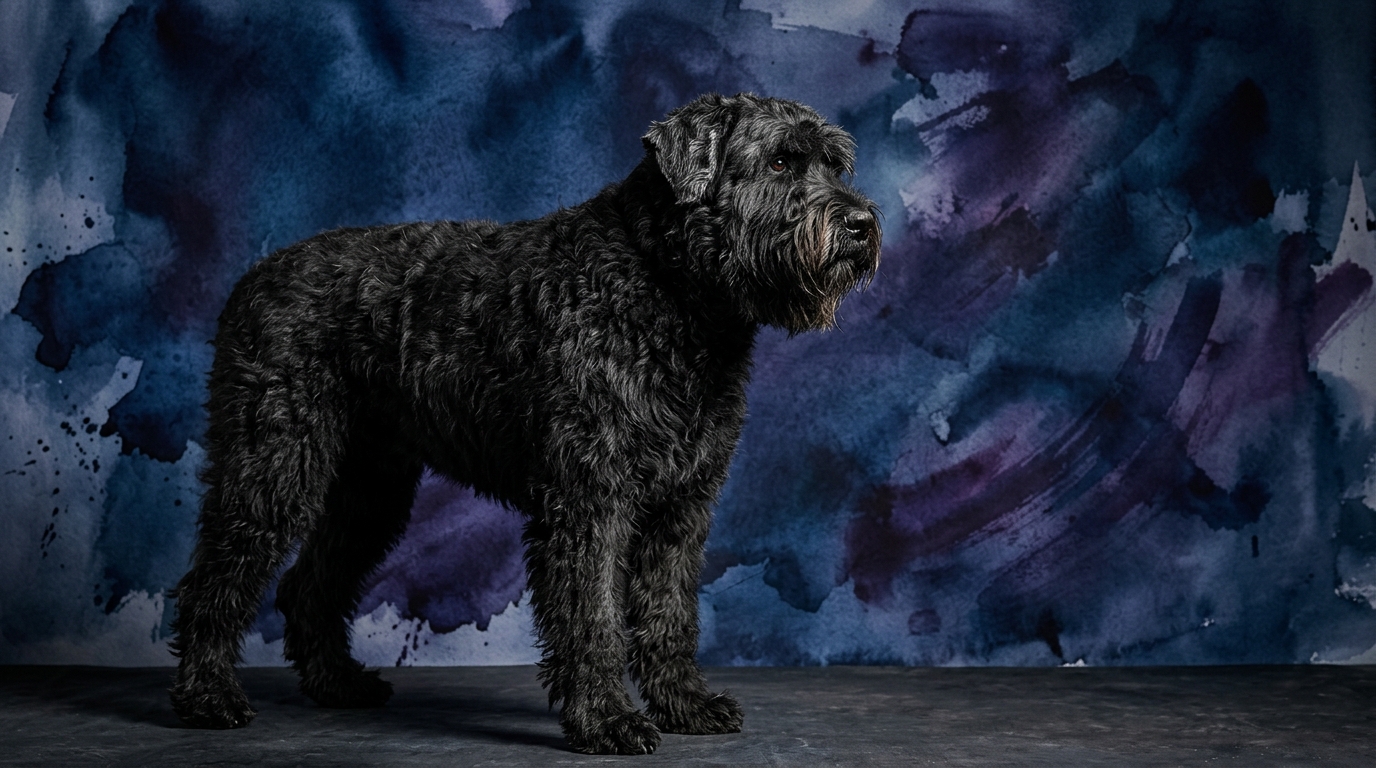
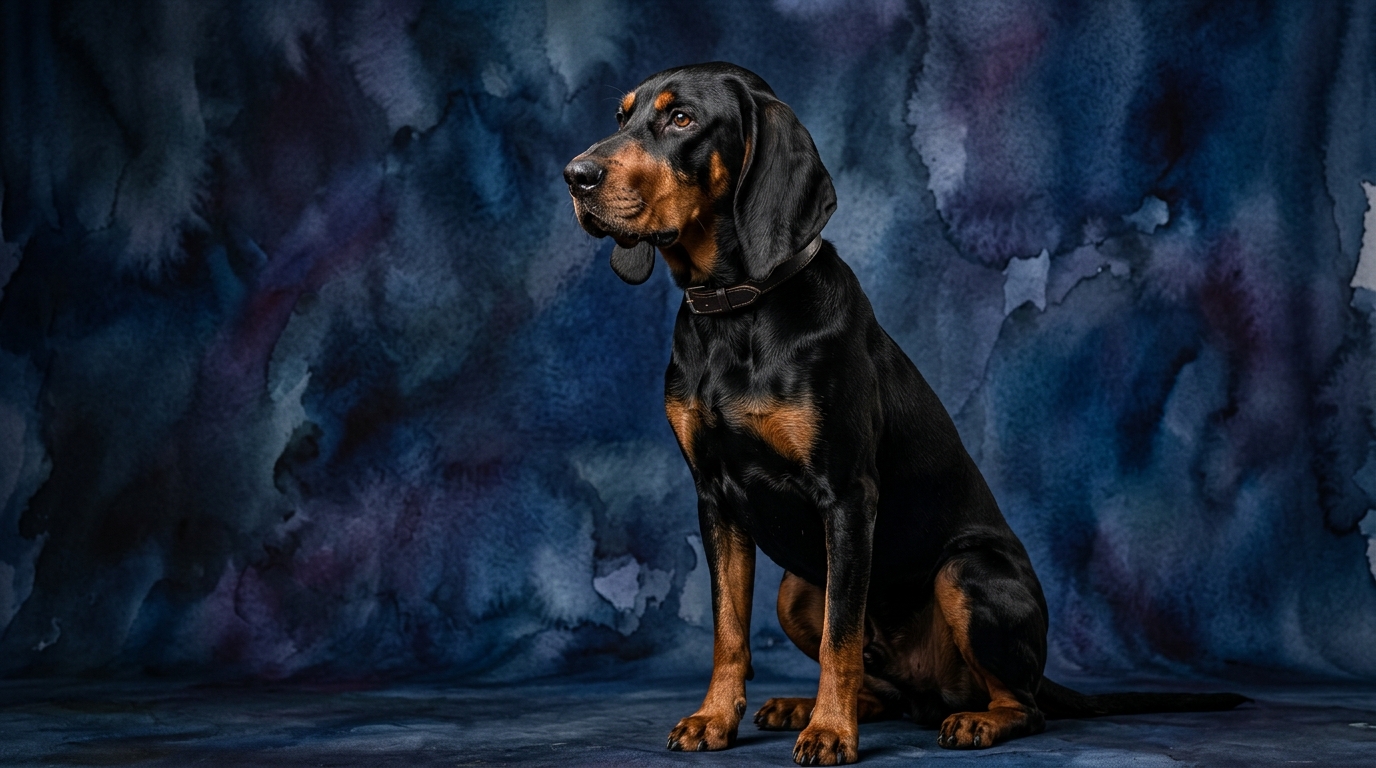
While both the Bouvier des Flandres and the Black and Tan Coonhound are rated 3/5 across all five cognitive dimensions by The Cosmic Pet Pet IQ Lab, the manifestation of these scores is deeply rooted in their breed-specific purposes. A numerical equivalence here does not imply identical cognitive processes or behavioral outcomes; instead, it invites a deeper exploration into the specialized forms of intellect each breed embodies.
For Problem Solving (3/5), the Bouvier des Flandres demonstrates a capacity for tactical thinking in dynamic, multi-variable situations. Their problem-solving often involves anticipating livestock movements, strategically positioning themselves, and adapting to a fluid environment to manage a herd. This requires a blend of observation and proactive decision-making. The Black and Tan Coonhound, conversely, exhibits 3/5 problem-solving through persistent, methodical deduction within a sensory landscape. Their primary cognitive challenge is to find and follow a scent trail, interpreting subtle olfactory cues, distinguishing nuances, and navigating complex terrain independently to stay on track. Their intellect is intensely focused on a singular, compelling objective.
Regarding Training Speed (3/5), a Bouvier typically absorbs new commands and routines at a steady, reliable pace, often enjoying the collaborative process with their human. Their herding background fosters a desire to understand and respond to human directives, making them generally receptive to consistent training and capable of learning complex sequences. The Coonhound's 3/5 training speed means they are equally capable learners, yet their motivation is powerfully influenced by their own instincts. While they can learn commands, their attention can be significantly diverted by an intriguing scent, meaning training progress may be steady but compliance under distraction requires considerable patience.
Social Intelligence (3/5) in a Bouvier often translates to a discerning understanding of their family unit and their role as a watchful protector. They are observant of human moods and routines, forming deep bonds and often understanding subtle social cues from their handlers during work. For a Coonhound, 3/5 social intelligence is often expressed through amiable interactions within a 'pack' structure, whether canine or human. They are generally tolerant and affectionate with their family, but their independent streak means they might not always seek constant interaction, preferring to follow their nose or nap nearby.
Instinctive Drive (3/5) for the Bouvier is powerfully channeled towards herding and guarding, manifesting as a strong desire to gather, protect, and control, often extending to their human family. This natural inclination to organize and manage, coupled with a vigilant nature, provides them with a strong sense of purpose. The Coonhound's 3/5 instinctive drive is almost entirely dominated by their scenting ability and the pursuit of a trail. This drive is incredibly potent and singularly focused; once a compelling scent is detected, their world narrows to that singular objective, often overriding most other stimuli.
Finally, Memory (3/5) in a Bouvier supports their capacity for complex tasks and routines, allowing them to recall command sequences, established boundaries, and learned behaviors of livestock. This memory is crucial for their work, enabling them to build upon past experiences and apply learned solutions. For a Coonhound, 3/5 memory is primarily dedicated to their sensory experiences, particularly scent memory. They can remember specific trails, the scent of particular animals, and the layout of hunting grounds with remarkable accuracy, a cornerstone of their tracking prowess.
Where the Bouvier des Flandres Wins Cognitively
The Bouvier des Flandres truly excels in cognitive areas requiring a blend of strategic oversight and responsive collaboration. Their 3/5 problem-solving, while numerically shared, manifests as a superior ability to manage dynamic situations involving multiple moving parts or individuals. They can anticipate outcomes, adjust tactics on the fly, and demonstrate a proactive rather than reactive approach to challenges, particularly those involving organization or protection. This breed’s social intelligence is often geared towards interpreting human intent and working with their handler as a partner, making them adept at understanding complex, multi-step directions and adapting their behavior to fit a team objective. Their memory supports a strong recall of complex routines and sequential commands, reinforcing their reliability in structured environments.
Where the Black and Tan Coonhound Wins Cognitively
The Black and Tan Coonhound's cognitive strengths lie in their unparalleled sensory processing and singular focus, particularly within their 3/5 problem-solving and memory ratings. Their ability to dissect and interpret a complex world of scents is a cognitive marvel, allowing them to piece together an invisible narrative from faint olfactory cues. This specialized form of problem-solving is about relentless deduction and unwavering persistence, often requiring them to ignore all other stimuli to achieve their goal. Their memory, especially for scent trails and spatial layouts encountered during a hunt, is exceptionally robust within its niche. They exhibit a remarkable capacity for independent decision-making when on a trail, demonstrating a self-directed cognitive process geared towards achieving their primary instinctive drive.
Which Is Easier to Train and Why
While both breeds hold a 3/5 in training speed, the ease of training can differ significantly due to their underlying behavioral drivers. The Bouvier des Flandres, with its herding heritage, generally possesses a stronger innate desire to partner with and please its handler. Their social intelligence and instinctive drive for organization mean they often seek direction and find satisfaction in performing tasks given by a human. This makes them typically more receptive to obedience training, as their motivation aligns with working collaboratively. A Bouvier's 3/5 training speed means they will steadily learn and retain commands, often eager to engage in structured learning sessions. The Black and Tan Coonhound, however, presents a different training dynamic. While equally capable of learning at a 3/5 pace, their powerful instinctive drive for scent work means their focus can be overwhelmingly hijacked by an interesting smell. A Coonhound might understand a 'stay' command perfectly in a quiet room, but the moment a compelling scent hits their nose outdoors, their independent, tracking-focused brain often overrides learned obedience. Training a Coonhound requires immense patience, creativity, and a deep understanding of their scent-driven nature, often needing to incorporate their instincts into training rather than fighting them. Therefore, for general obedience and reliability in varied environments, the Bouvier is often perceived as the 'easier' of the two to train due to their inherent cooperativeness.
Which Suits Active Owners vs. Relaxed Owners
Neither the Bouvier des Flandres nor the Black and Tan Coonhound are well-suited for truly relaxed owners, as both require significant engagement to thrive. The Bouvier des Flandres is best suited for active owners who relish providing structure, mental stimulation, and a sense of purpose. These owners should be prepared for consistent training, engaging in dog sports like obedience, agility, or even simulated herding, and offering ample opportunities for problem-solving tasks. They need an owner who can be a strong, consistent leader and partner, channeling their protective and organizational instincts positively.
The Black and Tan Coonhound, conversely, suits active owners who appreciate independence and are willing to accommodate a dog deeply driven by its nose. These owners must provide extensive opportunities for scent exploration through long, leash-led walks in varied environments, tracking games, or even actual scent work. While they need robust physical activity, their mental exercise comes primarily from satisfying their powerful olfactory drive. An owner who understands and respects their independent, often vocal, nature will find a loyal companion, but one who may choose a compelling scent over a direct command.
The Verdict
Choose the Bouvier des Flandres if you seek a vigilant, collaborative partner who thrives on structured tasks, desires to work with you, and offers a discerning protective presence.
Opt for the Black and Tan Coonhound if you appreciate independent, scent-driven dogs, are prepared to indulge their formidable olfactory instincts, and value a loyal companion whose primary joy comes from following a trail.
🧠 Find Your Pet's IQ Score
Our Pet IQ Lab assessment covers 25+ tests across 5 cognitive dimensions — personalized to your breed.
Take the Full IQ Test →Frequently Asked Questions
Can a Bouvier des Flandres be a good family dog despite its working background?
Yes, Bouviers can integrate wonderfully into family life, often being protective and devoted. They thrive with consistent guidance, early socialization, and a family willing to engage their minds and bodies regularly, ensuring their protective instincts are well-managed.
Do Black and Tan Coonhounds bark a lot?
Black and Tan Coonhounds are known for their distinctive "baying" vocalizations, particularly when on a scent or excited. While not constant, their vocal nature is a significant breed trait that prospective owners should be prepared for, especially if they are left alone for extended periods or bored.
How do these breeds typically interact with other pets?
Bouviers, with proper socialization, can coexist peacefully with other pets, though their herding instinct might prompt them to "manage" smaller animals. Coonhounds are generally amiable and can get along with other dogs, often having a pack mentality, but their strong prey drive means careful introductions and supervision are needed with smaller, non-canine pets.