Side-by-Side Cognitive Profile: Unpacking the 3/5 Scores
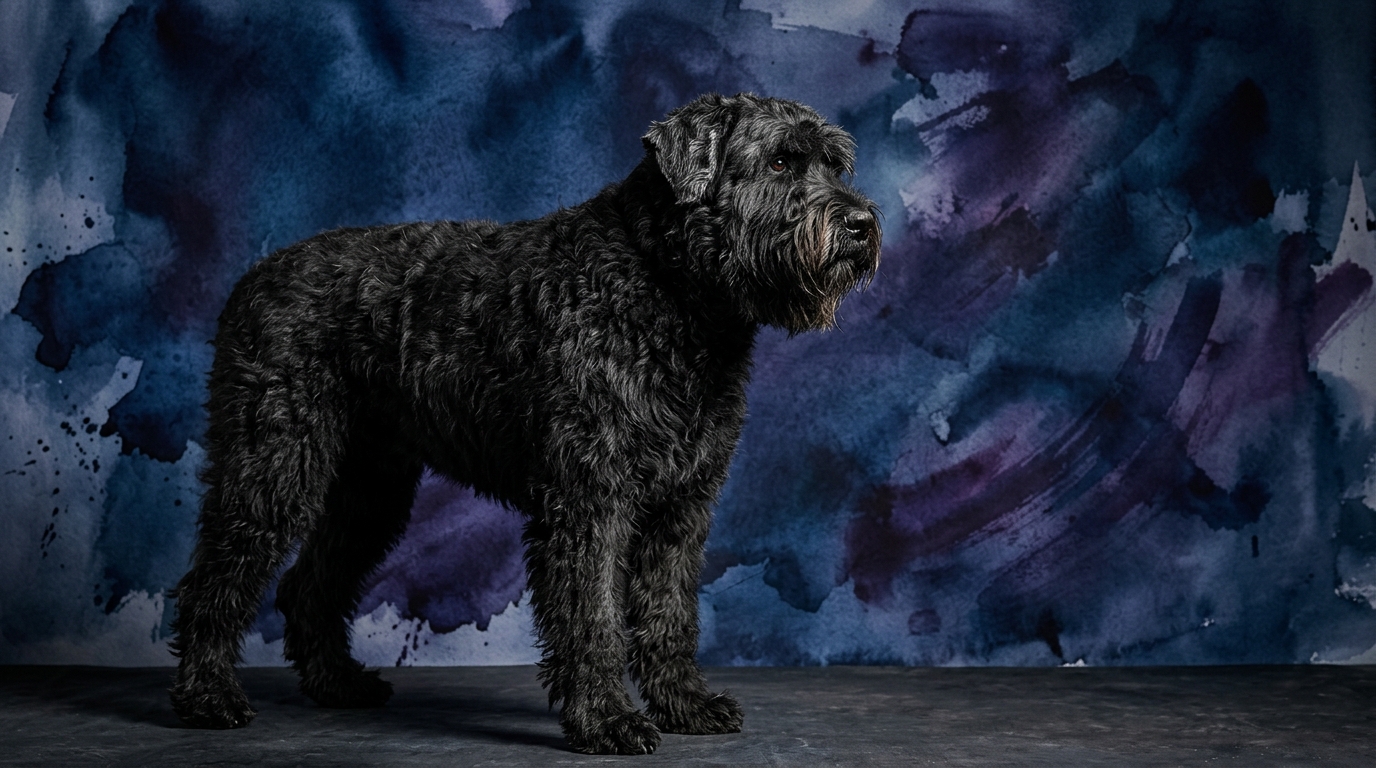
At The Cosmic Pet Pet IQ Lab, both the Bouvier des Flandres and the Black Russian Terrier consistently score 3 out of 5 across all five measured cognitive dimensions, indicating a robust, capable intellect that is neither overly simplistic nor uniquely exceptional. This shared baseline, however, belies distinct cognitive styles rooted in their breed purposes. For the Bouvier des Flandres, a problem-solving score of 3/5 reflects a methodical approach to challenges, often observed in their historical role of managing livestock; they assess situations with a calm, discerning focus before acting. Their training speed, also 3/5, suggests they absorb commands at a steady pace, requiring consistency but capable of mastering complex tasks over time, often driven by a desire to cooperate with their handler. Social intelligence at 3/5 means they are perceptive of their family's emotions and household dynamics, forming deep bonds while maintaining a reserved demeanor with strangers, a trait valuable for a protective herding dog. Their instinctive drive of 3/5 is primarily channeled into herding and guarding, with a strong sense of territory and a natural inclination to keep their 'flock' together. Finally, a memory score of 3/5 indicates reliable retention of learned behaviors, routines, and experiences, crucial for consistent performance in their working roles.
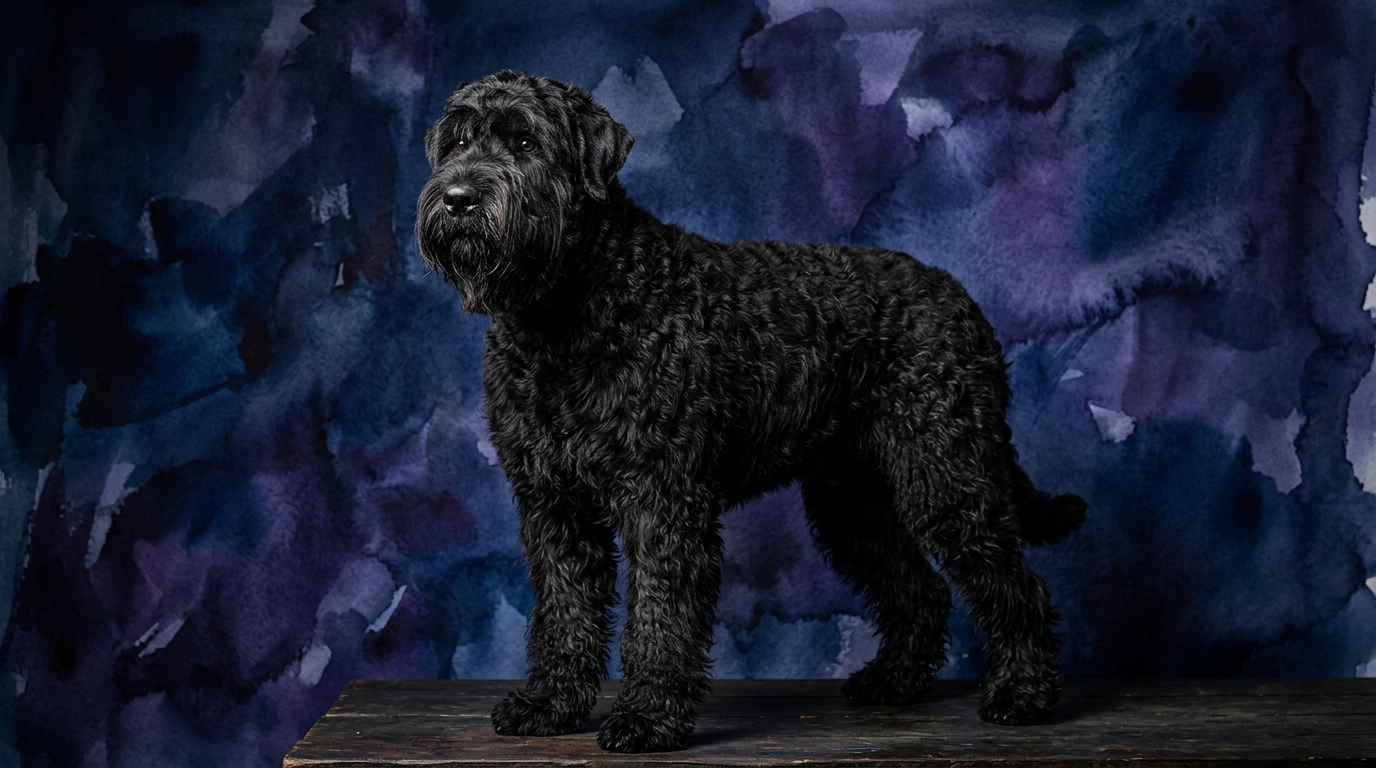
The Black Russian Terrier also earns a 3/5 in problem-solving, yet their approach is often characterized by a more direct, assertive method, born from their military and guarding background; they tend to evaluate threats and strategize protection with a confident resolve. Their training speed, also 3/5, means they learn rapidly, but their powerful will requires a firm, experienced hand to channel their considerable drive effectively, ensuring cooperation rather than dominance. Social intelligence at 3/5 manifests as a keen ability to differentiate between welcomed family and potential threats, exhibiting a profound loyalty to their inner circle while maintaining a watchful, often aloof, stance towards outsiders. An instinctive drive of 3/5 for the BRT is heavily weighted towards protection, territoriality, and a strong desire for purposeful work, showcasing a relentless focus when given a task. Their memory, like the Bouvier's, scores 3/5, indicating excellent retention of commands, boundaries, and past interactions, which is vital for their role as discerning protectors.
Where the Bouvier des Flandres Shines Cognitively
The Bouvier des Flandres's cognitive strengths often lie in their thoughtful deliberation and nuanced understanding of environmental cues. While both breeds score 3/5 in problem-solving, the Bouvier's herding background cultivates a specific type of spatial and relational intelligence. They excel at tasks requiring them to subtly influence movement, position themselves strategically, or assess the 'flow' of a situation, such as navigating a crowded park while keeping track of family members. Their social intelligence, while rated 3/5, leans towards an empathetic understanding of human moods and subtle body language within their family unit, making them highly attuned companions who can anticipate needs without explicit commands. This makes them particularly adept at roles requiring quiet observation and independent decision-making within a defined context, such as service work or therapy roles where a calm, self-assured presence is paramount.
Where the Black Russian Terrier Excels Cognitively
The Black Russian Terrier's cognitive advantages are deeply rooted in their history as formidable protectors and working dogs. Their 3/5 problem-solving score, in practice, translates to superior tactical thinking in security-related scenarios; they are adept at identifying and neutralizing perceived threats, often displaying an intuitive understanding of boundaries and intruder deterrence. Their instinctive drive, while also 3/5, is singularly focused on protection and guardianship, making them highly motivated for tasks involving patrol, surveillance, or personal defense. This strong drive, coupled with their excellent memory (3/5), allows them to recall specific individuals, safe zones, and potential dangers with remarkable consistency, creating a reliable and steadfast guardian. They possess a robust mental fortitude that allows them to perform under pressure, a trait honed by their origins as military working dogs.
Training Dynamics: Nuances of '3/5 Training Speed'
Despite both breeds scoring 3/5 in training speed, the 'why' behind this score and the 'how' of successful training differ considerably. The Bouvier des Flandres, with its thoughtful nature, responds best to patient, consistent training that appeals to its desire for cooperation. They are capable of learning complex sequences but may require repetition and clear, calm instruction to process and internalize commands fully. Their independence means they might test boundaries or require a compelling reason to comply, but once convinced, they are reliable. Training should focus on positive reinforcement, building a trusting relationship where the Bouvier feels understood and valued. Harsh methods can lead to stubbornness or withdrawal, as their herding intellect values a partnership over blind obedience.
The Black Russian Terrier, while also a 3/5 in training speed, presents a different challenge due to their immense physical power and strong, confident will. They learn quickly but require a handler who exudes unshakeable confidence and consistency from day one. Training must be firm, fair, and engaging, channeling their powerful instinctive drive into desired behaviors. Without a strong leader, the BRT's natural assertiveness can lead them to assume the alpha role, making training difficult. Socialization from a young age is paramount to temper their protective instincts and ensure they are well-adjusted. For the BRT, training is less about convincing and more about directing their formidable capabilities into appropriate outlets, always with positive reinforcement and clear expectations.
Matching Canine Intellect to Owner Lifestyles
The cognitive profiles of these two breeds, even with identical scores, point to different ideal owner lifestyles. The Bouvier des Flandres, with its thoughtful problem-solving and attuned social intelligence, thrives with active owners who enjoy engaging in structured activities like obedience, agility, or herding trials that challenge their methodical minds. They appreciate a calm, consistent home environment where their loyalty and protective instincts can be cultivated without excessive stimulation. While active, their exercise needs are often met with sustained walks, hikes, or purposeful 'work' around the home. They are better suited for owners who value a discerning companion capable of independent thought but willing to work in partnership, and who can provide the mental stimulation that prevents boredom and destructive behaviors.
The Black Russian Terrier, conversely, demands an active owner who is also highly experienced in dog ownership and prepared for a significant commitment to training and socialization. Their pronounced instinctive drive for protection and robust problem-solving skills require extensive physical exercise combined with rigorous mental engagement, such as protection sports, advanced obedience, or regular 'patrols' of their territory. They are not suited for relaxed owners who cannot provide clear leadership and consistent structure, as their powerful will and protective nature can become challenging without proper guidance. Owners must be prepared for a dog that requires constant vigilance and a firm, confident presence, ensuring their formidable intellect and drive are always channeled constructively.
The Verdict: When to Choose Each Steadfast Companion
The Verdict
Choose the Bouvier des Flandres if you appreciate a thoughtful, empathetic companion capable of nuanced problem-solving and are prepared to engage their herding intellect with patient, consistent training and a calm, purposeful lifestyle.
Opt for the Black Russian Terrier if you are an experienced, confident owner seeking a powerful, devoted protector whose formidable intellect and drive you are ready to channel through rigorous training, extensive socialization, and a highly structured, active life.
🧠 Find Your Pet's IQ Score
Our Pet IQ Lab assessment covers 25+ tests across 5 cognitive dimensions — personalized to your breed.
Take the Full IQ Test →Frequently Asked Questions
Do Bouvier des Flandres and Black Russian Terriers learn at the exact same pace?
While both breeds score 3/5 in training speed, the Bouvier's learning process often involves more deliberation and a desire for partnership, whereas the BRT learns quickly but requires a strong, consistent handler to direct their powerful will effectively. The *pace* might be similar, but the *method* of engagement differs significantly.
Which breed is better for a first-time dog owner?
Neither breed is generally recommended for first-time dog owners due to their strong personalities, significant grooming needs, and requirement for experienced handling and extensive socialization. However, the Bouvier des Flandres might be marginally more forgiving than the Black Russian Terrier, which demands a very confident and assertive leader.
How does their social intelligence impact their family life?
Both breeds, with 3/5 social intelligence, form deep bonds with their families. The Bouvier is often more attuned to subtle family dynamics and emotions, while the BRT excels at discerning family members from outsiders, exhibiting intense loyalty to their inner circle and a reserved, watchful demeanor towards strangers, making them excellent guardians.