Side-by-Side IQ Profile: Bouvier des Flandres vs. Chesapeake Bay Retriever
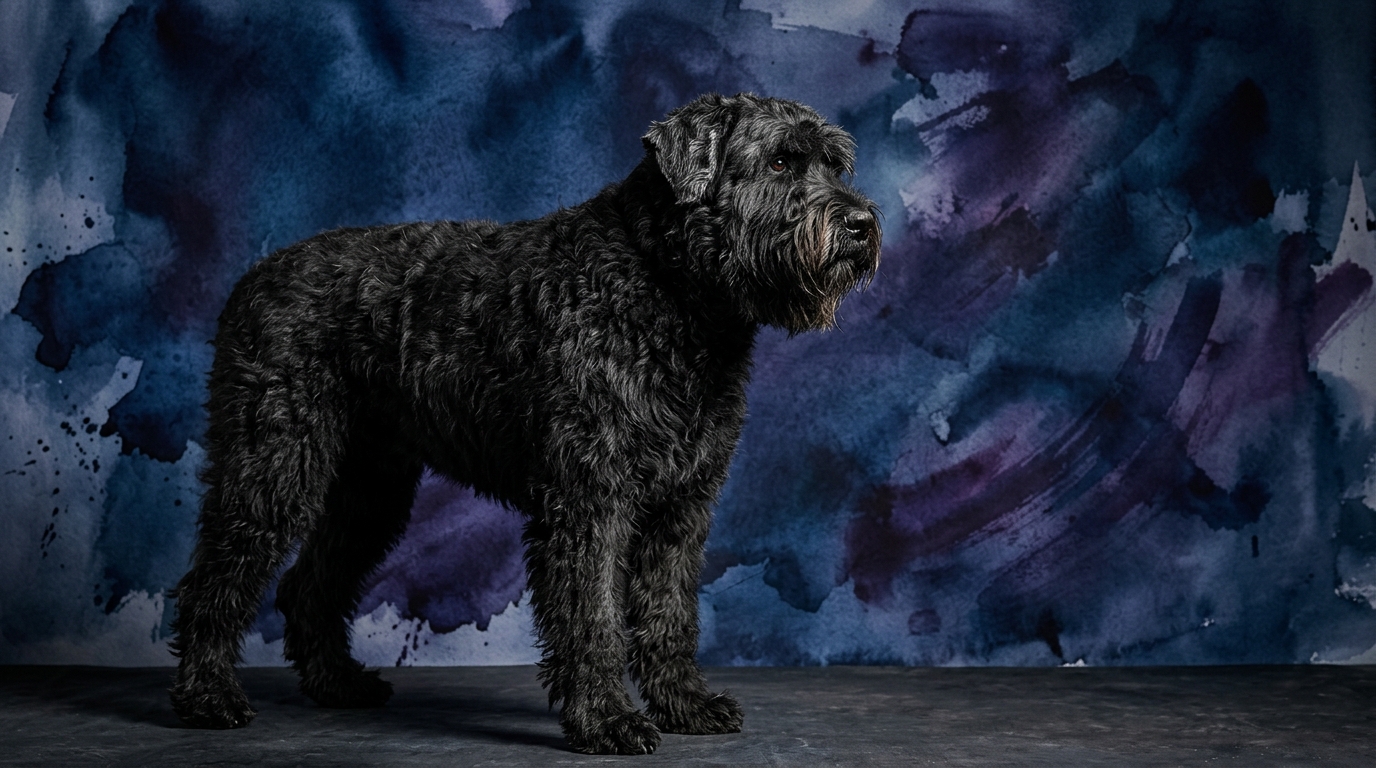
The Cosmic Pet Pet IQ Lab evaluates canine intelligence across five critical dimensions, offering a deeper understanding than a single ranking. For the Bouvier des Flandres, we see a balanced and steady cognitive profile, reflecting its origins as an independent herding dog. Its Problem Solving is rated 3/5, indicating a methodical, often deliberate approach to challenges rather than a lightning-fast one. Training Speed also sits at 3/5, suggesting that while capable, it requires patience and consistency to grasp new commands and routines. Social Intelligence is 3/5, meaning it capably reads human cues and integrates into a family, but might not always be overtly demonstrative. Instinctive Drive is 3/5, a moderate level that fuels its working ability without being overwhelming, and Memory is 3/5, solid but not exceptional, requiring reinforcement over time.
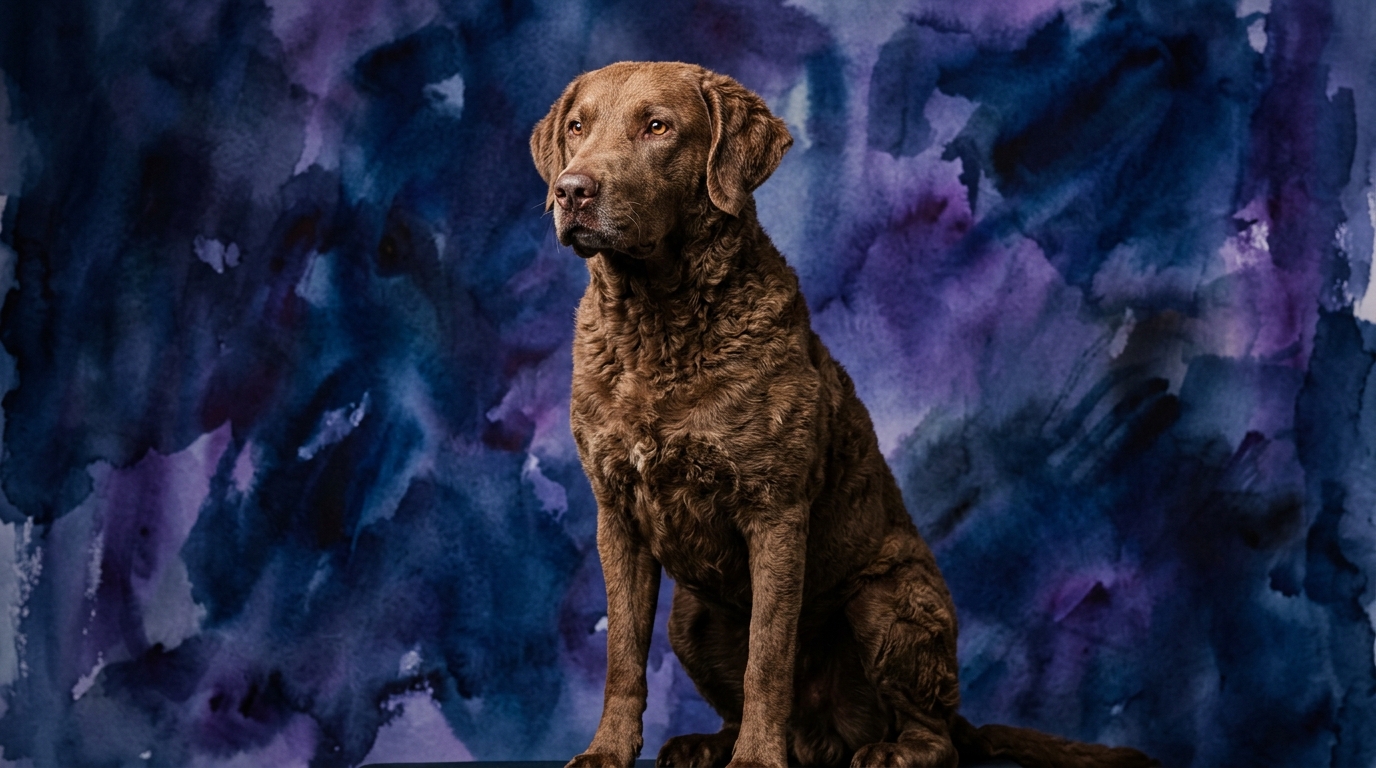
In contrast, the Chesapeake Bay Retriever presents a profile geared towards its demanding role as a water retriever. Its Problem Solving scores an impressive 4/5, indicative of a dog that quickly assesses complex situations, such as navigating varied terrain to retrieve game. Training Speed is also 4/5, highlighting its eagerness and capacity to learn and retain commands efficiently, making it highly responsive to instruction. Social Intelligence is 3/5, similar to the Bouvier, meaning it's generally attentive to its handler and adaptable within a social structure. Its Instinctive Drive is a robust 3/5, underscoring its inherent motivation for its working tasks, and its Memory is a strong 4/5, crucial for remembering marks, retrieves, and complex sequences during hunts or trials. This breed's Coren ranking at #27 further supports its standing as a highly capable working dog.
Where the Bouvier des Flandres Wins Cognitively
While the Bouvier des Flandres may not boast the highest scores in raw speed or problem-solving, its cognitive strengths lie in its thoughtful and independent nature. Its 3/5 rating in Problem Solving, though lower than the Chessie's, signifies a dog that often prefers to analyze a situation thoroughly before acting. This isn't a deficiency but rather a trait born from its herding heritage, where independent decision-making was crucial for managing livestock without constant human direction. This means a Bouvier might excel in scenarios requiring sustained focus and a nuanced understanding of a task, rather than just quick reactions.
Furthermore, its balanced 3/5 in Instinctive Drive and Social Intelligence allows for a dog that is present and engaged without being overly intense. This thoughtful engagement can lead to a deeper, more collaborative working relationship for owners who appreciate a partner capable of interpreting subtle cues and making calculated judgments. The Bouvier's cognitive profile suggests a dog that is less about sheer speed and more about deliberate, reliable execution, making it uniquely suited for owners who value a steady, self-reliant canine companion.
Where the Chesapeake Bay Retriever Wins Cognitively
The Chesapeake Bay Retriever's cognitive strengths are evident in its higher scores across several key dimensions, reflecting its specialized working purpose. Its 4/5 rating in Problem Solving means it possesses a remarkable capacity to quickly evaluate and overcome obstacles, a vital trait for retrieving game from challenging environments like icy water or dense cover. This swift cognitive processing allows them to adapt rapidly to changing conditions, making them exceptionally effective in field work and competitive dog sports.
The Chessie also shines with a 4/5 in Training Speed and Memory. This combination translates into a dog that not only learns new commands and complex sequences with fewer repetitions but also retains that knowledge reliably over time. This makes them highly responsive and predictable partners in demanding situations, where precision and recall are paramount. Its robust Instinctive Drive (3/5) further enhances these cognitive advantages, providing the motivation to apply its considerable intellect to tasks with enthusiasm and tenacity. For owners seeking a dog that can master complex skills and perform consistently under pressure, the Chesapeake Bay Retriever’s cognitive makeup is a clear advantage.
Which is Easier to Train and Why?
Based on their IQ profiles, the Chesapeake Bay Retriever (Training Speed 4/5) is generally easier to train than the Bouvier des Flandres (Training Speed 3/5). The Chessie's higher training speed means it typically grasps new commands and behaviors with fewer repetitions and greater enthusiasm. This breed's strong drive and desire to work alongside its handler contribute to its responsiveness, often making it a more forgiving choice for novice trainers or those seeking rapid progress in obedience or dog sports. Their exceptional memory (4/5) also means once a lesson is learned, it tends to stick, requiring less frequent refreshers.
The Bouvier, with its 3/5 Training Speed, requires a more patient and consistent approach. This breed's independent herding background means they are accustomed to making decisions autonomously, and while they are capable learners, they may not offer the same eager-to-please compliance as a retriever. Training a Bouvier often involves understanding their thoughtful nature, making lessons engaging, and building a strong, respectful bond to encourage cooperation. They might take longer to generalize commands to new environments, but once they understand the 'why' behind a task, they perform reliably due to their steady temperament.
Which Suits Active Owners vs. Relaxed Owners?
For active owners seeking a highly engaged and driven canine partner, the Chesapeake Bay Retriever is an excellent match. Its strong Problem Solving (4/5), Training Speed (4/5), and Instinctive Drive (3/5) mean it thrives on consistent mental and physical challenges. This breed excels in activities like hunting, competitive obedience, agility, and dock diving, requiring an owner who can dedicate significant time to training, exercise, and providing outlets for its working intelligence. A Chessie will become bored and potentially destructive without sufficient engagement, making it ideal for individuals or families with a very active, outdoors-oriented lifestyle.
The Bouvier des Flandres, while also requiring regular exercise and mental stimulation, suits a slightly different kind of active owner. Its balanced IQ profile, particularly its moderate Instinctive Drive (3/5) and thoughtful Problem Solving (3/5), means it appreciates purposeful work but isn't always driven by the same relentless intensity as a Chessie. Bouviers often enjoy activities like herding trials, tracking, or protection work, which engage their independent thinking. They are not typically suited for truly relaxed owners, as they need consistent structure and exercise, but they might be a better fit for those who appreciate a more deliberate and collaborative canine partner rather than one primarily focused on high-speed performance.
The Verdict
Choose a Bouvier des Flandres if you appreciate a thoughtful, independent problem-solver and are prepared to invest patient, consistent effort in training a dog with a steady, self-reliant nature. They thrive with owners who value a collaborative partner for purposeful activities.
Opt for a Chesapeake Bay Retriever if you are an active, experienced owner seeking a highly trainable, driven companion for demanding dog sports, hunting, or intense outdoor adventures. Their quick learning and strong memory make them exceptionally responsive and capable partners.
🧠 Find Your Pet's IQ Score
Our Pet IQ Lab assessment covers 25+ tests across 5 cognitive dimensions — personalized to your breed.
Take the Full IQ Test →Frequently Asked Questions
Does a Coren ranking tell the whole story about a dog's intelligence?
No, a Coren ranking primarily assesses working and obedience intelligence, focusing on how quickly a dog learns new commands. The Cosmic Pet Pet IQ Lab's five-dimensional profile offers a more comprehensive view, evaluating aspects like problem-solving, social intelligence, and instinctive drive, which are not fully captured by Coren's methodology.
How do their social intelligence scores impact their suitability as family pets?
Both breeds score 3/5 in Social Intelligence, indicating they are capable of reading human cues and integrating into a family structure. This suggests they can be attentive companions, though their expression of affection or eagerness to please might differ based on their individual temperament and training. Neither breed is overtly aloof or excessively demanding in social interaction.
What training approaches are best for each breed given their IQ profiles?
For the Chesapeake Bay Retriever, positive reinforcement, clear commands, and consistent training that leverages their high training speed and memory are highly effective. For the Bouvier des Flandres, patience, engaging problem-solving games, and building a strong, respectful relationship are key, as they respond well to understanding the purpose of a task rather than just rote memorization.