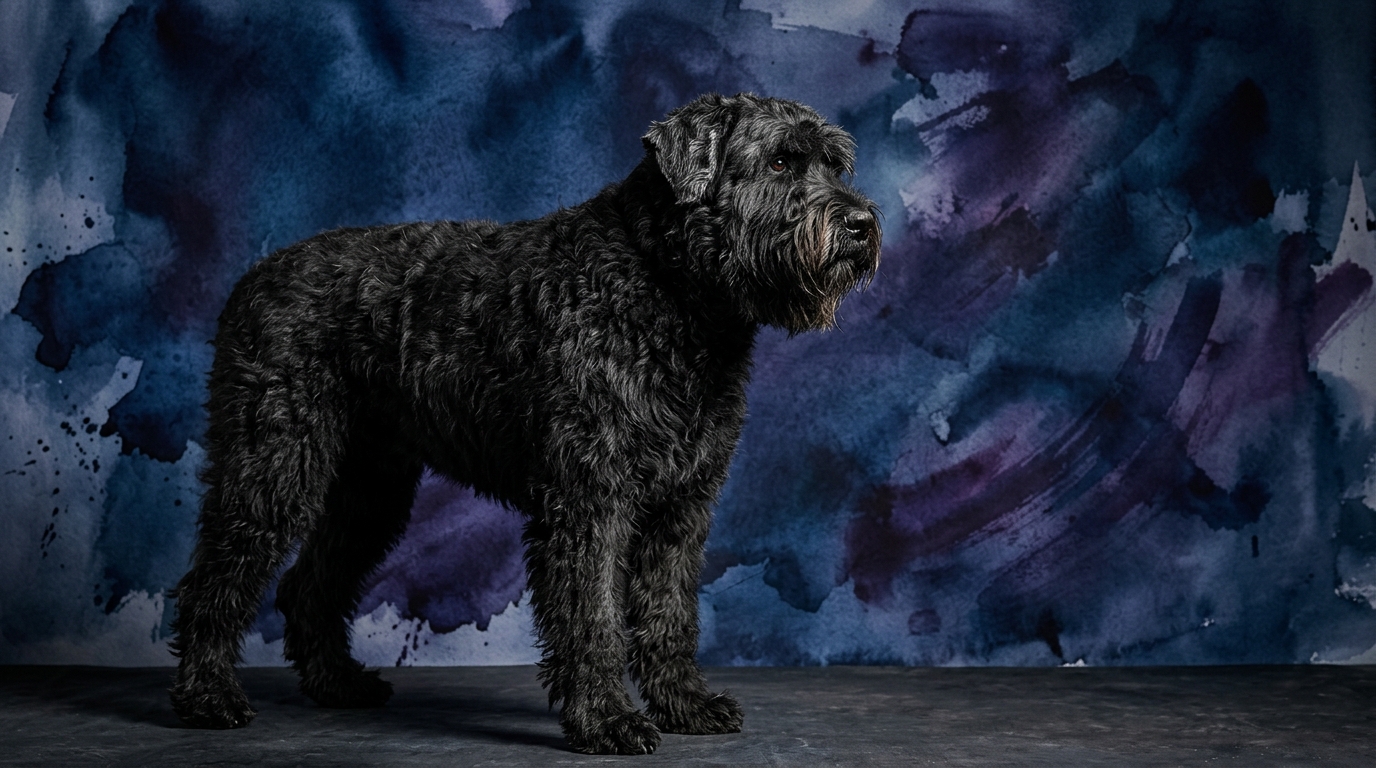
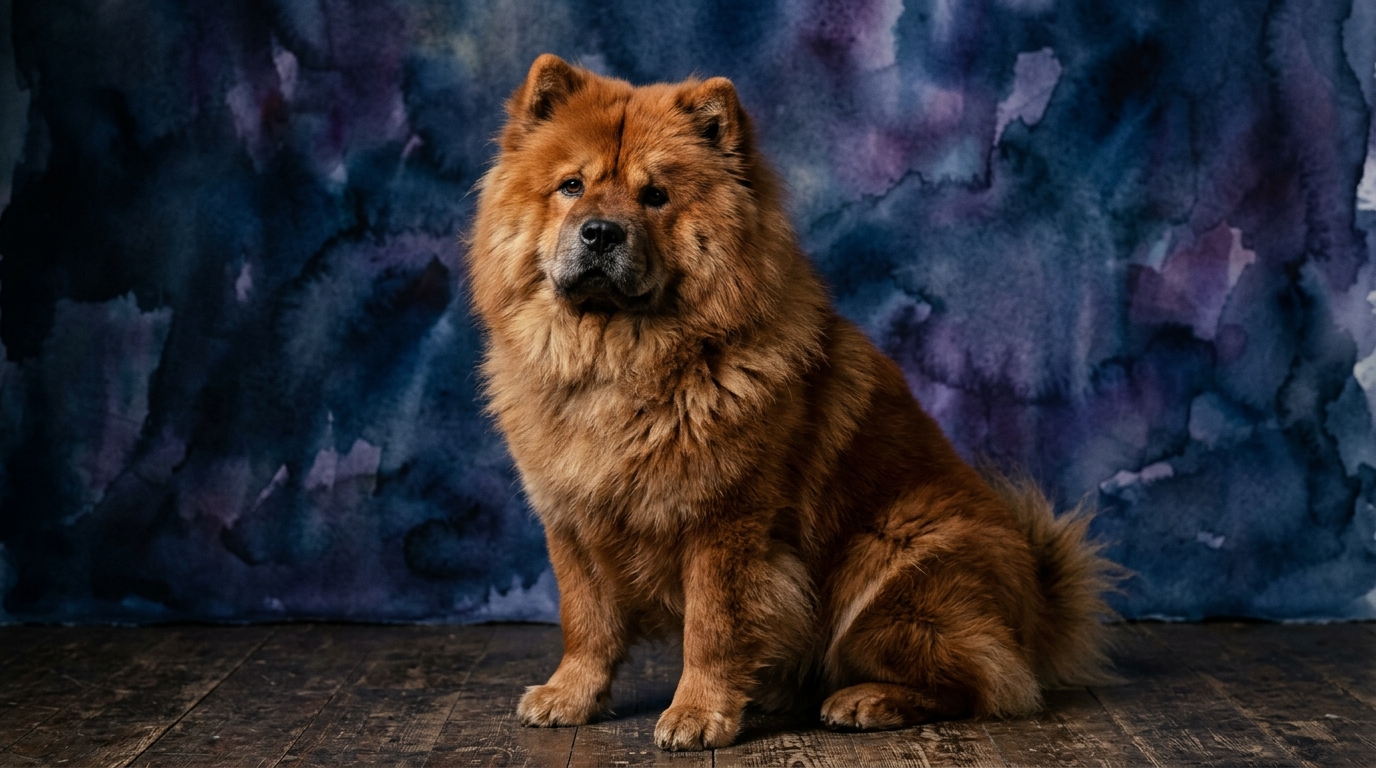
Side-by-Side Pet IQ Lab Profile
**Problem Solving (3/5):** For the Bouvier des Flandres, 3/5 problem-solving translates to practical, adaptive solutions in dynamic environments, like strategizing herd movements or navigating complex terrain during their working history. The Chow Chow's 3/5 manifests as independent assessment for territory or personal comfort, often subtly managing situations to their advantage through self-reliant decision-making.
**Training Speed (3/5):** A Bouvier des Flandres's 3/5 training speed means they absorb commands moderately, especially when learning is framed as a cooperative effort with their human. The Chow Chow's 3/5 indicates a capacity to learn, but compliance often varies due to their profound independence, which contributes to their lower Coren rank for obedience despite their understanding.
**Social Intelligence (3/5):** The Bouvier des Flandres's 3/5 social intelligence shines in reading handler cues and understanding group dynamics during work or within their family, though they are typically reserved with strangers. The Chow Chow's 3/5 is a discerning awareness of their immediate social environment and household, expressed through subtle vigilance rather than overt display.
**Instinctive Drive (3/5):** The Bouvier des Flandres's 3/5 instinctive drive is powerfully rooted in their herding heritage, an innate urge to gather, protect, and control, providing intrinsic motivation for structured activity. The Chow Chow's 3/5 centers on guarding, territoriality, and a deep sense of independence, focused on self-preservation and domain maintenance.
**Memory (3/5):** A Bouvier des Flandres's 3/5 memory means reliable recall of learned commands, routines, and task intricacies, allowing them to build upon past experiences for ongoing work. The Chow Chow's 3/5 is particularly strong for territorial boundaries, familiar identities, and established household routines, contributing to consistent guarding behaviors and long-standing aloofness.
Where Bouvier des Flandres Wins Cognitively
Despite identical raw IQ scores, the Bouvier des Flandres demonstrates a cognitive edge in collaborative problem-solving and adaptable skill application. Their multi-purpose farm dog history demanded quick, flexible thinking for managing livestock or protecting property. This makes their 3/5 problem-solving a responsive intellect, adept at interpreting complex handler signals and modifying approaches based on dynamic environmental cues. Their social intelligence, while also 3/5, is geared towards active engagement with their human partners, fostering a nuanced understanding of intent and a greater willingness to tackle challenges as a team. This collaborative bent allows them to excel in tasks requiring sequential learning, intricate maneuvers, and continuous feedback with their handler, distinguishing their cognitive style from the more independent Chow Chow.
Where Chow Chow Wins Cognitively
The Chow Chow, with its identical 3/5 IQ ratings, carves its cognitive niche in independent judgment and self-reliance. While the Bouvier excels collaboratively, the Chow Chow's 3/5 problem-solving translates into an exceptional capacity for discerning situations and making decisions without constant human instruction. Their guarding instincts (3/5) are supported by a memory (3/5) that meticulously catalogs who belongs and who doesn't, enabling consistent vigilance over territory. This breed excels at assessing potential threats or disruptions and reacting with measured, self-assured responses. Their reserved social intelligence is highly perceptive, recognizing subtle shifts in their environment and within their human family, often acting as a quiet, observant sentinel. This preference for independent thought and action, rather than constant human guidance, highlights a distinct cognitive strength in self-governance and quiet vigilance.
Which is Easier to Train and Why
For ease of training, the Bouvier des Flandres typically offers a more straightforward experience for most owners. While both breeds share a 3/5 training speed, the Bouvier's herding background fosters a strong desire to work cooperatively with their human, making them inherently more responsive and eager to please. They thrive on having a job, finding satisfaction in accomplishing tasks alongside their owner, which translates to higher compliance and focus during training sessions. Their instinctive drive (3/5) is readily channeled into productive, structured activities, making them amenable to diverse training methods, from positive reinforcement to advanced obedience. In contrast, the Chow Chow, despite its 3/5 training speed indicating a capacity to learn, often requires a different training philosophy. Their profound independence and self-assured nature mean they learn best when training appeals to their self-interest or logical sense. They understand commands but may choose not to obey if they perceive no immediate benefit or if the request conflicts with their inherent desire for autonomy. This distinction, where one breed is driven by cooperation and the other by self-determination, makes the Bouvier generally easier to engage in consistent, high-compliance training.
Which Suits Active Owners vs. Relaxed Owners
The choice between a Bouvier des Flandres and a Chow Chow also hinges significantly on an owner's lifestyle and their capacity for engagement. The Bouvier des Flandres is undeniably suited for active owners who are prepared to provide consistent mental and physical stimulation. Their 3/5 instinctive drive means they possess a deep-seated need for purpose and activity, thriving in environments where they can engage in dog sports, advanced obedience, or even simulated herding tasks. They are not content to be mere couch potatoes; an under-exercised or under-stimulated Bouvier can become bored and potentially destructive. Their cognitive abilities are best utilized and developed through regular, challenging work. Conversely, the Chow Chow is generally a better fit for more relaxed owners who appreciate a dignified, independent companion. While they benefit from regular walks and mental enrichment, their 3/5 instinctive drive is geared towards guarding and observation rather than high-energy, cooperative tasks. They are often content with a comfortable spot from which to survey their domain, requiring less structured exercise and intense daily engagement than the Bouvier. However, 'relaxed' does not mean 'absent'; Chow Chows still require consistent leadership, early socialization, and mental stimulation to prevent boredom and ensure their independent nature doesn't lead to undesirable behaviors.
The Verdict
Choose the Bouvier des Flandres if you seek an engaged, collaborative partner for active pursuits and enjoy channeling a working dog's intellect into structured tasks and shared adventures.
Opt for the Chow Chow if you prefer a dignified, independent companion who excels at quiet vigilance and makes thoughtful, self-directed decisions, thriving in a home that respects their autonomy.
🧠 Find Your Pet's IQ Score
Our Pet IQ Lab assessment covers 25+ tests across 5 cognitive dimensions — personalized to your breed.
Take the Full IQ Test →Frequently Asked Questions
Do Bouvier des Flandres and Chow Chow have the same intelligence?
The Cosmic Pet Pet IQ Lab assigns both breeds identical 3/5 scores across five key intelligence dimensions, indicating similar cognitive *capacity*. However, how these scores manifest differs significantly due to their distinct breed histories and temperaments; the Bouvier applies its intellect collaboratively, while the Chow Chow uses its cognitive skills with greater independence.
Is a Chow Chow difficult to train?
While the Chow Chow has a 3/5 training speed, meaning they are capable of learning, their independent and self-assured nature can make them challenging to train for obedience. They require consistent, patient, and motivating methods, often responding best when tasks align with their perceived self-interest rather than simply following commands.
Which breed is better for a first-time dog owner?
Neither breed is typically recommended for first-time dog owners due to their strong personalities and specific needs, requiring experienced handling. However, if forced to choose, a Bouvier des Flandres might be slightly more manageable for an experienced, committed first-timer willing to invest heavily in training and activity, whereas the Chow Chow's independent nature often requires a more seasoned hand.