Side-by-Side Cognitive Profile
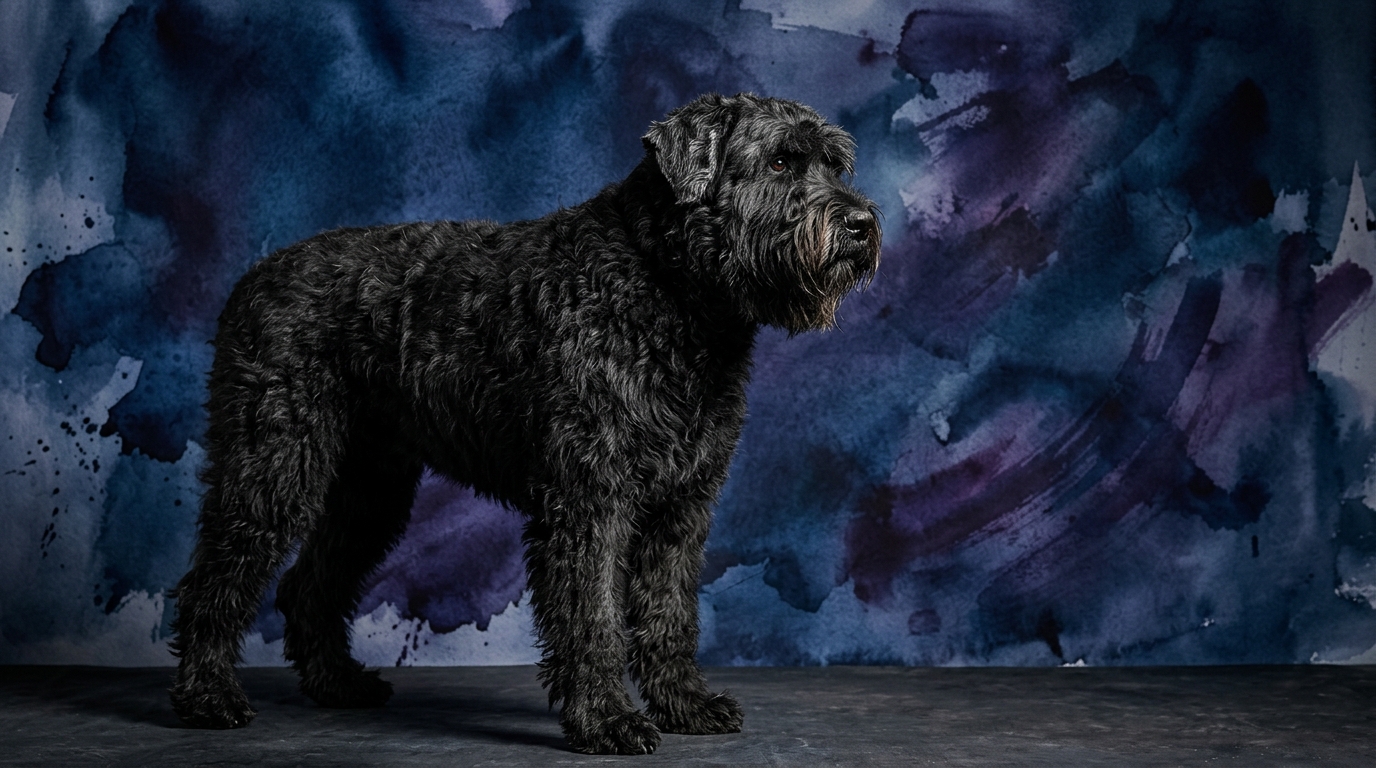
Despite both breeds scoring a consistent 3/5 across all five cognitive dimensions in The Cosmic Pet Pet IQ Lab, their historical roles mean these scores manifest quite differently. The Bouvier des Flandres showcases its problem-solving (3/5) by independently assessing and managing livestock movement, requiring dynamic adjustments and broad environmental awareness. Its training speed (3/5) is moderate, yet its social intelligence (3/5) fosters a strong, cooperative partnership with its handler, making it receptive to complex commands. With an instinctive drive (3/5) centered on herding and protection, and a memory (3/5) for routines and territory, the Bouvier excels in collaborative work.
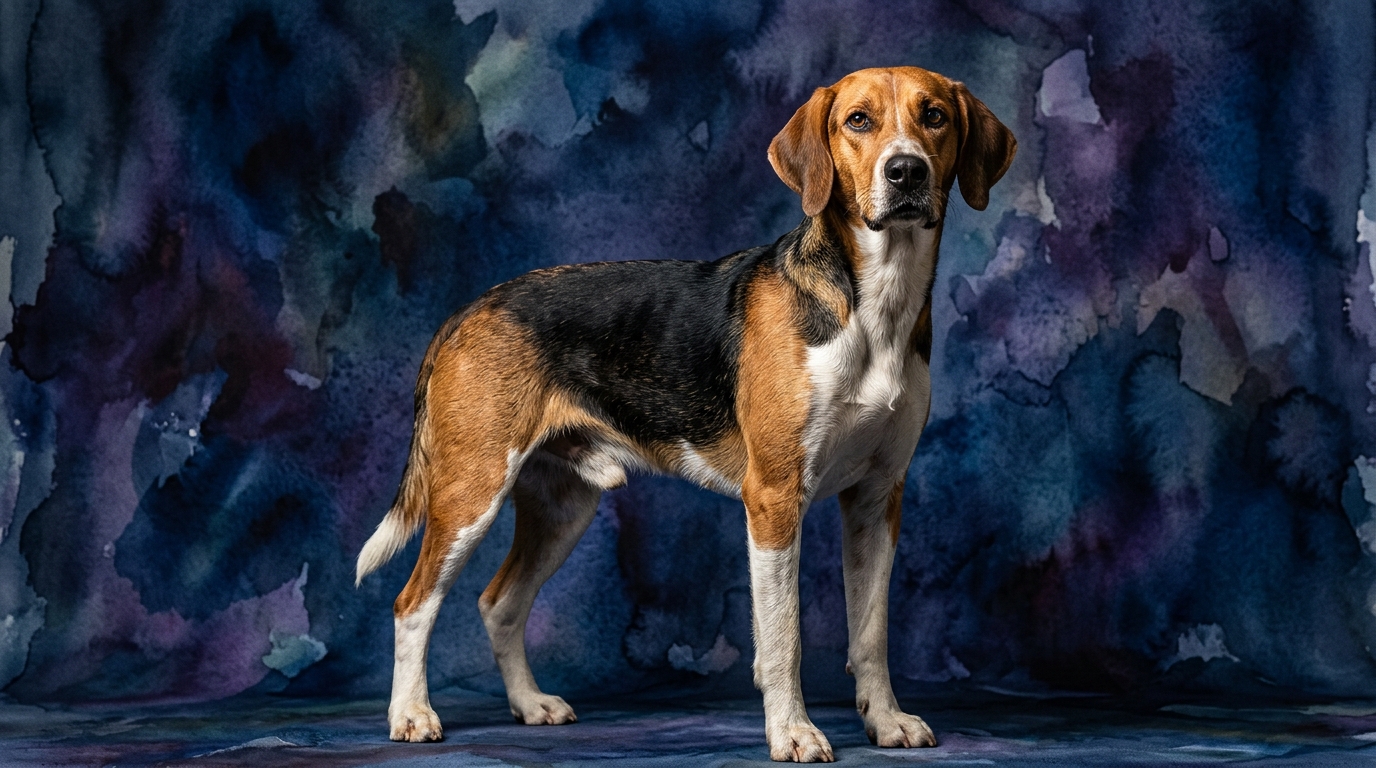
In contrast, the English Foxhound applies its problem-solving (3/5) almost exclusively to olfactory challenges, expertly discerning and following intricate scent trails over varied terrain. Its training speed (3/5) is often challenged by an overpowering instinctive drive (3/5) for scent and pursuit, which demands singular focus. While possessing social intelligence (3/5) within a pack dynamic, its primary cognitive energy is directed towards the hunt, supported by a memory (3/5) finely tuned to the details of its scent-driven world.
Where Bouvier des Flandres Wins Cognitively
While both breeds share identical raw scores, the Bouvier des Flandres often exhibits a more adaptable and handler-focused application of its cognitive abilities. Its problem-solving (3/5) is less about singular sensory focus and more about dynamic, real-time adjustments to a constantly moving flock, requiring a broader assessment of its environment and the actions of multiple entities. This translates into a dog that can process a wider array of visual and situational cues simultaneously. Furthermore, its social intelligence (3/5) is geared towards a cooperative partnership with a human handler, interpreting subtle body language and verbal commands to execute complex herding maneuvers. This attentiveness to human direction, born from centuries of working alongside people to manage livestock, gives the Bouvier an edge in tasks requiring nuanced communication and a willingness to adapt its strategy based on human input, rather than solely following an instinctual path.
Where English Foxhound Wins Cognitively
The English Foxhound, despite matching scores, showcases a distinct cognitive strength rooted in its specialized sensory processing. Its problem-solving (3/5) is unparalleled in the realm of olfactory puzzles, demonstrating an extraordinary ability to discriminate, follow, and interpret complex scent trails across varied and challenging landscapes. This isn't just about following a line; it involves making sophisticated decisions about scent age, direction, and intensity, often ignoring overwhelming environmental distractions to stay true to its target. The Foxhound's instinctive drive (3/5) is a singular, powerful force that channels its cognitive energy into relentless pursuit. This unwavering focus on a specific sensory input, combined with exceptional stamina and determination, means that when a scent is engaged, its mental resources are entirely dedicated to that task, making it incredibly effective in its specialized role, even if it appears less broadly adaptable than a herding dog.
Which Is Easier to Train and Why
Given their respective histories, the Bouvier des Flandres generally proves easier to train for a wider variety of tasks and basic obedience. Its herding background instilled a desire to work with a human partner, making its social intelligence (3/5) and training speed (3/5) more readily applicable to learning commands. Bouviers often seek direction and find satisfaction in performing tasks for their handler, making them more receptive to consistent, positive reinforcement training methods. In contrast, the English Foxhound's training speed (3/5) is heavily influenced by its potent instinctive drive (3/5). While capable of learning, its primary focus is often on scent, which can make recall or obedience in distracting environments a significant challenge. Its independent, scent-driven nature means that convincing a Foxhound to disengage from a compelling trail and return to its handler requires immense patience, creativity, and often, a higher reward value than the scent itself.
Which Suits Active Owners vs. Relaxed Owners
Both breeds demand a commitment to activity, but the type of activity differs significantly. The Bouvier des Flandres suits active owners who enjoy structured activities, engaging in dog sports like agility, obedience, or even advanced trick training. They thrive on mental stimulation that involves problem-solving and collaboration, requiring consistent engagement to prevent boredom and channeling their herding energy constructively. A relaxed owner would find a Bouvier potentially overwhelming due to its need for purpose and activity. The English Foxhound, conversely, is for the exceptionally active owner, particularly those who embrace vigorous, long-duration outdoor pursuits. Their instinctive drive (3/5) for scent work means they need extensive opportunities to run, explore, and follow their nose in safe, contained environments. For a relaxed owner, the Foxhound's boundless energy and single-minded pursuit of scent could easily lead to frustration and escape attempts, as their need to run and track is profound.
The Verdict
Opt for the Bouvier des Flandres if you seek a diligent, versatile working companion eager to engage in structured training and collaborative problem-solving, thriving on a strong partnership with its human.
Select the English Foxhound if your lifestyle revolves around intense, long-duration outdoor activities and you appreciate a dog driven by an unparalleled, independent pursuit of scent.
🧠 Find Your Pet's IQ Score
Our Pet IQ Lab assessment covers 25+ tests across 5 cognitive dimensions — personalized to your breed.
Take the Full IQ Test →Frequently Asked Questions
Do Bouvier des Flandres make good family pets, considering their herding instincts?
Yes, Bouviers can be excellent family pets, provided their herding instincts are managed with proper training and socialization from a young age. Their social intelligence allows them to form strong bonds, and their protective nature makes them devoted guardians, though they may try to 'herd' children or other pets if not taught appropriate boundaries. Consistent guidance and outlets for their energy are crucial for a harmonious household.
How much exercise does an English Foxhound truly need daily?
English Foxhounds require a substantial amount of daily exercise, far beyond a simple walk around the block. Their instinctive drive for tracking and running means they need at least 1-2 hours of vigorous activity, ideally off-leash in a secure area where they can run freely and engage their powerful sense of smell. Without adequate exercise, they can become restless, destructive, and prone to escape attempts.
Can an English Foxhound be trained for tasks other than hunting, like obedience or agility?
While English Foxhounds possess a training speed of 3/5, their intense focus on scent can make traditional obedience or agility training more challenging than with other breeds. They can learn these tasks, but it requires significant patience, high-value rewards, and a trainer who understands how to work with a dog whose primary drive is often external to human commands. Success depends on making training highly engaging and competing effectively with their profound instinct.