Side-by-Side Cognitive Profiles: Decoding Identical Scores
The Cosmic Pet Pet IQ Lab assigns both the Bouvier des Flandres and the Sealyham Terrier a consistent 3/5 across all five cognitive dimensions: problem-solving, training speed, social intelligence, instinctive drive, and memory. While the numerical score is the same, understanding what a 3/5 signifies within the context of each breed's historical purpose offers a richer perspective on their cognitive strengths and how they manifest in daily life.
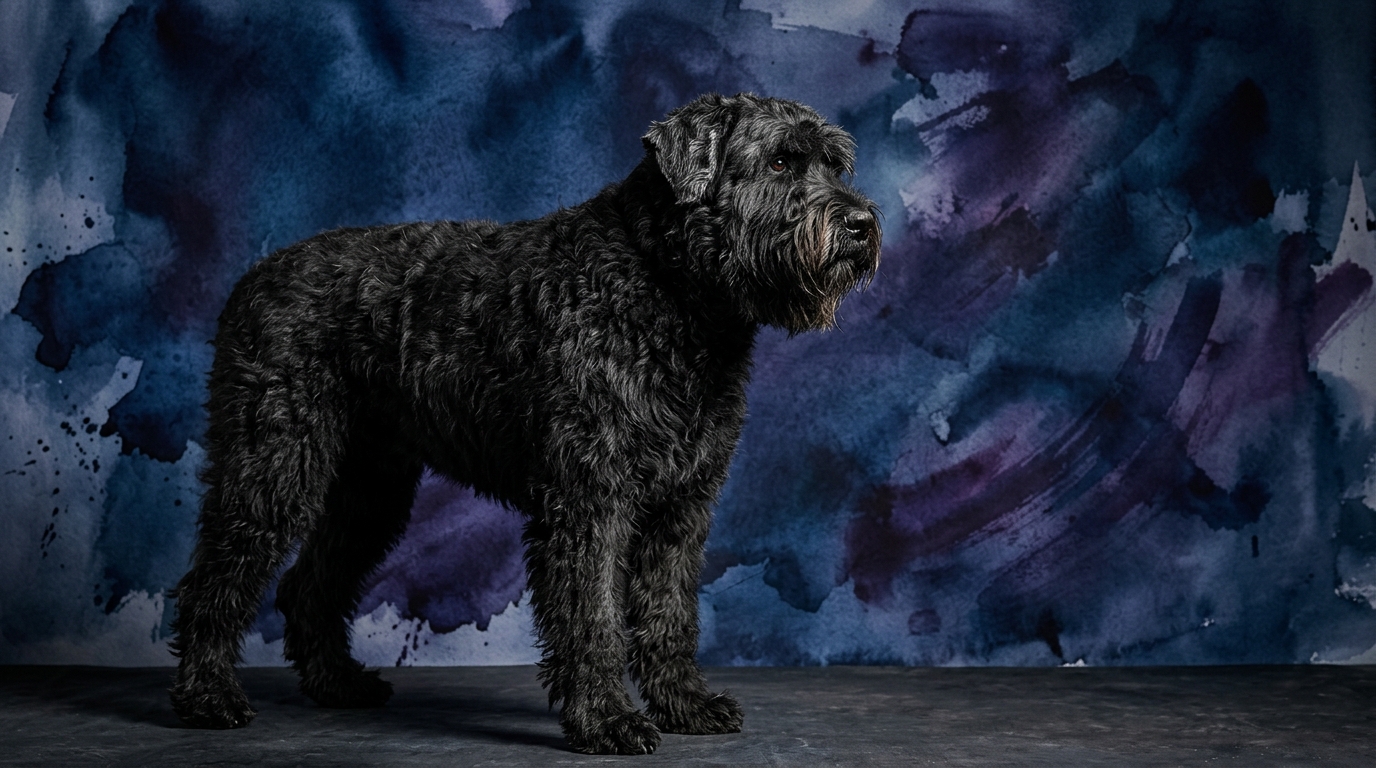
For the **Bouvier des Flandres**, a Herding breed, a 3/5 in **Problem Solving** indicates an aptitude for strategic thinking in complex, dynamic environments, such as maneuvering livestock or navigating varied terrains to complete a task. Their solutions often involve foresight and a methodical approach, reflecting their need to manage and protect a moving 'herd.' A **Training Speed** of 3/5 means they are generally receptive to learning, absorbing commands and routines efficiently when presented with clear, consistent instruction, particularly when those tasks align with their working drive. Their **Social Intelligence** at 3/5 suggests a keen awareness of their human companions and other animals, enabling them to interpret cues, understand hierarchy, and act as discerning protectors. The **Instinctive Drive** of 3/5 in a Bouvier is deeply rooted in their herding and guarding heritage, manifesting as a purposeful work ethic, a desire to be useful, and a strong protective instinct towards their family and 'flock.' Finally, their **Memory** at 3/5 allows them to retain complex sequences of commands, recall specific routes or boundaries, and remember social dynamics within their household or working group, crucial for their roles as guardians and herders.
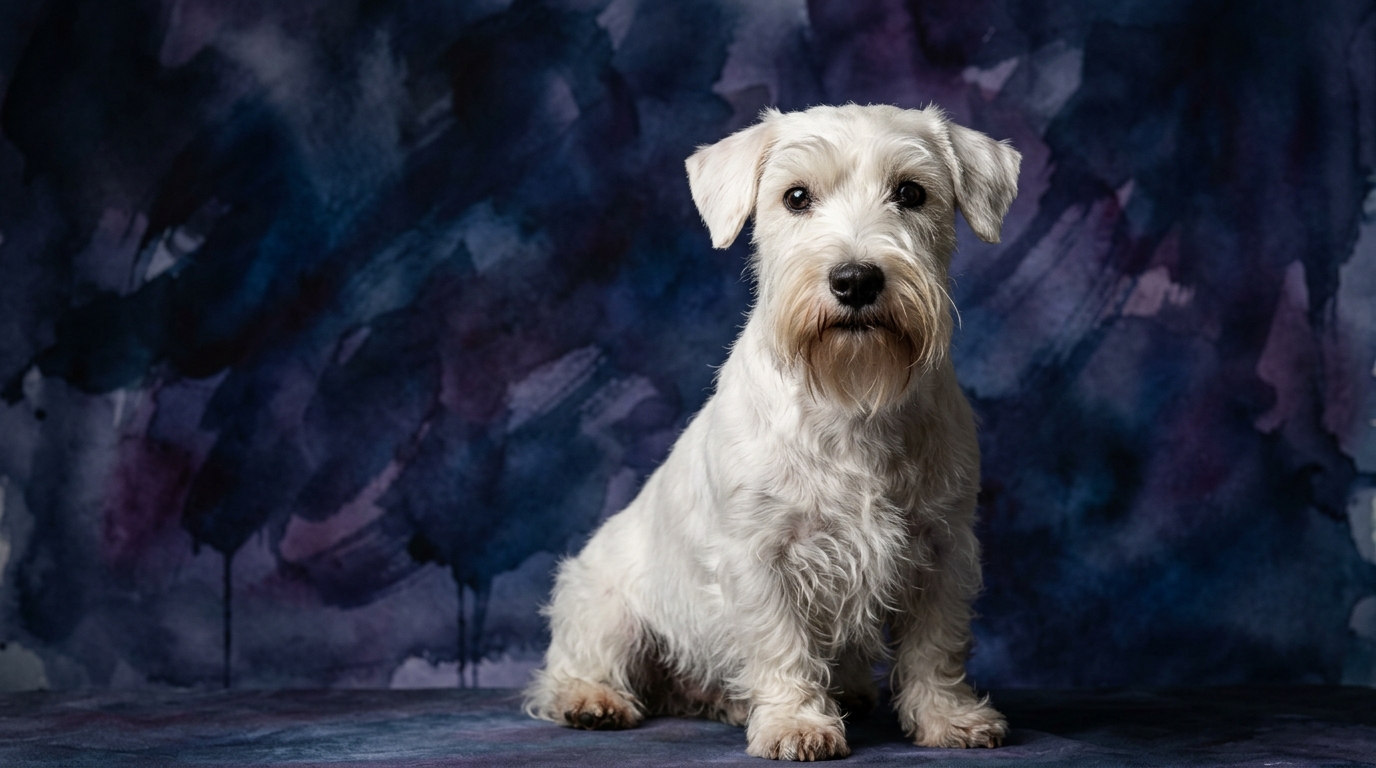
The **Sealyham Terrier**, a Terrier breed, also scores 3/5 across the board, but these scores are interpreted through the lens of a tenacious, independent hunter. Their **Problem Solving** at 3/5 translates to resourcefulness and ingenuity in tight situations, like figuring out how to access a den or navigate challenging underground tunnels to pursue quarry. They excel at finding creative, often persistent, solutions to immediate, tangible problems. A **Training Speed** of 3/5 means they learn quickly, but their independent nature often requires engaging, consistent training that appeals to their desire for mental stimulation and fun, rather than rote obedience. Their **Social Intelligence** at 3/5 highlights their alertness to their environment and the intentions of others, allowing them to be assertive and understand their place within their human family, often with a mischievous charm. The **Instinctive Drive** of 3/5 for a Sealyham is profoundly tied to their hunting heritage, expressed as a potent prey drive, a persistent desire to dig, and a readiness to engage with small vermin, reflecting their original purpose. Their **Memory** at 3/5 enables them to recall locations of interest, successful hunting spots, and the routines that lead to rewarding activities, supporting their independent exploration and pursuit of quarry.
Where the Bouvier des Flandres Excels Cognitively
The Bouvier des Flandres demonstrates particular cognitive strengths in scenarios requiring sustained focus, collaborative effort, and a methodical approach to managing dynamic groups. Their Herding background means they naturally excel at tasks that involve understanding and influencing the movement of multiple subjects, whether livestock or family members. Their problem-solving abilities shine brightest when the solution involves strategic planning over immediate, impulsive action, such as anticipating the trajectory of a moving object or person to intercept and redirect them safely. Their social intelligence is finely tuned for interpreting subtle cues from a handler and responding in a way that maintains order and protection, making them adept at roles requiring discernment and a calm, watchful presence. The Bouvier's memory is particularly strong for recalling complex sequences of commands and understanding spatial relationships over a larger area, which is vital for herding or protection work where routes and boundaries are critical.
Where the Sealyham Terrier Shines Cognitively
The Sealyham Terrier's cognitive advantages are rooted in their Terrier heritage, emphasizing independent action, tenacity, and quick, decisive problem-solving for immediate challenges. They excel in situations demanding persistence and ingenuity to overcome obstacles, such as figuring out how to access a hidden toy or navigating a complex scent trail. Their problem-solving is often characterized by a determined, single-minded focus on a specific objective, often involving digging or exploring tight spaces. The Sealyham's instinctive drive gives them an edge in tasks requiring intense focus on a target, whether it's a scent, a sound, or a small moving object, making them particularly adept at earthdog trials or focused scent work. Their memory is robust for recalling specific locations where interesting things have happened or where rewards were found, reinforcing their independent exploration and pursuit of self-directed goals.
Training Dynamics: Bouvier des Flandres vs. Sealyham Terrier
Despite identical 3/5 scores in training speed, the practical experience of training a Bouvier des Flandres versus a Sealyham Terrier can differ significantly due to their inherent behavioral tendencies. The Bouvier, with its Herding background, generally approaches training with a more cooperative spirit. They thrive on having a 'job' and are often eager to please their handler, making them responsive to clear, consistent commands. Their natural inclination to work in partnership means they typically pick up complex obedience routines, protection work, or advanced agility tasks with a steady, purposeful focus. They appreciate structure and respond well to positive reinforcement that acknowledges their efforts to collaborate.
The Sealyham Terrier, on the other hand, while equally capable of learning quickly (3/5 training speed), often brings a strong independent streak and a potent prey drive to the training arena. Their terrier tenacity means they might choose to prioritize an interesting scent or a perceived 'quarry' over a handler's command if not sufficiently engaged. Training a Sealyham requires immense consistency, patience, and a creative approach that makes learning feel like a fun game or puzzle. They excel when tasks tap into their natural instincts, but their independent problem-solving can sometimes manifest as stubbornness if they don't see the immediate value in a command. While both breeds learn, the Bouvier's learning is often driven by partnership and purpose, whereas the Sealyham's is fueled by curiosity, self-interest, and a desire for engaging mental stimulation.
Lifestyle Suitability: Active vs. Relaxed Owners
When considering which breed aligns with an owner's lifestyle, the Bouvier des Flandres and the Sealyham Terrier present distinct profiles, despite their numerically similar cognitive scores. The Bouvier des Flandres is best suited for active owners who are prepared to provide structured physical exercise and consistent mental engagement. Their inherent Herding and guarding drives mean they thrive when given a 'job'—whether it's advanced obedience, agility, protection sports, or even just regular, purposeful walks and training sessions. They are not content with a purely relaxed, sedentary lifestyle; their energy and cognitive capacity need outlets, and owners should be prepared for a consistent commitment to their physical and mental well-being. A Bouvier will lean into purposeful activity and partnership.
The Sealyham Terrier can suit moderately active owners who appreciate bursts of energy mixed with periods of calm companionship. While they certainly need regular exercise, including daily walks and opportunities for off-leash exploration in secure areas, their activity demands are often less about sustained endurance and more about intense, focused bursts of terrier-driven activity, such as chasing a ball or engaging in scent games. They are adaptable and can be content relaxing with their family indoors, but their strong instinctive drive for digging and exploring means they need outlets for these behaviors to prevent frustration. A truly 'relaxed' owner might find the Sealyham's independent spirit and need for mental stimulation, particularly around their prey drive, more demanding than anticipated. They require engagement that respects their terrier nature.
The Verdict
Choose the Bouvier des Flandres if you are an active owner seeking a devoted, purposeful working partner who thrives on structured training, guarding duties, and collaborative activities.
Opt for the Sealyham Terrier if you appreciate an independent, tenacious companion with a playful spirit, suited for moderately active owners who can provide consistent, engaging training and outlets for their strong terrier instincts.
🧠 Find Your Pet's IQ Score
Our Pet IQ Lab assessment covers 25+ tests across 5 cognitive dimensions — personalized to your breed.
Take the Full IQ Test →Frequently Asked Questions
Do Bouvier des Flandres and Sealyham Terriers have similar temperaments?
While both breeds exhibit loyalty, their temperaments differ significantly. Bouviers are generally more reserved, watchful, and protective, whereas Sealyhams are often more outgoing, tenacious, and spirited, reflecting their distinct working histories.
Which breed is better with children?
Both breeds can be good with children, but require proper socialization and supervision. Bouviers are often patient and protective, while Sealyhams can be playful and robust, though their terrier exuberance might be overwhelming for very young children without guidance.
Are Bouvier des Flandres or Sealyham Terriers prone to destructive behaviors if not exercised enough?
Yes, both breeds can exhibit destructive behaviors if their physical and mental needs are unmet. Bouviers might become restless or overly protective, while Sealyhams are more likely to dig excessively or become vocal, channeling their unfulfilled instinctive drives.