Side-by-Side Cognitive Profiles
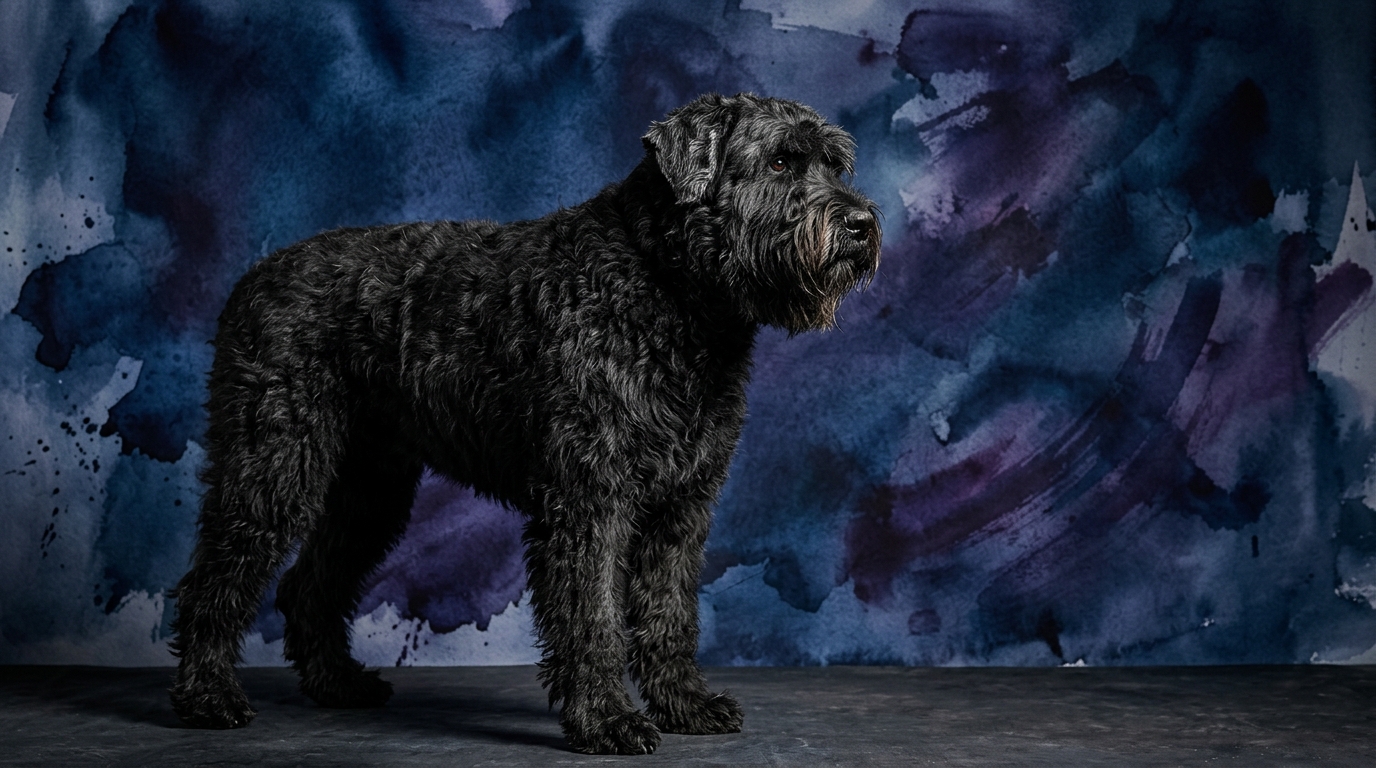
The Bouvier des Flandres, originating from the Herding Group, displays a robust and deliberate cognitive style across its core intellectual dimensions. Their Problem Solving (3/5) is characterized by a thoughtful, unhurried approach to challenges. They are capable of navigating moderately complex situations, often relying on their keen observational skills and a methodical trial-and-error process rather than rapid, intuitive leaps. This reflects their herding heritage, where patience and persistence in evaluating livestock movement and terrain were crucial. Their solutions tend to be steady and practical, designed for enduring effectiveness rather than immediate gratification. In Training Speed (3/5), Bouviers learn at a consistent, steady pace, requiring clear, consistent instruction and sufficient repetition to solidify new commands and behaviors. While not the quickest to grasp a new concept, once a task is learned, it is typically retained exceptionally well, demonstrating a deep, enduring comprehension rather than quick, superficial acquisition. Their learning curve is stable, ensuring reliability over time. Social Intelligence (3/5) in Bouviers involves a solid understanding of social cues and group dynamics within their familiar human and canine circles. They can interpret human intentions and canine interactions with reasonable accuracy, often displaying a watchful, discerning nature. Their social responses are measured and often reserved, indicating an awareness of their environment and the individuals within it without being overly effusive. Their Instinctive Drive (3/5) is moderate but purposeful, primarily rooted in their herding background. This manifests as a natural inclination to gather, protect, and control, often with a steady, watchful intensity. They demonstrate a capacity for independent action when their instincts are engaged, but typically within a structured framework, making them reliable guardians and companions. Finally, their Memory (3/5) is reliable for commands, routines, and significant experiences. They retain learned information and recall past events with good accuracy, which contributes significantly to their consistency in behavior and their ability to follow established patterns. Their memory aids in building strong, lasting associations with their environment and their handlers.
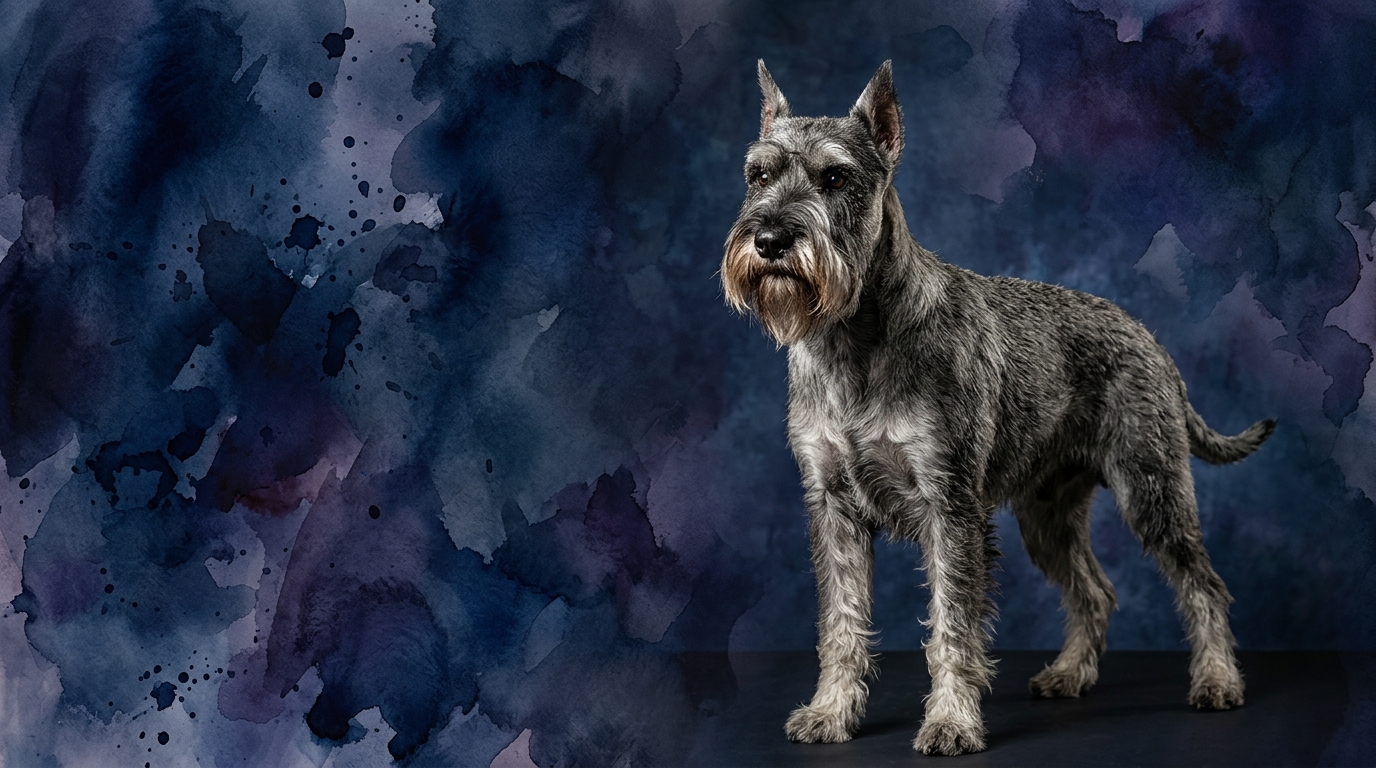
The Standard Schnauzer, a member of the Working Group and Coren ranked #22, presents a more agile and quick-thinking cognitive profile. Their Problem Solving (4/5) demonstrates a sharp, agile mind capable of deciphering novel situations and devising effective solutions with considerable speed and ingenuity. They often approach challenges with a keen exploratory drive, quickly understanding cause-and-effect relationships and adapting their strategies. This cognitive nimbleness makes them particularly adept at navigating complex environments and figuring out how to achieve desired outcomes, even if it involves creative thinking. Regarding Training Speed (4/5), Schnauzers grasp new concepts and commands relatively quickly, often requiring fewer repetitions than many other breeds to achieve mastery. Their capacity for rapid association and inherent eagerness to engage make them highly responsive learners, particularly when training is stimulating and varied. They are quick to pick up on nuances in instruction and thrive on intellectual challenge. Their Social Intelligence (3/5) is on par with the Bouvier, possessing a sound understanding of social dynamics. They are capable of reading cues from their human companions and other animals, interpreting intentions and responding appropriately. Their social interactions are discerning and often characterized by a confident, sometimes reserved, demeanor, reflecting a moderate awareness of their place within a social structure. The Standard Schnauzer’s Instinctive Drive (3/5) is moderate, primarily stemming from their historical roles as guardians, ratters, and versatile farm dogs. This manifests as a watchful territoriality, a strong prey drive for small vermin, and a natural inclination to be alert and protective. Their drive supports their vigilance and readiness for action, making them excellent watchdogs. Their Memory (4/5) is strong and enduring, recalling commands, procedures, and past experiences with a high degree of accuracy and detail. This robust memory contributes significantly to their quick learning and their ability to perform complex, multi-step tasks reliably over time. They build lasting cognitive maps of their world and remember both positive and negative associations vividly.
Where the Bouvier des Flandres Excels Cognitively
While the Standard Schnauzer often displays quicker processing, the Bouvier des Flandres shines in its steadfast application of cognitive faculties, particularly in scenarios demanding patient, sustained focus and independent judgment. Their 3/5 problem-solving score translates into a deliberate, unhurried approach, allowing them to thoroughly assess situations and implement well-considered, if not instantaneous, solutions. This methodical thought process is advantageous in tasks requiring consistent, independent decision-making over extended periods, such as guiding livestock or performing complex search patterns without constant human intervention. Their solid 3/5 memory, combined with their steady training speed, means that once a concept is ingrained, it's typically retained with remarkable resilience, making them exceptionally reliable in established routines and predictable environments.
Where the Standard Schnauzer Demonstrates Superior Cognitive Agility
The Standard Schnauzer's cognitive strengths are evident in its superior problem-solving (4/5), training speed (4/5), and memory (4/5). This combination allows them to process new information and adapt to changing circumstances with greater alacrity and precision. Their quicker grasp of concepts means they can master complex sequences of commands or learn new tricks in fewer repetitions, making them highly responsive to varied and challenging training regimens. The Schnauzer's capacity for rapid cognitive assimilation also makes them particularly adept at navigating novel environments, deciphering new puzzles, or excelling in tasks that demand quick, on-the-spot adjustments, such as agility courses, competitive obedience, or intricate scent work, where swift understanding and recall are paramount.
Training Dynamics: Bouvier des Flandres vs. Standard Schnauzer
When comparing ease and speed of training, the Standard Schnauzer (Training Speed 4/5, Problem Solving 4/5) generally presents a faster learning curve. They tend to pick up new commands and behaviors with fewer repetitions, often demonstrating a keen eagerness to engage in mentally stimulating exercises. Their responsiveness makes them highly suitable for advanced obedience, rally, or dog sports where rapid learning and precise execution are valued, and they thrive on variety. In contrast, the Bouvier des Flandres (Training Speed 3/5, Problem Solving 3/5) requires a more patient, consistent, and structured approach. They learn thoroughly rather than quickly, benefiting from clear, repetitive instruction that builds a strong foundation. Once a Bouvier masters a command, it is typically deeply ingrained, reflecting a profound understanding and commitment to the task. The Bouvier's methodical learning style means initial training might take longer, but the results are often exceptionally reliable and enduring, forming a solid base for complex tasks.
Matching Cognitive Profiles to Owner Lifestyles
The distinct cognitive profiles of these breeds suggest different ideal owner types and lifestyle matches. The Bouvier des Flandres, with its steady 3/5 scores across the board, thrives with owners who appreciate a dog that thinks deliberately and acts reliably. They suit individuals who can offer consistent routines, patient and clear training, and who value a dog's independent, thoughtful decision-making within a structured environment. Their robust nature and solid cognitive foundation make them excellent companions for active owners who enjoy long, purposeful walks, engage in consistent, familiar tasks like advanced obedience, or appreciate a watchful, protective presence. Conversely, the Standard Schnauzer, with its 4/5 in problem-solving, training speed, and memory, is better suited for highly active owners who can provide ample and varied mental stimulation and diverse challenges. These dogs excel with individuals who enjoy teaching complex sequences, participating in fast-paced dog sports like agility or flyball, or engaging in regular puzzle-solving activities. Their quicker cognitive processing and need for intellectual engagement mean they can become bored or develop undesirable behaviors if not adequately challenged, making them a better fit for owners who are proactive in providing diverse and ongoing mental enrichment.
The Verdict
Choose the Bouvier des Flandres if you value a steadfast, deliberate companion who learns thoroughly and applies its cognitive skills with patient reliability in established routines. This breed suits owners who appreciate a dog that thinks independently but within a consistent, structured framework.
Opt for the Standard Schnauzer if you seek a quick-witted, agile learner capable of rapidly mastering new tasks and excelling in dynamic, mentally stimulating activities. This breed is ideal for owners who enjoy providing diverse cognitive challenges and participating in fast-paced dog sports.
🧠 Find Your Pet's IQ Score
Our Pet IQ Lab assessment covers 25+ tests across 5 cognitive dimensions — personalized to your breed.
Take the Full IQ Test →Frequently Asked Questions
Is the Bouvier des Flandres difficult to train?
The Bouvier des Flandres is not difficult to train, but they learn at a more methodical pace (Training Speed 3/5) than some other breeds. They thrive with consistent, clear instruction and repetition, building a deep understanding of commands that results in reliable, lasting retention.
How much mental stimulation does a Standard Schnauzer need?
Standard Schnauzers, with their 4/5 problem-solving and memory, require significant mental stimulation to prevent boredom. They benefit from varied training, puzzle toys, and engaging activities like dog sports or advanced obedience to keep their agile minds occupied.
Which breed is better for a first-time dog owner?
Neither breed is typically recommended for completely novice owners without prior research, due to their strong working drives and need for consistent guidance. However, a patient first-time owner committed to consistent training might find the Bouvier's steady learning rewarding, while a Standard Schnauzer demands a more proactive and experienced approach to mental engagement.