
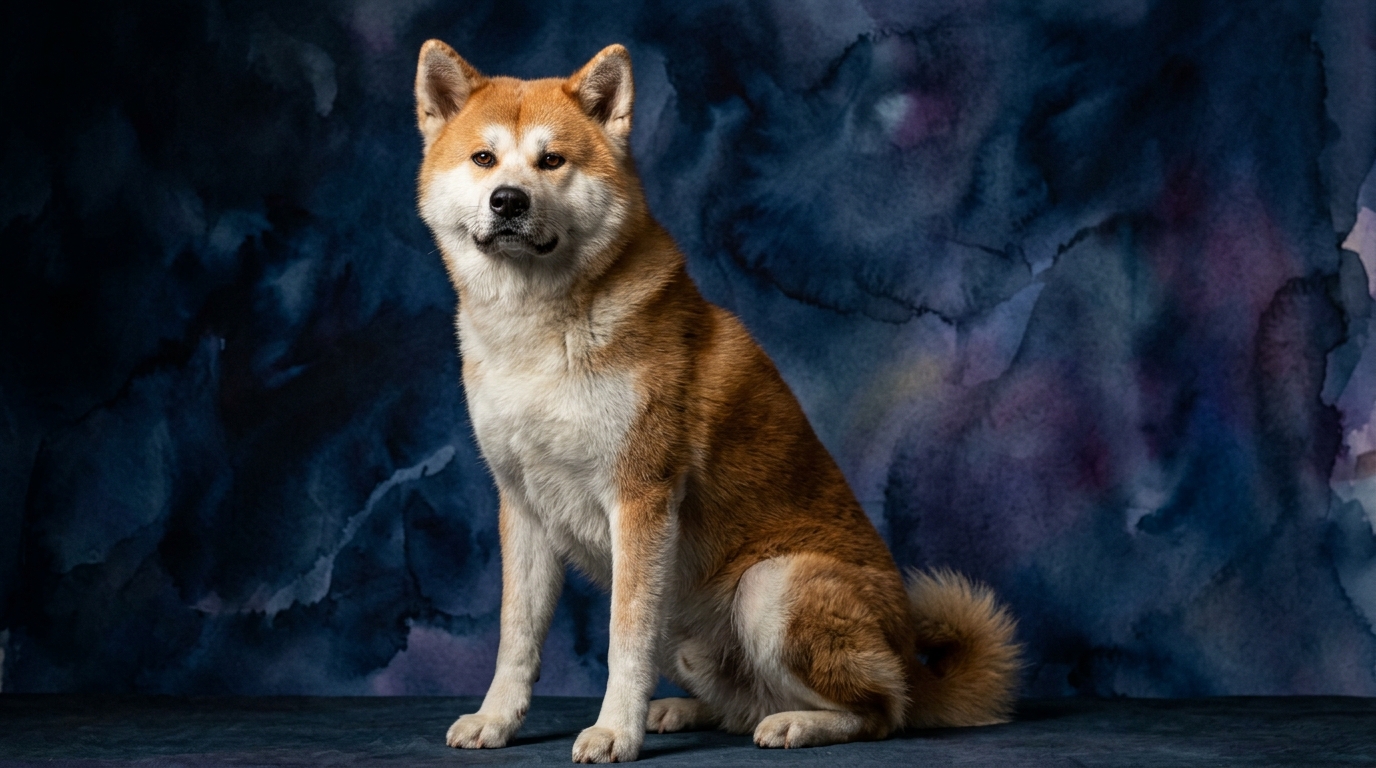
Side-by-Side IQ Profile: Boxer vs. Akita
The Cosmic Pet Pet IQ Lab employs a five-dimensional framework to assess canine intelligence, offering a granular view beyond simple ranking. For the Boxer, with a Coren rank of #48, their profile includes Problem Solving (3/5), Training Speed (3/5), Social Intelligence (5/5), Instinctive Drive (4/5), and Memory (3/5). This suggests a dog that is moderately adept at navigating new challenges, learns at an average pace, is exceptionally attuned to human social cues, possesses strong natural predispositions, and retains information adequately for daily life.
In contrast, the Akita, holding a Coren rank of #54, presents a distinct cognitive signature: Problem Solving (3/5), Training Speed (2/5), Social Intelligence (3/5), Instinctive Drive (5/5), and Memory (4/5). This profile indicates a breed with a similar moderate problem-solving capacity but a slower uptake on training commands, a more independent approach to social interactions, an exceptionally powerful innate drive, and a notably strong ability to recall past events and learned information. These differences highlight how two working dogs can approach the world with markedly different cognitive styles.
Where the Boxer Wins Cognitively
The Boxer exhibits a distinct advantage in social intelligence, scoring a perfect 5/5. This exceptional capacity means they are profoundly adept at interpreting human emotions, intentions, and body language, allowing for a highly responsive and intuitive bond with their family members. Their strong desire for connection translates into a greater willingness to engage in cooperative tasks and a quicker understanding of household social rules, which helps them integrate smoothly into diverse family environments, often anticipating human actions and responding appropriately.
Furthermore, the Boxer's Coren rank of #48, slightly higher than the Akita's #54, suggests a quicker average capacity for understanding and obeying new commands. While their training speed is rated 3/5, their superior social intelligence often augments this by making them more eager to please and more attuned to the nuances of human instruction. This cognitive blend makes them highly adaptable to various training methods and social learning scenarios, particularly where active human participation and feedback are central to the learning process.
Where the Akita Wins Cognitively
The Akita's cognitive strength shines brightest in its powerful instinctive drive (5/5) and superior memory (4/5). Their exceptional instinctive drive means Akitas possess an unwavering commitment to tasks rooted in their natural predispositions, such as guarding territory or family members. This isn't merely a physical trait; it deeply influences their cognitive processing, making them highly observant of their surroundings and acutely aware of potential threats, driving their protective behaviors with formidable consistency and focus.
Their robust memory allows Akitas to retain complex sequences, remember specific locations, and recall past experiences with remarkable accuracy, which is crucial for their role as vigilant guardians. This strong recall, combined with their instinctive drive, means an Akita will remember who belongs and who doesn't, or specific routes and boundaries, for extended periods. While their social intelligence is moderate, their memory ensures they internalize and consistently apply learned rules or past interactions, contributing to their reliable and steadfast nature in their duties.
Which is Easier to Train and Why
The Boxer generally presents an easier training experience due to their superior social intelligence (5/5) and moderate training speed (3/5). They possess a strong desire to interact and cooperate with their human companions, making them highly receptive to positive reinforcement and eager to please. Their ability to quickly grasp human intentions and respond to subtle cues means they often require fewer repetitions to master new commands, and they are more forgiving of handler errors. This innate social drive makes them naturally inclined to view training as a collaborative activity, fostering a smoother and more rewarding learning curve for most owners.
Conversely, the Akita's training requires a more experienced and patient approach, influenced by their lower training speed (2/5) and moderate social intelligence (3/5), coupled with an exceptionally high instinctive drive (5/5). Akitas are independent thinkers; they process commands but often weigh them against their own strong instincts or perceived necessity. They may not see immediate value in performing a task simply because a human asks, necessitating clear, consistent, and highly motivating training that respects their self-reliant nature. While they possess excellent memory, leveraging this requires understanding their deep-seated drives rather than expecting eager compliance, making training a longer, more nuanced process focused on building mutual respect and trust.
Which Suits Active Owners vs. Relaxed Owners
Boxers are typically better suited for active owners who seek an engaged, energetic companion eager to participate in daily activities and social outings. Their strong social intelligence and moderate instinctive drive mean they thrive on interaction, play, and structured exercise that involves their human family. They enjoy mental stimulation through training games and physical exertion through vigorous walks, runs, or dog sports. Owners who appreciate a dog deeply involved in family life and who can provide consistent mental and physical engagement will find a Boxer to be a joyful and responsive partner.
Akitas, with their strong instinctive drive and more independent social intelligence, often align better with owners who appreciate a dignified, watchful companion and can provide structured, purposeful activity rather than constant boisterous play. While they require regular exercise, their nature leans more towards vigilance and patrolling than endless fetch. They suit experienced owners who understand the nuances of a highly driven breed and can commit to consistent, respectful training and socialization. Akitas can certainly be active, but their activity often has a purpose or a routine, making them a better fit for owners who are active in a structured way and value a dog's independent presence over constant, effusive interaction.
The Verdict
Choose a Boxer if you desire a highly social, cooperative, and energetic companion who thrives on family interaction and is generally more amenable to varied training approaches.
Opt for an Akita if you are an experienced owner seeking a dignified, independent guardian with a powerful protective instinct and the patience to engage in consistent, respectful training.
🧠 Find Your Pet's IQ Score
Our Pet IQ Lab assessment covers 25+ tests across 5 cognitive dimensions — personalized to your breed.
Take the Full IQ Test →Frequently Asked Questions
Are Boxers good with children and other pets?
Boxers' high social intelligence (5/5) often makes them excellent family dogs, typically patient and playful with children when properly socialized. Their desire for companionship also means they can coexist well with other pets, especially if introduced early and managed with positive reinforcement, embracing their role within a family unit.
Do Akitas require a lot of exercise?
Akitas have a strong instinctive drive (5/5) and require regular, structured exercise to remain content and healthy. While not necessarily needing constant high-intensity activity like some breeds, daily walks, purposeful outdoor time, and mental stimulation are crucial to channel their energy and intelligence effectively, fulfilling their natural predispositions.
How do their problem-solving skills compare in real-world scenarios?
Both breeds score 3/5 in problem-solving, indicating a moderate capacity. A Boxer might solve a puzzle toy through trial and error, perhaps looking to their owner for guidance due to their social intelligence. An Akita might approach a similar problem with more independent persistence, relying on memory and instinct to figure it out without much human intervention, demonstrating self-reliance.