
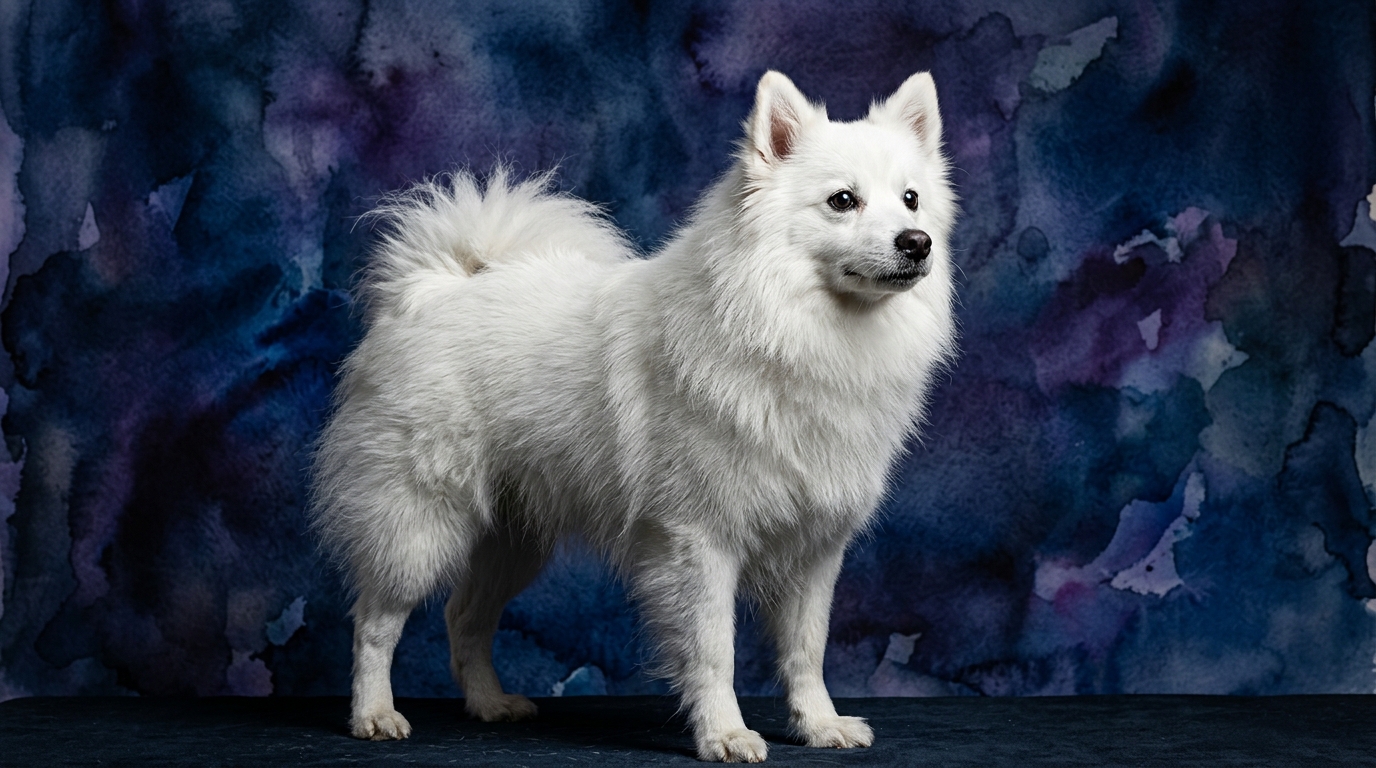
Side-by-Side IQ Profile: Boxer vs. American Eskimo Dog
The Boxer, a member of the Working Group, brings a cognitive profile shaped by its heritage as a guard and utility dog. Their Problem Solving score of 3/5 indicates a capacity for navigating moderately complex situations, often with a direct, energetic approach rather than intricate strategizing. They can figure out how to open a simple latch or retrieve a hidden toy, but might not be the masterminds behind multi-step puzzles.
In Training Speed, the Boxer also registers a 3/5, suggesting they absorb new commands at an average pace; consistency and clear communication are paramount, as they learn steadily rather than instantaneously. However, their outstanding Social Intelligence, rated at a perfect 5/5, is a defining characteristic; Boxers possess an exceptional ability to read human emotions, intentions, and body language, making them incredibly attuned companions who thrive on deep connection.
Their Instinctive Drive stands at 4/5, reflecting a pronounced natural inclination for tasks like guarding, chasing, and engaging in vigorous play. This drive, rooted in their working lineage, requires appropriate outlets to prevent boredom or misdirection. Lastly, their Memory, at 3/5, allows them to retain learned behaviors and experiences effectively, ensuring that once a skill is mastered, it tends to stick.
The American Eskimo Dog, from the Non-Sporting Group, presents a remarkably consistent cognitive blueprint across all dimensions. Their Problem Solving ability, like the Boxer, scores 3/5, meaning they are capable of deciphering typical household challenges and simple environmental puzzles. They are not easily stumped by everyday obstacles, but also won't be redesigning your home's layout.
Their Training Speed also mirrors the Boxer at 3/5, indicating a steady learning curve that benefits from patient, positive reinforcement. The Eskie's Social Intelligence is rated at 3/5; while they form strong bonds with their families, they might display a slightly more independent streak and may not be as overtly 'tuned in' to every subtle human emotional shift as some breeds. They appreciate companionship but can also entertain themselves.
Instinctive Drive for the American Eskimo Dog is 3/5, a moderate level that includes natural watchdog tendencies and a playful chase drive, but generally without the intense focus seen in breeds with higher scores. This means their innate urges are present but often more manageable. Finally, their Memory, also 3/5, ensures they remember commands, routines, and experiences reliably, providing a stable foundation for their learning and behavior.
Where the Boxer Wins Cognitively
When we consider specific cognitive strengths, the Boxer undeniably shines in Social Intelligence, scoring a rare 5/5 compared to the Eskie’s 3/5. This profound capacity for empathy and understanding human nuance means Boxers are incredibly perceptive companions. They often anticipate their owner’s needs, respond acutely to mood changes, and excel in roles requiring deep emotional connection, such as therapy work or simply being a remarkably intuitive family member. This exceptional social attunement fosters an almost telepathic bond, making them highly responsive to their human counterparts.
Furthermore, the Boxer’s Instinctive Drive, rated at 4/5 against the Eskie’s 3/5, gives them a distinct advantage in purposeful activity. This higher drive translates into a natural inclination for engaging in specific tasks and structured play with intensity and focus. Whether it's excelling in protection sports, agility, or simply retrieving a ball with relentless enthusiasm, their robust internal motivation makes them powerful partners for activities that channel these innate urges effectively. This drive, when properly guided, can lead to impressive achievements in various canine disciplines.
Where the American Eskimo Dog's Cognitive Profile Offers Distinct Advantages
While the Boxer excels in specific areas, the American Eskimo Dog’s cognitive profile offers distinct advantages, particularly in its balanced and consistent nature. Scoring 3/5 across all five dimensions suggests a dog that is adaptable and generally predictable in its intellectual responses. This consistency means owners are less likely to encounter extremes in behavior driven by overly intense instincts or overwhelming social demands, fostering a more even-keeled daily experience.
Considering their Problem Solving at 3/5 alongside a Social Intelligence of 3/5, Eskies often demonstrate a self-sufficient approach to novel situations. Unlike the Boxer, who might look to their owner for cues due to their high social attunement, an Eskie might independently ponder and work through a challenge without constant human affirmation. This can be appealing for owners who appreciate a dog with a degree of self-reliance in navigating their environment. Their moderate Instinctive Drive also means less intense prey or guarding behaviors that require extensive management, making their natural inclinations generally easier to integrate into a diverse range of household dynamics.
Which is Easier to Train and Why
Comparing ease of training between these two breeds presents an interesting dynamic, despite both scoring 3/5 in Training Speed. The Boxer’s exceptional Social Intelligence (5/5) plays a pivotal role here; they are inherently eager to please their human companions and thrive on positive reinforcement and the strong bond they share. This deep desire for connection often translates into a cooperative attitude during training sessions, where they work diligently to earn approval, making them remarkably responsive to a patient, consistent handler. Their higher Instinctive Drive (4/5) can be a double-edged sword; it provides strong motivation for task-oriented training but also requires more dedicated channeling to prevent distractions or undesirable expressions.
The American Eskimo Dog, with its 3/5 Social Intelligence, tends to be more independent during training. While certainly capable of learning new commands at an average pace, they might require more creative motivation, such as high-value treats or engaging games, rather than solely relying on owner approval. Their moderate Instinctive Drive (3/5) means they might not possess the same intense drive to 'work' as a Boxer, but also fewer deeply ingrained urges that need redirection. An Eskie can be equally successful in training, but their approach often demands a handler who understands how to appeal to their self-interest and independent spirit, rather than their desire for constant human validation.
Which Suits Active Owners vs. Relaxed Owners
For active owners seeking a dynamic partner, the Boxer is often an ideal match. Their 4/5 Instinctive Drive fuels a need for significant physical and mental engagement, making them thrive in environments where they can participate in long, energetic walks, structured play sessions, or dog sports like agility and obedience. Their high Social Intelligence means they relish shared activities and interaction, making them eager participants in adventures alongside their human companions. Boxers are not content to be couch potatoes; they require consistent outlets for their boundless energy and working instincts to remain balanced and content.
The American Eskimo Dog, while certainly an active and playful breed, presents a more adaptable energy profile that can suit a broader range of lifestyles, including those of more relaxed owners. With an Instinctive Drive of 3/5, they enjoy regular exercise, such as daily walks and engaging play, but their demands are generally less intense than the Boxer's. They are often content to curl up with their family after a good walk, balancing their need for activity with a quieter companionship. While they certainly benefit from mental stimulation, their cognitive makeup allows them to be equally happy with family time as with rigorous training, making them a good fit for owners who provide consistent engagement without necessarily participating in intense, high-impact activities.
The Verdict
Choose the Boxer if you seek a profoundly connected, empathetic companion who thrives on intense social interaction and structured activities, and you are prepared to channel their robust working drives into purposeful engagement.
Opt for the American Eskimo Dog if you desire a bright, independent companion with a balanced and consistent cognitive profile, appreciating family life and regular, yet not necessarily intense, mental and physical engagement.
🧠 Find Your Pet's IQ Score
Our Pet IQ Lab assessment covers 25+ tests across 5 cognitive dimensions — personalized to your breed.
Take the Full IQ Test →Frequently Asked Questions
Are Boxers and American Eskimo Dogs generally good with children?
Boxers, with their 5/5 social intelligence and playful nature, often form strong, gentle bonds with children, provided they are properly socialized and supervised. American Eskimo Dogs, at 3/5 social intelligence, can also be wonderful family dogs, though their slightly more independent streak might mean they tolerate rather than actively seek out constant interaction with very young children. Both breeds benefit immensely from early exposure to respectful children.
Do American Eskimo Dogs bark excessively due to their watchdog instincts?
The American Eskimo Dog's 3/5 instinctive drive includes a natural inclination to alert their family to anything unusual, making them effective watchdogs. This can translate to barking, especially if not managed through training and socialization. While they are not typically excessive barkers in a nuisance sense, their vocal nature is something potential owners should be prepared to address with consistent training.
Which breed is better suited for apartment living, considering their cognitive needs?
While both breeds can adapt to apartment living with sufficient exercise, the American Eskimo Dog might be slightly more adaptable due to its 3/5 instinctive drive and more moderate energy demands compared to the Boxer's 4/5 drive. Boxers require more vigorous and consistent outlets for their energy and social needs, making a spacious apartment or very dedicated owner essential. Eskies still need daily walks and mental engagement, but their overall intensity is often lower.