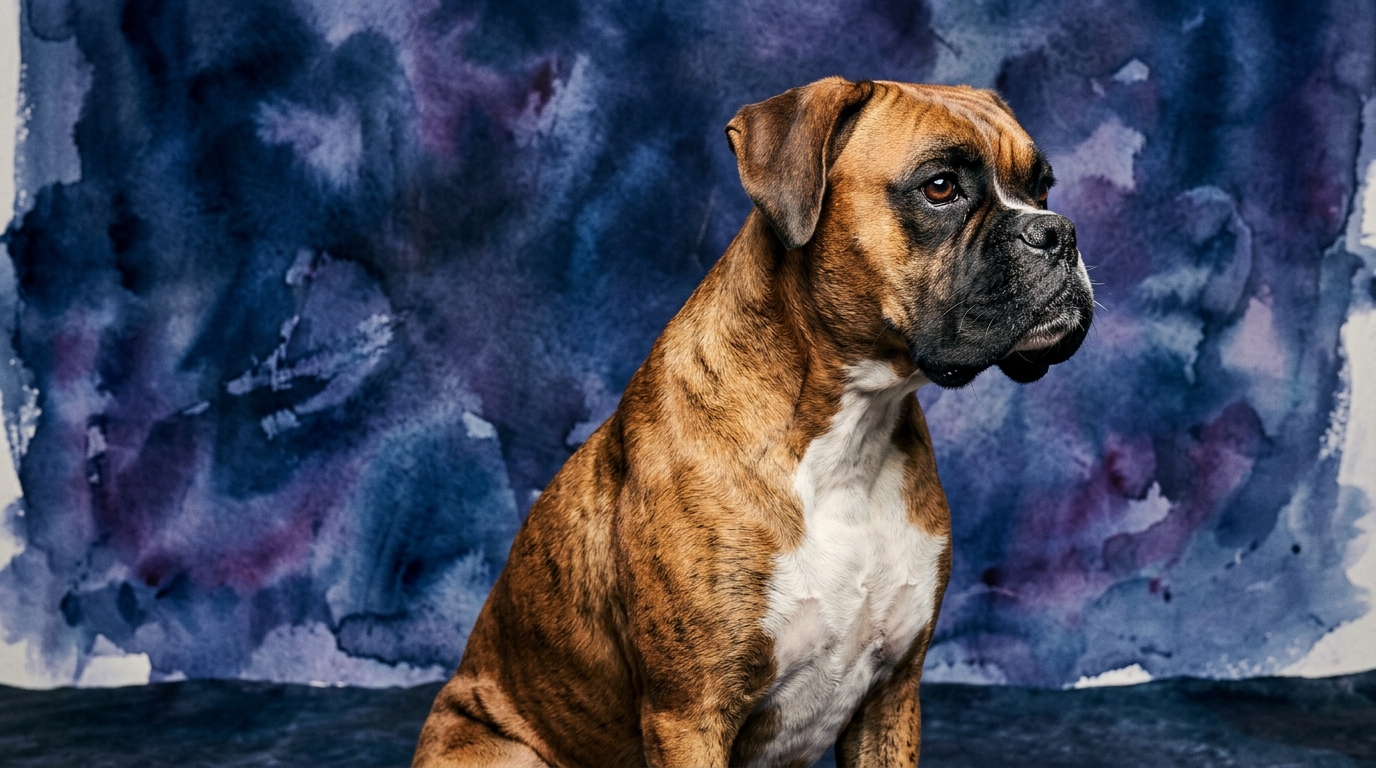
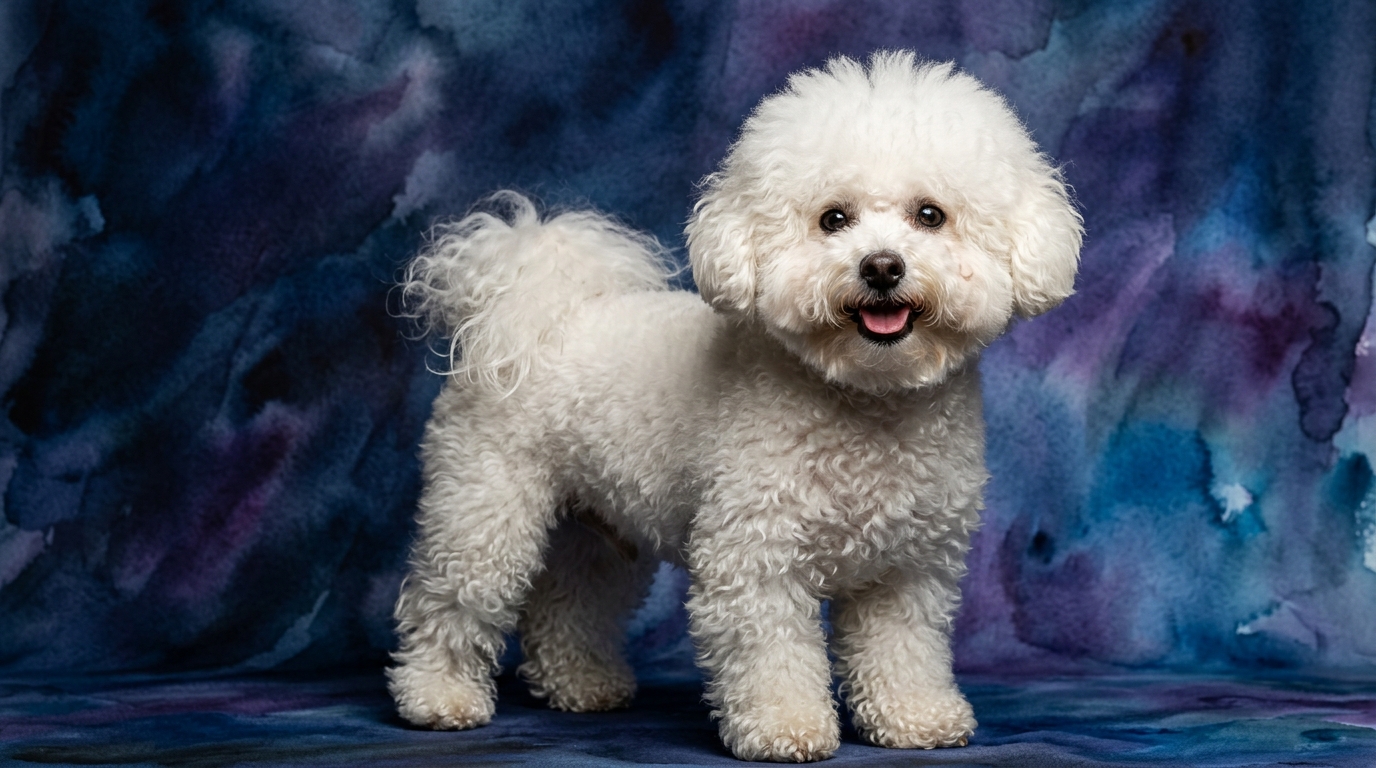
Side-by-Side IQ Profile: Boxer vs. Bichon Frisé
The Boxer, a dog from the Working group, presents a robust cognitive profile with a Coren rank of #48. Their problem-solving abilities score a respectable 3 out of 5, indicating a capacity for navigating complex situations and learning from experience. Training speed also sits at 3 out of 5, suggesting they grasp new commands at a moderate pace, requiring consistent and engaging methods. Where Boxers truly shine is in social intelligence, scoring a perfect 5 out of 5, reflecting their strong ability to understand human cues and integrate into family dynamics. Their instinctive drive is notably high at 4 out of 5, pushing them towards activity and purpose, while their memory stands at 3 out of 5, allowing them to retain learned behaviors and experiences.
In contrast, the Bichon Frisé, a delightful member of the Non-Sporting group, holds a slightly higher Coren rank at #45, yet their individual IQ scores paint a nuanced picture. Their problem-solving capacity mirrors the Boxer at 3 out of 5, demonstrating similar aptitude for figuring things out. Training speed is also identical at 3 out of 5, meaning they learn new tasks at a comparable rate. Like the Boxer, the Bichon Frisé exhibits exceptional social intelligence, scoring 5 out of 5, making them highly attuned to their human companions. However, their instinctive drive is considerably lower at 2 out of 5, suggesting less inherent motivation for task-oriented work, while their memory matches the Boxer at 3 out of 5.
Where the Boxer Excels Cognitively
The Boxer's distinct cognitive advantage primarily stems from their higher instinctive drive, rated at 4 out of 5 compared to the Bichon Frisé’s 2 out of 5. This elevated drive means Boxers possess an innate eagerness for engagement and a natural inclination towards purpose-driven activities. This isn't merely about physical energy; it translates into a mental readiness to participate in structured tasks, whether it's learning a new sport, performing a job, or simply engaging in interactive play that requires focus and determination.
This strong drive, coupled with their perfect 5 out of 5 social intelligence, allows Boxers to excel in scenarios where understanding human intent and applying that understanding to complete a task is crucial. They are adept at interpreting complex commands and responding with enthusiastic compliance, often showing a profound understanding of their role within a family unit or a working environment. Their cognitive makeup makes them particularly well-suited for roles that demand both intellectual engagement and a strong will to perform.
Where the Bichon Frisé Holds a Cognitive Edge
While the individual IQ dimension scores for the Bichon Frisé are largely similar to or slightly lower than the Boxer's, their higher Coren rank of #45 (compared to the Boxer's #48) hints at a subtle, yet significant, cognitive advantage in certain contexts. This higher ranking often reflects a more consistent ability to respond to novel commands with fewer repetitions and a greater capacity for independent problem-solving in specific, less physically demanding scenarios. The Bichon Frisé's cognitive strengths might manifest in their adaptable nature and ability to thrive in diverse home environments.
Their excellent social intelligence (5/5), combined with a lower instinctive drive (2/5), means the Bichon Frisé is exceptionally attuned to human emotions and desires without necessarily needing a 'job' to feel fulfilled. This makes them remarkably adept at navigating social dynamics purely for companionship, often exhibiting a keen ability to comfort or entertain through their understanding of human moods. Their cognitive profile makes them masters of domestic harmony, excelling at being intuitive and responsive companions rather than task-oriented partners.
Training Dynamics: Boxer vs. Bichon Frisé
When considering ease of training, both breeds share a training speed score of 3 out of 5, suggesting they learn at a moderate pace. However, the Boxer's significantly higher instinctive drive (4/5) often translates into a more enthusiastic and consistent training partner. Boxers are typically eager to please and thrive on having a purpose, making them highly motivated by positive reinforcement and structured learning. Their strong drive means they are often more persistent in attempting tasks and less prone to distraction when a clear objective is presented, making them generally easier to guide through complex obedience or sport training.
The Bichon Frisé, with its lower instinctive drive (2/5), may require more creative and engaging motivation during training sessions. While their 5/5 social intelligence makes them highly responsive to human interaction and praise, their natural inclination isn't necessarily to perform tasks for the sake of it. Training a Bichon often benefits from shorter, fun-filled sessions that leverage their desire for companionship and affection, rather than relying on a strong inherent work ethic. Behavioral differences might include the Boxer's greater stamina for repetitive drills versus the Bichon's preference for varied, play-based learning to maintain interest.
Matching Canine Cognition to Lifestyle
For active owners seeking a canine partner for demanding physical and mental pursuits, the Boxer's cognitive profile aligns exceptionally well. Their high instinctive drive (4/5) and robust problem-solving (3/5) mean they flourish with consistent exercise, advanced obedience, agility, or even protection work. They thrive on having a purpose and the mental stimulation that comes from engaging in activities that challenge both their bodies and their minds. An owner who enjoys hiking, running, or dog sports will find the Boxer's cognitive eagerness and physical stamina an ideal match, allowing them to bond over shared, strenuous activities.
Conversely, relaxed owners who prioritize companionship and gentle interaction will find the Bichon Frisé's cognitive makeup perfectly suited to their lifestyle. While capable of learning and engaging, their lower instinctive drive (2/5) means they don't demand constant, high-intensity mental or physical challenges to feel content. Their exceptional social intelligence (5/5) allows them to form deep, intuitive bonds with their families, making them wonderful snuggle companions and emotional supports. Owners who prefer leisurely walks, indoor play, and a devoted lap companion will appreciate the Bichon's ability to be a calm and responsive presence without needing a 'job' to fulfill their cognitive needs.
The Verdict: Choosing Your Companion
The Verdict
Choose the Boxer if you are an active individual or family seeking a devoted companion with a strong drive for engagement, capable of excelling in structured activities and demanding tasks.
Opt for the Bichon Frisé if you desire a highly social, adaptable companion who thrives on close human interaction and provides intuitive emotional support in a more relaxed home environment.
🧠 Find Your Pet's IQ Score
Our Pet IQ Lab assessment covers 25+ tests across 5 cognitive dimensions — personalized to your breed.
Take the Full IQ Test →Frequently Asked Questions
Do Boxers make good family dogs?
Yes, Boxers often make excellent family dogs due to their outstanding social intelligence (5/5) and affectionate nature. They form strong bonds with family members and are generally patient with children, provided they receive proper training and socialization from a young age.
Are Bichon Frisés difficult to train?
While their training speed is moderate (3/5) and instinctive drive is lower (2/5), Bichon Frisés are not inherently difficult to train. They respond well to positive reinforcement and consistent, engaging methods, leveraging their high social intelligence to please their owners.
Which breed is better for apartment living?
The Bichon Frisé is generally better suited for apartment living due to their smaller size and lower instinctive drive, meaning they require less extensive outdoor exercise. Boxers, despite their social nature, need more space and vigorous activity to satisfy their higher drive and energy levels.