Side-by-Side Cognitive Profiles
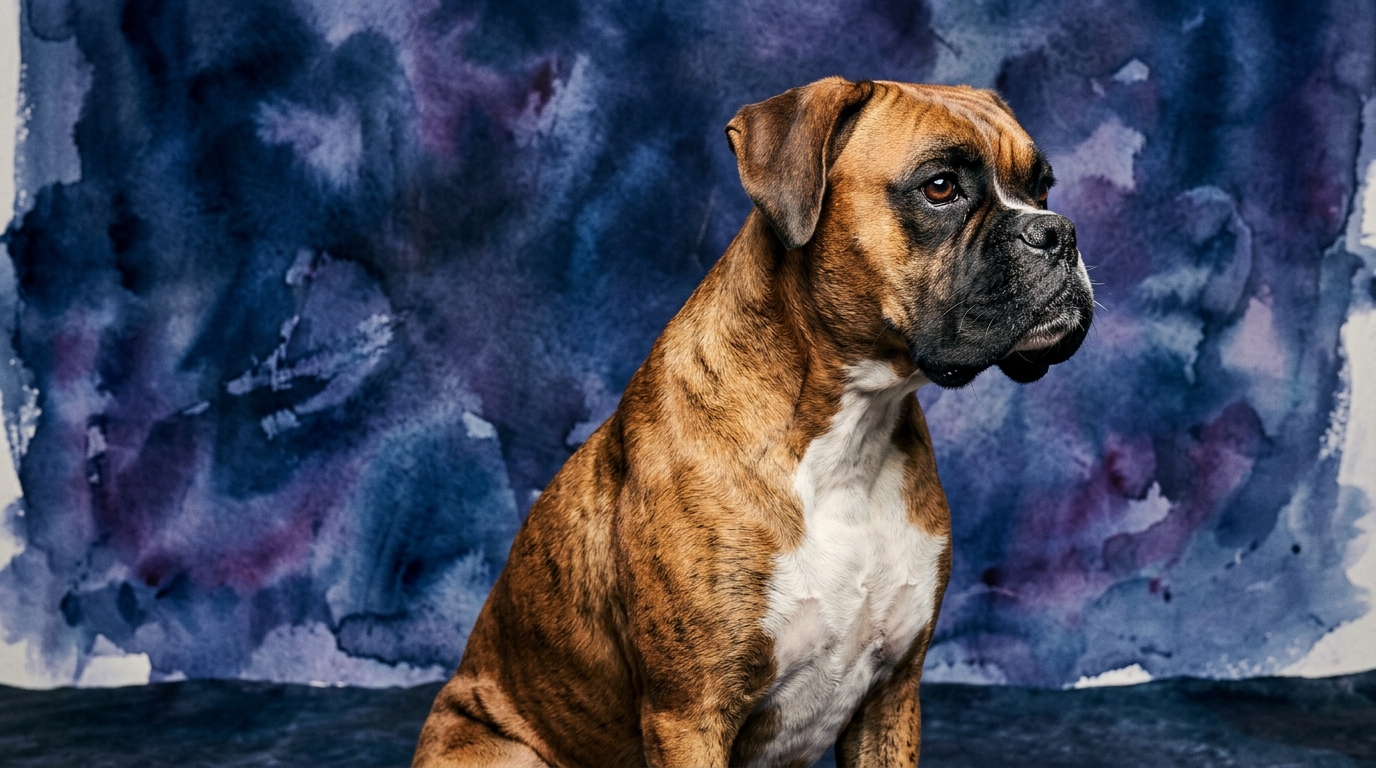
The Boxer, a distinguished member of the Working group, carries a Coren rank of #48, suggesting a notable capacity for obedience and working intelligence. Their Problem Solving is rated 3/5, indicating an ability to navigate moderate challenges, like figuring out how to access a favorite toy or opening a simple gate, without exceptional ingenuity. Training Speed also stands at 3/5, meaning they require consistent, clear instruction and positive reinforcement to grasp new commands, learning steadily rather than instantaneously. Where the Boxer truly shines is in Social Intelligence, scoring a perfect 5/5. This reflects a profound ability to read human emotions, understand subtle cues, and form exceptionally strong, empathetic bonds with their family members. Their Instinctive Drive is rated 4/5, pointing to a natural inclination for purpose-driven activities, whether it's guarding, playing, or engaging in structured tasks, indicating a need for outlets for their energy and focus. Finally, their Memory is 3/5, ensuring they retain learned behaviors and routines reliably over time, though not with extraordinary precision for intricate details.
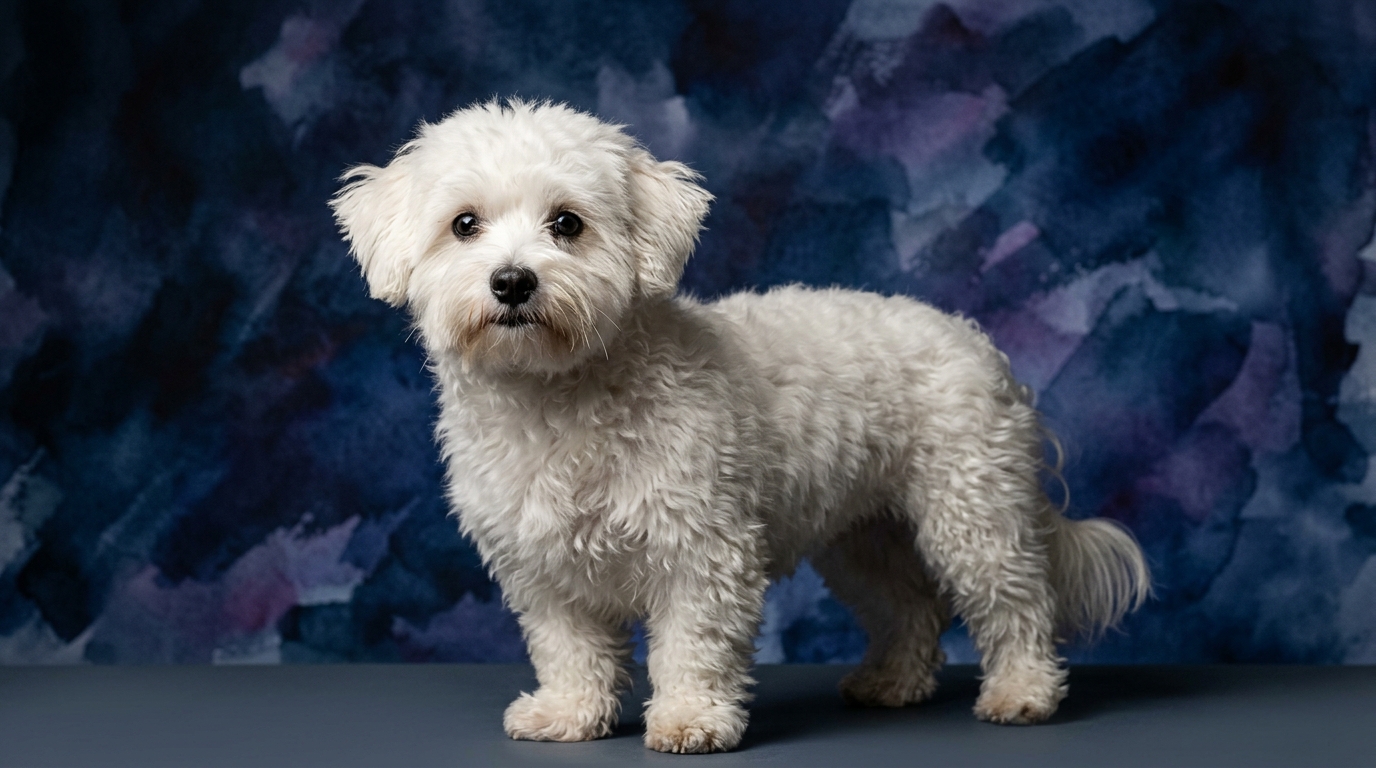
The Coton de Tuléar, a delightful companion from the Non-Sporting group, does not hold a Coren rank, aligning with its primary role as a charming companion rather than a working dog. Across the board, the Coton displays a balanced and moderate cognitive profile. Their Problem Solving is 3/5, showing an ability to tackle everyday challenges, like finding hidden treats or navigating furniture, demonstrating practical intelligence for their immediate environment. Training Speed mirrors the Boxer at 3/5, meaning they learn at a steady pace with patient, consistent methods, absorbing new information without excessive repetition. Their Social Intelligence is 3/5, allowing them to form affectionate connections with their human companions, understanding basic emotional states and enjoying interaction without the intense, almost telepathic bond seen in some breeds. Instinctive Drive is also 3/5, indicating a moderate level of natural urges for play and companionship, but less intense than a working breed, making them generally adaptable to a home environment without constant 'work.' Memory is 3/5, ensuring they remember routines, commands, and familiar faces, contributing to their reliability as a companion.
Where the Boxer Wins Cognitively
The Boxer’s cognitive profile shines particularly bright in areas centered around human interaction and purpose, offering a distinct advantage for owners seeking a deeply engaged partner. Their exceptional Social Intelligence, scoring a perfect 5/5 compared to the Coton’s 3/5, translates into a profound ability to interpret human body language, vocal inflections, and emotional states. This makes them incredibly attuned family members, often anticipating needs or reacting empathetically to moods, forging deep, almost intuitive bonds. Owners frequently report Boxers seeming to 'understand' them on a deeper level, making them excellent candidates for roles where human connection and responsiveness are paramount. Furthermore, their Instinctive Drive of 4/5, significantly higher than the Coton's 3/5, imbues them with a strong desire for engagement and a sense of purpose. This drive manifests as a readiness to participate in structured activities, a natural inclination towards protective roles, and an enduring enthusiasm for play that can be channeled into focused tasks. While their Problem Solving and Training Speed are moderate, this underlying drive and social acumen enable them to excel in collaborative tasks, making them highly responsive partners for those seeking a dog deeply involved in their daily lives and activities.
Where the Coton de Tuléar Wins Cognitively
While the Coton de Tuléar's individual scores might not surpass the Boxer's in any single category, their cumulative cognitive profile presents distinct advantages for certain lifestyles. The Coton's balanced scores across Problem Solving (3/5), Training Speed (3/5), Social Intelligence (3/5), Instinctive Drive (3/5), and Memory (3/5) create a remarkably adaptable and generally low-stress cognitive companion. Unlike breeds with extremely high instinctive drives, the Coton’s moderate drive means they are less prone to developing behavioral issues stemming from boredom or a lack of intense 'work.' They are content with a comfortable domestic life, requiring less strenuous mental challenges or constant employment to feel fulfilled. Their social intelligence, while not as profound as the Boxer's, is perfectly suited for forming affectionate, reliable bonds without demanding constant, complex interaction, making them excellent for owners who appreciate a gentle, present companion rather than an intensely driven partner. The lack of a Coren ranking, signifying they weren't primarily bred for complex obedience, underscores their natural aptitude for simply being a charming, adaptable family member whose cognitive strengths lie in harmonious coexistence rather than task mastery. They win in their inherent suitability for a relaxed, companion-focused existence, requiring less intensive cognitive management.
Which is Easier to Train and Why
Both breeds share a Training Speed score of 3/5, suggesting that neither is inherently a 'quick study' nor particularly challenging to teach, provided consistent methods are used. However, the Boxer's superior Social Intelligence (5/5) and higher Instinctive Drive (4/5) often make them *feel* easier to train for specific types of owners. A Boxer’s intense desire to interact and please their human, coupled with a drive to engage in purposeful activities, means they are often highly motivated by praise and participation. They watch their owners closely, eager to understand what is expected of them, and thrive on having a 'job,' whether it's obedience, agility, or simply being a vigilant family guardian. This keen social awareness and drive can translate into a more enthusiastic and responsive training partner, especially for owners who enjoy structured, interactive sessions and want a dog that actively participates in the learning process. In contrast, while the Coton de Tuléar (3/5 Social Intelligence, 3/5 Instinctive Drive) is certainly trainable, their motivation might stem more from a desire for comfort or a treat than from an intense need for human validation or a strong drive for task completion. They might require more novelty in training to maintain engagement and may not offer the same intense focus on their handler's every cue. Therefore, while both learn at a similar pace, the Boxer's cognitive makeup often makes them a more overtly eager and engaged student for owners willing to harness their social and driven nature.
Which Suits Active Owners vs. Relaxed Owners
The distinct cognitive profiles of the Boxer and Coton de Tuléar clearly delineate their suitability for different owner lifestyles. An active owner, keen on engaging their dog in structured activities, advanced training, or even dog sports, would find a deeply fulfilling partner in the Boxer. Their 5/5 Social Intelligence means they thrive on constant human interaction, understanding complex cues, and participating in shared experiences. Coupled with their 4/5 Instinctive Drive, Boxers possess an inherent need for a purpose, whether it's guarding the home, excelling in obedience, or simply being an intensely involved family member in all adventures. They require mental stimulation that channels this drive and social acuity, flourishing in environments that offer consistent engagement and a 'job' to do, aligning perfectly with an owner who enjoys an active, participatory canine relationship. For relaxed owners, perhaps those seeking a gentle, charming presence without the need for intense daily activities or complex training regimens, the Coton de Tuléar is often a more fitting choice. Their balanced 3/5 scores across most cognitive dimensions, including a moderate 3/5 Instinctive Drive, mean they are content with a less demanding schedule. They enjoy companionship and play but aren't constantly seeking a strenuous mental workout or a complex task to perform. Their social intelligence is sufficient for forming warm, affectionate bonds, making them ideal lap companions who are happy to observe and participate in a more laid-back home environment, perfectly suiting owners who prioritize calm, consistent companionship.
The Verdict
Opt for a Boxer if you seek a deeply engaged, socially astute, and purpose-driven companion for an active lifestyle, thriving on strong human bonds and consistent mental and physical engagement.
Select a Coton de Tuléar if you desire a charming, adaptable, and affectionate companion whose moderate cognitive needs align perfectly with a more relaxed, companion-focused home environment.
🧠 Find Your Pet's IQ Score
Our Pet IQ Lab assessment covers 25+ tests across 5 cognitive dimensions — personalized to your breed.
Take the Full IQ Test →Frequently Asked Questions
Do Boxers need more mental stimulation than Cotons?
Yes, generally. A Boxer's 5/5 social intelligence and 4/5 instinctive drive mean they thrive on purposeful interaction and mental challenges, requiring more structured engagement than the Coton's more moderate drives.
Are Cotons good for first-time dog owners?
A Coton de Tuléar can be an excellent choice for first-time owners due to their adaptable nature and moderate needs across cognitive dimensions, making them less demanding in terms of intense training or constant mental engagement.
How do their memory scores impact daily life?
Both breeds score 3/5 for memory, indicating they reliably retain routines, basic commands, and familiar faces. This means both can be consistent in their learned behaviors, though neither is exceptional at recalling intricate past events or complex sequences.