
Side-by-Side IQ Profile: Unpacking Cognitive Dimensions
The Cosmic Pet Pet IQ Lab offers a nuanced perspective on canine intelligence, moving beyond simple 'smart' labels to examine five distinct dimensions. For the Boxer, ranked #48 by Coren for working intelligence, its Problem Solving capacity stands at 3/5. This indicates an aptitude for navigating moderately complex environmental challenges and learning through experience, though they might not consistently devise intricate, novel solutions independently. Its Training Speed is also 3/5, suggesting it learns at a steady, reliable pace, benefiting significantly from consistent positive reinforcement and patient repetition rather than grasping abstract concepts immediately. Where the Boxer truly shines is its Social Intelligence, scoring an exceptional 5/5. This reflects a profound attunement to human emotions, body language, and social cues, making them highly responsive to family dynamics and often leading them to seek deep interaction and connection. Its Instinctive Drive is a solid 4/5, embodying a strong inherent urge for protection, vigorous play, and a deep desire to work alongside humans, channeling their considerable energy purposefully into cooperative tasks. Finally, its Memory is rated 3/5, meaning it retains learned behaviors, routines, and past experiences adequately over time, reliably recalling commands and familiar situations, though perhaps not every minor detail with perfect precision.
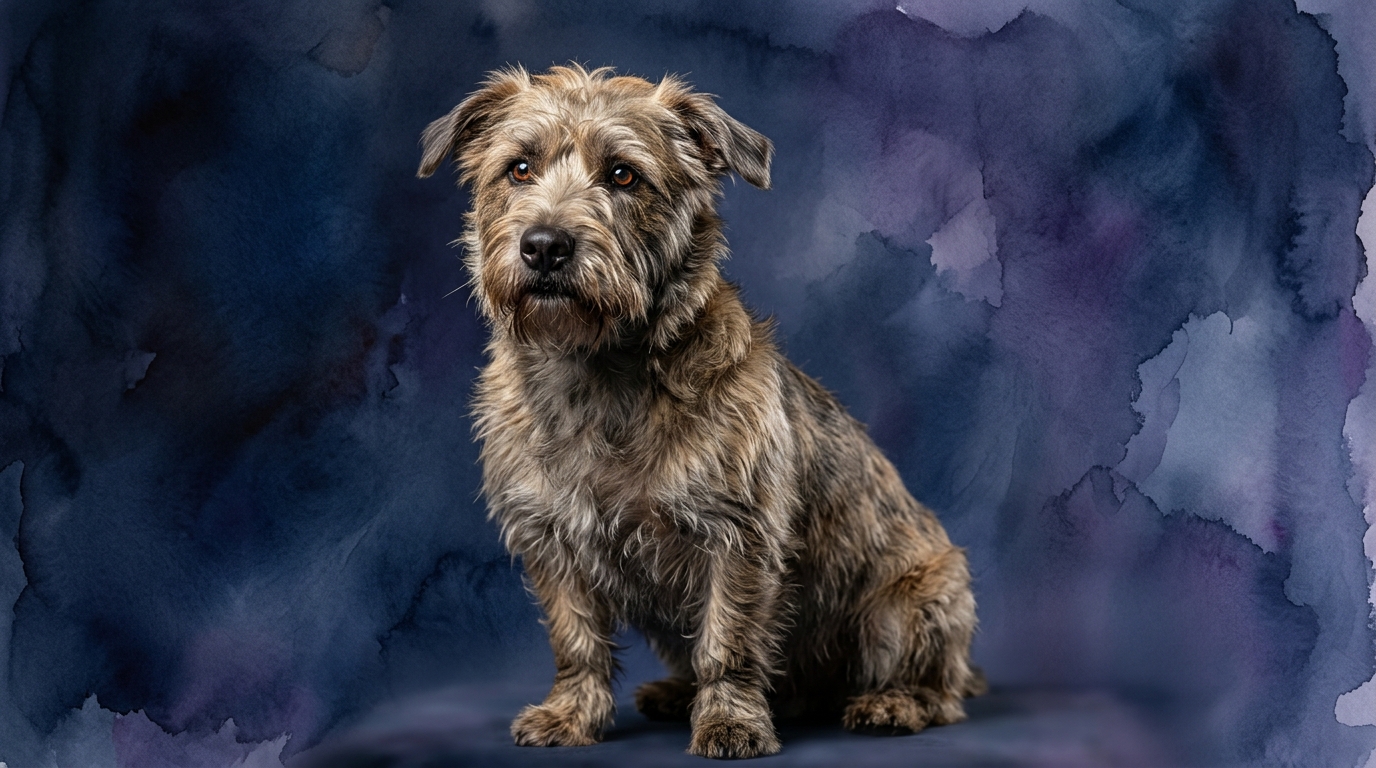
In contrast, the Glen of Imaal Terrier, a breed not ranked by Coren but with its own unique and robust cognitive blueprint, presents a profile of persistent independence. Its Problem Solving ability mirrors the Boxer at 3/5, demonstrating a practical aptitude for tackling moderate intellectual tasks in their environment, often relying on steadfastness and tactile exploration rather than elaborate strategic planning. Its Training Speed is also 3/5, indicating a steady learning curve that benefits from consistent, clear methods, though often exhibiting a more self-reliant and occasionally stubborn learning style that requires patience. The Glen's Social Intelligence is 3/5, showing engagement with human companions but often maintaining a more independent and less overtly demonstrative demeanor, not constantly seeking social validation or attention compared to some breeds. Its Instinctive Drive is 3/5, primarily focused on deeply ingrained terrier instincts such as digging, chasing small prey, or exploring confined spaces, rather than a strong, general 'working partner' drive. Its Memory, like the Boxer, scores 3/5, signifying a comparable capacity for retaining information, routines, and past experiences, building effectively on consistent exposure and familiar patterns.
Where the Boxer Wins Cognitively
The Boxer's distinct cognitive advantages emerge most clearly in its social and collaborative capabilities, making them profoundly integrated family members. Its unparalleled Social Intelligence of 5/5 means Boxers are exceptionally skilled at reading human body language, tone, and mood, often responding with remarkable empathy and a clear desire to connect. This profound social awareness allows them to fit seamlessly into family dynamics, often anticipating needs and reacting sensitively to emotional states within their household, making them intuitive companions. Furthermore, the Boxer's higher Instinctive Drive of 4/5, particularly for companionship, play, and protection, translates into a greater inherent motivation to work *with* their owner. This collaborative spirit makes them naturally more inclined to enthusiastically participate in shared activities, whether it's obedience training, agility, or simply being a loyal, engaged partner in daily life, channeling their energy into purposeful, cooperative interaction.
Where the Glen of Imaal Terrier Wins Cognitively
While the Glen of Imaal Terrier's numerical scores often align with or are slightly below the Boxer's, its cognitive strengths lie in the *application* of its capabilities, particularly its tenacious independence and focused drive. Its Problem Solving, rated 3/5, often manifests as highly persistent and self-directed. A Glen might not devise the most elaborate solution to a novel puzzle, but its steadfast determination in tackling a challenge, especially if it involves unearthing, exploring, or overcoming an obstacle through sheer, unyielding will, is a hallmark of its cognitive style. This persistence can be a significant advantage in tasks requiring sustained effort. Similarly, its Instinctive Drive, also 3/5, is finely tuned for specific terrier tasks. This focused, inherent drive makes them remarkably effective in pursuits that align with their historical role, such as focused scent work, navigating tight spaces, or engaging in 'digging' sports, where concentrated effort and determination are paramount, often executed with a distinct self-reliance that requires minimal human prompting.
Which is Easier to Train and Why
Both breeds score a 3/5 for Training Speed, suggesting they learn at a moderate pace and benefit from consistent methodologies. However, the Boxer's exceptional Social Intelligence (5/5) provides a significant advantage in trainability. Boxers are deeply attuned to their human companions, often possessing an inherent eagerness to please and respond positively to social cues, praise, and reinforcement from their owners. This intrinsic desire for connection and cooperation translates into a more willing, engaged, and generally more compliant training participant, making them receptive to guidance even if the raw speed of learning isn't immediate. Conversely, the Glen of Imaal Terrier, with a Social Intelligence of 3/5, tends to approach training with a more independent mindset. While fully capable of learning at the same speed, their terrier tenacity and self-reliance mean they might require more varied, high-value motivation and a trainer who understands their self-directed nature. They learn effectively, but often on their own terms, necessitating patience, creativity, and a strong understanding of what truly motivates them beyond mere social approval.
Which Suits Active Owners vs. Relaxed Owners
For the active owner seeking a highly engaged and collaborative partner, the Boxer is often a more natural and fulfilling choice. Their Instinctive Drive of 4/5 means they thrive on purposeful activity, whether it's high-energy games, protection work, agility, or simply long, engaging walks and play sessions that involve constant human interaction. Their strong social intelligence further enhances their role as an enthusiastic companion for shared adventures, requiring an outlet for both their considerable physical energy and their profound desire to engage deeply with their people. For owners with a more relaxed lifestyle, or those who appreciate periods of calm interspersed with focused bursts of activity, the Glen of Imaal Terrier might be more suitable. While they certainly require regular exercise, their Instinctive Drive of 3/5 is less demanding in terms of constant, high-octane output. They are often content with moderate daily walks and opportunities for independent exploration, digging, or scent work, which satisfies their innate terrier instincts without requiring the same level of sustained, collaborative exertion as a Boxer. They are happy to relax indoors once their needs are met, often enjoying quiet companionship.
The Verdict
Choose a Boxer if you seek a highly social, demonstrably affectionate, and collaborative companion eager to participate actively in family life and shared adventures. Their strong social intelligence makes them deeply attuned partners who thrive on interaction and purposeful engagement, requiring an owner ready for consistent shared activity.
Opt for a Glen of Imaal Terrier if you appreciate an independent, tenacious spirit and are prepared to engage with a dog that learns on its own terms, often with a focused, persistent drive for specific terrier-aligned activities. They suit owners who value moderate activity and a self-reliant companion, offering focused bursts of engagement rather than constant social seeking.
🧠 Find Your Pet's IQ Score
Our Pet IQ Lab assessment covers 25+ tests across 5 cognitive dimensions — personalized to your breed.
Take the Full IQ Test →Frequently Asked Questions
Are Boxers difficult to train due to their high energy?
While energetic, Boxers are generally not difficult to train. Their high social intelligence (5/5) means they are eager to please and highly responsive to consistent, positive training methods, thriving on engagement with their human companions.
Do Glen of Imaal Terriers get along well with other pets?
With a social intelligence of 3/5 and moderate instinctive drive (3/5), Glens can coexist with other pets, but early and thorough socialization is crucial. Their strong terrier instincts may prompt a chase response with smaller animals if not properly managed.
What kind of mental stimulation do these breeds need to thrive?
Boxers benefit from mental challenges involving problem-solving (3/5) and social interaction, such as obedience, puzzle toys, and interactive games. Glens appreciate tasks that allow for independent exploration, digging, or scent work, satisfying their terrier drives and engaging their problem-solving (3/5) abilities.