
Side-by-Side IQ Profile: Boxer vs. Keeshond
At The Cosmic Pet Pet IQ Lab, we evaluate canine intelligence across five key dimensions, offering a nuanced view beyond simple rankings. The Boxer, a member of the Working Group, registers a Coren rank of #48, placing it in the 'Average Working Intelligence' category. Its cognitive breakdown includes Problem Solving at 3/5, Training Speed at 3/5, Social Intelligence at an impressive 5/5, Instinctive Drive at 4/5, and Memory at 3/5. This profile suggests a dog that thrives on interaction and purpose, but might require consistent, patient guidance in learning complex tasks.
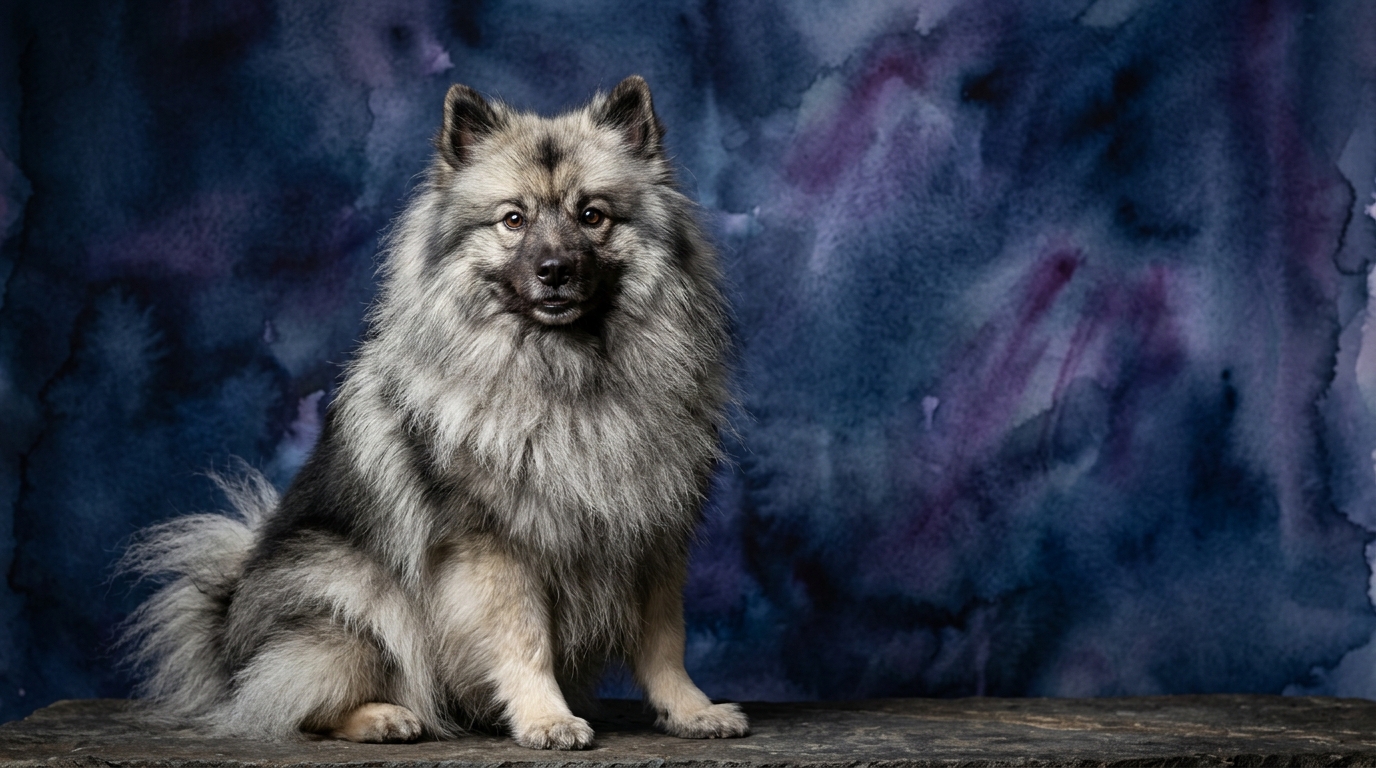
In contrast, the Keeshond, a Non-Sporting breed, holds a significantly higher Coren rank of #16, indicating 'Excellent Working Intelligence.' Its individual cognitive scores are Problem Solving at 4/5, Training Speed at 4/5, Social Intelligence at 3/5, Instinctive Drive at 3/5, and Memory at an exceptional 5/5. This Keeshond profile points to a dog with a keen mind for retention and resourceful thinking, potentially making them quicker studies in formal training, though perhaps less overtly expressive in social contexts.
Where the Boxer Excels Cognitively
The Boxer's standout cognitive strength is undeniably its Social Intelligence, scoring a perfect 5/5. This dimension reflects an unparalleled ability to read human emotions, understand social cues, and form deep, empathetic bonds. A Boxer often anticipates its owner's mood, offering comfort or initiating play at just the right moment. This exceptional social acumen makes them particularly adept as therapy dogs or loyal family guardians, not just through physical presence but through a profound understanding of their human companions.
Furthermore, the Boxer's Instinctive Drive, rated at 4/5, underpins its historical role as a working dog. This strong drive manifests as a natural inclination towards activities requiring vigor and purpose, whether it's guarding the home, engaging in vigorous play, or participating in dog sports like agility or protection work. While their Problem Solving and Training Speed are moderate, this inherent motivation means they are often eager to engage and channel their energy when given a clear task, especially one involving interaction with their human.
Where the Keeshond Excels Cognitively
The Keeshond truly shines in its Memory, earning an outstanding 5/5. This superior recall means they retain commands, routines, and even faces with remarkable persistence. Owners often report that Keeshonds remember specific training sequences or complex tricks even after long periods without practice. This cognitive trait is invaluable for consistency in training and for dogs that need to navigate complex, multi-step tasks or retain a wide repertoire of behaviors.
Coupled with its formidable memory, the Keeshond's Problem Solving ability, rated 4/5, positions it as a resourceful thinker. These dogs are often observed figuring out how to open gates, retrieve hidden toys using indirect methods, or even manipulate situations to their advantage. Their Coren rank of #16 is heavily influenced by this combination of strong memory and good problem-solving, suggesting a dog that not only learns quickly but also applies that learning thoughtfully to new situations.
Training Dynamics: Which Breed is Easier?
When considering ease of training, the Keeshond generally holds an edge. With a Training Speed of 4/5 and Memory of 5/5, they tend to grasp new commands swiftly and retain them effectively over time. Their higher Problem Solving (4/5) also means they can often generalize learned behaviors to new contexts more readily. However, their moderate Social Intelligence (3/5) and Instinctive Drive (3/5) mean that while they are cooperative, their motivation might stem more from a desire to please and a love for mental engagement rather than an intense drive for social interaction or vigorous activity.
The Boxer, with moderate scores in Training Speed (3/5) and Memory (3/5), requires more consistent repetition and patience. Their high Social Intelligence (5/5) means they respond exceptionally well to positive reinforcement methods that incorporate play and social interaction, but their strong Instinctive Drive (4/5) and often boisterous nature can sometimes lead to distractibility. Training a Boxer often involves harnessing their exuberant personality and channeling their drive into productive learning, making the process highly rewarding but potentially more time-intensive than with a Keeshond.
Ideal Owners: Active Pursuits vs. Thoughtful Companionship
For active owners seeking a dynamic partner, the Boxer often fits the bill perfectly. Their 4/5 Instinctive Drive means they thrive on regular, vigorous exercise and engagement that taps into their working heritage. Activities like long runs, agility, flyball, or even simply extended play sessions in a secure yard are essential to their well-being. Their exceptional Social Intelligence also makes them fantastic companions for families who integrate their dog into all aspects of their lives, valuing a deeply connected and interactive relationship.
Conversely, the Keeshond often suits owners who appreciate a thoughtful and mentally engaged companion, though they still require regular exercise. Their high Memory and Problem Solving scores mean they excel in obedience, trick training, and puzzle toys, making them ideal for individuals who enjoy structured learning and mental challenges. While their Instinctive Drive is moderate, they are alert and watchful, making them excellent companions for those who enjoy a more settled, yet still interactive, home life, where mental stimulation is as valued as physical activity.
The Verdict
Choose a Boxer if you seek a highly social, empathetic companion eager for vigorous play and deeply integrated family life, and are prepared for consistent, interactive training.
Opt for a Keeshond if you prioritize a keen, intelligent dog with exceptional memory for training and problem-solving, thriving on mental engagement and a more reserved social presence.
🧠 Find Your Pet's IQ Score
Our Pet IQ Lab assessment covers 25+ tests across 5 cognitive dimensions — personalized to your breed.
Take the Full IQ Test →Frequently Asked Questions
Is a Boxer or a Keeshond better for first-time dog owners?
The Keeshond's higher training speed and memory can make them a slightly more straightforward choice for first-time owners who value consistency in learning. Boxers, while incredibly social, require more patience and consistency due to their moderate training speed and higher energy.
Which breed is more prone to independent thinking?
With a Problem Solving score of 4/5, the Keeshond demonstrates a stronger propensity for independent thinking and figuring things out on their own. Boxers, at 3/5, are less likely to devise complex solutions independently and often look to their human for guidance.
How do their social intelligence differences manifest in daily life?
A Boxer's 5/5 Social Intelligence means they are typically more overtly affectionate, attuned to human emotions, and eager to interact with family and friendly strangers. A Keeshond's 3/5 Social Intelligence indicates they are friendly but often more reserved, preferring to form strong bonds with their immediate family rather than being universally demonstrative.