
Side-by-Side Cognitive Profiles: Boxer vs. Norwegian Buhund
The Cosmic Pet Pet IQ Lab employs a five-dimensional framework to assess canine intelligence, offering a granular view of how breeds process information and interact with their world. For the Boxer, our data shows a Problem Solving score of 3/5, indicating competence in navigating moderately complex tasks, often relying on enthusiastic trial and error. Their Training Speed is also 3/5, meaning they respond well to consistent, positive reinforcement, though moments of playful stubbornness can arise. A standout feature is their Social Intelligence at 5/5, reflecting an exceptional attunement to human emotions and social cues, fostering deep bonds. Their Instinctive Drive is a robust 4/5, encompassing strong prey drive and protective instincts, while Memory stands at 3/5, allowing adequate retention of commands with regular refreshers.
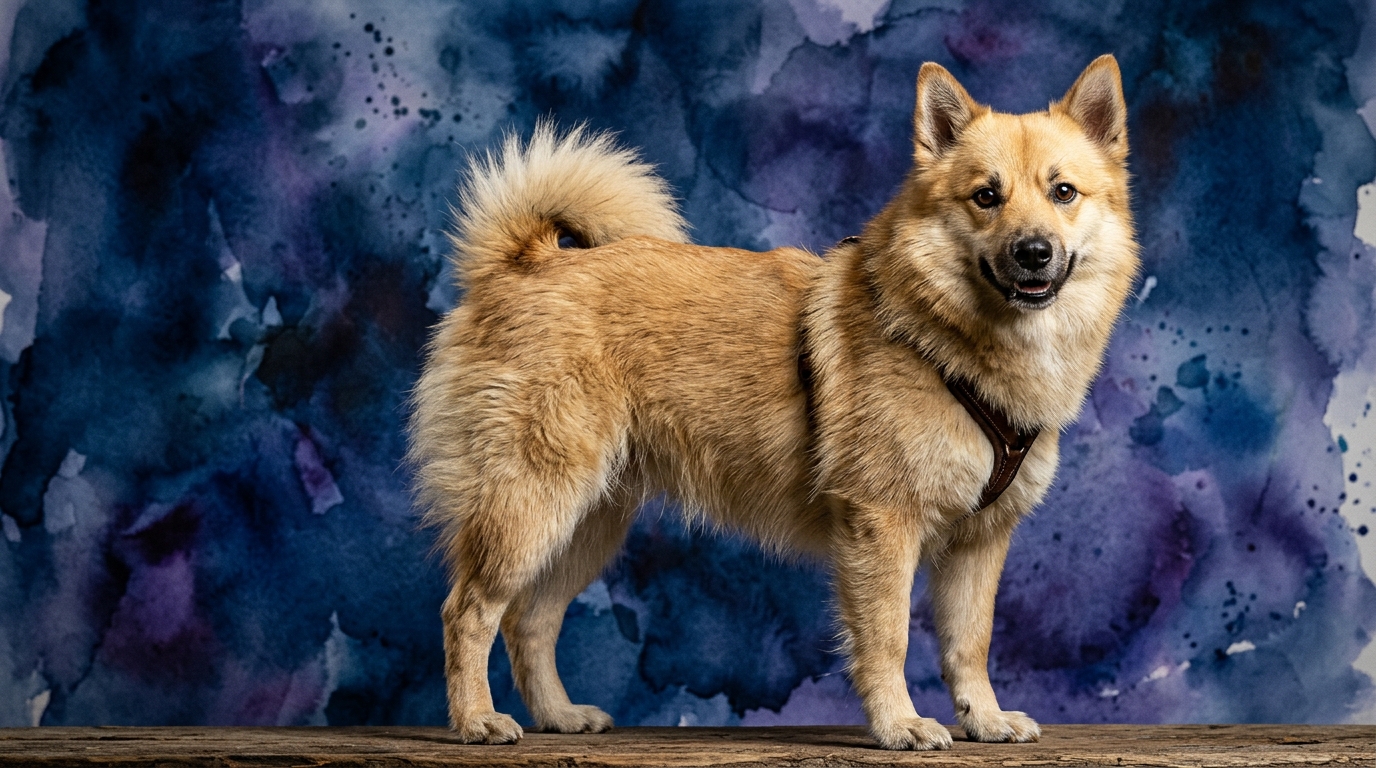
Conversely, the Norwegian Buhund presents a slightly different cognitive landscape. Their Problem Solving is rated 3/5, demonstrating competence in practical challenges, often with a methodical approach rooted in their herding heritage. Training Speed is 3/5, suggesting they learn at a moderate pace, but with an independent streak that benefits from clear, consistent instruction. Their Social Intelligence is 3/5, indicating a friendly disposition and understanding of basic cues, though not the profound empathy seen in some breeds. Instinctive Drive is 3/5, manifesting as a moderate herding impulse and general alertness. Memory, like the Boxer, is 3/5, capable of retaining routines, though their independence can sometimes overshadow recall in distracting environments.
Where the Boxer Excels Cognitively
The Boxer's most pronounced cognitive advantage lies in their superior Social Intelligence, rated a perfect 5/5. This isn't merely about being friendly; it signifies an exceptional ability to perceive and interpret human emotions, body language, and subtle social cues. Boxers often anticipate their owner's needs or moods, offering comfort or seeking interaction intuitively, fostering an incredibly deep and responsive bond. This profound empathy allows them to integrate seamlessly into a family's social dynamics, making them highly attuned and interactive companions.
Furthermore, the Boxer's Instinctive Drive at 4/5, particularly their protective nature and playful chasing, provides a cognitive edge in specific interactive roles. This drive, when properly channeled, translates into vigilant awareness of their surroundings and an enthusiastic engagement in games that simulate their working origins, such as fetch or tug. Their capacity for focused play and alertness contributes to their cognitive profile, making them formidable yet gentle participants in family life.
Where the Norwegian Buhund Shows Unique Cognitive Strengths
While both breeds score 3/5 in Problem Solving, the Norwegian Buhund often demonstrates this capacity with a more independent and self-reliant quality, a hallmark of their herding lineage. They are accustomed to making decisions in the field, not always waiting for human direction. This means a Buhund might excel at figuring out how to achieve a goal, like retrieving a hidden toy or navigating an obstacle course, by relying on their own assessment of a situation rather than consistently looking for human guidance or social cues. Their problem-solving is often practical and less dependent on social reinforcement.
Their Instinctive Drive, rated 3/5, specifically geared towards herding, also highlights a unique cognitive strength. This translates into an innate ability to manage and move livestock, requiring spatial reasoning, strategic positioning, and a degree of self-direction. While not as intensely driven as some herding breeds, this particular type of working intelligence is distinct from the Boxer's more human-centric drives, showcasing a different kind of operational intellect.
Ease of Training: Behavioral Differences Unpacked
When considering ease of training for general obedience and companionship, the Boxer generally holds an advantage, primarily due to their outstanding social intelligence. Boxers are highly motivated by pleasing their human companions and are acutely responsive to their owner's reactions. Their training speed, while 3/5, is significantly bolstered by their eagerness to engage and a strong desire for social connection, making them highly receptive to positive reinforcement and praise. Their training journey is often characterized by enthusiastic participation and a deep desire to interact with their handler. However, their playful nature and strong instinctive drives (4/5) mean training necessitates consistency and firm, yet gentle, guidance to channel their considerable energy effectively.
The Norwegian Buhund, with its 3/5 social intelligence and inherent independent herding drive, can present more of a challenge for a novice owner. While intelligent and capable of learning at a 3/5 training speed, their independent streak means they are not as inherently driven to 'please' their human in the same way a Boxer is. They might question commands or prioritize their own herding instincts over immediate obedience, particularly in environments with distractions. Successful training with a Buhund requires a patient, consistent approach that leverages their working drive and provides clear structure, rather than solely relying on social motivation. Owners must understand their independent nature and work with it, not against it.
Matching Canine Companions to Owner Lifestyles
Both Boxers and Norwegian Buhunds demand active engagement from their owners, albeit for distinct reasons. The Boxer, with its significant 4/5 instinctive drive and often boundless energy, thrives with owners who can provide vigorous daily exercise, interactive play, and consistent mental stimulation. They are ideal for individuals or families who embrace activities like running, hiking, or dog sports that effectively channel their physical prowess and pronounced social needs. Their high social intelligence means they need to be integral participants in family activities, not merely background pets. A Boxer needs an owner who can consistently engage with their intense social and physical requirements.
The Norwegian Buhund, while also an active breed, might be slightly more content with a structured routine that includes regular exercise and mental tasks, potentially being less demanding of constant, intense social interaction than a Boxer, though they still require significant owner involvement. A Buhund owner must be prepared for a dog with a strong will and independent mind that needs consistent mental and physical outlets. They often excel in activities that allow for more independent decision-making, such as agility or advanced obedience work where their intelligence and drive can be directed. Neither breed is suited for a truly 'relaxed' owner who prefers minimal engagement, as both require dedicated attention to thrive.
The Verdict
Select a Boxer if you seek a deeply connected, empathetic companion who thrives on intense social interaction and family involvement, and if you are prepared to channel their significant physical energy and protective instincts through consistent training and play.
Opt for a Norwegian Buhund if you appreciate an independent, resourceful dog with a diligent herding mindset, and if you are ready to provide structured activities that engage their working intelligence and moderate their independent streak.
🧠 Find Your Pet's IQ Score
Our Pet IQ Lab assessment covers 25+ tests across 5 cognitive dimensions — personalized to your breed.
Take the Full IQ Test →Frequently Asked Questions
Do Boxers get along well with other pets?
Boxers, with their high social intelligence, generally adapt well to living with other pets, especially if introduced early in life. Their playful nature can sometimes be overwhelming for smaller animals, so supervised introductions and consistent training are key to fostering harmonious multi-pet households.
Are Norwegian Buhunds prone to barking?
Yes, Norwegian Buhunds are known for being vocal, often using their bark to alert or communicate, a trait stemming from their historical roles as herding and watch dogs. Consistent training from a young age can help manage excessive barking, but owners should anticipate a dog that will use its voice.
How much exercise does a Boxer need daily?
Boxers require a substantial amount of daily exercise, typically 1-2 hours of vigorous activity, including walks, runs, and engaging play sessions. Their high energy and instinctive drive necessitate consistent physical and mental stimulation to prevent boredom and potential destructive behaviors.