Side-by-Side Cognitive Profiles
Our Pet IQ Lab evaluates five key dimensions of canine intelligence, offering a granular look at how different breeds process information and interact with their environment. Understanding these profiles is crucial for matching a dog's cognitive strengths with an owner's lifestyle.
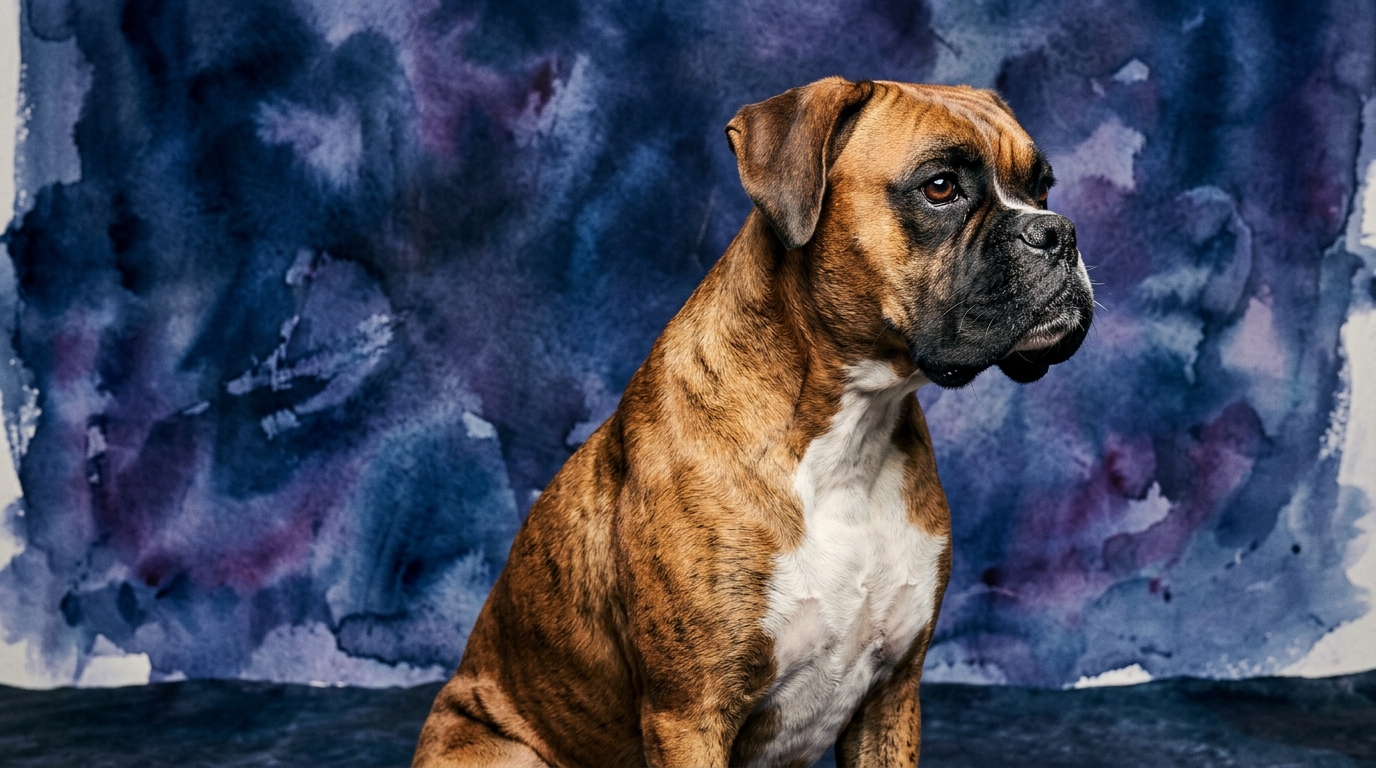
The Boxer (Coren rank #48), originating from the Working Group, presents a distinct cognitive makeup. Their Problem Solving is rated 3/5, indicating an ability to handle moderately complex tasks, often through learned sequences. Training Speed also sits at 3/5, suggesting they pick up cues at a steady pace with consistent reinforcement. Where the Boxer truly shines is in Social Intelligence, scoring an impressive 5/5, demonstrating exceptional attunement to human emotions. Their Instinctive Drive is 4/5, reflecting a strong predisposition for protection and guarding, while Memory is 3/5, allowing them to retain routines and experiences reliably.
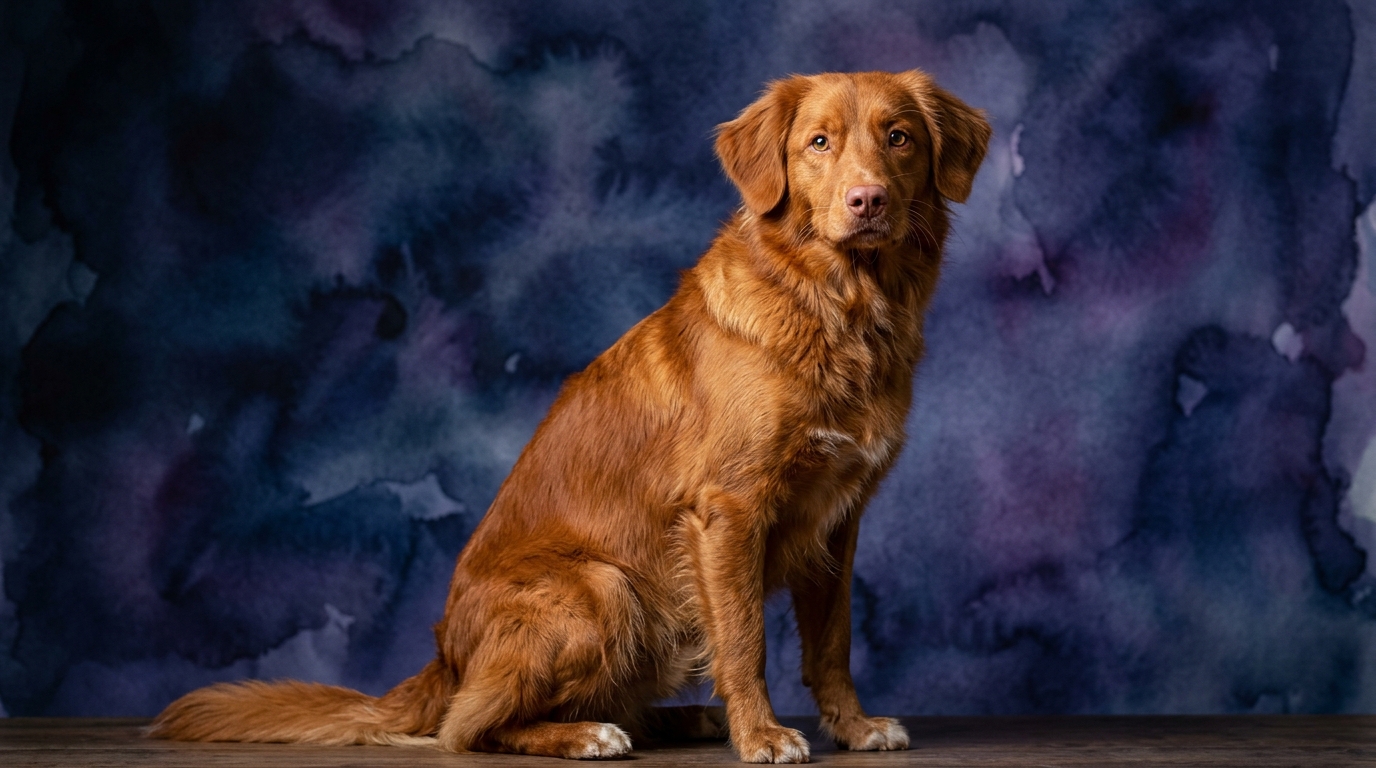
The Nova Scotia Duck Tolling Retriever, from the Sporting Group, exhibits a remarkably consistent cognitive profile across all dimensions. Their Problem Solving is 3/5, showing an average capacity for navigating new challenges, often preferring familiar methods. Training Speed is 3/5, meaning they learn at a moderate pace, benefiting from engaging, reward-based sessions. Social Intelligence for the Toller is 3/5, indicating a strong connection with primary caregivers but a more reserved demeanor with strangers. Their Instinctive Drive is also 3/5, centered around retrieving and scent work. Finally, Memory scores 3/5, ensuring reliable retention of training and past experiences.
Where the Boxer Wins Cognitively
The Boxer's most pronounced cognitive advantage lies in its extraordinary Social Intelligence, achieving a perfect 5/5. This dimension goes beyond mere affection; it signifies a profound capacity for emotional empathy and complex social understanding. Boxers are masters at reading human moods, anticipating needs, and integrating seamlessly into family dynamics, often acting as intuitive companions who respond to unspoken cues.
This deep social awareness contributes significantly to their adaptability within a household. They quickly learn and adhere to social rules and expectations, driven by a strong desire to maintain harmony within their human 'pack.' Their social acuity makes them particularly suited for roles where emotional connection and responsiveness are paramount, such as therapy work or as deeply bonded family members.
Furthermore, their robust Instinctive Drive (4/5) for protection, when appropriately channeled, translates into a heightened awareness of their surroundings. This isn't just about guarding; it's a cognitive vigilance, a natural discernment of potential threats, indicating a watchful and responsible nature that contributes to their role as family guardians.
Where the Nova Scotia Duck Tolling Retriever Wins Cognitively
While the Toller does not outscore the Boxer in any single category, its cognitive strengths lie in its balanced and consistent profile across all five dimensions, each rated 3/5. This predictability is a distinct advantage for owners seeking a reliable and manageable companion, particularly for specific tasks.
The Toller's consistent scores mean owners can expect a steady learning curve without extreme peaks or valleys, fostering a consistent and predictable training experience. Their Instinctive Drive (3/5), specifically geared towards retrieving and working with human partners in a sporting context, means they possess a focused work ethic for particular tasks rather than a broad protective instinct.
This focused drive, combined with their moderate social intelligence, results in a dog devoted to its immediate family and working tasks without necessarily seeking extensive social engagement beyond that core group. For owners who prefer a more task-oriented and less universally outgoing companion, the Toller's balanced cognitive traits are a significant asset, ensuring they are reliable partners in their chosen activities.
Training Dynamics: Boxer vs. Toller
Both breeds score 3/5 in Training Speed, suggesting that success hinges more on the owner's approach than on inherent differences in learning pace. However, their distinct social and instinctive drives create unique training dynamics.
The Boxer, with its exceptional Social Intelligence (5/5), often appears more eager to please and easier to train for obedience and household manners. They are highly motivated by positive reinforcement and the desire to maintain a strong bond with their human companions. A trainer who leverages this deep connection will find the Boxer responsive and often intuitive to expectations, making the process feel more collaborative. However, their playful and sometimes boisterous nature can lead to distractions, requiring engaging and consistent methods to maintain focus.
The Nova Scotia Duck Tolling Retriever, while also responsive to positive reinforcement, approaches training with a more task-oriented mindset. Their 3/5 social intelligence means they are less likely to be driven purely by emotional connection to the same degree as a Boxer. Instead, they thrive on clear structure, engaging tasks, and consistent routines that align with their moderate instinctive drive for retrieving. Their potential for distraction by environmental stimuli means training sessions need to be well-structured, varied, and often game-based to maintain their interest. For specific sporting tasks, the Toller's focused drive makes them dedicated students, while for general obedience, a methodical, consistent approach yields the best results.
Lifestyle Match: Active vs. Relaxed Ownership
Both the Boxer and the Nova Scotia Duck Tolling Retriever are active breeds requiring substantial daily engagement, making neither suitable for a truly relaxed, sedentary owner. However, their energy outlets differ, suiting different types of active lifestyles.
The Boxer, with its robust build and 4/5 instinctive drive, thrives on vigorous play, structured exercise, and mental engagement that often involves their human family. They need consistent outlets for their energy, including long walks, runs, agility, or interactive games that leverage their social nature. An active owner who enjoys daily physical activity and wants a dog to be an integral, playful part of their routine will find a Boxer a fulfilling companion. Their strong social intelligence means they also need significant human interaction and can become restless or destructive if left alone for extended periods without mental stimulation.
The Nova Scotia Duck Tolling Retriever, while equally requiring substantial exercise, often prefers activities with a purpose, reflecting their 3/5 instinctive drive for retrieving. They excel in dog sports like agility, flyball, or dock diving, and particularly in activities that mimic their ancestral role, such as fetch, swimming, or scent work. An active owner who enjoys structured outdoor activities, potentially involving water or field work, will find the Toller a dedicated partner. While affectionate with their family (3/5 social intelligence), they might be more content with a focused task rather than constant, free-form social play, making them ideal for owners who enjoy purposeful dog activities.
The Verdict
Choose a Boxer if you seek an exceptionally socially intelligent, emotionally attuned companion who will integrate deeply into your family life and thrive on constant interaction and playful, vigorous activity.
Opt for a Nova Scotia Duck Tolling Retriever if you desire a dedicated, task-oriented partner for structured outdoor activities, particularly those involving retrieving or water, and appreciate a more independent yet loyal disposition.
🧠 Find Your Pet's IQ Score
Our Pet IQ Lab assessment covers 25+ tests across 5 cognitive dimensions — personalized to your breed.
Take the Full IQ Test →Frequently Asked Questions
Do Boxers and Tollers need a lot of exercise?
Absolutely, both breeds require substantial daily exercise to maintain their physical and mental well-being. Boxers thrive on vigorous play and social interaction, while Tollers excel in structured activities like retrieving, swimming, or dog sports that align with their purpose-driven nature. Neither breed is suited for a sedentary lifestyle.
Are Boxers good with children?
Boxers, with their high social intelligence (5/5), are often excellent with children when properly socialized and trained, forming strong, protective bonds. Their playful energy and patience make them wonderful family dogs, though supervision is always recommended with any breed and young children.
What kind of owner is best for a Nova Scotia Duck Tolling Retriever?
A Toller thrives with an active owner who enjoys structured outdoor activities, especially those involving water or retrieving. They appreciate consistency in training and a clear routine, making them suitable for individuals or families who can provide dedicated time for their physical and mental stimulation.