Side-by-Side Cognitive Profiles
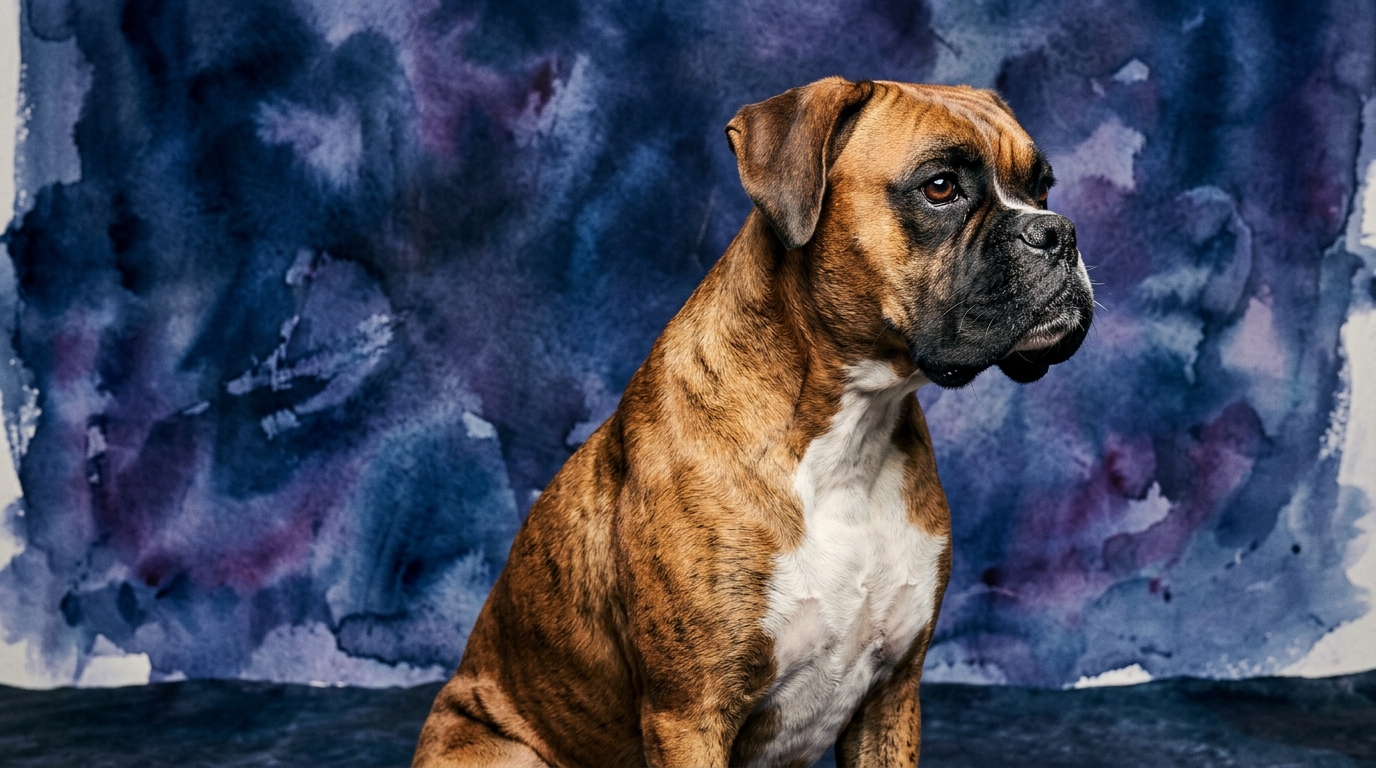
The Boxer, a Working breed ranked #48 by Coren, exhibits a balanced cognitive toolkit. Their Problem Solving is rated 3/5, often involving physical manipulation or seeking human assistance to navigate obstacles, and they learn sequences of actions to achieve goals. Training Speed is 3/5, influenced by their social nature and desire to engage, making them generally receptive to learning with consistent, positive reinforcement. Their Social Intelligence is an outstanding 5/5, showcasing an exceptional capacity to understand human emotions, intentions, and communication cues, forming deep, empathetic bonds. Instinctive Drive is 4/5, primarily manifesting as protective instincts towards family and a robust prey drive, fueling their playful energy. Memory is 3/5, allowing them to retain learned commands, routines, and familiar people or objects, which aids in consistent behavior.
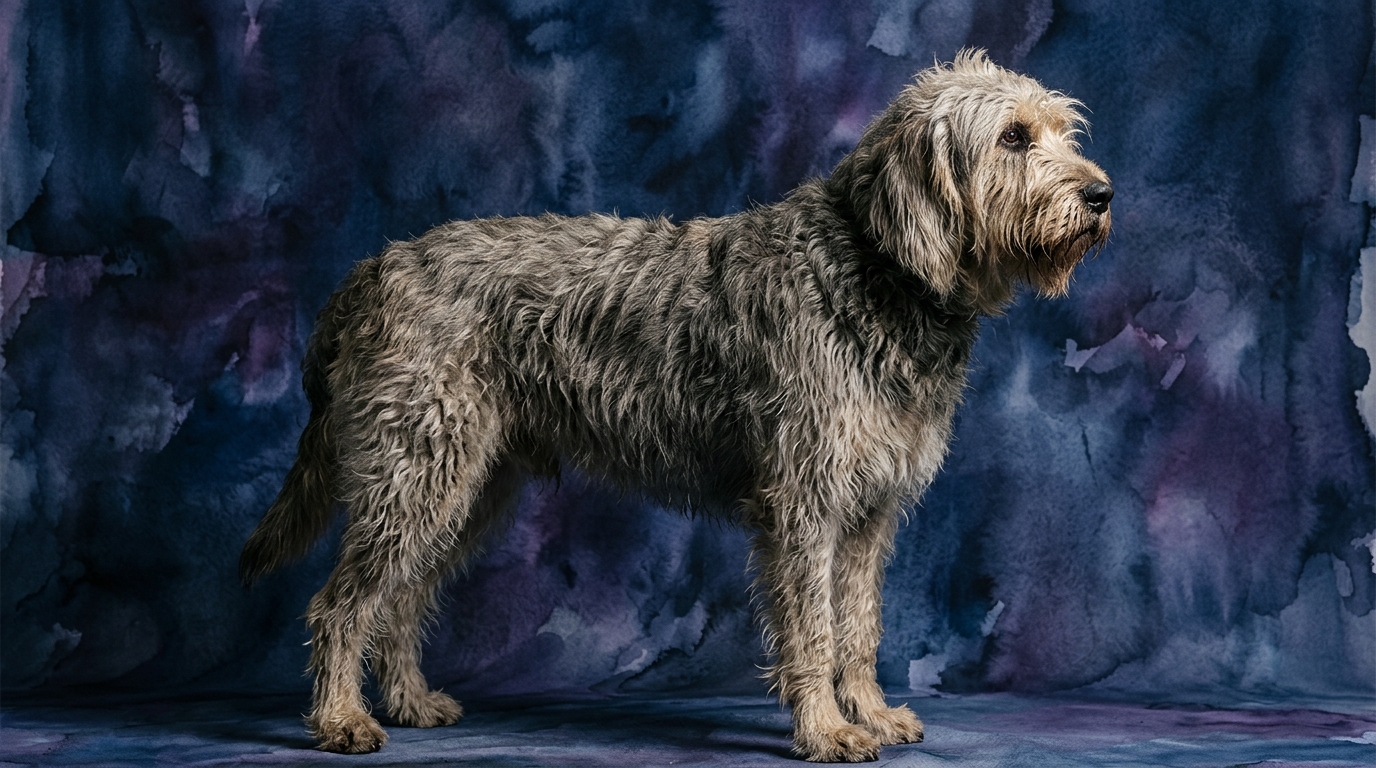
The Otterhound, a Hound breed not Coren-ranked, presents a profile shaped by its specialized purpose. Their Problem Solving is 3/5, a practical, scent-driven approach where they excel at navigating and tracking complex olfactory puzzles in the environment rather than abstract challenges. Training Speed is 3/5, often requiring patience and consistency, as their independent nature and strong innate drive to follow a scent can sometimes override their focus on human-directed commands. Social Intelligence is 3/5; while affectionate, they are less attuned to subtle human emotional shifts compared to some breeds, frequently prioritizing their sensory world. Instinctive Drive is 3/5, predominantly centered around unwavering scent work and tracking, compelling them to investigate interesting odors. Memory is 3/5, particularly strong in recalling scent trails, locations of past discoveries, and established routines, though general recall might be influenced by their independence.
Where the Boxer Excels Cognitively
Boxers truly shine in their exceptional social intelligence, a cognitive domain where they demonstrate unparalleled understanding of human nuances. Their remarkable ability to interpret body language, vocal inflections, and emotional states allows them to forge profoundly empathetic connections with their families. This nuanced comprehension means a Boxer might intuitively offer comfort when sensing distress or actively participate in games, responding not just to explicit commands but to the unspoken emotional currents within a household. Their strong instinctive drive for protection, coupled with this social attunement, further enhances their ability to discern potential threats in social contexts, making them vigilant guardians who understand the dynamics of their environment and the people within it. This cognitive strength enables them to adapt seamlessly to various social situations, thriving on interaction and reciprocal understanding.
Where the Otterhound Excels Cognitively
The Otterhound's cognitive strengths are profoundly rooted in its specialized sensory world, particularly its extraordinary olfactory capabilities. While their general problem-solving and social intelligence scores are moderate, their distinct advantage lies in the sheer processing power and dedication their brains devote to scent. An Otterhound can mentally construct a detailed map of an environment purely through smell, distinguishing individual components of complex odors and tracking trails that are hours old with unwavering focus. This unparalleled ability to filter, interpret, and remember scent data is a remarkable cognitive feat, allowing them to independently navigate vast terrains and solve intricate "scent puzzles" that would be imperceptible to other breeds. Their instinctive drive to follow a trail is not merely physical; it is a deep cognitive engagement, demanding sustained concentration and an intricate memory for olfactory details, making them masters of their unique sensory domain.
Training Dynamics: Boxer vs. Otterhound
When considering ease of training, the Boxer generally offers a more straightforward experience for the typical owner, largely due to their exceptional social intelligence and strong desire to please. Despite both breeds scoring 3/5 in training speed, the Boxer's 5/5 social intelligence means they are highly motivated by human interaction and praise, making them eager participants in learning sessions. They actively strive to understand what is being asked, responding well to consistent, positive reinforcement and clear communication. Their instinctive drive, while robust, is often channeled into cooperative activities with their owner, rendering them more amenable to direction and less prone to independent decision-making during training exercises.
The Otterhound, despite also having a 3/5 training speed, can present a greater challenge due to its powerful, independent instinctive drive for scent and moderate social intelligence. Their primary motivation frequently lies in exploring the olfactory world, and if a compelling scent is present, their focus on human commands can significantly waver. Training an Otterhound demands considerable patience, creativity, and a deep understanding of hound behavior, often necessitating the incorporation of their natural tracking instincts into the training regimen to maintain engagement. They are not intentionally disobedient but are profoundly driven by their nose, which can make consistent recall or focus in distracting environments a long-term endeavor.
Lifestyle Match: Active vs. Specific Engagement
Neither the Boxer nor the Otterhound is suitable for an owner seeking minimal daily engagement; both breeds require substantial activity, though their preferred forms differ. The Boxer is an ideal match for active owners who enjoy interactive physical play, structured training, and a constant companion for family adventures. Their high social intelligence means they thrive on being an integrated part of daily life, participating in walks, runs, and mental games that involve their human family. They need consistent outlets for their robust energy and a clear routine to channel their strong drive, making them excellent partners for those who appreciate an engaged, energetic canine presence.
The Otterhound, while potentially calmer indoors than a Boxer once their needs are met, demands a different type of active owner. They are best suited for individuals or families who embrace an outdoor lifestyle focused on exploration and scent work. Owners must be prepared for long, leisurely walks where the Otterhound is allowed to follow its nose, or even engage in formal scent sports. Their endurance and powerful tracking instincts mean they need significant time outdoors to satisfy their innate drives. While they might not demand constant interactive play like a Boxer, they require dedicated time to exercise their unique cognitive and physical abilities in the natural world, making them unsuitable for truly sedentary lifestyles.
The Verdict
Opt for a Boxer if you desire a highly interactive, socially perceptive companion who thrives on shared family activities, structured play, and a deep, empathetic bond.
Select an Otterhound if you're an outdoor enthusiast who appreciates a resilient, independent partner for long, scent-driven adventures and can provide ample opportunities for their unique tracking instincts.
🧠 Find Your Pet's IQ Score
Our Pet IQ Lab assessment covers 25+ tests across 5 cognitive dimensions — personalized to your breed.
Take the Full IQ Test →Frequently Asked Questions
Are Otterhounds difficult to train?
Otterhounds can present training challenges due to their strong independent nature and powerful scent drive, which often takes precedence over human commands. While they are capable of learning, successful training requires immense patience, consistency, and a creative approach that incorporates their natural instincts.
Do Boxers need a lot of mental stimulation?
Yes, Boxers require significant mental stimulation in addition to physical exercise. Their high social intelligence means they thrive on interactive games, training sessions, and being included in family activities that challenge their minds and strengthen their bond with owners.
Which breed is better with children?
Both breeds can be good with children with proper socialization and supervision, but the Boxer's high social intelligence and desire to be part of the family often make them naturally more attuned and tolerant of children's antics. Otterhounds, while generally gentle, might be less instinctively aware of subtle social cues from children due to their focus on scent.