Side-by-Side IQ Profile: A Cognitive Blueprint
At The Cosmic Pet Pet IQ Lab, we evaluate canine intelligence across five key dimensions. Understanding these specific ratings illuminates the unique cognitive landscape of each breed.
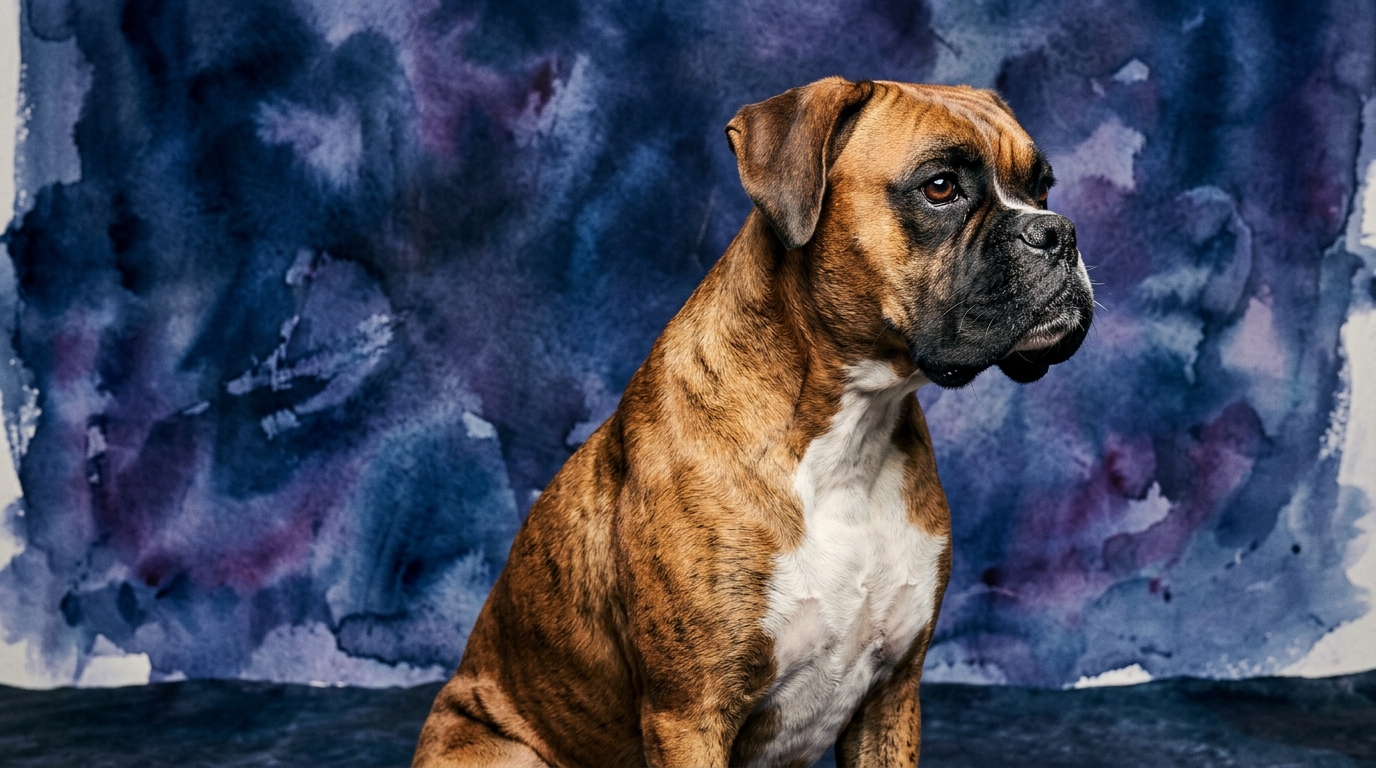
**Boxer (Working Group, Coren Rank #48):** Their Problem Solving (3/5) leans towards practical, physical approaches, often seeking human input for complex tasks. Training Speed (3/5) is moderate, demanding consistent, engaging sessions to overcome their playful enthusiasm. Social Intelligence (5/5) is a hallmark; they are exceptionally attuned to human emotions and social cues, forming deep, empathetic bonds. Instinctive Drive (4/5) reflects their working heritage, manifesting as a strong desire for protective roles, active play, and collaborative tasks. Memory (3/5) is solid for routines but may need refreshers for less frequent commands.
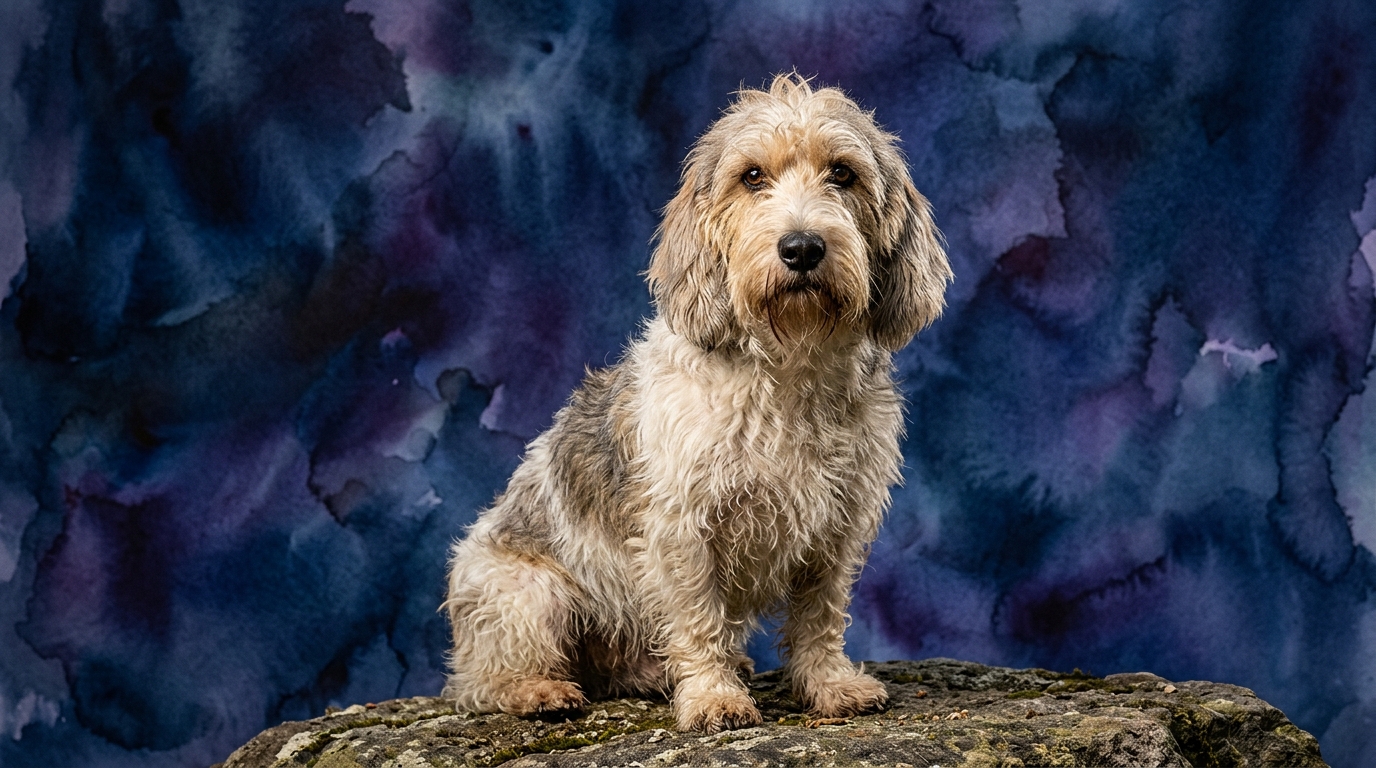
**Petit Basset Griffon Vendéen (Hound Group, Not Coren-Ranked):** Problem Solving (3/5) for PBGVs is often scent-driven, using their nose to unravel environmental mysteries rather than abstract puzzles. Training Speed (3/5) is moderate, but their independent hound spirit and powerful scent distractions require patience and consistent, high-value motivation. Social Intelligence (3/5) is moderate; they are friendly but often prioritize their environment over deep human-centric emotional connection. Instinctive Drive (3/5) is almost entirely focused on scent work and tracking, leading them to follow their nose above all else. Memory (3/5) allows for routine recall, though strong olfactory stimuli can sometimes divert their attention from learned behaviors.
Where the Boxer Wins Cognitively
The Boxer’s most significant cognitive advantage lies squarely in their exceptional social intelligence, rated a perfect 5/5. This isn't just about being affectionate; it's a sophisticated ability to read subtle human expressions, interpret vocal tones, and gauge emotional states, allowing them to adapt their behavior with remarkable empathy. For example, a Boxer is more likely to offer comfort during distress or adjust their playfulness to suit a quiet household mood. This deep social acumen fosters an intuitive companionship, making them highly attuned family members who often anticipate needs or reactions.
Furthermore, their instinctive drive, rated at 4/5, is broader and more human-oriented than the PBGV's. This drive fuels their protectiveness, their desire to engage in structured play, and their willingness to participate in tasks alongside their owners, providing a distinct sense of purpose and partnership. This combination of high social intelligence and a cooperative drive means Boxers excel in roles requiring close human-animal teamwork and emotional responsiveness, making them outstanding companions for interactive lifestyles.
Where the Petit Basset Griffon Vendéen Wins Cognitively
While the PBGV's individual cognitive scores are generally on par with or slightly below the Boxer's in human-centric domains, their unique cognitive strength doesn't manifest in higher numerical ratings but in the specialized application of their instincts. PBGVs exhibit a profound mastery of scent-based problem-solving and navigation, driven by their hound heritage. Their 'instinctive drive' rating of 3/5, while numerically lower than the Boxer's, is intensely focused on olfactory exploration, translating into an unparalleled ability to track and follow scent trails.
This is a cognitive feat that engages complex memory and discriminatory processing of environmental stimuli. A PBGV can mentally map a route based purely on a fading scent, demonstrating a different kind of problem-solving—one centered on environmental detection rather than abstract puzzles. Their moderate problem-solving (3/5) is often employed in conjunction with this scent drive, allowing them to figure out how to access a hidden treat by following its aroma, or to navigate complex terrain while on a trail. This makes them exceptional at activities like scent work, tracking, and exploring, where their nose leads the way with remarkable precision.
Which is Easier to Train and Why
When considering ease of training, both breeds present a moderate challenge, scoring 3/5 in training speed. However, the *nature* of the challenge differs significantly, largely due to their social intelligence and instinctive drives. The Boxer, with its superior social intelligence (5/5), is generally more eager to please and more attuned to human feedback. They understand social cues quickly and are motivated by praise and the desire for positive interaction. This means that while they might learn at a moderate pace, their willingness to engage and cooperate makes the training process feel more collaborative, as their high social IQ helps them anticipate what their trainer wants.
Conversely, the Petit Basset Griffon Vendéen, with its moderate social intelligence (3/5) and powerful, independent scent drive (3/5), presents a different dynamic. While capable learners, their primary motivator isn't always human approval; it's often the irresistible call of a compelling scent. This means a PBGV can be easily distracted during training, their focus shifting from the task to an interesting aroma. Their training requires immense patience, consistency, and creative methods to maintain attention, often needing to outcompete environmental distractions. Therefore, while both require dedication, the Boxer's inherent desire for social connection often makes them *feel* easier to train for the average owner seeking a responsive companion, whereas the PBGV demands a trainer who can effectively channel their independent, scent-driven focus.
Which Suits Active Owners vs. Relaxed Owners
The choice between a Boxer and a PBGV largely depends on an owner’s lifestyle and their preferred level of engagement, particularly regarding physical activity and cognitive stimulation. For active owners, the Boxer is an excellent match. Their instinctive drive (4/5) and robust physical nature mean they thrive on regular, vigorous exercise, including long walks, runs, hiking, and dog sports like agility. Their moderate problem-solving (3/5) and training speed (3/5) combined with their high social intelligence (5/5) also make them ideal partners for activities that involve teamwork and mental engagement. Boxers require an owner who can commit to daily physical and mental stimulation, as they are not content with short strolls and prefer to be an active participant in family adventures.
For relaxed owners, the Petit Basset Griffon Vendéen, while certainly not a couch potato, can suit a slightly more relaxed pace, provided it includes consistent opportunities for scent-based exploration. Their instinctive drive (3/5) is primarily focused on their nose, meaning their activity needs often revolve around sniffing expeditions rather than intense, prolonged physical exertion. While they enjoy walks, the quality for a PBGV is often measured by the richness of the scentscape, not just the distance covered. They benefit from fenced yards where they can safely follow interesting smells, and owners who enjoy casual, meandering strolls rather than brisk jogs. Their moderate social intelligence (3/5) means they appreciate companionship but might be less demanding of constant interactive play. Owners who appreciate an independent spirit and are content to observe their dog engage in self-directed sniffing adventures might find the PBGV a rewarding companion, understanding that 'relaxed' does not equate to 'sedentary' for these keen explorers.
The Verdict
Choose a Boxer if you seek a highly socially intelligent, empathetic companion eager for collaborative activities and a deeply integrated family member who thrives on human interaction and purposeful engagement.
Opt for a Petit Basset Griffon Vendéen if you appreciate an independent, scent-driven explorer, content with olfactory adventures and a companion whose charm lies in their persistent pursuit of interesting smells rather than constant human-centric interaction.
🧠 Find Your Pet's IQ Score
Our Pet IQ Lab assessment covers 25+ tests across 5 cognitive dimensions — personalized to your breed.
Take the Full IQ Test →Frequently Asked Questions
Are Boxers good family dogs given their social intelligence?
Boxers excel as family dogs due to their exceptional social intelligence (5/5). They are adept at reading human emotions, forming strong bonds, and are generally patient and protective with children, making them deeply empathetic and responsive family members.
How do PBGVs handle being left alone compared to Boxers?
PBGVs, with their more independent nature and strong scent drive, may be more prone to boredom or destructive behaviors if left alone without sufficient mental and physical stimulation, especially if their need for olfactory exploration isn't met. Boxers, due to their higher social intelligence and desire for companionship, can also develop separation anxiety if not properly conditioned, as they thrive on human presence.
Which breed requires more mental stimulation?
Both breeds require mental stimulation, but of different types. Boxers thrive on interactive games, obedience training, and problem-solving puzzles that involve human collaboration. PBGVs benefit more from activities that engage their powerful nose, such as scent work, tracking games, or allowing them ample time to explore a stimulating environment.