A Side-by-Side Cognitive Blueprint
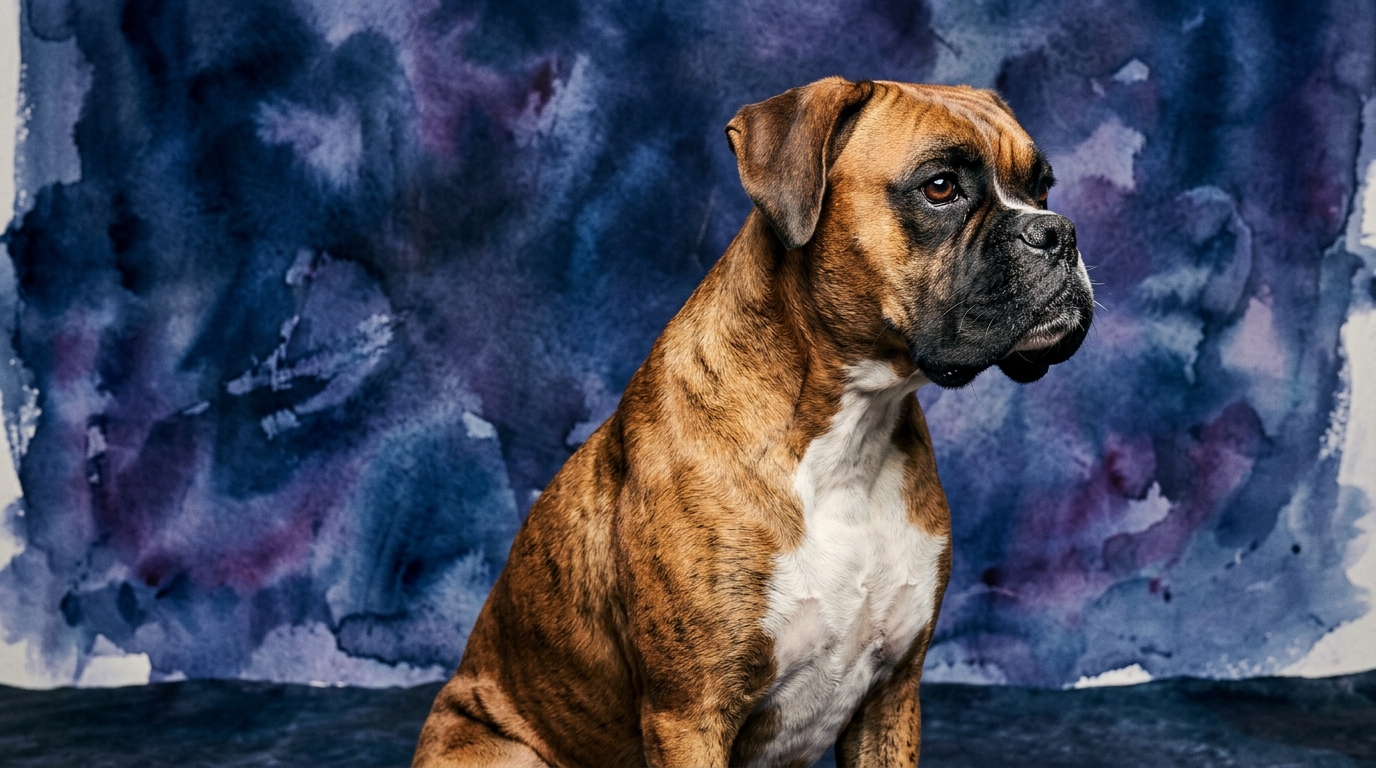
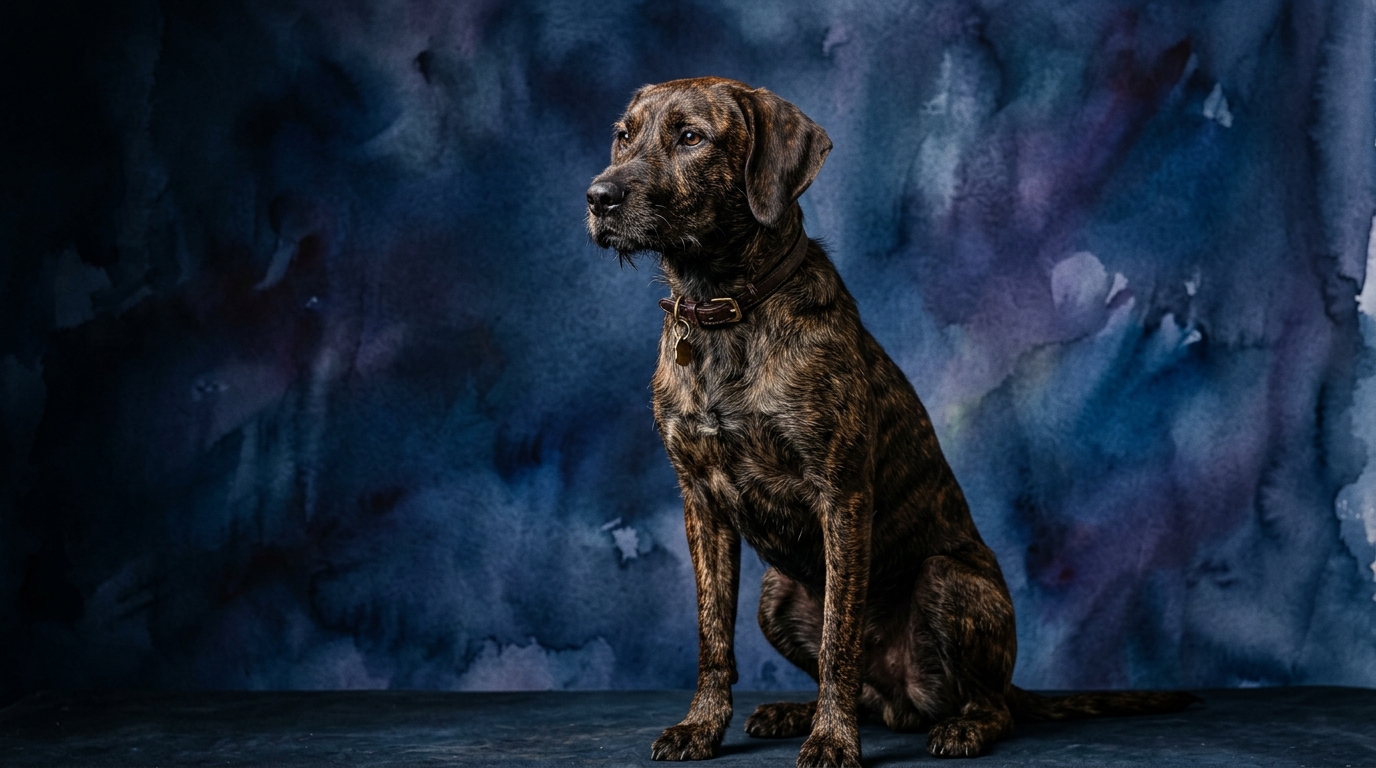
The Cosmic Pet Pet IQ Lab employs five key dimensions to map a breed's cognitive architecture, and examining the Boxer and Plott Hound highlights inherent differences. The Boxer, a Coren-ranked working dog at #48, shows a Problem Solving score of 3/5, indicating an ability to navigate moderate challenges. Its Training Speed, also 3/5, suggests a steady learning curve. Where the Boxer truly shines is in Social Intelligence, earning a perfect 5/5, reflecting its profound capacity for understanding human cues, forming strong bonds, and engaging cooperatively. Its Instinctive Drive is a robust 4/5, manifesting in a strong desire for engagement and task fulfillment, while Memory registers at 3/5 for retaining routines. In contrast, the Plott Hound, an unranked hound breed, shares a similar Problem Solving score of 3/5, often applied to tracking. Its Training Speed is also 3/5, suggesting methodical learning, though sometimes overshadowed by primary instincts. The Plott's Social Intelligence is 3/5, meaning it forms bonds but often prioritizes its sensory world. Its Instinctive Drive, also 3/5, is strongly oriented towards scent work and persistence, while its Memory, at 3/5, is adept at recalling complex scent trails and environmental details.
Where the Boxer's Mind Excels
The Boxer's cognitive strengths distinctly lean towards social interaction and cooperative engagement. Its 5/5 Social Intelligence represents a deep-seated ability to interpret human emotions and cues, translating into a dog that often anticipates its owner's wishes and responds with keen attentiveness. This aptitude for social nuance means Boxers are often highly attuned to their family's dynamics, making them exceptional companions. Their 4/5 Instinctive Drive, combined with this social intelligence, manifests as a strong protective instinct and readiness for structured activities. They excel in tasks requiring focus on a human handler, such as obedience or trick training, where their drive to please and work alongside their person is a significant motivator. This profile helps Boxers thrive on consistent interaction.
Unpacking the Plott Hound's Cognitive Edge
While the Plott Hound shares a 3/5 in Problem Solving with the Boxer, its application is markedly different, rooted in its scent hound heritage. The Plott's cognitive edge lies in its independent, persistent, and highly specialized approach to navigating complex sensory information, particularly scent. Its 3/5 Instinctive Drive is almost entirely channeled into formidable tracking abilities; a Plott Hound’s mind constantly processes olfactory data, solving the intricate puzzle of a scent trail. This involves unique problem-solving—disentangling scents, navigating terrain, and maintaining focus over long distances, often with minimal human direction. Their 3/5 Memory, while not higher overall, is exceptionally tuned to spatial memory in relation to scent, allowing recall of trail nuances. This breed's strength is in methodical, self-directed mental work for an elusive scent, showcasing profound cognitive specialization.
Training Dynamics: Boxer's Cooperation vs. Plott's Independence
For trainability, the Boxer generally offers a more straightforward path due to its superior Social Intelligence. Their 5/5 score means they are inherently motivated to interact and cooperate, highly receptive to positive reinforcement. A Boxer's 3/5 Training Speed, combined with their desire for social engagement, means they are typically eager to learn new commands, viewing training as a bonding activity. They respond well to praise and rewards, maintaining focus on their handler. In contrast, the Plott Hound, with 3/5 Social Intelligence and 3/5 Instinctive Drive focused on scent, approaches training more independently. While capable of learning at 3/5 Training Speed, their motivation often stems from their own interests. Training a Plott requires immense patience and creativity to make tasks rewarding enough to compete with a captivating scent. They might ignore commands if a compelling smell captures their attention, prioritizing their sensory world over human directives.
Lifestyle Suitability: Active Engagement vs. Focused Pursuit
The Boxer, with its robust 4/5 Instinctive Drive and 5/5 Social Intelligence, thrives with active owners providing consistent mental and physical engagement. They require structured exercise, interactive play, and social opportunities to channel energy constructively. Their cognitive makeup means they enjoy being integral family members, participating in daily activities, and receiving regular attention. Boxers are excellent companions for active families, but demand significant commitment. The Plott Hound, while also active, suits owners appreciating its specialized drive. Its 3/5 Instinctive Drive is less about generalized energy and more about focused pursuit. They need outlets for scenting abilities, through nose work or tracking games, where they explore olfactory landscapes. While calm indoors after sufficient exercise, their mental stimulation needs are distinct. Owners facilitating this deep-seated need for 'work' related to scent will find a contented Plott, valuing purposeful activity over constant social interaction.
The Verdict
Opt for a Boxer if you desire a highly social, cooperative companion eager to engage in family activities and structured training, thriving on consistent human interaction and a strong sense of belonging. Their cognitive profile makes them excellent partners for active, involved owners seeking a dog deeply attuned to their family's dynamics.
Select a Plott Hound if you're an owner prepared to channel a powerful, independent scent drive, valuing a dog that excels in focused, sensory-driven work over constant social engagement. They suit individuals who can provide dedicated outlets for tracking and appreciate a methodical, self-directed canine companion.
🧠 Find Your Pet's IQ Score
Our Pet IQ Lab assessment covers 25+ tests across 5 cognitive dimensions — personalized to your breed.
Take the Full IQ Test →Frequently Asked Questions
Does the Coren rank indicate overall intelligence?
The Coren rank primarily assesses "working and obedience intelligence," reflecting a dog's ability to learn and obey human commands. It doesn't encompass the full spectrum of canine cognition, such as problem-solving in natural environments or social intelligence, which the Cosmic Pet IQ Lab's dimensions address more broadly.
Can a Plott Hound be as trainable as a Boxer?
While both breeds have a 3/5 training speed, the Boxer's 5/5 social intelligence makes them generally more eager to please and cooperative during training. Plott Hounds can be trained effectively, but their independence and strong scent drive mean training often requires more specialized methods, patience, and high-value rewards to keep them engaged against competing olfactory distractions.
Which breed is better with children?
The Boxer's 5/5 social intelligence typically makes them naturally more attuned to family dynamics and often very tolerant and playful with children, provided they are well-socialized and trained. Plott Hounds, with 3/5 social intelligence, can be good family dogs but might be more independent and less instinctively focused on human interaction, requiring more supervision and careful introductions with younger children.