A Side-by-Side Look at Canine Cognition
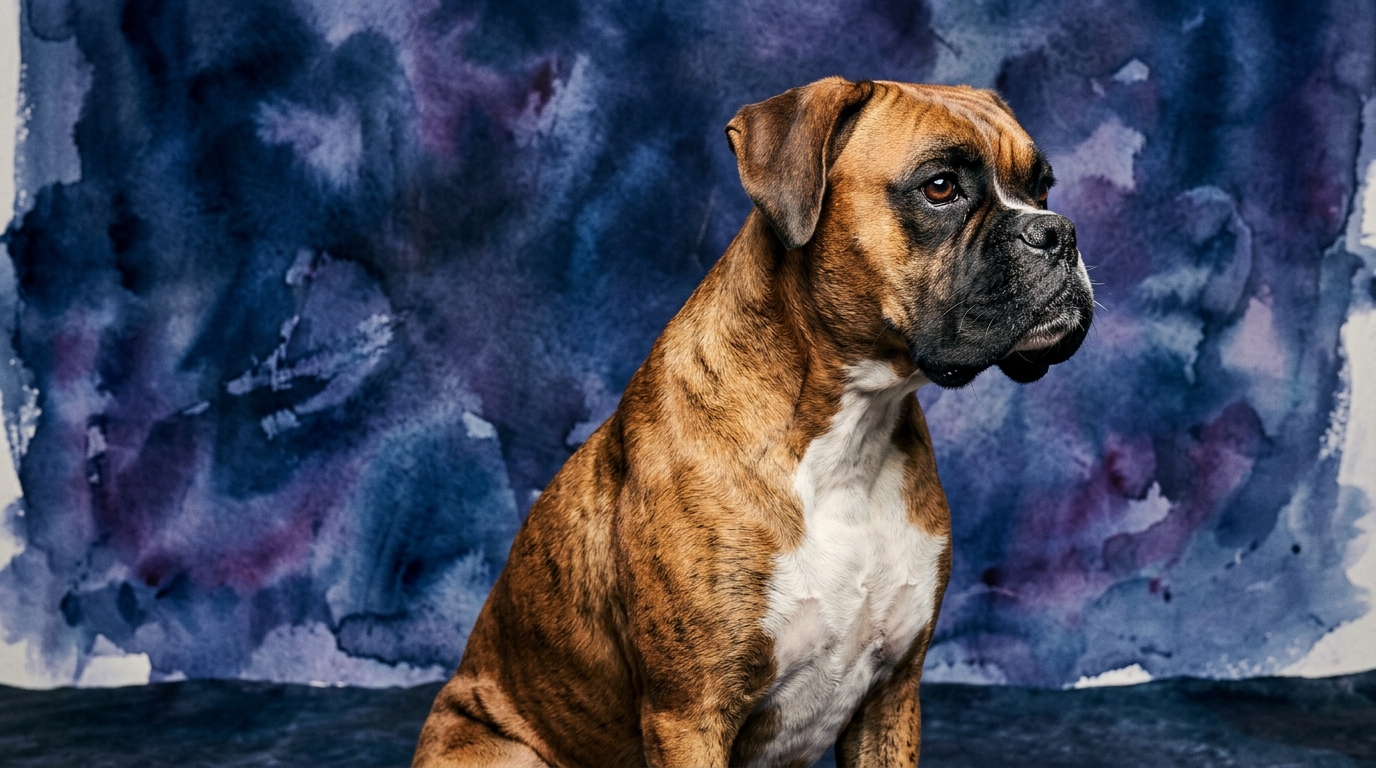
The Boxer, a breed recognized for its engaging demeanor and ranked #48 by Coren, demonstrates a balanced cognitive profile often geared towards partnership. Their Problem Solving at 3/5 suggests a practical ability to navigate challenges, frequently seeking human interaction or guidance when faced with novel situations. Training Speed, also 3/5, indicates a moderate pace for learning new commands, requiring consistent methods but yielding reliable results through repetition. Where Boxers truly shine is in Social Intelligence, scoring a perfect 5/5; they are profoundly attuned to human emotions, body language, and intent, fostering deep, communicative bonds that drive much of their behavior. An Instinctive Drive of 4/5 reflects their powerful working heritage, manifesting as a strong desire for purpose and engagement, whether in vigorous play, protection, or structured tasks. Memory at 3/5 means they retain learned information adequately, benefiting from regular reinforcement to solidify commands and routines.
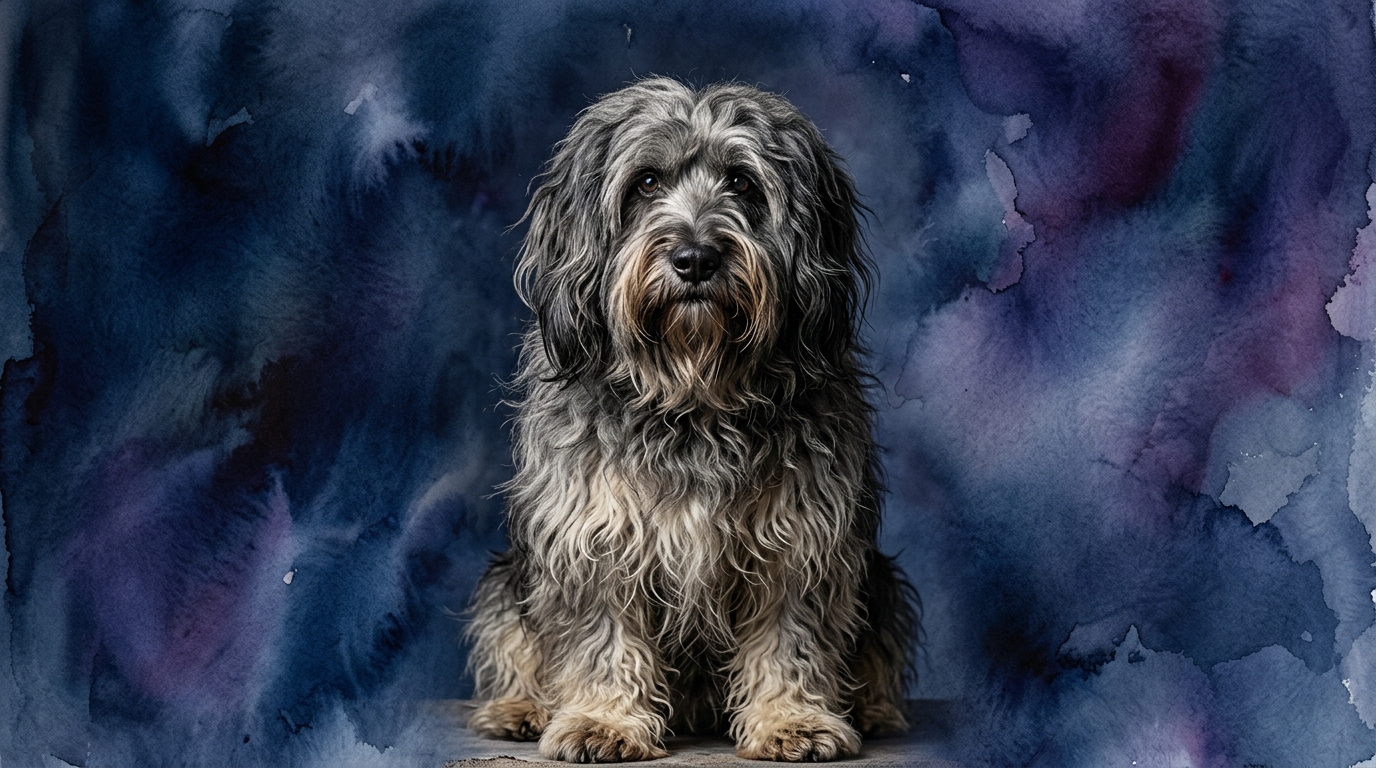
The Polish Lowland Sheepdog (PON), a herding breed not Coren-ranked, presents a cognitive profile emphasizing independence and acute environmental awareness. Their Problem Solving, mirroring the Boxer at 3/5, implies a capacity for practical solutions, often leaning into self-reliance typical of breeds developed for autonomous work with livestock. Training Speed at 3/5 suggests they learn at a similar pace to Boxers, though their approach might be less people-pleasing and more task-focused, driven by intrinsic motivation. Social Intelligence at 3/5 indicates they are observant and form strong, albeit sometimes reserved, bonds with their family, typically displaying a more independent and discerning social demeanor compared to the Boxer's overt expressiveness. An Instinctive Drive of 3/5 points to a moderate inherent motivation, often channeled into herding behaviors, patrolling, or watchful guardianship, but perhaps less intensely focused on human-directed tasks than some working breeds. Memory, like the Boxer, is 3/5, signifying a solid ability to recall past experiences and learned behaviors, contributing to their reliability.
Where the Boxer's Cognitive Strengths Shine
The Boxer's most pronounced cognitive advantage lies in their exceptional Social Intelligence, scoring a perfect 5/5 compared to the Polish Lowland Sheepdog's 3/5. This isn't merely about friendliness; it means Boxers possess a remarkable ability to read and respond to human social cues, emotions, and intentions with nuanced understanding. They excel in collaborative tasks where human-dog communication is paramount, often anticipating commands or reacting to subtle shifts in a handler's demeanor before explicit instruction. This deep social attunement makes them incredibly responsive partners in activities ranging from advanced obedience to therapy work, where their empathetic nature allows for profound connection and intuitive responses. Furthermore, their Instinctive Drive of 4/5, a point higher than the PON, often translates into a more vigorous and sustained engagement in physically demanding activities or protective roles. This drive, combined with their social intelligence, means a Boxer is often more motivated by the shared experience and human approval during tasks, exhibiting a tenacious spirit when working alongside their people. Their cognitive architecture leans towards partnership, making them incredibly effective when their intelligence is channeled through a strong, reciprocal human-dog bond.
Unpacking the Polish Lowland Sheepdog's Unique Cognitive Edge
While the Polish Lowland Sheepdog (PON) might not boast higher scores in raw numbers across the board compared to the Boxer, their cognitive profile reveals a distinct kind of strength, particularly in self-reliance and environmental processing, crucial for their herding heritage. Their Social Intelligence at 3/5, though lower than the Boxer's, shouldn't be mistaken for a lack of connection; rather, it indicates a more independent and discerning social approach. This independence allows them to process situations and make decisions without constant human oversight, a vital trait for a dog tasked with managing livestock autonomously in varied conditions. Their Problem Solving score of 3/5, identical to the Boxer, likely manifests differently, favoring practical, often self-initiated solutions that leverage their keen observational skills in their environment rather than immediately seeking human direction. This cognitive bent allows them to excel in scenarios requiring independent observation, strategic thinking in open spaces, and the ability to adapt without explicit commands. The PON's cognitive "win" is in their capacity for self-directed thought and action, making them adept at navigating complex, fluid situations where a more socially reliant dog might hesitate without direct human input. They possess a quiet, observant intelligence that prioritizes environmental awareness and self-sufficiency.
Training Dynamics: Boxer Responsiveness vs. PON Independence
Despite both breeds scoring 3/5 for Training Speed, the actual training experience can differ significantly due to their other cognitive attributes. The Boxer's superior Social Intelligence (5/5) means they are inherently more motivated by human interaction, praise, and the desire to please their handler. They are keenly aware of their handler's reactions and often adjust their behavior to gain approval, making them generally more responsive to traditional, reward-based training methods centered around positive reinforcement and connection. Their higher Instinctive Drive (4/5) also provides a robust engine for sustained effort once engaged, allowing for more consistent progress in structured training sessions focused on collaboration. In contrast, the Polish Lowland Sheepdog's (PON) 3/5 Social Intelligence suggests a more independent learner. While capable of understanding and performing commands, they might not be as overtly driven by human approval, often requiring more patience and a deeper understanding of their motivations, which can be less about pleasing and more about purpose. Their problem-solving might lead them to experiment with alternative solutions or question the necessity of a command, rather than immediately complying. Training a PON often involves tapping into their innate desire for utility and providing clear, consistent boundaries, recognizing their tendency for self-direction. A trainer might find a Boxer easier to motivate through social reinforcement, while a PON might respond better to tasks that engage their independent problem-solving skills and sense of intrinsic value.
Lifestyle Match: Active Companionship vs. Purposeful Engagement
When considering their cognitive profiles, both the Boxer and the Polish Lowland Sheepdog require active engagement, but their preferred modes of interaction diverge. The Boxer, with its 5/5 Social Intelligence and 4/5 Instinctive Drive, thrives with owners who can integrate them fully into an active, family-oriented lifestyle. They need consistent social interaction, interactive playtime, and structured activities that allow them to work alongside their humans. Owners who enjoy jogging, hiking, dog sports, or simply extended periods of interactive play will find the Boxer an enthusiastic and devoted companion, deeply fulfilled by shared experiences and a strong sense of belonging. Their cognitive makeup makes them poor candidates for solitary living or passive companionship. The Polish Lowland Sheepdog, while also needing physical and mental stimulation, exhibits a cognitive preference for purposeful engagement, even if it's more self-directed. Their 3/5 Social Intelligence means they appreciate their family but might not constantly seek overt interaction during activities; they can be content to patrol a yard, engage in scent work, or participate in herding-style games with less direct human supervision than a Boxer might demand. They suit owners who appreciate a dog with an independent streak, who can provide tasks or activities that engage their observational skills and problem-solving abilities, rather than solely focusing on intense social play. Neither breed is suited for truly relaxed, sedentary owners, but the Boxer leans towards active companionship and shared endeavors, while the PON leans towards purposeful, sometimes independent, engagement and environmental stewardship.
The Verdict
Choose the Boxer if you seek a highly socially intelligent, deeply empathetic companion eager to engage in shared activities and thrives on close human partnership, offering robust energy for an active family life.
Opt for the Polish Lowland Sheepdog if you appreciate an independent, observant dog with a quiet cognitive strength for self-directed problem-solving, suitable for owners who value a purposeful, less overtly clingy companion.
🧠 Find Your Pet's IQ Score
Our Pet IQ Lab assessment covers 25+ tests across 5 cognitive dimensions — personalized to your breed.
Take the Full IQ Test →Frequently Asked Questions
Do Boxers need a lot of mental stimulation?
Yes, Boxers benefit greatly from mental challenges. Their 3/5 problem-solving and 5/5 social intelligence mean they thrive on learning new commands, interactive toys, and engaging in activities that involve their human companions, preventing boredom and channeling their energy positively.
Are Polish Lowland Sheepdogs good family dogs?
Polish Lowland Sheepdogs can be excellent family dogs, forming strong bonds with their household. Their 3/5 social intelligence suggests they are observant and loyal, though they may express affection more reservedly than a Boxer and benefit greatly from early socialization to ensure they are comfortable with diverse family dynamics.
Which breed is more vocal?
While individual dogs vary, Boxers tend to be more vocal when excited, playing, or expressing joy, often using barks and characteristic 'woo-woos.' Polish Lowland Sheepdogs, as herding dogs, can also be vocal, particularly when alerting to perceived threats or expressing their independent nature, often with a deep, authoritative bark.