Side-by-Side Cognitive Profiles: Boxer vs. Schipperke
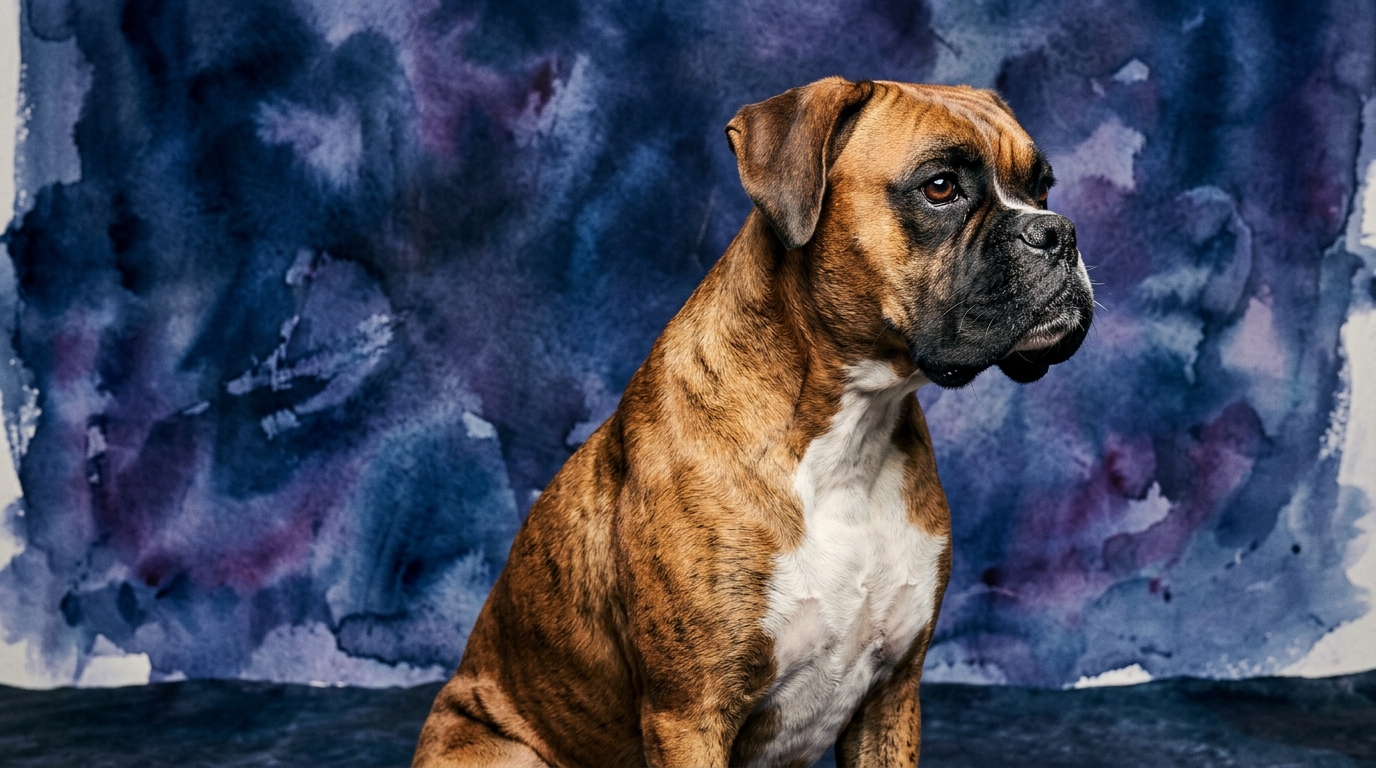
The Boxer, a Working group dog, registers a Coren rank of #48, reflecting a solid but not top-tier obedience intelligence. Their cognitive profile shows a moderate Problem Solving (3/5) and Training Speed (3/5), indicating they require consistent, patient guidance to grasp new concepts and commands. However, the Boxer shines with a perfect Social Intelligence (5/5), making them profoundly attuned to human emotions and social dynamics, coupled with a strong Instinctive Drive (4/5) for protection or play. Their Memory (3/5) is average, meaning regular refreshers are beneficial for learned behaviors.
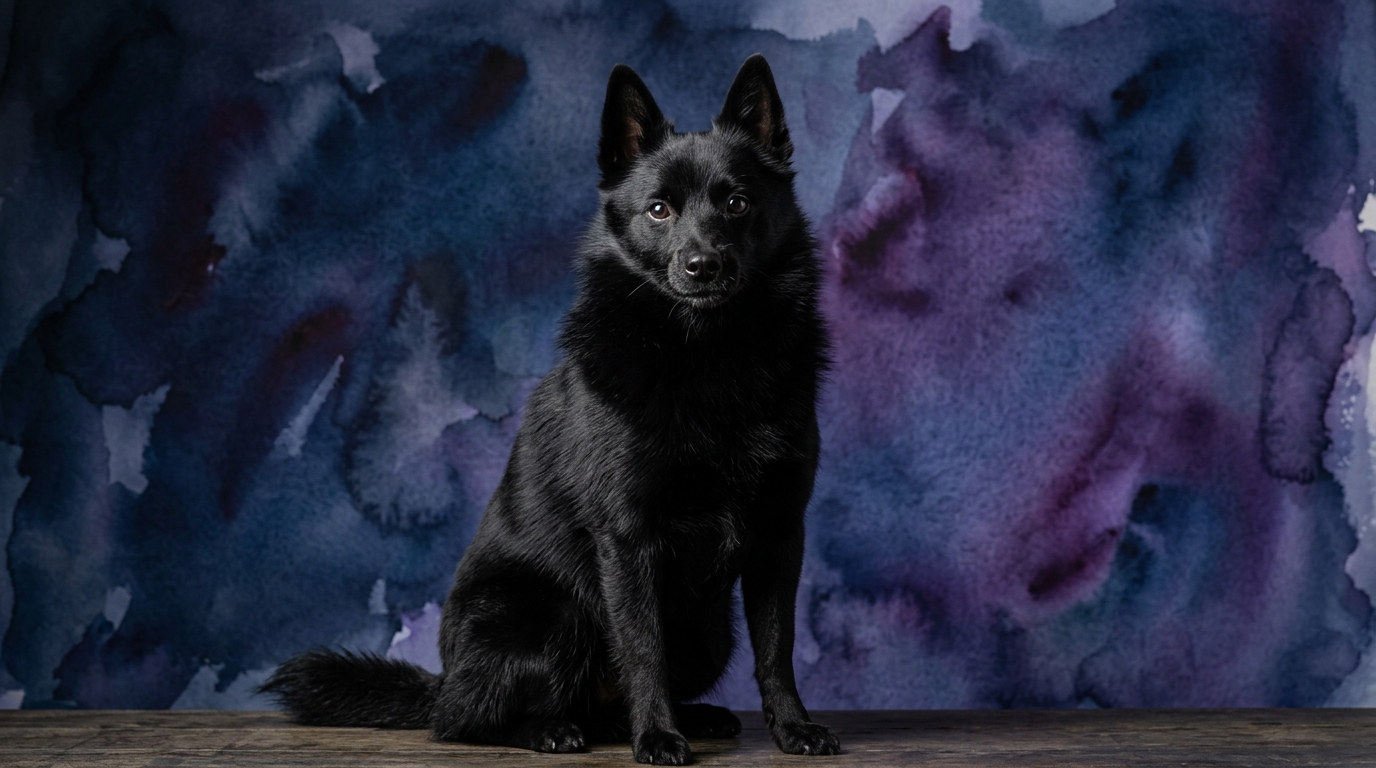
In stark contrast, the Non-Sporting Schipperke, with an impressive Coren rank of #15, presents a cognitive powerhouse in several areas. They achieve top marks in Problem Solving (5/5) and Training Speed (5/5), suggesting an innate ability to quickly analyze situations and rapidly acquire new skills. Their Memory (5/5) is exceptional, allowing them to retain information over long periods. While possessing a moderate Instinctive Drive (3/5), their Social Intelligence (3/5) is notably lower than the Boxer's, indicating a more independent nature and less overt emotional attunement to human cues.
Where the Boxer's Cognition Shines Brightest
The Boxer's true cognitive brilliance lies in their unparalleled Social Intelligence. Scoring a perfect 5/5, they possess an extraordinary capacity to read and respond to human emotions, making them incredibly empathetic and intuitive companions. A Boxer will often anticipate a family member's mood, offering comfort or initiating play at just the right moment, demonstrating a profound understanding of interpersonal dynamics. This deep social awareness translates into a strong desire for connection and collaboration, making them highly motivated by positive reinforcement rooted in praise and companionship rather than just food rewards.
Furthermore, their robust Instinctive Drive (4/5) means Boxers are often eager to engage in activities that tap into their natural predispositions, whether it's vigorous play, agility, or even protective guarding of their family. This drive, combined with their social acumen, means they are not just performing tasks but doing so with a genuine enthusiasm for their human partner, making shared activities a truly bonding experience. They may take longer to learn a complex routine, but their willingness to engage and their deep connection to their handler can often make the learning process a joyful, shared journey.
Schipperke's Cognitive Dominance: Speed and Retention
The Schipperke's cognitive profile is defined by its exceptional speed and retention. With perfect scores in Problem Solving (5/5), Training Speed (5/5), and Memory (5/5), this small dog demonstrates a remarkable ability to learn new commands and routines with astonishing rapidity and recall them flawlessly over time. They are quick-witted, often figuring out complex puzzle toys or navigating novel environments with minimal assistance, showcasing an impressive capacity for independent thought and strategic action. This cognitive agility means a Schipperke can pick up multiple new tricks or advanced obedience commands in a fraction of the time it might take a Boxer.
Their superior memory ensures that once a concept is learned, it is rarely forgotten, reducing the need for constant repetition and reinforcement that other breeds might require. This makes them excellent candidates for advanced obedience, rally, or even competitive dog sports where precision and retention of intricate sequences are paramount. While their Social Intelligence (3/5) is more moderate, their keen intellect and ability to process information swiftly make them highly adaptable to various training methodologies, provided the trainer understands their independent streak.
Ease of Training: A Tale of Two Approaches
When it comes to ease of training, the Schipperke generally has a significant edge, largely due to their top-tier Training Speed (5/5) and Memory (5/5). They absorb commands quickly and retain them, meaning fewer repetitions are needed for a behavior to become ingrained. A Schipperke can master basic obedience in a relatively short timeframe and is often eager to move on to more complex tasks, thriving on mental challenges. However, their lower Social Intelligence (3/5) and moderate Instinctive Drive (3/5) mean they might not always be as intrinsically motivated by human praise or desire to please as a Boxer. They require a trainer who understands their independent nature and can make training sessions engaging and rewarding, often through puzzle-based learning or varied tasks to prevent boredom.
The Boxer, with a Training Speed of 3/5 and Memory of 3/5, will require more patience and consistency. They may take longer to grasp new commands and might need regular refreshers to keep behaviors sharp. However, their superior Social Intelligence (5/5) and strong Instinctive Drive (4/5) mean they are highly motivated by interaction, praise, and the desire to be a part of their human's world. Training a Boxer is often a more collaborative and emotionally rich experience, where the bond with the handler is a powerful motivator. While they may not learn as quickly, their eagerness to please and deep connection can make the training journey incredibly rewarding, even if it takes more time and repetition.
Which Dog Suits Which Lifestyle: Active vs. Relaxed Owners
For active owners seeking a highly engaged and emotionally resonant companion, the Boxer stands out. Their robust Instinctive Drive (4/5) means they thrive on physical activity, whether it's long walks, vigorous play sessions, or participating in dog sports like agility or flyball. Paired with their exceptional Social Intelligence (5/5), Boxers are at their happiest when integrated fully into family life, participating in activities, and receiving ample attention and interaction. They are not content to be left alone for extended periods and flourish in environments where their human companions are present, engaged, and ready to share their energy. An owner who enjoys a dynamic lifestyle and values a deeply connected, empathetic canine partner will find the Boxer an ideal match.
The Schipperke, while still requiring regular exercise, offers a different proposition. Their high Problem Solving (5/5) and Training Speed (5/5) mean they thrive on mental stimulation as much as physical activity. They are suited for owners who enjoy teaching new tricks, engaging in puzzle games, or participating in advanced obedience or rally where their sharp intellect can be fully utilized. While they appreciate companionship, their moderate Social Intelligence (3/5) suggests they can be more independent and might be more comfortable with periods of self-entertainment, provided their environment offers sufficient mental enrichment. They are not necessarily “relaxed” in the sense of being sedentary, but rather can be more self-sufficient in their engagement, making them a good fit for owners who appreciate a clever, independent dog that can entertain itself with intelligent tasks when not directly interacting.
The Verdict
Choose Boxer if you prioritize a deeply empathetic, socially attuned companion who thrives on close interaction and shared activity, and you are prepared for a training journey that values consistent patience and connection over raw speed.
Choose Schipperke if you value a sharp, quick-witted dog that excels at learning complex tasks rapidly and independently, and you are eager to provide ample mental stimulation to challenge their exceptional problem-solving abilities.
🧠 Find Your Pet's IQ Score
Our Pet IQ Lab assessment covers 25+ tests across 5 cognitive dimensions — personalized to your breed.
Take the Full IQ Test →Frequently Asked Questions
Are Boxers difficult to train due to their Coren rank?
Boxers are not inherently difficult, but their Coren rank of #48 and moderate training speed mean they require more consistent, patient, and positive reinforcement than some other breeds. Their high social intelligence makes them eager to please their human, which can be a powerful motivator in training.
Do Schipperkes make good family dogs despite their lower social intelligence score?
Yes, Schipperkes can be excellent family dogs, though their lower social intelligence (3/5) suggests they might be more independent and less outwardly affectionate than a Boxer. They often form strong bonds with their primary caretaker but may be more reserved with strangers or less overtly attuned to subtle family dynamics.
Which breed is better for first-time dog owners?
For first-time owners, the Boxer's high social intelligence and desire to please can make them more forgiving of novice training mistakes, provided the owner is committed to consistent effort. The Schipperke's quick wit and independent streak might be more challenging for a beginner who isn't prepared for their rapid learning and potential for mischief if not adequately stimulated.