The Cosmic Pet Pet IQ Lab: Side-by-Side Profiles
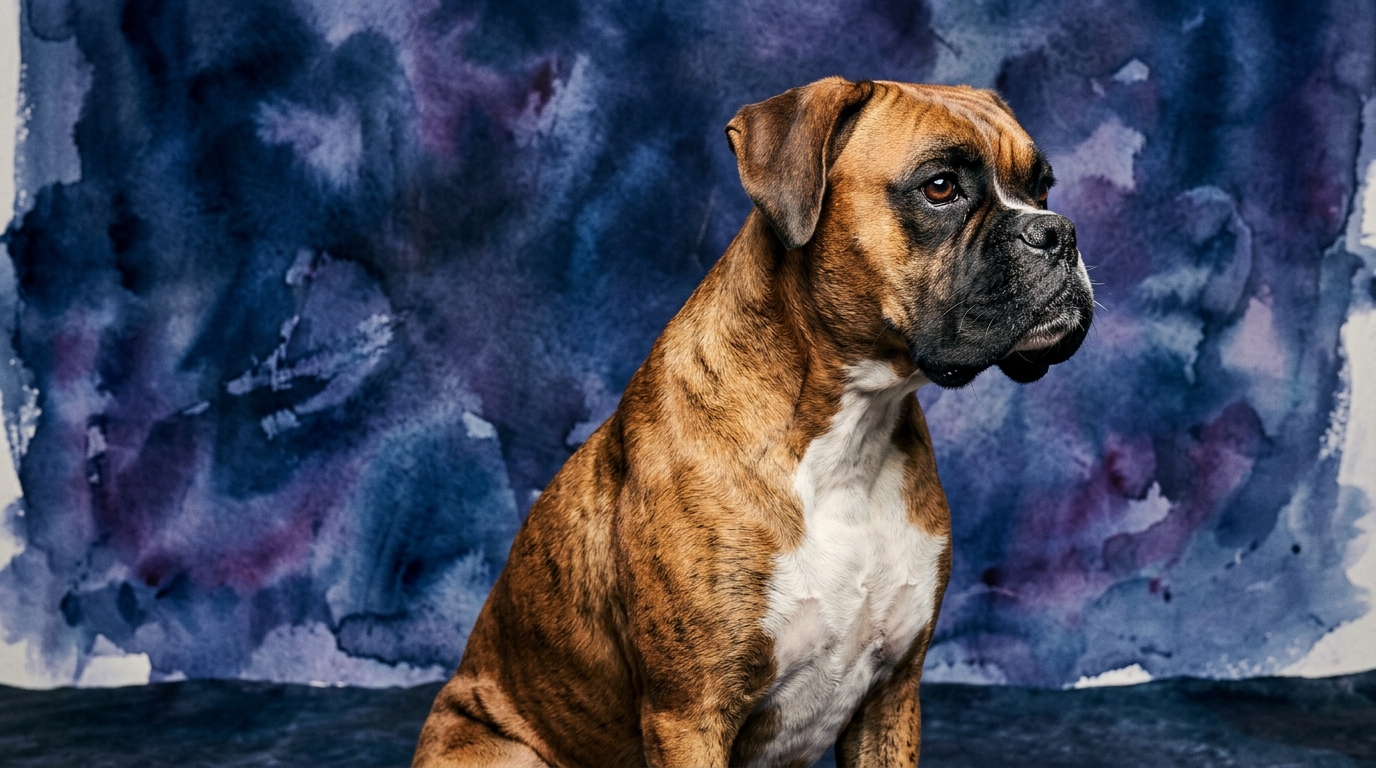
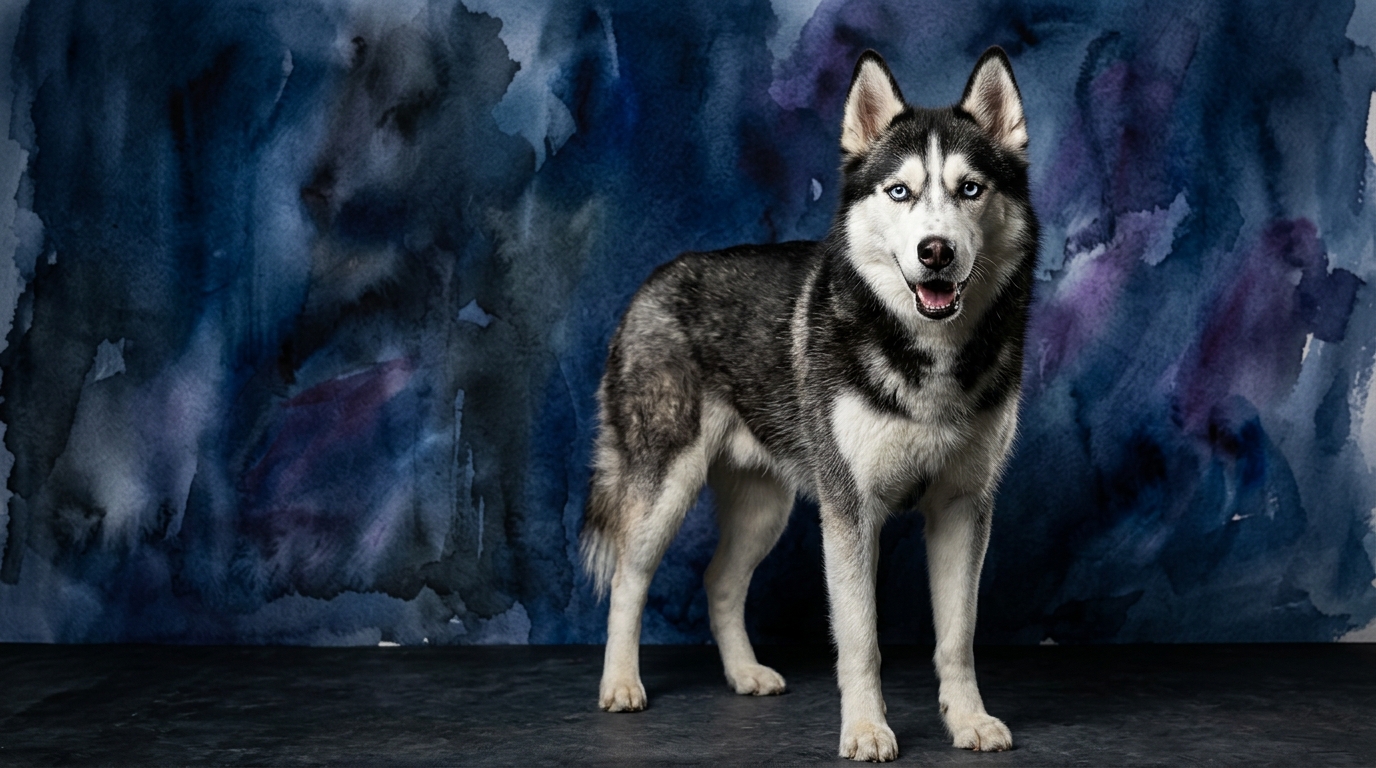
At The Cosmic Pet Pet IQ Lab, we dissect canine intelligence into five key dimensions to provide a nuanced understanding of each breed's cognitive strengths. For the Boxer, ranked #48 by Coren, and the Siberian Husky, ranked #45, their profiles reveal distinct mental architectures.
The Boxer's cognitive breakdown is as follows: Problem Solving scores 3/5, indicating a moderate ability to navigate novel situations or puzzles independently. They can figure things out but might benefit from guidance or repetition to master complex tasks. Their Training Speed is 3/5, suggesting they are capable learners who respond well to consistent, engaging methods, though they might not be the quickest to grasp new commands. Social Intelligence is where the Boxer truly excels with a perfect 5/5, showcasing an outstanding capacity for understanding and responding to human cues, emotions, and social structures, making them profoundly attuned companions. Their Instinctive Drive is 4/5, a strong internal motivation fueling their playful, protective, and energetic natures. Finally, their Memory is 3/5, indicating moderate recall for commands, routines, and experiences, which benefits from regular reinforcement.
The Siberian Husky presents a different cognitive landscape: Problem Solving is a robust 4/5, demonstrating a strong ability to independently assess and overcome challenges, often displaying resourcefulness and cleverness in their approach. Their Training Speed is 2/5, a lower score reflecting their independent nature which can make them more challenging to train quickly, often requiring immense patience and creative motivation. Social Intelligence is 3/5, a moderate capacity for understanding human social dynamics; while affectionate, they often exhibit a more independent social style compared to highly people-focused breeds. Their Instinctive Drive is an exceptional 5/5, an incredibly powerful internal motivation deeply rooted in their heritage as sled dogs, driving them to run, explore, and work with incredible endurance. Their Memory is 4/5, showing good recall for experiences, routines, and places, particularly those aligned with their innate drives, though its application in formal obedience might be selective.
Where the Boxer Wins Cognitively
The Boxer's cognitive strengths lie profoundly in their social engagement and cooperative spirit. Their perfect 5/5 in Social Intelligence means they possess an unparalleled ability to read human emotions, intentions, and body language. This makes them extraordinarily empathetic companions who often anticipate their owner's needs or moods, seeking to interact and participate in family life. This deep understanding fosters a strong bond and makes them highly responsive to their human counterparts.
Furthermore, the Boxer's 3/5 Training Speed, while not the highest, is significantly more cooperative than the Husky's. This, combined with their strong social intelligence, means Boxers are generally more biddable and eager to engage in structured learning. They find satisfaction in pleasing their owners and thrive on the positive feedback received during training sessions, making them more straightforward to guide through obedience commands and behavioral adjustments. Their willingness to cooperate and understand human social cues gives them a distinct advantage in environments where partnership and responsiveness are key.
Where the Siberian Husky Wins Cognitively
The Siberian Husky's cognitive prowess is centered on their remarkable independence and drive for self-sufficiency. Their 4/5 Problem Solving score highlights an impressive capacity to figure things out on their own, whether it's navigating complex terrains or outsmarting a gate latch. This resourcefulness stems from their historical role where independent thinking was crucial for survival and task completion, manifesting in a cleverness that can be both admirable and, at times, challenging for owners.
Their exceptional 5/5 Instinctive Drive is another area of clear dominance. This powerful internal motivation compels them to run, explore, and exert themselves physically and mentally over long durations. This drive isn't just about physical energy; it's a deep-seated cognitive force that allows them to maintain focus on tasks requiring endurance and navigation, such as pulling a sled or following a scent trail. Coupled with their 4/5 Memory, Huskies can retain vast amounts of information related to routes, tasks, and environmental cues, enabling them to perform complex, multi-stage activities effectively, even if their application in strict obedience training requires selective motivation.
Training Dynamics: Boxer vs. Siberian Husky
When it comes to ease of training, the Boxer generally presents a more straightforward journey for most owners. Their moderate Training Speed (3/5), coupled with their outstanding Social Intelligence (5/5), means they are highly attuned to human feedback and possess a genuine desire to cooperate. Boxers are more likely to view training as a social interaction, seeking approval and understanding human expectations, which makes them responsive to positive reinforcement and clear, consistent guidance. They thrive on engagement and praise, making them generally eager to learn new commands and integrate into household routines.
In contrast, the Siberian Husky, with a lower Training Speed (2/5) and moderate Social Intelligence (3/5), often approaches training with a more independent and sometimes selective mindset. Their formidable Instinctive Drive (5/5) can frequently override the desire to comply, as their internal motivations for running, exploring, or pursuing scents may take precedence over an owner's command. Training a Husky demands immense patience, creativity, and a deep understanding of their independent spirit. Owners often need to make training feel like a game or an extension of their natural drives, utilizing high-value rewards and varied approaches to maintain their interest and encourage compliance, rather than relying solely on a desire to please.
Lifestyle Match: Active Owners vs. Relaxed Owners
For owners leading an exceptionally active lifestyle, the Siberian Husky is an ideal match. Their perfect 5/5 instinctive drive means they possess an insatiable need for vigorous exercise and mental engagement, thriving on activities like running, hiking, skijoring, or other dog sports that challenge their problem-solving abilities and endurance. They are not content with short walks; Huskies require consistent, demanding outlets for their energy, and without them, their problem-solving skills might be directed towards less desirable behaviors like escaping or destructive chewing. They need an owner who can consistently provide an outlet for their profound drive to move and explore.
Conversely, the Boxer, while athletic and playful, is better suited for moderately active owners. Their high social intelligence makes them excellent companions who enjoy participation in family activities, including daily walks, interactive play sessions, and engaging games that involve their human family. While they appreciate regular exercise to maintain their physical and mental well-being, they don't demand the same extreme level of sustained physical output as a Husky. After a good exercise session, Boxers are generally more content to relax alongside their human family, making them adaptable to a slightly more relaxed home environment that still provides consistent engagement and activity.
The Verdict
Choose a Boxer if you prioritize a deeply socially intelligent companion, eager to engage in training and family life, and seeking a moderately active, affectionate presence.
Opt for a Siberian Husky if you're an extremely active individual or family prepared to channel their immense instinctive drive and independent problem-solving into demanding physical and mental challenges.
🧠 Find Your Pet's IQ Score
Our Pet IQ Lab assessment covers 25+ tests across 5 cognitive dimensions — personalized to your breed.
Take the Full IQ Test →Frequently Asked Questions
Are Boxers difficult to manage due to their energy?
Boxers are energetic, especially when young, but their high social intelligence means they respond well to consistent training and ample opportunities for play and exercise. Their energy is generally manageable for moderately active owners who can provide daily physical and mental stimulation.
Do Siberian Huskies make good guard dogs?
Siberian Huskies, with their moderate social intelligence and independent nature, are generally not considered effective guard dogs. While they may bark at strangers, their instinct often leans towards friendliness or indifference rather than territorial protection, and their independent spirit makes them less inclined to be overtly protective of property.
Which breed is better for first-time dog owners?
For first-time dog owners, a Boxer is often a more manageable choice due to their higher social intelligence and greater biddability in training. Siberian Huskies, with their strong independent streak and immense exercise requirements, demand a more experienced owner who understands their unique cognitive and physical needs.