The Cosmic Pet Pet IQ Lab: Side-by-Side Profiles
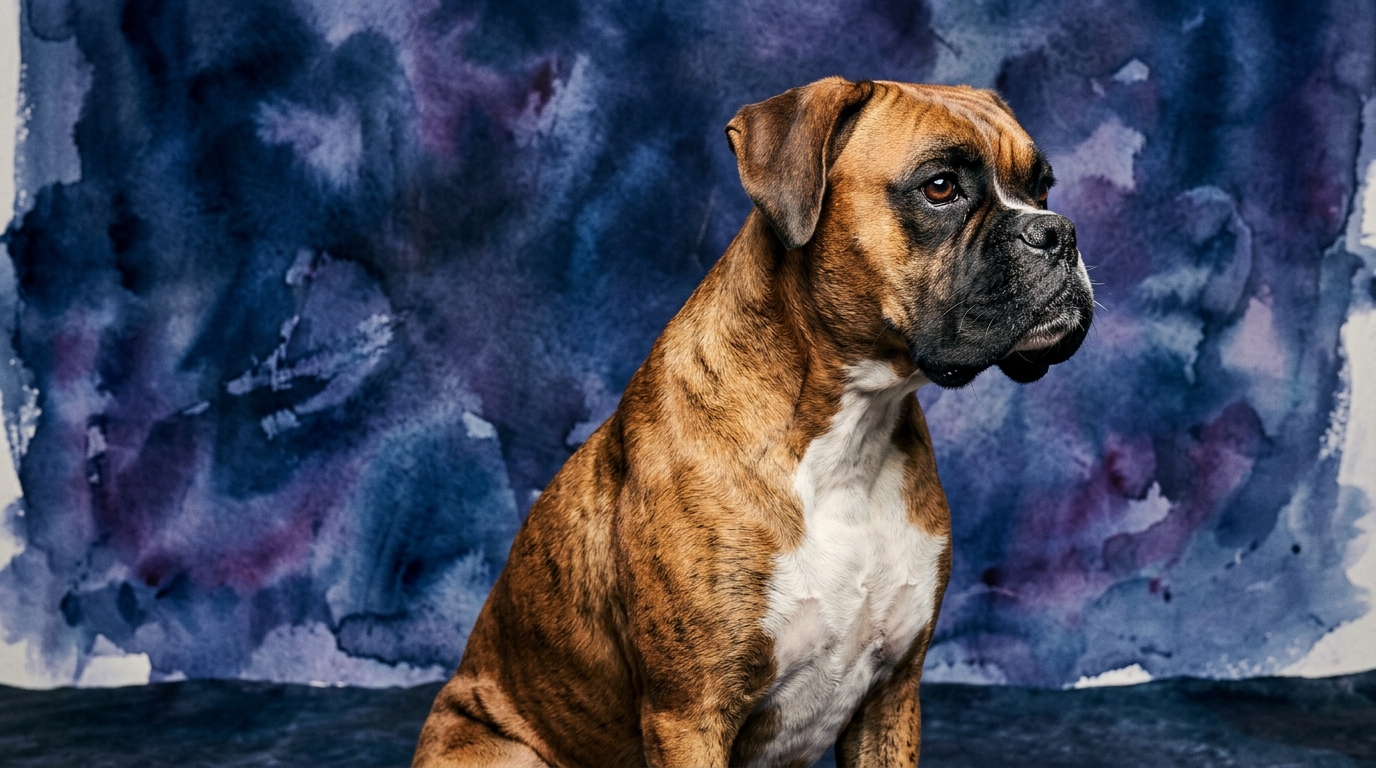
The Cosmic Pet Pet IQ Lab framework evaluates canine intelligence across five key dimensions, providing a nuanced understanding of each breed's mental aptitudes. For the Boxer, a Working group dog with a Coren rank of #48, their profile shows Problem Solving at 3/5, Training Speed at 3/5, Social Intelligence at an impressive 5/5, Instinctive Drive at 4/5, and Memory at 3/5. This suggests a dog deeply connected to its human companions with strong innate motivations.
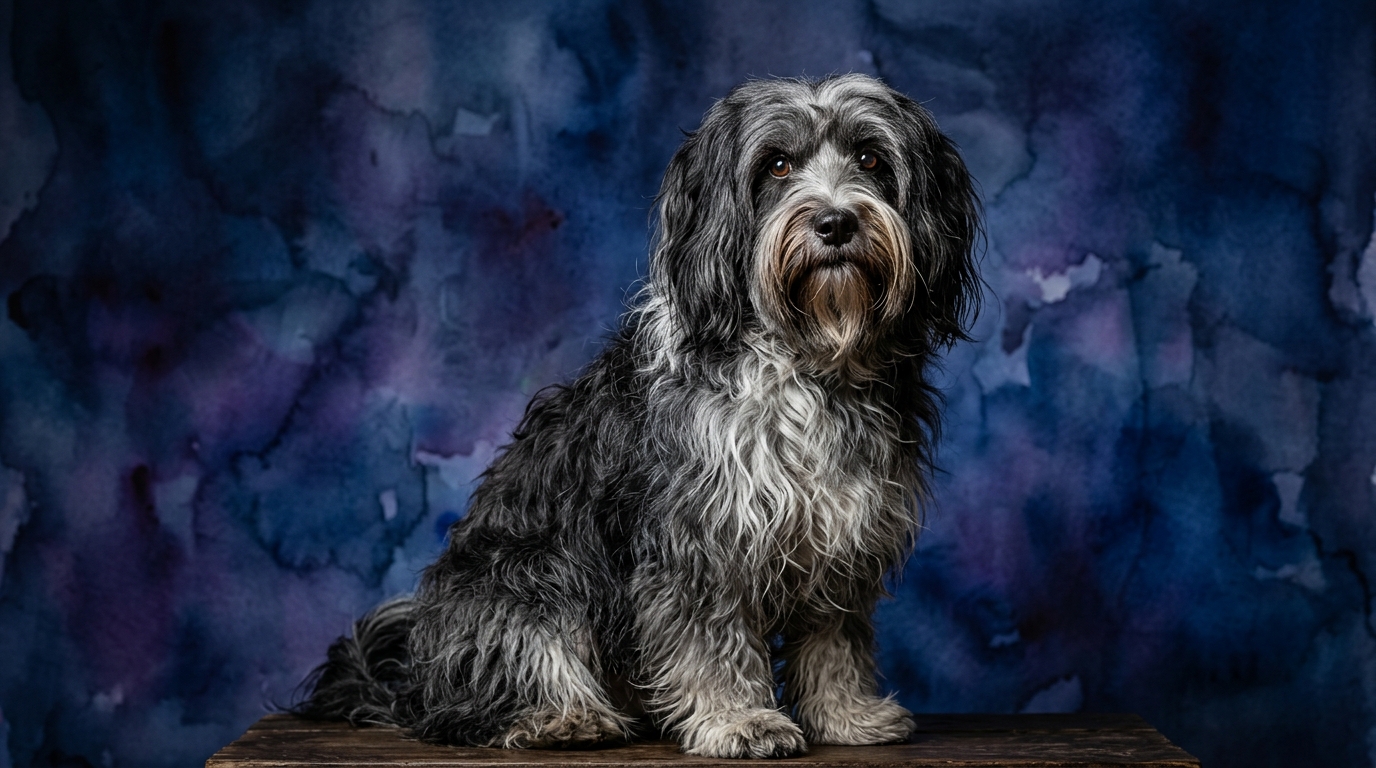
In contrast, the Tibetan Terrier, a Non-Sporting group dog with a Coren rank of #63, presents a more balanced, albeit generally lower, cognitive spread. Their scores are Problem Solving 3/5, Training Speed 3/5, Social Intelligence 3/5, Instinctive Drive 3/5, and Memory 3/5. This uniform scoring hints at a breed that is competent across the board but without the same pronounced peaks in social engagement or inherent drive seen in the Boxer.
Where the Boxer Excels Cognitively
The Boxer's standout cognitive strength lies unequivocally in their Social Intelligence, scoring a perfect 5/5. This dimension reflects their profound ability to understand and respond to human cues, emotions, and intentions, making them exceptionally attuned companions. They are masters at reading body language, picking up on vocal inflections, and anticipating human actions, which fuels their strong desire for interaction and cooperative activities.
Furthermore, the Boxer's Instinctive Drive at 4/5 signifies a strong internal motivation for specific behaviors, often rooted in their working heritage. This drive can manifest as a powerful urge to play, to protect, or to engage in physically demanding tasks. While their Problem Solving and Training Speed are moderate at 3/5, their high social intelligence and inherent drive mean they are often highly motivated to solve problems *for* their human, or to learn tasks that align with their strong social bonds and active nature. They thrive on collaborative challenges and tasks that involve their human partner.
Where the Tibetan Terrier Shines Cognitively
While the Tibetan Terrier's cognitive scores are consistently 3/5 across all dimensions, this uniformity itself represents a unique strength: adaptability and a well-rounded, self-sufficient mind. Their Problem Solving at 3/5 means they are capable of figuring out challenges, but perhaps with a more independent approach than a Boxer, relying less on human direction and more on their own observational skills. This moderate score implies a dog that can navigate novel situations effectively without becoming overly reliant on external guidance.
The Tibetan Terrier's 3/5 in Social Intelligence and Instinctive Drive suggests a balanced independence. They are certainly capable of forming strong bonds and engaging with their families, but they may not possess the same intense need for constant human interaction or the pronounced drive to 'work' for human approval seen in the Boxer. This moderate social drive means they are often content with their own company for periods, and their balanced instinctive drive means they are less prone to excessive energy or singular focus on specific tasks, making them versatile and less demanding in certain living situations. Their Memory at 3/5, while not exceptional, is sufficient for retaining routines and learned behaviors consistently.
Training Aptitude: Boxer vs. Tibetan Terrier
When it comes to ease of training, the Boxer generally holds an advantage, primarily due to their superior Social Intelligence (5/5) and stronger Instinctive Drive (4/5). A Boxer's profound desire to connect with and please their human makes them highly receptive to instruction. They are eager participants in training sessions, often viewing them as opportunities for interaction and shared activity. Their natural drive means they are readily motivated by praise, play, and positive reinforcement, making them responsive to learning new commands and behaviors relatively quickly.
The Tibetan Terrier, with 3/5 in both Training Speed and Social Intelligence, requires a different training approach. While they are capable learners, their more independent nature means they may not always possess the same fervent eagerness to comply immediately. They might weigh the perceived value of a command against their own inclinations. Consistency, patience, and varied, engaging training methods are crucial for the Tibetan Terrier, who can become bored with repetitive drills. Their training often requires more creativity from the owner to maintain engagement, leveraging their moderate problem-solving skills to make learning a rewarding mental exercise rather than simply an act of obedience.
Lifestyle Match: Active Owners vs. Relaxed Owners
The cognitive profile of the Boxer, particularly their high Social Intelligence and strong Instinctive Drive, aligns perfectly with active owners who enjoy engaging their dogs in a variety of activities. They thrive in environments where they receive ample mental and physical stimulation, whether it's through structured training, vigorous play, or participating in dog sports. Owners who are looking for a highly interactive companion, eager to be involved in every aspect of family life and requiring consistent engagement, will find the Boxer an ideal match. Their need for connection means they are not suited to being left alone for extended periods.
The Tibetan Terrier, with its balanced 3/5 scores across the board, suits owners who appreciate a companion that is adaptable and possesses a degree of independence, yet still enjoys interaction. While they are not couch potatoes and do require regular exercise and mental engagement, their moderate social intelligence and drive mean they might be content with slightly less intense, though still consistent, activity compared to a Boxer. They are excellent for owners who enjoy walks, moderate play, and a dog that can be both an engaged family member and comfortable entertaining itself for a time, without the same demanding need for constant human-directed activity.
The Verdict
Choose the Boxer if you seek a deeply social, driven, and highly interactive companion eager to participate in your active lifestyle and collaborative training endeavors.
Opt for the Tibetan Terrier if you desire a well-rounded, adaptable dog with a balanced temperament, offering both affectionate companionship and a charming degree of independence.
🧠 Find Your Pet's IQ Score
Our Pet IQ Lab assessment covers 25+ tests across 5 cognitive dimensions — personalized to your breed.
Take the Full IQ Test →Frequently Asked Questions
Do Boxers and Tibetan Terriers learn new commands at the same speed?
Both breeds score 3/5 in Training Speed, suggesting they learn at a moderate pace. However, a Boxer's higher social intelligence and instinctive drive often make them more *eager* to participate in training and comply, potentially giving the impression of faster learning due to greater motivation and focus on human cues.
Which breed is more prone to separation anxiety based on their IQ profile?
Given the Boxer's 5/5 Social Intelligence, they are inherently more attuned to human companionship and social interaction. This profound need for connection can make them more susceptible to separation anxiety if not properly managed, as prolonged solitude contradicts their strong social wiring.
Can a Tibetan Terrier excel in dog sports despite its moderate instinctive drive?
Yes, a Tibetan Terrier can certainly excel in dog sports. While their Instinctive Drive is 3/5, their Problem Solving and Training Speed are also 3/5, indicating competence. Success will largely depend on the individual dog's personality and the owner's commitment to making training fun and engaging, leveraging their adaptability and moderate intelligence rather than relying solely on intense natural drive.