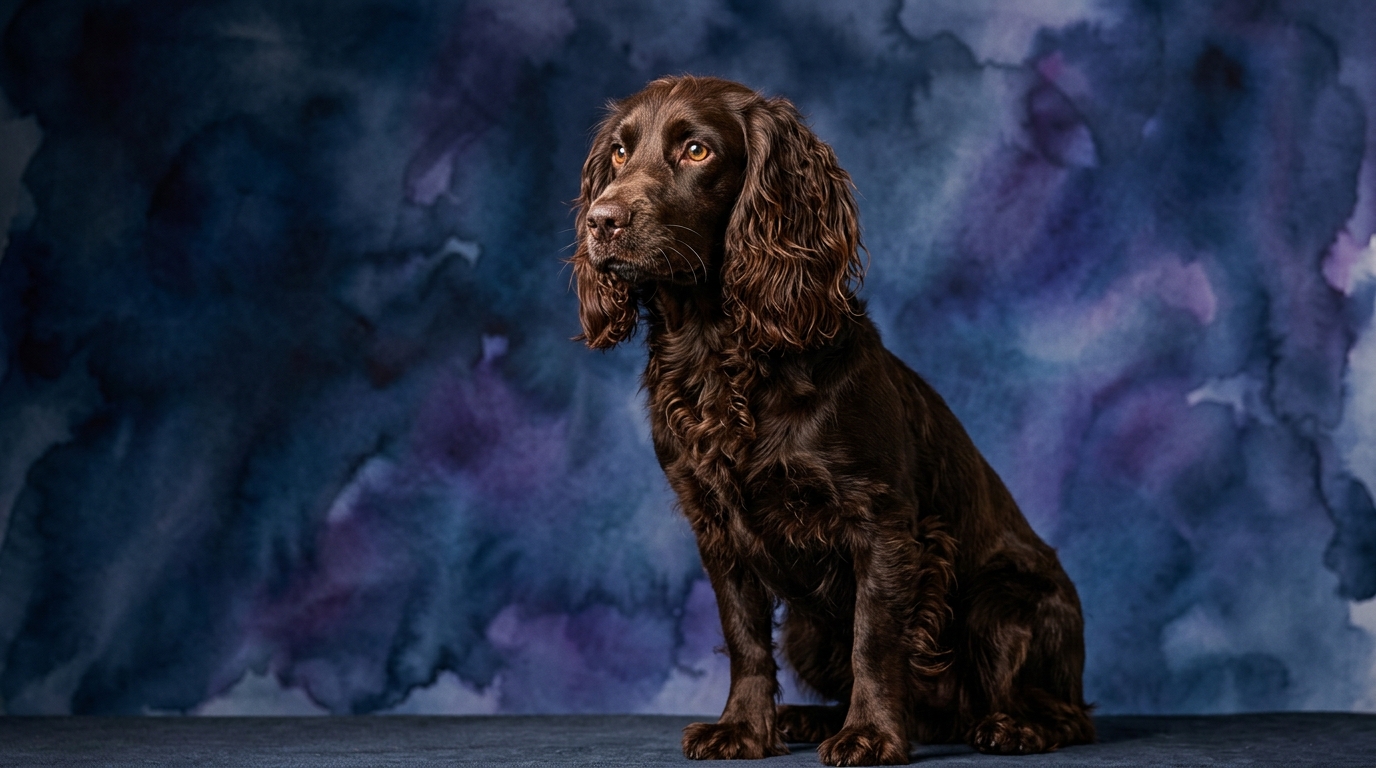
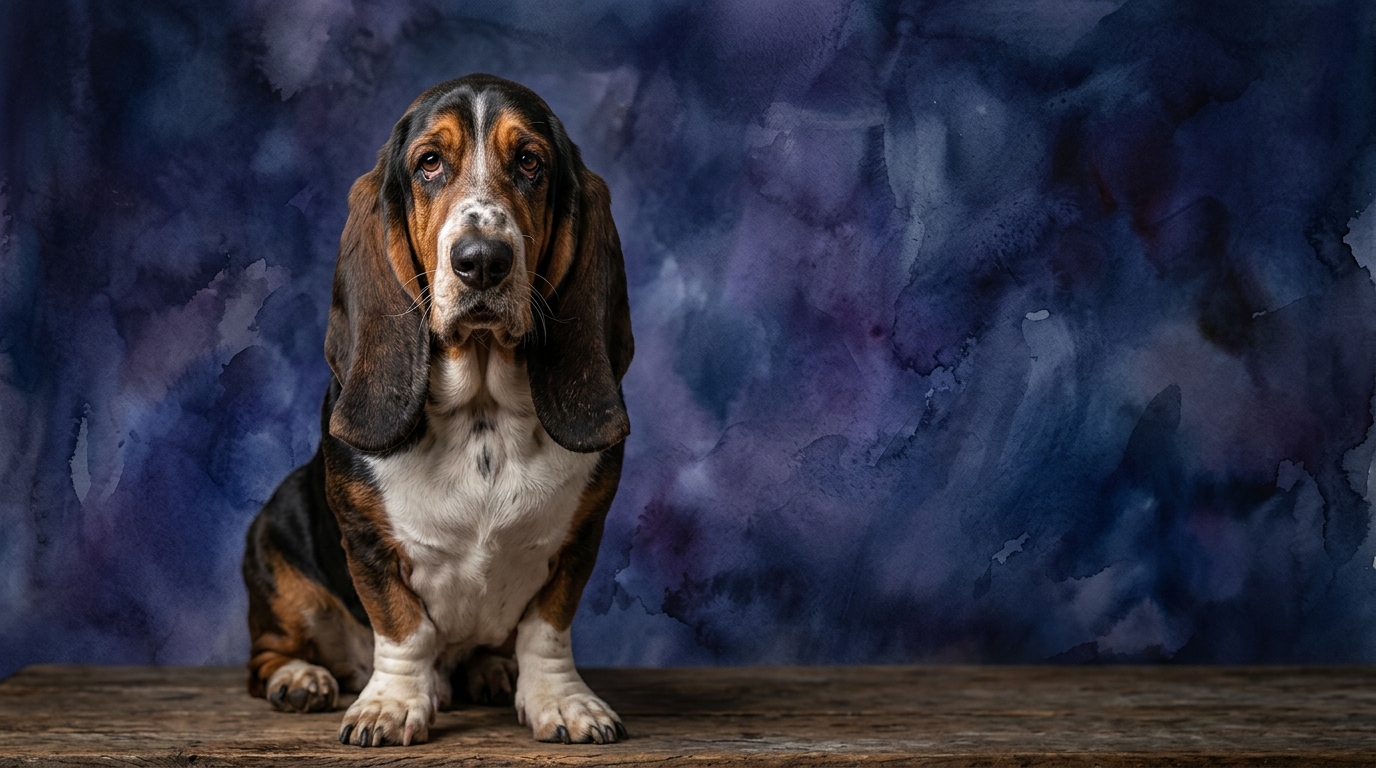
Side-by-Side Cognitive Profile
Delving into the cognitive makeup of the Boykin Spaniel and the Basset Hound, we observe a unique interpretation of their identical 3/5 scores across the board, reflecting their distinct historical roles.
For **Problem Solving (3/5)**, the Boykin Spaniel demonstrates practical, context-specific solutions, such as navigating dense cover to retrieve a fallen bird or quickly figuring out how to bypass an obstacle to reach a target. Their problem-solving is often dynamic and handler-oriented, requiring quick adjustments in varied environments. The Basset Hound, conversely, excels in persistent, methodical problem-solving, primarily focused on unraveling complex scent trails. This involves sustained focus, memory of previous scent markers, and a deliberate, often independent, approach to follow a path, even if it's not the most direct route.
Regarding **Training Speed (3/5)**, the Boykin Spaniel is typically responsive and eager to learn when tasks align with their natural sporting drives, such as retrieving or obedience for cooperative work. They are motivated by handler praise and the satisfaction of a shared task, often learning new commands efficiently with positive reinforcement. The Basset Hound also learns effectively, but their independent nature and overwhelming scent drive can sometimes make them appear less compliant or slower to respond in traditional obedience settings. Their learning is best facilitated with high-value rewards, immense patience, and by making the training more compelling than environmental distractions.
In terms of **Social Intelligence (3/5)**, the Boykin Spaniel exhibits a high degree of attunement to their human handler's cues, moods, and intentions, crucial for a close working partnership in the field. They are adept at reading body language and anticipating commands, fostering a deep, cooperative bond. The Basset Hound, while affectionate and social with their family and other dogs, often displays social intelligence more aligned with pack dynamics or independent exploration. They are less focused on constant handler direction and more on their own olfactory pursuits, though they certainly enjoy companionship.
The **Instinctive Drive (3/5)** in the Boykin Spaniel is characterized by a strong prey drive, manifesting in marking, flushing, and retrieving game. Their instinct is to work collaboratively with a hunter, using their scenting ability to locate and their soft mouth to retrieve. For the Basset Hound, this dimension is dominated by an intense, unwavering scent drive. Their primary instinct is to put their nose to the ground and follow a trail with incredible persistence, often overriding other learned behaviors or commands when a compelling scent presents itself.
Finally, **Memory (3/5)** for the Boykin Spaniel is excellent for spatial recall, particularly for "marking" the location of fallen game, remembering complex training sequences, and recalling learned commands. They can remember specific hunting locations and retrieve patterns. The Basset Hound possesses an exceptional memory for scent trails, capable of remembering intricate routes they've previously taken, especially those associated with interesting smells. They also remember routines and associations well, though perhaps less in the context of specific handler-initiated tasks compared to the Boykin.
Where the Boykin Spaniel Wins Cognitively
The Boykin Spaniel’s cognitive strengths shine in areas requiring active partnership and responsive adaptation. They excel in handler-oriented problem solving, meaning tasks where success hinges on understanding and executing human commands within a dynamic environment, like navigating a field based on hand signals to flush game. Their functional intelligence is geared towards quick decision-making and efficient execution in cooperative work.
Their cognitive edge is also apparent in adaptability within changing environments. A Boykin can rapidly adjust their strategy based on shifts in wind, terrain, or the movement of game, showcasing a flexible thought process vital for a versatile sporting dog. This quick cognitive processing allows them to be highly effective in varied hunting conditions. Furthermore, their inherent motivation for cooperative work means their drive is intrinsically linked to pleasing their handler and performing a shared task, making them exceptionally responsive to direction and eager to learn complex sequences for a common goal.
Where the Basset Hound Wins Cognitively
The Basset Hound's cognitive prowess is uniquely specialized, particularly in scent-based persistence and problem-solving. Their ability to methodically unravel and follow intricate scent trails, often over long distances and through challenging terrain, is unparalleled. This requires sustained focus, a sophisticated olfactory memory, and a unique form of cognitive mapping based entirely on scent information, often ignoring visual cues.
They demonstrate superior independent decision-making in trailing. Once a Basset Hound is on a scent, they are capable of making complex choices based on subtle olfactory information, often without direct human intervention. This self-directed problem-solving, while sometimes interpreted as stubbornness in other contexts, is a hallmark of their specialized intelligence, enabling them to pursue a trail with unwavering determination. Their olfactory memory is also a significant cognitive strength, allowing them to recall specific scents and the complex routes associated with them, even revisiting or continuing trails after a significant break.
Which Is Easier to Train and Why
When considering ease of training for traditional obedience and task-oriented commands, the Boykin Spaniel generally holds an advantage. Their biddable nature, eagerness to please, and strong desire to work cooperatively with their handler make them highly receptive to positive reinforcement. They typically learn commands quickly, particularly those related to retrieving and cooperation, and are motivated by praise and the satisfaction of a shared task. Their focus is often on the handler, which helps minimize environmental distractions during training sessions.
The Basset Hound, while certainly capable of learning, often requires more patience, creativity, and consistency in training due to their independent nature and overpowering scent drive. A Basset might perfectly understand a command but choose to ignore it if a compelling scent trail presents itself, as their innate drive to follow a nose takes precedence. Training success with a Basset Hound hinges on using high-value rewards, making the training process highly engaging, and understanding that their definition of "important" might differ from a human's. Their deep-seated instinct to follow a scent can make them appear "stubborn" when asked to override their nose, demanding a different approach from their trainers.
Which Suits Active Owners vs. Relaxed Owners
The Boykin Spaniel is an ideal match for active owners who enjoy outdoor activities, dog sports, or hunting. They are a high-energy breed that thrives with regular, vigorous exercise, extensive mental stimulation, and a defined "job" to do. Their desire for engagement means they are not content to be sedentary companions and require a significant commitment to their physical and mental well-being, making them perfect for those seeking an energetic partner for adventures.
Conversely, the Basset Hound generally suits more relaxed owners, though they still require daily walks and mental engagement to prevent boredom and maintain a healthy weight. While they possess incredible endurance for following a scent, their general indoor pace is deliberate, and they are prone to becoming overweight without moderate, consistent exercise. They are typically content with a comfortable home life, enjoying leisurely strolls where they can indulge their nose, followed by plenty of napping and quiet companionship.
The Verdict
Choose the Boykin Spaniel if you seek an energetic, cooperative partner for outdoor adventures, dog sports, or hunting, valuing biddability and a strong working bond.
Choose the Basset Hound if you appreciate a charming, independent companion with an unparalleled nose, are patient with training, and enjoy a more relaxed pace of life.
🧠 Find Your Pet's IQ Score
Our Pet IQ Lab assessment covers 25+ tests across 5 cognitive dimensions — personalized to your breed.
Take the Full IQ Test →Frequently Asked Questions
Can a Basset Hound be trained for advanced obedience?
Yes, Basset Hounds can achieve advanced obedience, but it requires exceptional patience, high-value rewards, and a trainer who understands their independent, scent-driven nature. Their capacity for learning is present, but their motivation structure is different from more biddable breeds.
Are Boykin Spaniels good family dogs?
Boykin Spaniels are generally excellent family dogs, known for their friendly and affectionate nature. They thrive on companionship and are typically good with children and other pets, provided they receive adequate exercise and mental stimulation to prevent boredom.
Which breed is better for apartment living?
The Basset Hound is generally better suited for apartment living due to their lower energy requirements indoors and more relaxed demeanor. Boykin Spaniels, with their higher energy and need for space to run, would struggle more in an apartment unless owners are extremely dedicated to daily rigorous exercise outside.