
Side-by-Side IQ Profile: Interpreting Identical Scores
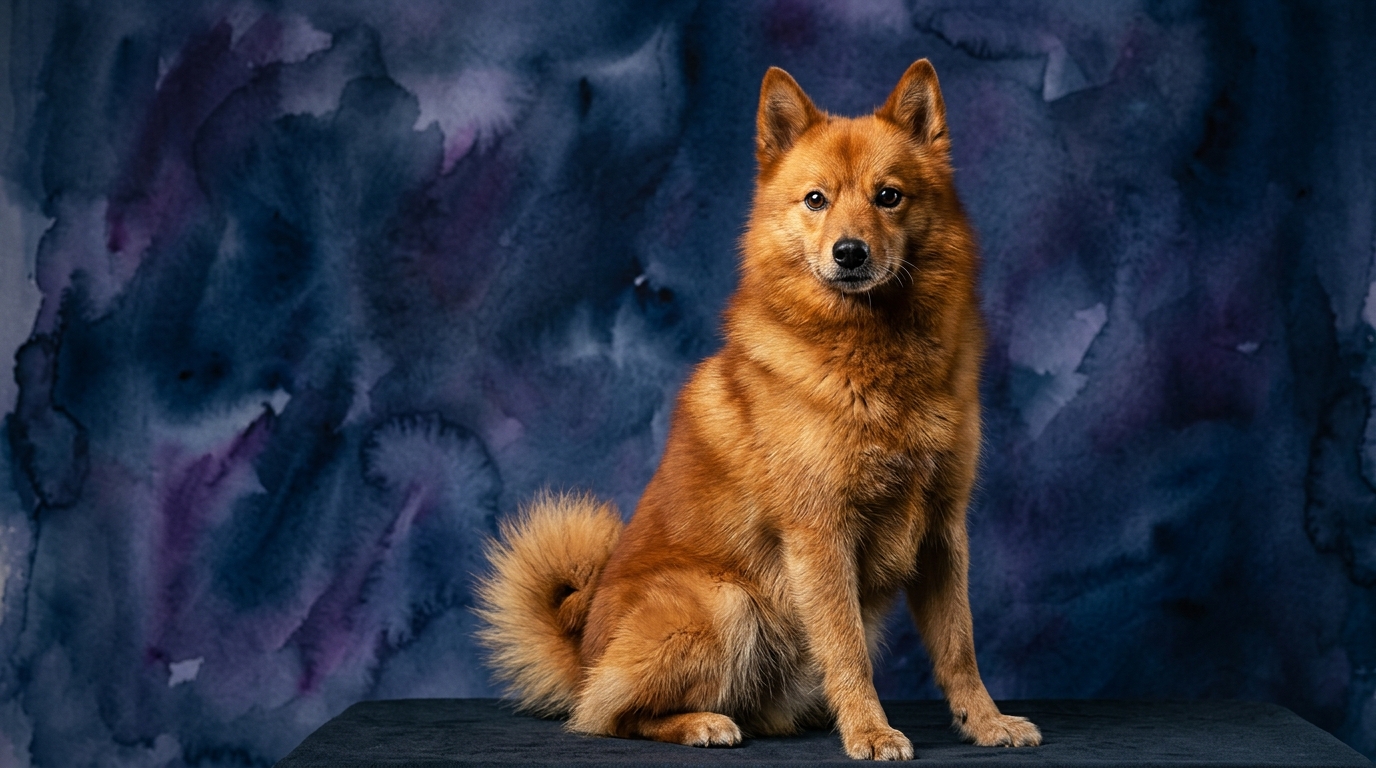
Both the Boykin Spaniel, a Southern gentleman of the Sporting group, and the Finnish Spitz, a lively barking bird dog from the Non-Sporting group, register a consistent 3 out of 5 across all five IQ dimensions. This uniform scoring doesn't imply identical mental processes, but rather a comparable level of functional intelligence, adapted to their specific purposes. Understanding these nuances requires looking beyond the numbers to their breed-specific applications.
For the **Boykin Spaniel**, a 3/5 in Problem Solving likely refers to their adeptness at navigating complex terrain to flush and retrieve game, or figuring out how to follow a scent trail efficiently. Their 3/5 Training Speed indicates a willingness to learn and retain commands, especially when tied to cooperative tasks, while 3/5 Social Intelligence highlights their ability to read handler cues and work in partnership. An Instinctive Drive of 3/5 points to their strong desire to hunt, retrieve, and engage in water work, and their 3/5 Memory allows them to recall specific tasks, locations, and the intricacies of field work.
The **Finnish Spitz**, with the same scores, interprets these dimensions through a different lens. Their 3/5 Problem Solving might manifest as independent decision-making in the forest, locating birds by sound and sight, or navigating their territory. A 3/5 Training Speed suggests they are capable of learning, but their strong will may require more patience and creative motivation compared to a spaniel's eagerness to please. Their 3/5 Social Intelligence is likely more about observing their environment and family dynamics, perhaps less about direct cooperation in a working partnership. The 3/5 Instinctive Drive is powerfully expressed through their unique 'barking to point' method, territorial awareness, and independent hunting instincts, while their 3/5 Memory aids in recalling specific bird locations, vocalization patterns, and established routines.
Where the Boykin Spaniel Cognitively Excels
The Boykin Spaniel's cognitive strengths shine brightest in scenarios demanding close partnership and task-oriented cooperation. Their problem-solving abilities are finely tuned for collaborative efforts, such as efficiently locating a downed bird based on a handler's direction or navigating through dense cover with a clear objective. This breed exhibits a particular cognitive advantage in interpreting human body language and vocal cues, allowing for seamless integration into structured activities like hunting or competitive dog sports.
Their memory and training speed are optimized for retaining sequences of commands and executing them reliably under varying conditions. A Boykin's social intelligence fosters a deep connection, making them particularly adept at understanding and responding to their owner's intentions, which translates into a highly effective working relationship. They excel in tasks where their innate drive to please and retrieve is channeled through directed activity, demonstrating a focused determination to complete a shared goal.
Where the Finnish Spitz Cognitively Excels
The Finnish Spitz demonstrates a distinct cognitive edge in independent problem-solving and environmental awareness. Their intelligence is geared towards self-sufficiency in their traditional role as a barking bird dog, requiring them to locate game without direct human guidance and communicate its presence through their characteristic vocalizations. This demands a keen auditory and visual perception, allowing them to process subtle environmental cues that might go unnoticed by more handler-focused breeds.
Their instinctive drive for independent hunting and vocal alerting is a profound cognitive expression, showcasing their ability to make autonomous decisions and persist in a task for extended periods. The Finnish Spitz's memory is particularly robust for recalling territorial boundaries, specific sounds, and patterns in their environment, contributing to their role as an alert and observant companion. Their social intelligence, while perhaps less overtly cooperative than a spaniel's, allows them to form strong bonds within their family unit and exhibit a unique, often vocal, form of communication.
Training Dynamics: Cooperation vs. Independence
When it comes to ease of training, the Boykin Spaniel generally presents a more straightforward path for the average owner. Their social intelligence and eagerness to please their handler mean they are often highly motivated by positive reinforcement and direct interaction. Their problem-solving skills are often applied to figuring out what their human wants, leading to a quicker grasp of new commands and a more consistent performance in obedience or field work. They thrive on structured training sessions and view them as a collaborative activity, making them responsive to a variety of training methods.
The Finnish Spitz, while possessing the same training speed score, approaches learning with a more independent spirit. Their strong instinctive drive and self-reliant problem-solving mean they might be less inclined to follow commands solely for the sake of pleasing an owner, especially if a more interesting environmental stimulus is present. Training a Finnish Spitz often requires a deeper understanding of their motivations, patience, and creative engagement to harness their intelligence without stifling their unique personality. Owners might find that while a Finnish Spitz learns commands, they retain the prerogative to decide *when* to execute them, particularly if it conflicts with their natural instincts to bark or explore independently.
Matching Breeds to Lifestyles: Active vs. Relaxed Owners
For active owners, both breeds offer engaging companionship, but their preferred activities differ significantly. The Boykin Spaniel is an ideal match for owners who enjoy structured outdoor pursuits such as hunting, retrieving games, hiking, or participating in dog sports like agility and obedience. Their cooperative nature means they thrive when given a job to do alongside their human, making them excellent partners for shared adventures that involve clear direction and teamwork. Their energy is best channeled through consistent, engaging activities that tap into their sporting heritage.
The Finnish Spitz also requires an active owner, though one who appreciates a more independent companion. They excel with owners who enjoy exploring natural environments, hiking, and are comfortable with a dog that uses its voice to communicate. Their need for mental stimulation often involves opportunities for independent discovery and observation. While they enjoy walks and outdoor time, their activity isn't always about directed tasks; it's often about exploring, observing, and vocally expressing themselves. Truly 'relaxed' owners in the sense of minimal daily engagement might find either breed challenging, as both possess a significant need for mental and physical activity.
The Verdict
Choose the Boykin Spaniel if you seek a highly cooperative, eager-to-please partner for structured outdoor activities, field work, or dog sports, thriving on joint tasks and clear direction.
Opt for the Finnish Spitz if you appreciate an independent, observant, and vocal companion who enjoys exploring, has a unique communication style, and thrives with an owner who respects their self-sufficient nature.
🧠 Find Your Pet's IQ Score
Our Pet IQ Lab assessment covers 25+ tests across 5 cognitive dimensions — personalized to your breed.
Take the Full IQ Test →Frequently Asked Questions
Do Boykin Spaniels bark a lot?
Boykin Spaniels can be vocal, especially when excited or alerting to new stimuli, but they are generally less prone to incessant barking compared to breeds specifically bred for vocalizations. Their barks are often purposeful, signaling an event or expressing enthusiasm during play or work.
Are Finnish Spitz good with children?
Finnish Spitz can be good with respectful children, often forming strong bonds with their family. However, their independent nature and sensitivity mean they may not tolerate rough play and might prefer to observe rather than be constantly engaged, so supervision is always recommended.
Which breed is better for first-time dog owners?
The Boykin Spaniel is generally considered more suitable for first-time dog owners due to their eager-to-please temperament and cooperative nature in training. The Finnish Spitz's independence and vocal tendencies can be more challenging for those new to dog ownership, requiring a more experienced approach to management and training.