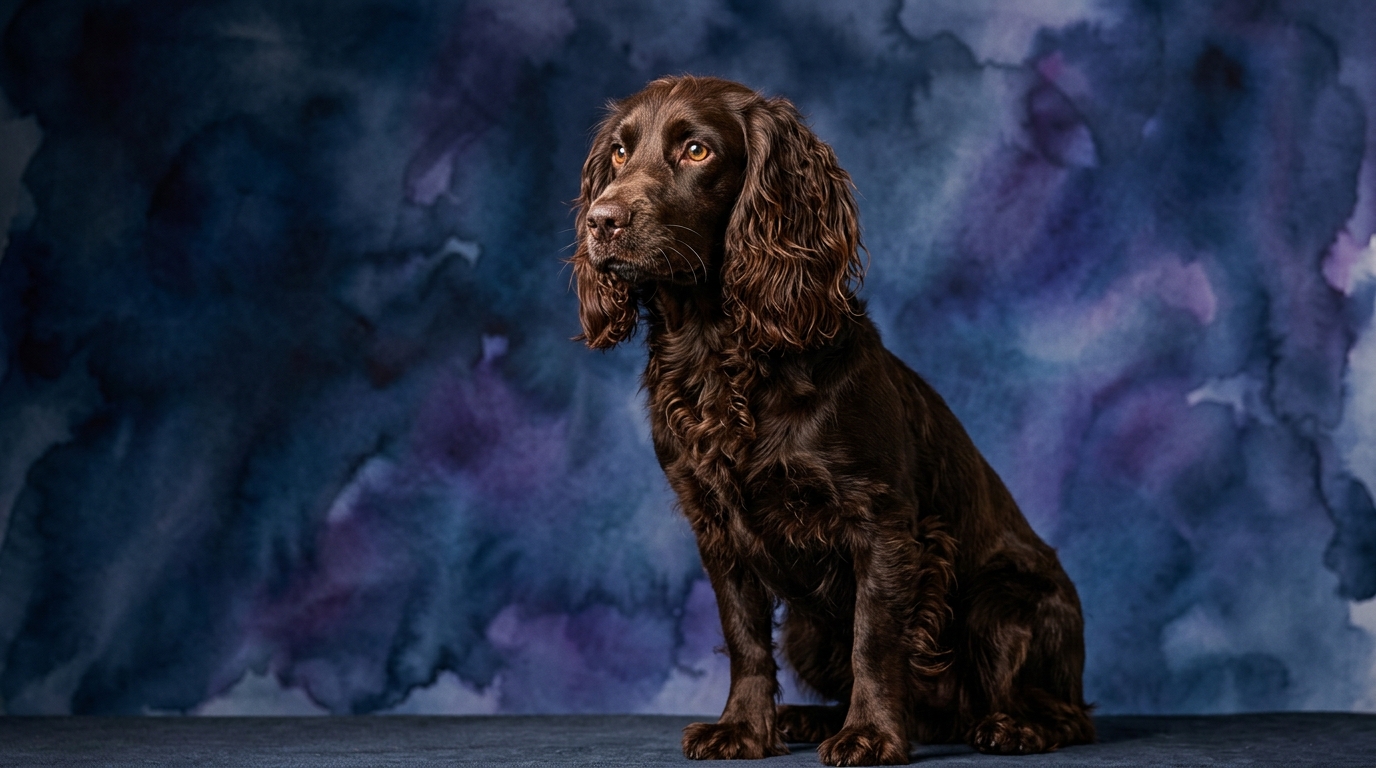
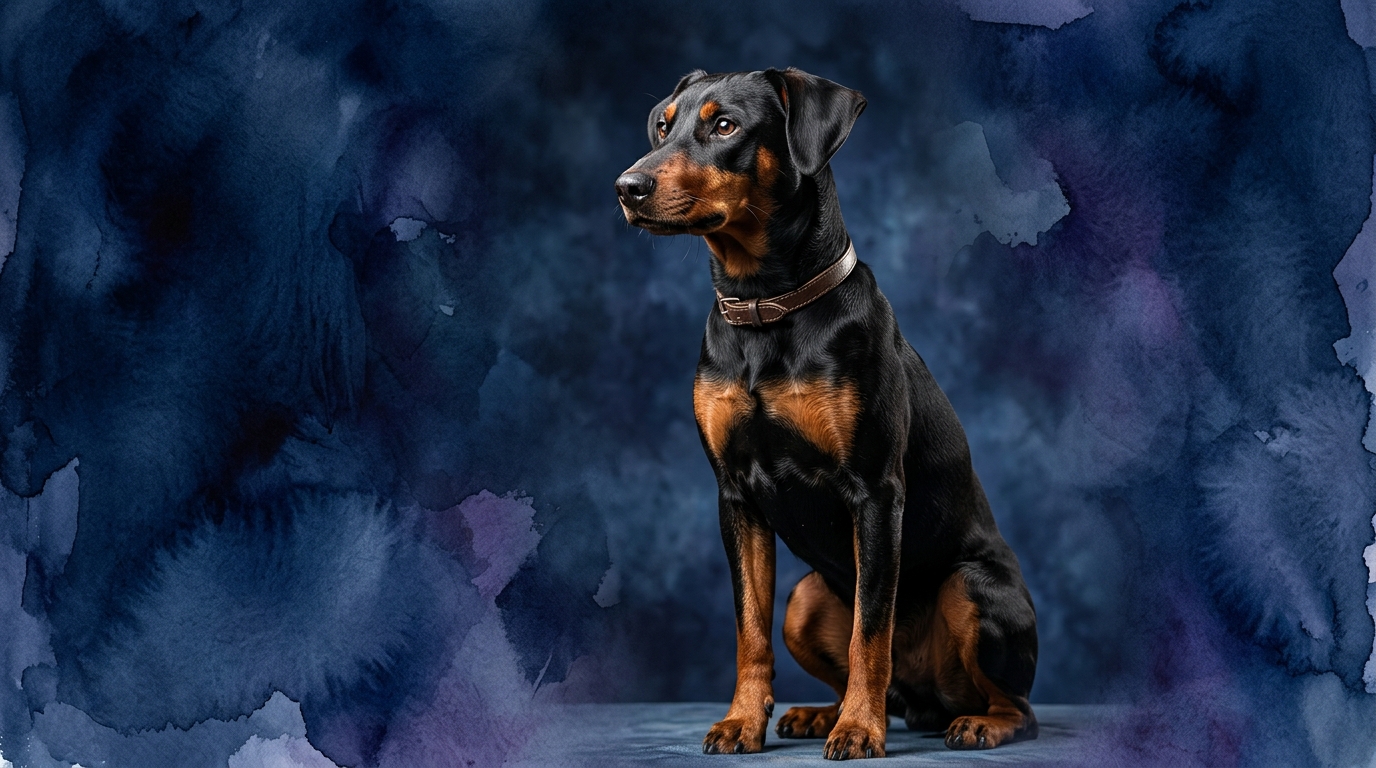
Side-by-Side IQ Profile
Problem Solving (3/5): A 3/5 score in problem-solving suggests a dog capable of navigating moderately complex challenges and learning from experience, but not one to consistently devise novel solutions to intricate puzzles without guidance. For the Boykin Spaniel, this often translates to efficiently figuring out how to retrieve downed game from challenging terrain or locating hidden items during scent work, demonstrating practical application within its sporting context. The German Pinscher, with the same score, might apply this capacity to discerning effective ways to patrol its territory, overcome minor environmental obstacles, or outmaneuver a perceived intruder, showcasing a more independent and vigilant problem-solving approach.
Training Speed (3/5): A 3/5 training speed indicates a dog that learns new commands and routines at a respectable pace, requiring consistent, clear instruction but generally responding well to positive reinforcement. The Boykin Spaniel's eagerness to please its handler and strong desire for partnership often makes its training feel smooth and rewarding, as it readily absorbs new tasks that align with cooperative work. In contrast, the German Pinscher, while equally capable of learning at this speed, might require a more experienced hand due to its independent streak and strong will, often needing motivation that appeals to its protective nature or desire for mental engagement rather than solely pleasing its owner.
Social Intelligence (3/5): Scoring 3/5 in social intelligence suggests a dog that can read and respond appropriately to human cues and social situations, capable of forming strong bonds and understanding boundaries within its social group. The Boykin Spaniel typically exhibits this by being highly attuned to its family's emotions and intentions, adapting its behavior to fit various social settings with a gentle and friendly demeanor. The German Pinscher, possessing the same social intelligence score, demonstrates its capacity through astute observation of its family's dynamics and a keen awareness of strangers, often being reserved initially but forming deep, loyal bonds with its inner circle, expressing its understanding through protective vigilance.
Instinctive Drive (3/5): An instinctive drive score of 3/5 points to a dog with moderate but distinct innate behavioral patterns tied to its breed's historical purpose, which need appropriate outlets to prevent frustration. For the Boykin Spaniel, this drive primarily revolves around its retrieving and flushing instincts, coupled with a strong desire to work alongside a human partner in the field, making activities like fetch and scent games highly fulfilling. The German Pinscher's 3/5 instinctive drive is rooted in its historical role as a vermin hunter and guard dog, manifesting as a strong prey drive towards small animals and a natural inclination to be watchful and protective of its home and family.
Memory (3/5): A 3/5 memory score indicates a dog that can retain learned commands, routines, and experiences for a reasonable duration, contributing to consistent behavior and effective navigation of its environment. The Boykin Spaniel's memory often shines in its ability to recall complex scent trails, remember the location of retrieves, and consistently execute multi-step commands during hunting or competitive obedience. The German Pinscher's memory capabilities, while numerically identical, are often observed in its precise recall of household rules, the specific routines of its family, and its long-term recognition of perceived threats or friendly faces, contributing to its reliable guarding instincts.
Where Boykin Spaniel Wins Cognitively
While both breeds share identical numerical scores across cognitive dimensions, the Boykin Spaniel's cognitive strengths are particularly well-suited for roles requiring eager cooperation and sustained focus on a shared task with a human partner. Its 3/5 social intelligence, combined with its sporting heritage, translates into a remarkable ability to anticipate human intentions and adjust its actions accordingly, making it an exceptionally intuitive companion for collaborative activities. The Boykin's memory at 3/5 often manifests as a strong recall for complex sequences of retrieves or scent discrimination tasks, allowing it to excel in field work where precise execution over time is paramount. Furthermore, its problem-solving at 3/5 is frequently applied to navigating challenging natural environments to achieve a communal goal, showcasing a practical, context-specific ingenuity that directly benefits its handler. This breed's overall cognitive profile, though numerically similar, often feels more accessible and less demanding for owners seeking a highly biddable and responsive working partner.
Where German Pinscher Wins Cognitively
The German Pinscher's cognitive architecture, while matching the Boykin Spaniel numerically, offers distinct advantages in areas demanding independent judgment, vigilance, and protective acumen. Its 3/5 problem-solving ability often shines in situations requiring quick assessment and decisive action, such as identifying an unusual sound or movement and determining the appropriate response to secure its perceived territory. The German Pinscher's instinctive drive at 3/5 is channeled into a keen awareness of its surroundings and a natural aptitude for guarding, making its memory at 3/5 particularly effective for recalling potential threats or specific individuals it deems suspicious. This breed's social intelligence, also 3/5, allows it to form exceptionally strong, discerning bonds with its family while maintaining a watchful distance with strangers, reflecting a nuanced understanding of its social hierarchy and protective role. The German Pinscher's cognitive strengths are optimized for roles where self-reliance, observation, and a strong sense of purpose are valued, making it an astute guardian and an independent thinker.
Which is Easier to Train and Why
Both the Boykin Spaniel and the German Pinscher possess a training speed score of 3/5, indicating they are capable learners. However, the experience of training them can differ significantly due to their inherent temperaments and motivations. The Boykin Spaniel is generally perceived as easier to train for the average owner because of its strong desire to please and its cooperative nature, rooted in its history as a close working partner. They are typically more forgiving of handler errors and respond enthusiastically to positive reinforcement, making the training process feel more fluid and less confrontational. The German Pinscher, while equally capable of grasping commands at a 3/5 speed, presents more of a challenge due to its independent and often strong-willed personality. They require a confident, consistent handler who can establish clear boundaries and provide engaging, varied training to prevent boredom and harness their intelligence effectively. Their training demands a nuanced understanding of their working drive and a firm, fair approach to build respect and cooperation, rather than just eagerness.
Which Suits Active Owners vs Relaxed Owners
Neither the Boykin Spaniel nor the German Pinscher is suited for genuinely relaxed, sedentary owners, as both breeds possess a 3/5 instinctive drive and require regular physical and mental engagement. The Boykin Spaniel is an excellent match for active owners who enjoy shared outdoor adventures, such as hiking, hunting, or long walks, and who appreciate a dog eager to participate in family activities. They thrive on companionship and structured play that taps into their retrieving instincts, making them ideal for individuals or families looking for a dedicated partner for shared experiences. The German Pinscher, while also requiring significant activity, suits an owner who understands the needs of a working breed and can provide more structured mental stimulation and clear leadership. These dogs excel with owners who can integrate them into a dynamic lifestyle that includes advanced obedience, agility, or guardian-type roles, and who are prepared for a dog that maintains a vigilant and often independent demeanor, even during exercise.
The Verdict
Choose a Boykin Spaniel if you desire a highly cooperative, intuitive companion for shared outdoor adventures and field activities, appreciating a dog that thrives on partnership and is generally more forgiving in training.
Opt for a German Pinscher if you seek an independent, vigilant, and astute companion capable of self-reliant problem-solving, and if you are prepared to provide consistent, firm leadership and structured mental engagement for a working breed.
🧠 Find Your Pet's IQ Score
Our Pet IQ Lab assessment covers 25+ tests across 5 cognitive dimensions — personalized to your breed.
Take the Full IQ Test →Frequently Asked Questions
Do Boykin Spaniels and German Pinschers have similar temperaments given their identical IQ scores?
While their cognitive capacities are rated similarly, their temperaments differ significantly due to their breed purposes. Boykin Spaniels are typically more eager to please and cooperative, whereas German Pinschers are often described as independent, strong-willed, and more reserved with strangers. These inherent traits influence how their shared cognitive scores manifest in daily behavior.
How does a 3/5 problem-solving score manifest differently in these two breeds?
For a Boykin Spaniel, 3/5 problem-solving often involves practical applications like navigating complex terrain for a retrieve or figuring out scent trails in the field, driven by cooperation. For a German Pinscher, the same score might manifest as independent assessment of its environment to identify perceived threats or find ways to patrol its territory effectively, driven by vigilance and self-reliance.
Is one breed more adaptable to different living situations than the other?
Both breeds are adaptable with proper exercise and mental stimulation, but their social intelligence (3/5) plays a role. Boykin Spaniels, being more overtly social and cooperative, might adjust more readily to varied family dynamics. German Pinschers, with their discerning social nature and protective instincts, may require more careful introductions and a consistent environment to feel secure and thrive.