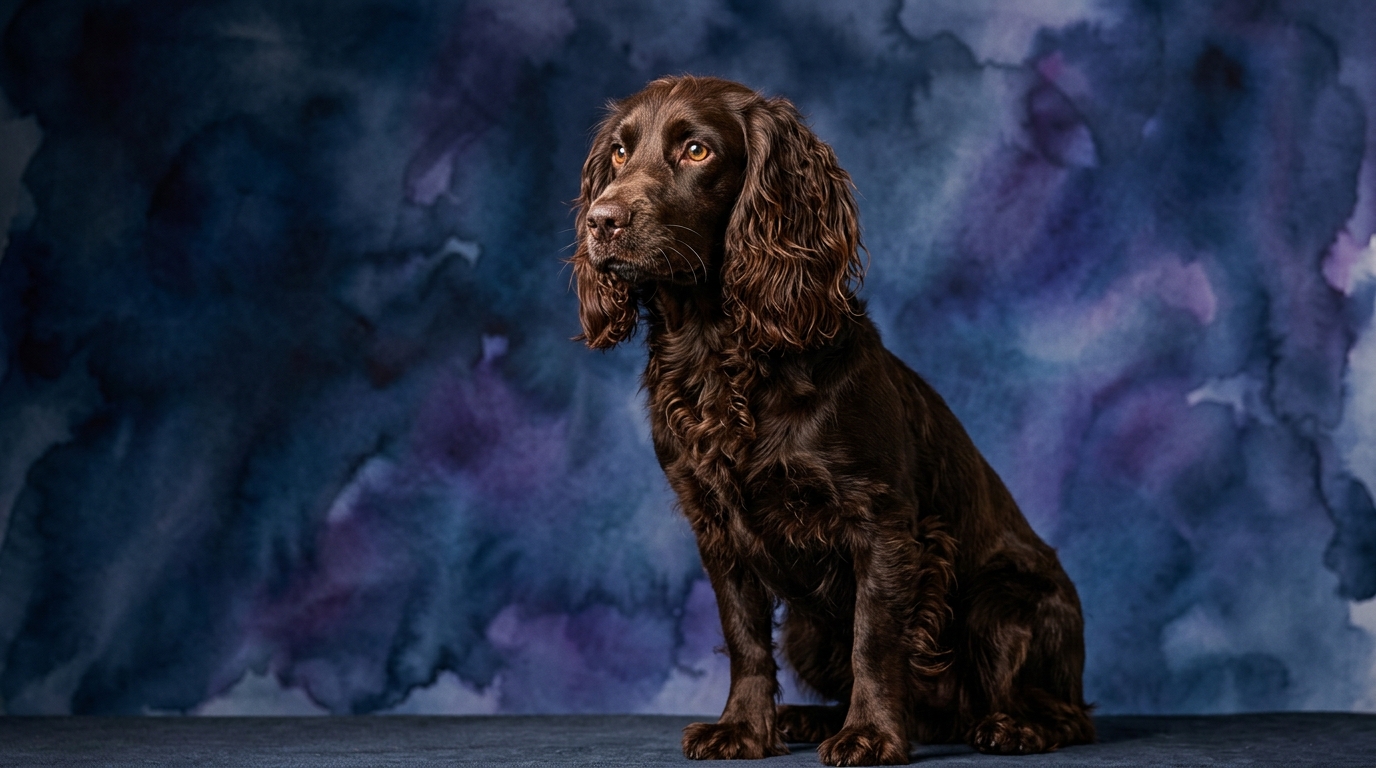
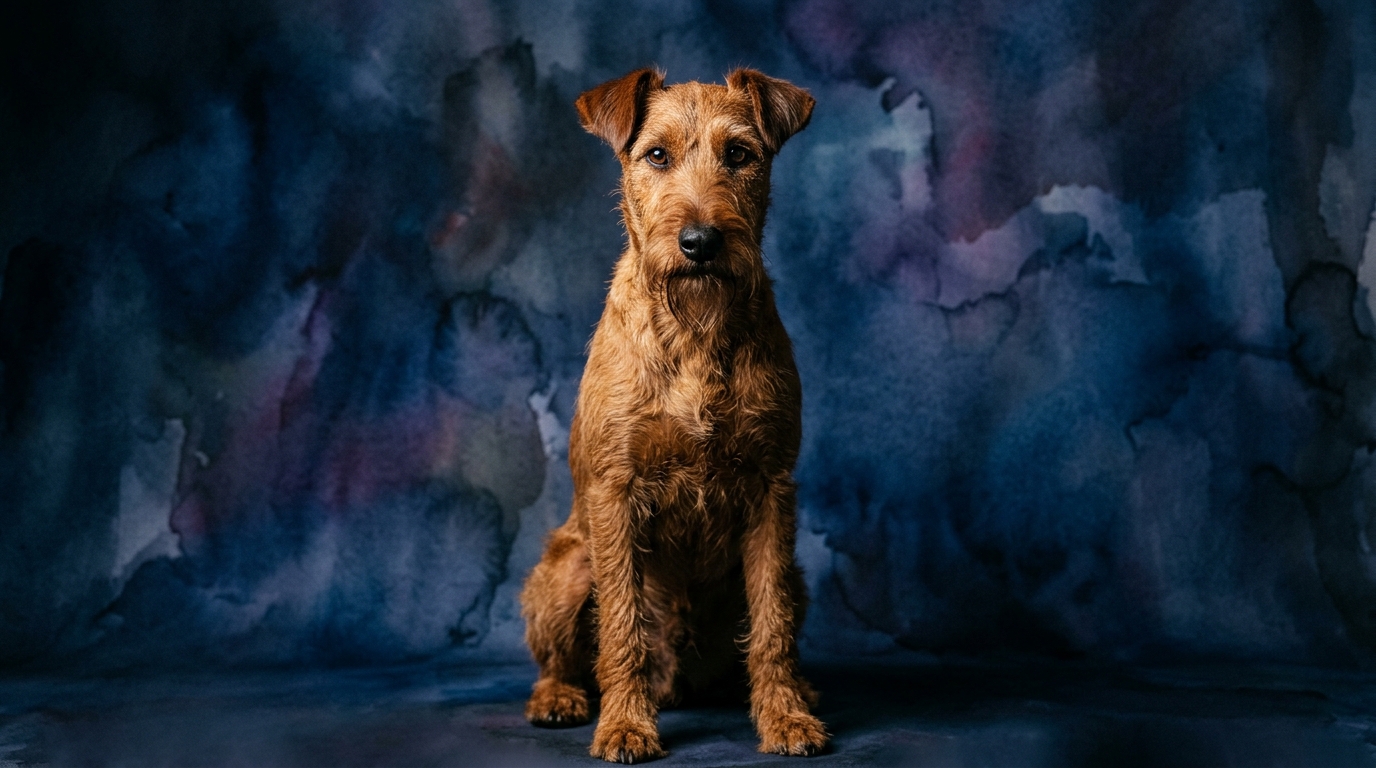
Side-by-Side IQ Profile: Boykin Spaniel vs. Irish Terrier
The Cosmic Pet Pet IQ Lab assesses canine intelligence across five key dimensions, each rated on a scale of 1 to 5. While both the Boykin Spaniel and the Irish Terrier score a consistent 3/5 in every category, the practical application and manifestation of these scores are deeply rooted in their breed-specific predispositions and historical purposes.
For Problem Solving (3/5), the Boykin Spaniel typically excels at practical, task-oriented challenges related to its retrieving heritage, such as navigating complex terrain to find a downed bird or figuring out how to retrieve an object from water. Their problem-solving is often collaborative, geared towards achieving a shared goal with their handler. The Irish Terrier, conversely, applies its 3/5 problem-solving acumen to more independent challenges, like outsmarting small prey, finding ways to overcome obstacles in their environment, or figuring out how to get what they want through persistence. Their solutions often stem from an assertive, self-reliant drive.
In Training Speed (3/5), the Boykin Spaniel generally demonstrates a willingness to learn quickly when motivated by positive reinforcement and the opportunity to work alongside their person. Their desire to please and inherent biddability make them responsive, though strong scent or prey drive can sometimes momentarily divert focus. The Irish Terrier also learns quickly, scoring 3/5, but their independent and sometimes spirited nature means they might choose to comply only if they perceive value in the task or if the training is engaging and consistent. They absorb information rapidly but may require more creative approaches to maintain engagement and prevent stubbornness.
Social Intelligence (3/5) in the Boykin Spaniel often manifests as an affable demeanor and a keen awareness of their human companion's moods and intentions within a cooperative framework. They are generally adaptable in social settings, reading cues for partnership and comfort. The Irish Terrier's 3/5 social intelligence is expressed through fierce loyalty to their immediate family and a discerning, sometimes wary, approach to strangers. They are adept at reading intentions and can be quite sensitive to the emotional atmosphere, but their terrier tenacity means they might assert themselves if they feel a boundary is crossed.
Instinctive Drive (3/5) is a defining characteristic for both. The Boykin Spaniel's drive is heavily focused on retrieving, scent work, and water activities, channeled into working harmoniously with a handler in the field. This drive is a powerful motivator for learning and performance. The Irish Terrier's 3/5 instinctive drive is rooted in its terrier heritage: a strong prey drive for vermin, territorial instincts, and an inherent independence that compels them to pursue and explore. This drive makes them tenacious and self-sufficient, but also requires careful management.
Finally, Memory (3/5) serves both breeds well. The Boykin Spaniel reliably remembers commands, complex retrieve sequences, and familiar routes, which is vital for repetitive tasks and efficiency in hunting or competitive dog sports. The Irish Terrier's memory allows them to recall past experiences, learned routines, and perceived injustices or rewards with remarkable clarity, influencing their future responses and interactions. They remember what works for them and what doesn't.
Where the Boykin Spaniel Wins Cognitively
Despite identical scores, the Boykin Spaniel often exhibits a cognitive advantage in areas requiring sustained, cooperative effort and a strong desire to please a handler. Their problem-solving (3/5) is particularly strong when the task involves collaboration or retrieving, demonstrating a focused determination to complete a shared objective. Their social intelligence (3/5) allows them to more readily interpret and respond to human directives, making them highly adaptable partners in structured activities. This breed excels when their cognitive abilities are harnessed for teamwork, especially in scenarios involving nuanced scent discrimination or complex retrieval patterns over varied terrain.
Where the Irish Terrier Wins Cognitively
The Irish Terrier shines in cognitive domains demanding independent thought, tenacity, and resourceful adaptation. Their problem-solving (3/5), while numerically equivalent, is often directed towards self-initiated challenges, such as finding creative ways to access desirable objects or navigating complex environments without direct human intervention. This breed's instinctive drive (3/5) fuels a self-reliant approach, making them adept at tasks requiring persistence and a certain degree of cleverness to overcome perceived obstacles or outwit smaller creatures. They possess a sharp, discerning intelligence that allows them to make quick decisions and adapt on their own terms.
Which is Easier to Train and Why?
When considering ease of training, the Boykin Spaniel generally presents a more straightforward path for most owners. Their training speed (3/5) is amplified by their inherent biddability and strong desire to work cooperatively. They are typically eager to understand and execute commands, viewing training as a partnership. Real behavioral differences include their tendency to maintain focus on the handler and their strong retrieve drive, which serves as a natural motivator for many tasks. They absorb lessons quickly and are generally more forgiving of minor handler inconsistencies.
The Irish Terrier, while also scoring 3/5 in training speed, often requires a more experienced and patient handler. Their independent spirit and terrier tenacity mean they learn quickly but may not always be inclined to obey unless the command is clearly beneficial or sufficiently engaging. Behavioral traits like their assertive nature and strong prey drive can lead to distractions or moments of stubbornness. Training an Irish Terrier is often more about negotiation and creative motivation than simple command-and-response, demanding consistency, humor, and a deep understanding of their unique motivations to truly unlock their cognitive potential.
Which Suits Active Owners vs. Relaxed Owners?
Both breeds require active owners, but their activity needs differ in nuance. The Boykin Spaniel is an excellent fit for owners who enjoy consistent outdoor activities such as hiking, swimming, hunting, or participation in dog sports like agility and obedience. They thrive on having a job to do alongside their person and require regular physical and mental engagement that taps into their cooperative, working nature. Their energy is often channeled into sustained, purposeful activity.
The Irish Terrier also demands an active owner, but one prepared for a more spirited and sometimes challenging companion. They need significant physical exercise to prevent boredom and destructive behaviors, but also substantial mental stimulation that caters to their independent problem-solving and tenacious spirit. Owners who enjoy varied training, earthdog trials, agility, or simply engaging with a clever, assertive dog will find a rewarding companion. Neither breed is suited for a truly 'relaxed' owner who prefers minimal engagement; both thrive on interaction and purpose, though the Irish Terrier's assertive nature demands a more proactive and consistent approach to management.
The Verdict
Choose the Boykin Spaniel if you desire a cooperative, eager-to-please companion for outdoor adventures and structured activities, valuing partnership and biddability.
Opt for the Irish Terrier if you're seeking a spirited, independent, and tenacious companion who thrives on mental challenges and requires a firm yet fair, consistent hand in training and daily life.
🧠 Find Your Pet's IQ Score
Our Pet IQ Lab assessment covers 25+ tests across 5 cognitive dimensions — personalized to your breed.
Take the Full IQ Test →Frequently Asked Questions
Are Boykin Spaniels good family dogs?
Yes, Boykin Spaniels are generally known for their gentle and friendly disposition, making them suitable family companions. They typically get along well with children and other pets, especially if socialized early, thriving on being part of the family's activities.
Do Irish Terriers bark a lot?
Irish Terriers can be prone to barking, particularly if not adequately exercised or mentally stimulated, or if they perceive a threat to their territory or family. Consistent training and early socialization can help manage this tendency, but their watchful nature means they will alert you to novelties.
Which breed is better for first-time owners?
The Boykin Spaniel is often considered a more suitable choice for first-time owners due to their cooperative nature and eagerness to please, which simplifies the training process. The Irish Terrier's independent and spirited temperament generally requires a more experienced owner prepared for consistent, creative training and management.