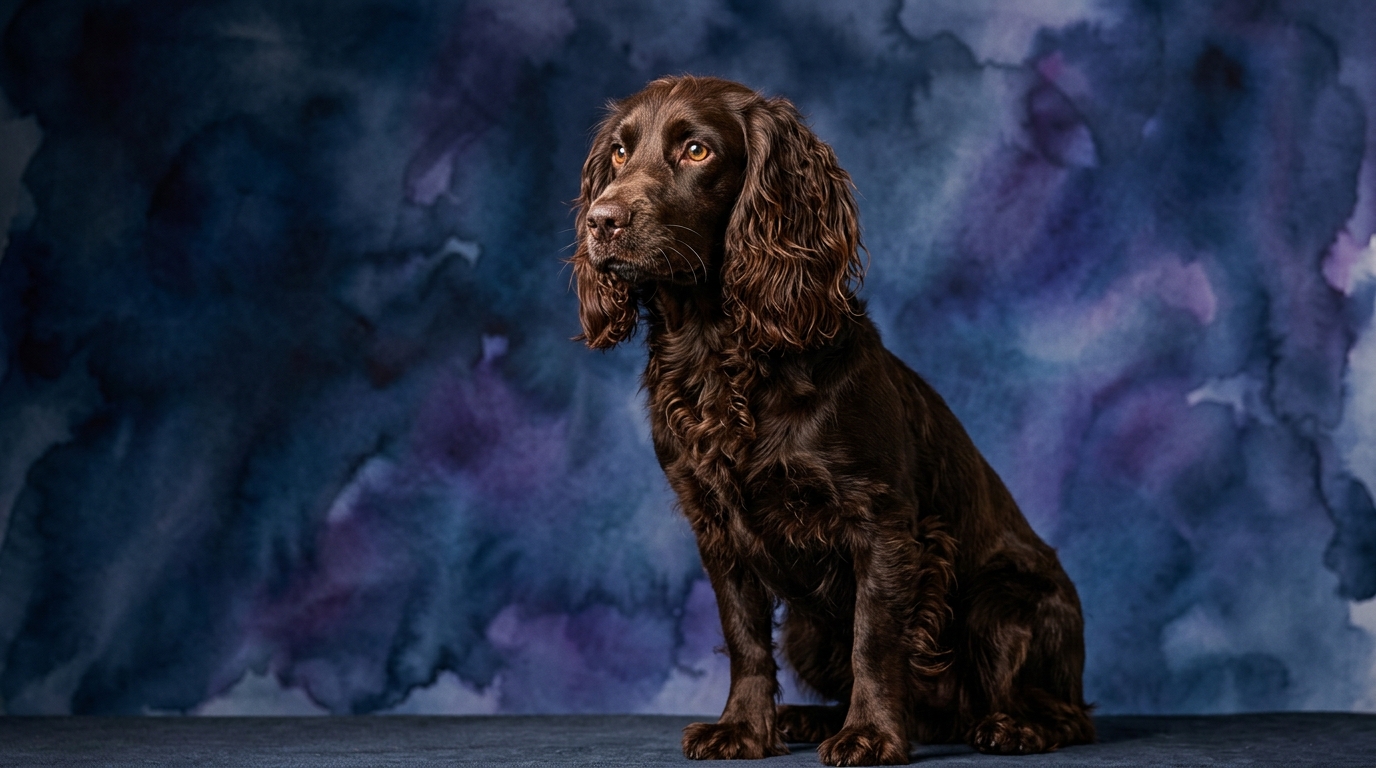

Side-by-Side IQ Profile: Unpacking Identical Scores
At first glance, the Boykin Spaniel and the Lhasa Apso present an intriguing cognitive mirror image within The Cosmic Pet Pet IQ Lab, each scoring a consistent 3 out of 5 across all five measured intelligence dimensions. This numerical parity, however, belies a rich tapestry of functional differences rooted in their distinct breed purposes and evolutionary paths. Understanding these nuances requires us to look beyond the numbers and consider how each breed’s cognitive traits manifest in their daily lives and interactions.
For Problem Solving (3/5), the Boykin Spaniel’s moderate capacity typically shines in practical, outdoor scenarios, such as navigating dense cover to retrieve game or figuring out the quickest path through water during a hunt. Their solutions are often physical and goal-oriented, driven by the desire to complete a task. In contrast, the Lhasa Apso’s problem-solving skills, also rated 3/5, are more internally focused, manifesting in their ability to discern complex household dynamics, understand routines, or strategize how to get what they want within a domestic setting, often using subtle cues and persistence.
Training Speed (3/5) for the Boykin Spaniel reflects their ability to learn commands and routines efficiently, especially when those tasks align with their natural retrieving instincts and desire to work alongside a handler. They grasp new concepts at a steady pace, particularly when training is engaging and reward-based. The Lhasa Apso, while also rated 3/5, learns at a similar pace but with a distinct independent streak; they absorb household rules and routines readily, but their willingness to perform a command might be more contingent on their own assessment of its value or their mood, requiring patient, consistent motivation rather than sheer eagerness to please.
Social Intelligence (3/5) in the Boykin Spaniel is deeply tied to their partnership with a human, specifically in a working capacity. They are attuned to their handler’s body language, vocal commands, and intentions in the field, making them excellent collaborators. Their social awareness is primarily focused on their immediate human companion and other working dogs. The Lhasa Apso’s 3/5 social intelligence, on the other hand, is honed for discerning social hierarchies and intentions within a family unit and for guarding against perceived threats. They are adept at reading human emotions and can be discerning about strangers, using their social acumen to protect their home and people.
The Instinctive Drive (3/5) of the Boykin Spaniel is a clear expression of their sporting heritage, encompassing a strong desire to retrieve, an affinity for water, and a keen prey drive. This moderate drive provides the motivation for sustained activity and focus during hunting or dog sports. For the Lhasa Apso, their 3/5 instinctive drive is rooted in their historical role as sentinels. This manifests as a strong territorial instinct, a vigilant nature, and a tendency to alert their family to anything unusual, making them natural watchdogs rather than hunters.
Finally, Memory (3/5) for the Boykin Spaniel is excellent for recalling specific locations of fallen game, remembering complex retrieving patterns, and retaining learned commands over time, all crucial for their working function. The Lhasa Apso’s 3/5 memory is equally robust but applied differently; they excel at remembering routines, the comings and goings of family members, who belongs in their home, and past interactions with specific individuals, contributing to their consistent watchdog behavior and discerning nature.
Where the Boykin Spaniel Wins Cognitively
The Boykin Spaniel’s cognitive strengths truly shine in contexts demanding focused, task-oriented application and physical prowess, particularly outdoors. Their 3/5 problem-solving ability, combined with a moderate instinctive drive, allows them to excel at complex scent work and navigating varied terrains to locate and retrieve. Unlike a breed designed for domestic vigilance, the Boykin’s intelligence is optimized for dynamic, real-world challenges where quick assessment and physical execution are paramount.
Their social intelligence, while rated 3/5, is specifically geared towards a highly collaborative partnership with a handler. This means they are exceptionally adept at understanding and responding to subtle cues during a hunt or in dog sports, forming a seamless working unit. This cooperative intelligence, combined with their memory for specific commands and scenarios, makes them particularly effective in activities requiring precision and responsiveness under pressure, such as field trials or agility courses. Their cognitive architecture is built for purpose-driven interaction and sustained focus on an external goal.
Where the Lhasa Apso Wins Cognitively
The Lhasa Apso’s cognitive advantages are distinctly rooted in their historical role as vigilant indoor companions and sentinels, making them exceptionally adept at navigating complex domestic environments and social structures. Their 3/5 problem-solving skills manifest in a keen understanding of household routines and a subtle manipulation of their human companions to achieve desired outcomes, often through persistent communication rather than direct action. They possess a sophisticated ability to “read the room,” understanding subtle shifts in human mood or family dynamics.
Their social intelligence, also 3/5, is particularly strong in discerning who belongs and who doesn't, making them remarkably effective watchdogs despite their size. They remember specific individuals and their past behaviors, using this memory to assess potential threats or welcome familiar faces. This nuanced social understanding, combined with their moderate instinctive drive for territoriality, allows them to be highly discerning guardians, often alerting their family to the presence of strangers or unusual sounds with a distinctive, authoritative bark. Their intelligence is geared towards observation, assessment, and protective communication within their defined territory.
Which is Easier to Train and Why
Both the Boykin Spaniel and the Lhasa Apso hold a 3/5 rating for training speed, indicating that neither is inherently “easy” or “difficult” to train, but rather respond best to consistent, appropriate methods. The perceived ease often boils down to the owner's goals and understanding of breed-specific motivations. The Boykin Spaniel, with its moderate instinctive drive for retrieving and a strong desire to please its handler, often appears more amenable to traditional obedience and task-oriented training. They thrive on positive reinforcement, especially when it involves engaging activities like fetching or water work, and are generally eager to learn commands that align with their working heritage. Their focus can be intense once engaged, making them receptive to clear instructions and repetitive practice.
The Lhasa Apso, conversely, while capable of learning at a similar pace, approaches training with a more independent and discerning mindset. Their historical role as sentinels fostered a self-reliant nature; they learn routines quickly and understand expectations, but their willingness to comply with a command might depend on their own assessment of its necessity or benefit. Training a Lhasa Apso requires patience, a calm demeanor, and a deep understanding of their motivations. They are less driven by a desire to “please” in the traditional sense and more by respect for their owner and a clear understanding of boundaries. Consistency is paramount, as is making training sessions engaging and rewarding from their perspective, rather than relying solely on their eagerness to perform.
Which Suits Active Owners vs. Relaxed Owners
For owners who lead an active lifestyle and seek a canine companion to share in outdoor adventures, the Boykin Spaniel is an ideal match. Their moderate instinctive drive and physical stamina mean they require substantial daily exercise and mental stimulation, thriving on activities like hunting, long hikes, swimming, or dog sports such as agility and dock diving. An owner who can channel their natural retrieving instincts into productive, engaging activities will find a Boykin Spaniel to be an enthusiastic and tireless partner. They are not content with minimal walks; their well-being is intrinsically linked to regular, vigorous activity that satisfies their working dog heritage.
In contrast, the Lhasa Apso is far better suited for owners seeking a more relaxed pace of life, though certainly not a sedentary one. While they enjoy daily walks and playtime, their exercise requirements are significantly lower than a sporting breed. Their mental stimulation often comes from monitoring their domain, interacting with their family, and engaging in short bursts of play. They are excellent companions for apartment living or homes with smaller yards, content to observe the world from a comfortable vantage point. An owner who appreciates a dog with a strong, independent personality, a vigilant nature, and a preference for cozy companionship over strenuous activity will find the Lhasa Apso to be a delightful and devoted friend.
The Verdict
Opt for the Boykin Spaniel if you are an active individual or family seeking a dedicated, enthusiastic partner for outdoor pursuits, hunting, or competitive dog sports, prepared to provide consistent, engaging training that channels their moderate working drive.
Select the Lhasa Apso if you desire a vigilant, independent, and affectionate companion for home life, appreciating a dog with a strong personality and less demanding physical exercise needs, while still valuing consistent training and mental engagement.
🧠 Find Your Pet's IQ Score
Our Pet IQ Lab assessment covers 25+ tests across 5 cognitive dimensions — personalized to your breed.
Take the Full IQ Test →Frequently Asked Questions
How do their similar IQ scores manifest differently in daily behavior?
Despite identical 3/5 scores, the Boykin Spaniel applies its intelligence to practical, outdoor tasks like retrieving and navigating complex terrains, driven by a desire to work alongside humans. The Lhasa Apso, conversely, uses its cognitive abilities for understanding domestic routines, discerning social cues within the home, and acting as a vigilant protector.
What are the key training considerations for each breed given their 3/5 training speed?
For the Boykin Spaniel, consistent, positive reinforcement training that incorporates their natural retrieving instincts and desire to please will yield the best results. The Lhasa Apso requires patient, consistent training that respects their independent nature, focusing on clear boundaries and making commands feel rewarding from their perspective, rather than relying on inherent eagerness.
Are these breeds generally suitable for families with children or other pets?
The Boykin Spaniel's social intelligence and cooperative nature often make them good family dogs, especially if socialized early and given proper outlets for their energy. The Lhasa Apso can be excellent family companions, but their discerning social intelligence and territorial instincts mean they thrive best with respectful children and may require careful introductions to other pets to ensure harmony.