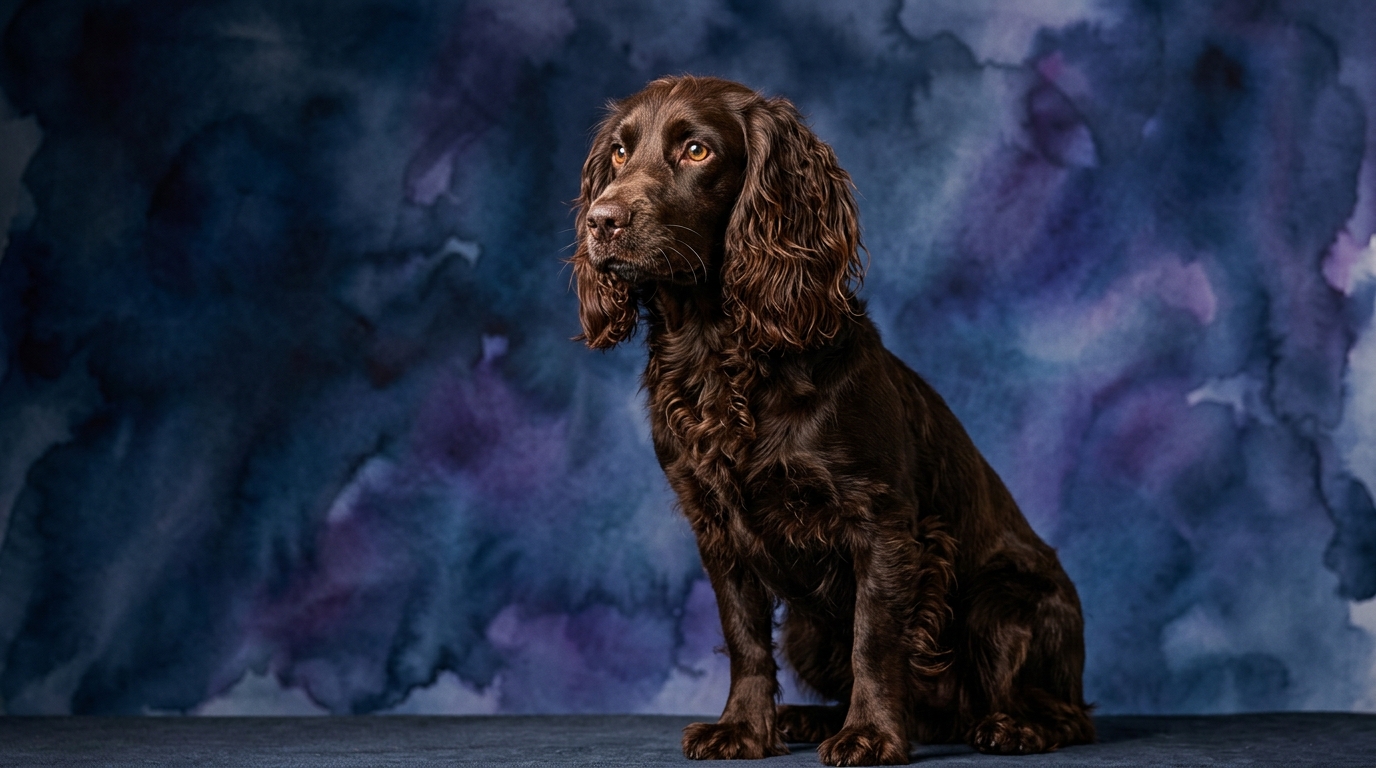
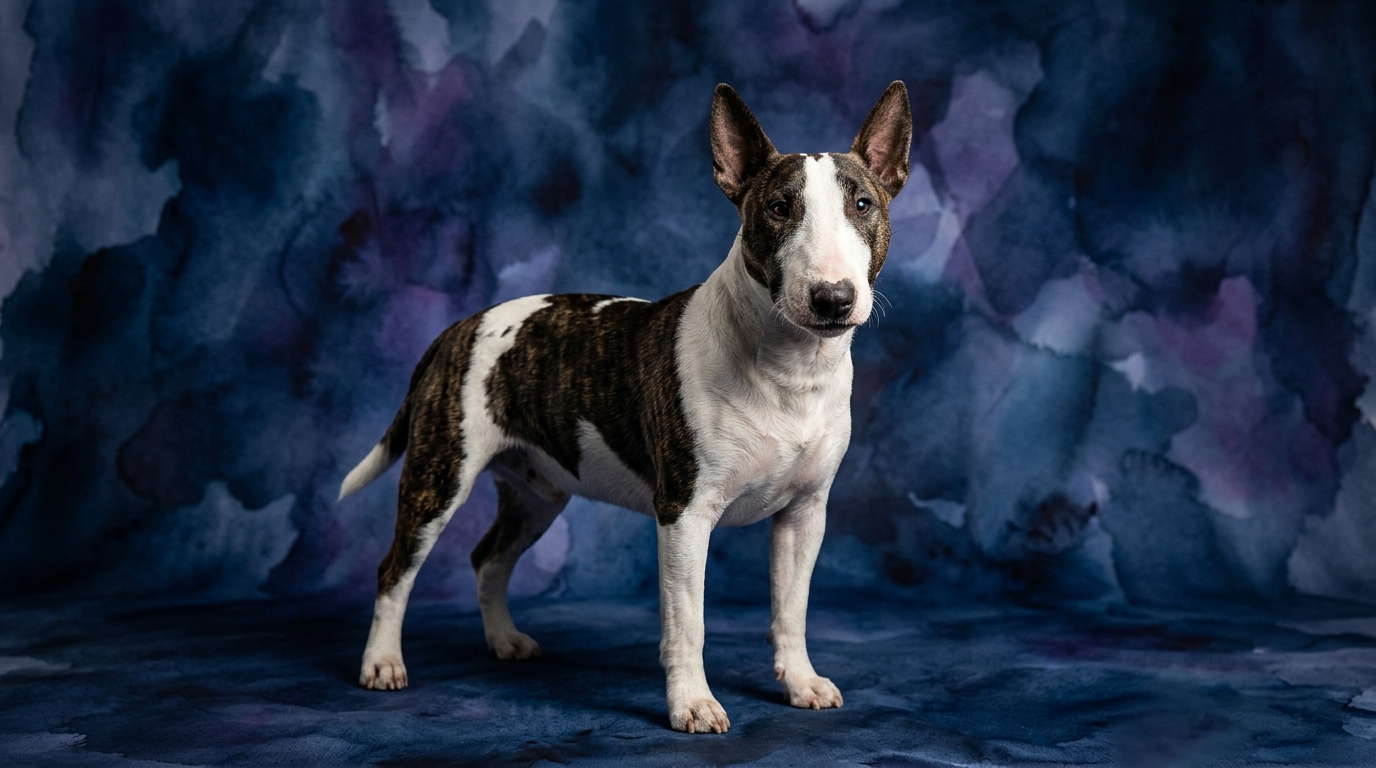
Side-by-Side IQ Profile: Deconstructing Shared Scores
Even with matching scores, the inherent nature of a Boykin Spaniel and a Miniature Bull Terrier dictates how their intelligence unfolds. Their breed-specific tendencies shape the practical application of their cognitive abilities.
**Boykin Spaniel (Sporting Group):**
**Problem Solving (3/5):** This score for the Boykin often translates to practical applications in their working heritage. They excel at figuring out how to retrieve objects from challenging environments, navigate dense cover, or remember complex patterns during a hunt. Their problem-solving is typically goal-oriented and focused on pleasing their handler in a task-driven context.
**Training Speed (3/5):** Boykins generally grasp new commands at a moderate pace, demonstrating a willingness to learn driven by their desire for cooperation. They respond well to consistent, positive reinforcement, and while not instant learners, they build reliable understanding over time, especially when tasks align with their natural retrieving instincts.
**Social Intelligence (3/5):** The Boykin exhibits a warm, attentive social intelligence, deeply attuned to their family's emotions and routines. They thrive on companionship, often anticipating needs and seeking interaction, making them highly responsive and empathetic family members. Their social cues are generally clear and direct.
**Instinctive Drive (3/5):** Their strong instinctive drive manifests as a keen passion for retrieving, swimming, and exploring natural environments. This drive is often channeled into productive activities, making them eager participants in outdoor adventures and dog sports that mimic their historical role as hunting companions.
**Memory (3/5):** Boykins possess a solid memory for commands, routines, and the locations of favored objects or people. They reliably recall training sequences and can remember complex routes or scent trails, a crucial trait for their working background that helps them perform tasks efficiently.
**Miniature Bull Terrier (Terrier Group):**
**Problem Solving (3/5):** For the Miniature Bull Terrier, a 3/5 in problem-solving often manifests as cleverness in navigating their environment or outmaneuvering perceived restrictions. They might devise creative ways to access forbidden areas, open latches, or acquire a desired toy, driven by a tenacious, independent spirit rather than a desire to please.
**Training Speed (3/5):** While capable of learning quickly, their training speed can be perceived as moderate due to their independent nature. Miniature Bull Terriers require engaging, varied training methods to maintain their interest, as repetitive drills can lead to stubbornness. Their learning is often quick when they see a direct benefit or find the activity intrinsically rewarding.
**Social Intelligence (3/5):** Miniature Bull Terriers display a distinctive social intelligence. They are deeply devoted to their chosen family, often forming intense bonds, but can be reserved or discerning with strangers. Their social cues might be more subtle, reflecting their strong personality and a tendency towards selective affection rather than universal amiability.
**Instinctive Drive (3/5):** Their instinctive drive is rooted in their terrier heritage, marked by a strong prey drive, a propensity for digging, and a determined pursuit of whatever captures their interest. This drive fuels their playful, sometimes mischievous antics, requiring outlets that respect their natural inclinations without allowing them to become destructive.
**Memory (3/5):** Miniature Bull Terriers have a good memory for boundaries, rules (which they might test), and the locations of their favorite people and possessions. They recall past interactions vividly, whether positive or negative, which influences their future behavior and responses to specific situations.
Where the Boykin Spaniel Wins Cognitively
The Boykin Spaniel's cognitive strengths shine particularly in cooperative, task-oriented scenarios. Their 3/5 problem-solving manifests as an innate ability to understand and execute complex sequences for a shared goal, such as retrieving multiple items or following intricate scent trails. This is not just about raw intellect, but about how their cognitive processes are intrinsically linked to their desire to work alongside their handler.
Their social intelligence, while rated 3/5, is particularly adept at reading human intent and emotional states, allowing for a seamless partnership in activities. This nuanced understanding facilitates smoother communication, making them exceptionally responsive to subtle cues and corrections. Furthermore, their memory (3/5) is highly efficient for recalling learned commands and routines, especially those associated with positive reinforcement and successful completion of a task, leading to consistent performance in structured environments. This reliability in recall, combined with their cooperative nature, gives them an an edge in situations demanding consistent, predictable responses guided by human direction.
Where the Miniature Bull Terrier Wins Cognitively
The Miniature Bull Terrier's cognitive advantages lie in their independent thought and tenacious spirit, even with a 3/5 problem-solving score. Their problem-solving often involves creative, self-directed strategies to achieve personal objectives, such as figuring out how to open a cabinet or bypass an obstacle to reach a preferred item. This demonstrates a cognitive flexibility driven by internal motivation rather than external directives.
Their social intelligence, while also 3/5, offers a unique depth of bond with their core family, characterized by a discerning loyalty and a capacity for subtle, nuanced interactions within their trusted circle. They are adept at understanding the dynamics within their immediate "pack" and can navigate those relationships with a distinctive blend of affection and self-assurance. Their memory (3/5) is notably strong for recalling boundaries and consequences, meaning they learn what they can get away with and what they cannot, often testing these limits with a persistent, clever approach. This combination of independent problem-solving and discerning social engagement makes them particularly adept at navigating complex social landscapes on their own terms.
Training Dynamics: Cooperation vs. Tenacity
When evaluating ease of training, the Boykin Spaniel generally presents a more straightforward experience due to their cooperative nature and strong desire to please, even with a 3/5 training speed. Their history as a working gundog has ingrained a natural inclination to follow direction and collaborate with a handler. They typically respond well to positive reinforcement, quickly associating commands with rewards and the satisfaction of a job well done. Their problem-solving (3/5) is often directed towards understanding what is expected of them, making them receptive to guidance.
In contrast, the Miniature Bull Terrier, despite also having a 3/5 training speed, can be more challenging due to their independent and sometimes stubborn streak. Their problem-solving (3/5) is frequently applied to finding alternative solutions that suit *their* agenda, rather than simply complying. Training a Mini Bull requires patience, creativity, and a deep understanding of their terrier tenacity. They excel when training is fun, varied, and feels like a game they are choosing to play, rather than a task they are commanded to perform. Their social intelligence (3/5) means they form deep bonds, but this doesn't automatically translate to unquestioning obedience; they require a trainer who can earn their respect and make learning a compelling proposition. Therefore, while both are capable, the Boykin's inherent cooperative drive makes their training journey smoother for most owners.
Lifestyle Match: Active Engagement vs. Spirited Companionship
Both breeds possess a 3/5 instinctive drive, but how this energy is expressed significantly impacts their suitability for different lifestyles. The Boykin Spaniel, with their sporting heritage, thrives with active owners who can provide consistent opportunities for physical exercise and mental engagement, particularly activities involving retrieving, swimming, or outdoor exploration. Their drive is best channeled into structured activities like hunting, dock diving, or agility, fulfilling their need for purpose and movement. They can adapt to periods of relaxation, especially within the home, but without sufficient outlets for their energy, they may become restless.
For more relaxed owners who enjoy a calmer pace, a Boykin might require a dedicated commitment to daily structured exercise to prevent boredom. The Miniature Bull Terrier, while equally active, channels their 3/5 instinctive drive into more independent and often intense bursts of energy. They require owners who can match their robust play style and provide mental stimulation that challenges their cleverness and tenacity, such as puzzle toys, vigorous games of fetch, or structured walks that allow for sniffing and exploration. While they can be calm indoors, their energy can be explosive and requires an owner who appreciates their spirited nature and can manage their strong prey drive. Relaxed owners might find the Mini Bull's determined pursuit of their own interests overwhelming, as their energy isn't as easily directed into cooperative tasks as the Boykin's. Therefore, active owners who enjoy working *with* their dog will find the Boykin a rewarding partner, while active owners who appreciate a spirited, independent companion with a strong will might find the Miniature Bull Terrier a better fit.
The Verdict
Opt for the Boykin Spaniel if you seek a cooperative, eager-to-please companion who thrives on shared activities and is naturally inclined towards structured learning and outdoor adventures. Their consistent nature and clear communication make them an excellent choice for owners who value a predictable, responsive partner in family life and various dog sports.
Select the Miniature Bull Terrier if you appreciate a tenacious, clever, and independent spirit that offers unique challenges and rewards. This breed suits owners who are prepared for a dog with a strong personality, enjoy engaging in creative training, and appreciate a loyal companion who offers deep, discerning affection.
🧠 Find Your Pet's IQ Score
Our Pet IQ Lab assessment covers 25+ tests across 5 cognitive dimensions — personalized to your breed.
Take the Full IQ Test →Frequently Asked Questions
Do Boykin Spaniels and Miniature Bull Terriers have similar energy levels?
While both breeds share a 3/5 instinctive drive, their energy expression differs. Boykins channel their energy into cooperative activities like retrieving, making them excellent partners for structured outdoor pursuits. Mini Bulls exhibit more independent, intense bursts of energy, requiring owners who can manage their robust play and tenacious drive.
Which breed is better with children, considering their social intelligence?
Both breeds have a 3/5 social intelligence score, but manifest it differently. Boykin Spaniels are generally more universally amiable and attentive to family dynamics, often making them very gentle and patient with children. Miniature Bull Terriers are deeply loyal to their family but can be more discerning and require careful socialization, making them better suited for families who understand their strong personalities and can supervise interactions.
Does their identical problem-solving score mean they approach challenges the same way?
Not at all. A 3/5 problem-solving score in a Boykin Spaniel usually means they excel at practical, goal-oriented tasks, especially those involving cooperation with their handler. For a Miniature Bull Terrier, the same score often indicates a clever, independent approach to overcoming obstacles to achieve *their own* desired outcome, showcasing a more self-directed ingenuity.