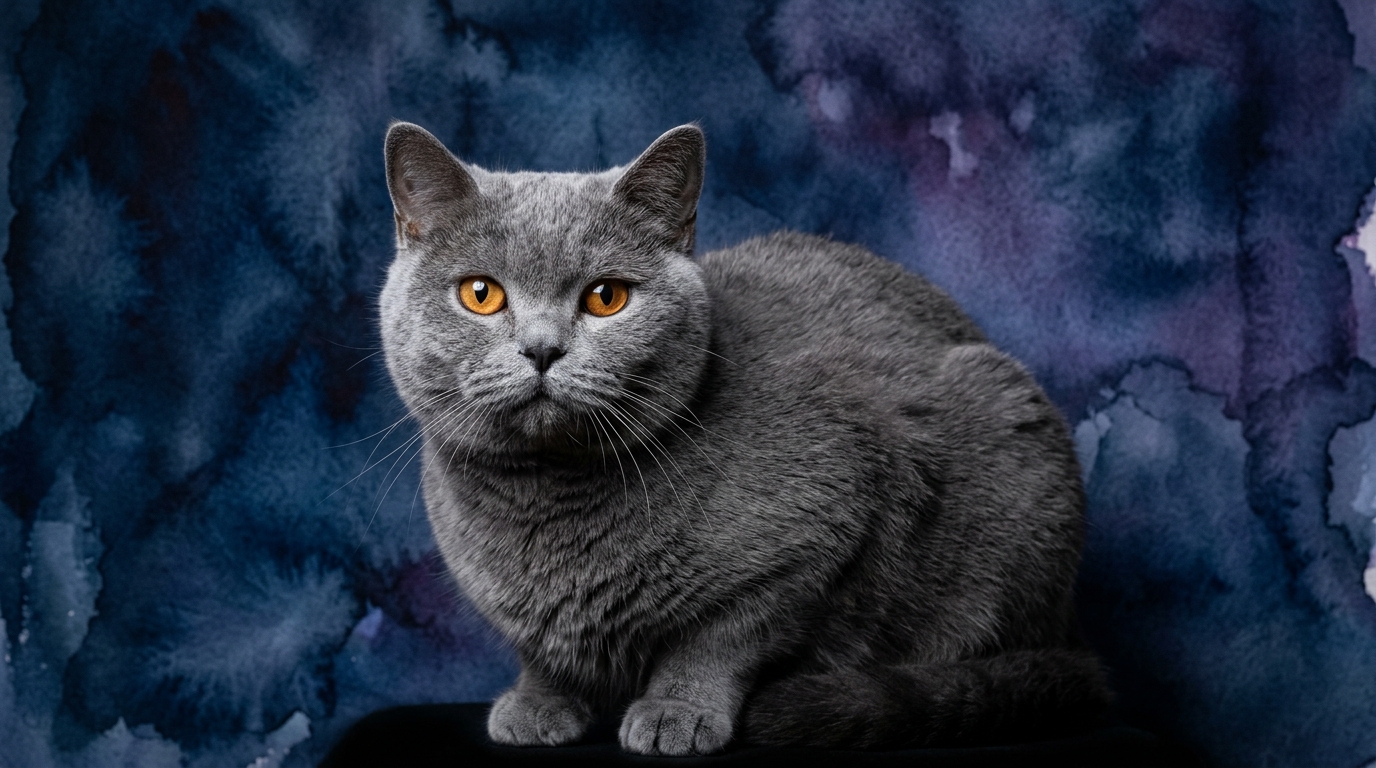
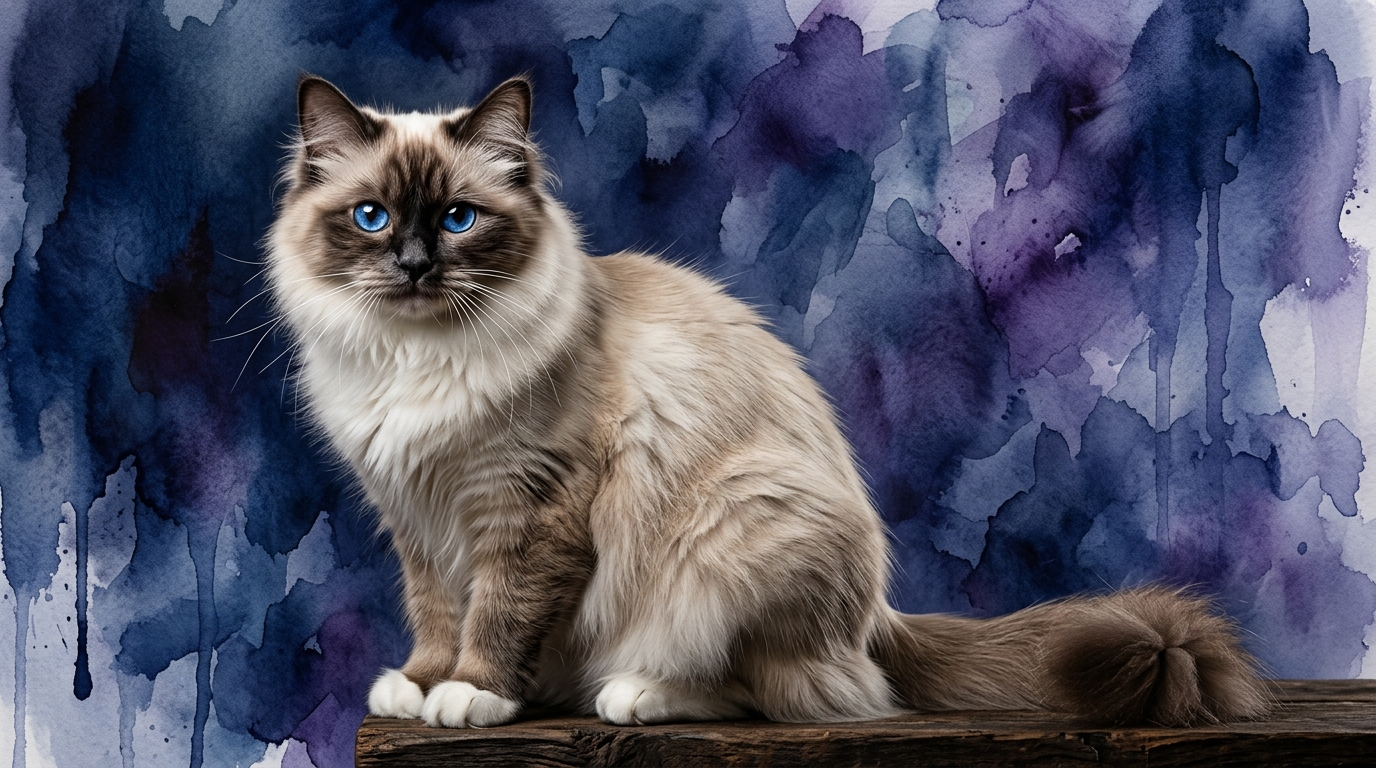
Side-by-Side Cognitive Profiles
At The Cosmic Pet Pet IQ Lab, we evaluate feline intelligence across five crucial dimensions, and interestingly, both the British Shorthair and the Birman score a consistent 3 out of 5 in each category. This identical numerical rating doesn't imply identical cognitive expression; rather, it highlights how their inherent personalities color the manifestation of these abilities.
The **British Shorthair** exhibits a Problem Solving score of 3/5, often approaching challenges with a methodical, observant patience. They might study a situation from a distance before attempting a solution, preferring a calm, independent approach to figuring things out. Their Training Speed, also 3/5, suggests they can learn routines and commands, but often on their own terms, requiring consistent, positive reinforcement rather than high-energy engagement. Social Intelligence at 3/5 means they understand human cues and boundaries, offering affection selectively and appreciating quiet companionship without demanding constant interaction. An Instinctive Drive of 3/5 manifests as a moderate interest in stalking toys or observing prey, but typically not with intense, relentless focus. Finally, their Memory at 3/5 indicates they retain knowledge of routines, favored spots, and familiar faces with reliable consistency.
The **Birman**, mirroring the 3/5 scores, expresses these capacities through a different lens. Their Problem Solving (3/5) often involves a more curious, interactive approach; they might bat at an obstacle or seek human assistance with an engaging chirp. Training Speed (3/5) is often perceived as smoother due to their social nature; they tend to enjoy the interactive aspect of learning and respond well to praise and play, making the process feel more collaborative. Their Social Intelligence (3/5) is expressed through overt affection, a clear understanding of human emotions, and a desire to be involved in household activities, often initiating cuddles or playtime. An Instinctive Drive of 3/5 is channeled into playful pouncing, enthusiastic chases of feather wands, and a generally more active engagement with their environment. Their Memory (3/5) is strong for routines, play patterns, and the location of their favorite humans, often greeting them eagerly upon return.
Where the British Shorthair Wins Cognitively
While both breeds share the same numerical ratings, the British Shorthair often demonstrates a particular cognitive strength in independent problem-solving that requires patience and quiet observation. Their calm, self-possessed nature means they are less likely to become frustrated or seek immediate external help when faced with a puzzle. For instance, a British Shorthair might spend a considerable amount of time observing a treat puzzle, meticulously trying different angles or pawing techniques until they achieve success, without the need for constant human encouragement.
Their cognitive wins also extend to their capacity for self-entertainment and contentment in their own company. This isn't a lack of social intelligence, but rather a manifestation of it that values quiet contemplation. A British Shorthair's memory might be particularly adept at recalling the exact optimal sunbeam spot or the precise timing of a favorite human’s return, demonstrating a nuanced understanding of their environment and routines without overt expression.
Where the Birman Wins Cognitively
The Birman's cognitive strengths shine particularly in scenarios that involve social interaction and understanding human intent. Their gentle, people-oriented temperament often translates into a superior ability to read human body language and vocal tones, making them appear highly attuned to their owners' moods and desires. This isn't just empathy; it's a sophisticated application of their social intelligence (3/5) to navigate their human relationships effectively.
Their problem-solving (3/5) often benefits from this social acumen; a Birman might 'ask' for help with a persistent meow or a gentle paw, demonstrating an understanding that humans can be part of the solution. Furthermore, their memory (3/5) for specific interactive games or human-initiated routines often appears more robust, as these activities are intrinsically rewarding due to the social bond involved. They thrive on collaborative play and shared experiences, leveraging their cognitive abilities to deepen their connection with their human companions.
Which is Easier to Train and Why
Despite both breeds scoring 3/5 for Training Speed, the Birman generally presents as an 'easier' cat to train for many owners, largely due to their behavioral differences. Birmans possess a strong desire for companionship and enjoy being involved with their humans, which makes them highly motivated by positive reinforcement such as praise, petting, and interactive play. They often view training sessions as another form of engaging interaction, making them more eager participants in learning tricks or leash training.
British Shorthairs, with their more independent and reserved nature, can certainly be trained, but their motivation often needs to be more tangible. While they have the cognitive capacity to learn, their willingness to perform might hinge more on the immediate reward, like a favorite treat, rather than the social satisfaction. Training a British Shorthair often requires more patience, understanding their intrinsic motivations, and respecting their occasional preference for quiet observation over active participation. They might learn a routine perfectly but choose not to execute it if they don't see the immediate benefit or are not in the mood.
Which Suits Active Owners vs. Relaxed Owners
The choice between a British Shorthair and a Birman often comes down to an owner's lifestyle and their desired level of feline interaction. For owners who lead a more relaxed, perhaps quieter, lifestyle and appreciate a companion that is content with independent exploration and occasional, affectionate interactions, the British Shorthair is often an ideal fit. Their calm demeanor and moderate activity levels mean they are typically not demanding of constant engagement, finding contentment in observing their surroundings or napping in a sunbeam. They are wonderful companions for those who enjoy a peaceful home environment, offering gentle presence without overwhelming demands.
Conversely, active owners who enjoy regular interaction, playful sessions, and a cat that thrives on being a central part of family life will likely find the Birman more suitable. Their social intelligence and moderate instinctive drive mean they often seek out playtime, engage readily with toys, and enjoy following their humans from room to room. Birmans often appreciate puzzle toys, interactive games, and even short walks on a leash, making them a good match for owners who want a more participatory feline companion. They bring a lively, affectionate energy that can complement a bustling household.
The Verdict
Choose the British Shorthair if you appreciate a calm, self-sufficient companion who offers quiet affection and enjoys a predictable, serene home environment without demanding constant interaction.
Opt for the Birman if you desire a highly social, playful, and affectionate cat that thrives on interaction, enjoys being involved in daily activities, and actively seeks out companionship.
🧠 Find Your Pet's IQ Score
Our Pet IQ Lab assessment covers 25+ tests across 5 cognitive dimensions — personalized to your breed.
Take the Full IQ Test →Frequently Asked Questions
Do British Shorthairs and Birmans get along with other pets?
Yes, both breeds generally exhibit a social intelligence (3/5) that allows them to adapt well to living with other pets, especially if introduced properly. British Shorthairs tend to be tolerant and reserved, while Birmans are often more overtly friendly and will seek interaction with other animals.
Are either of these breeds prone to destructive behavior if not stimulated?
Neither breed is typically known for destructive behavior due to a lack of stimulation, especially with their moderate instinctive drives (3/5). British Shorthairs might become more aloof, while Birmans might vocalize more or seek attention more persistently if their social needs aren't met, rather than causing damage.
How do their memory scores (3/5) impact their daily lives?
A memory score of 3/5 for both means they reliably remember routines, favored people, and object locations. This translates to understanding meal times, knowing where their litter box is, and recognizing familiar faces, contributing significantly to their ability to navigate and feel secure in their home environment.