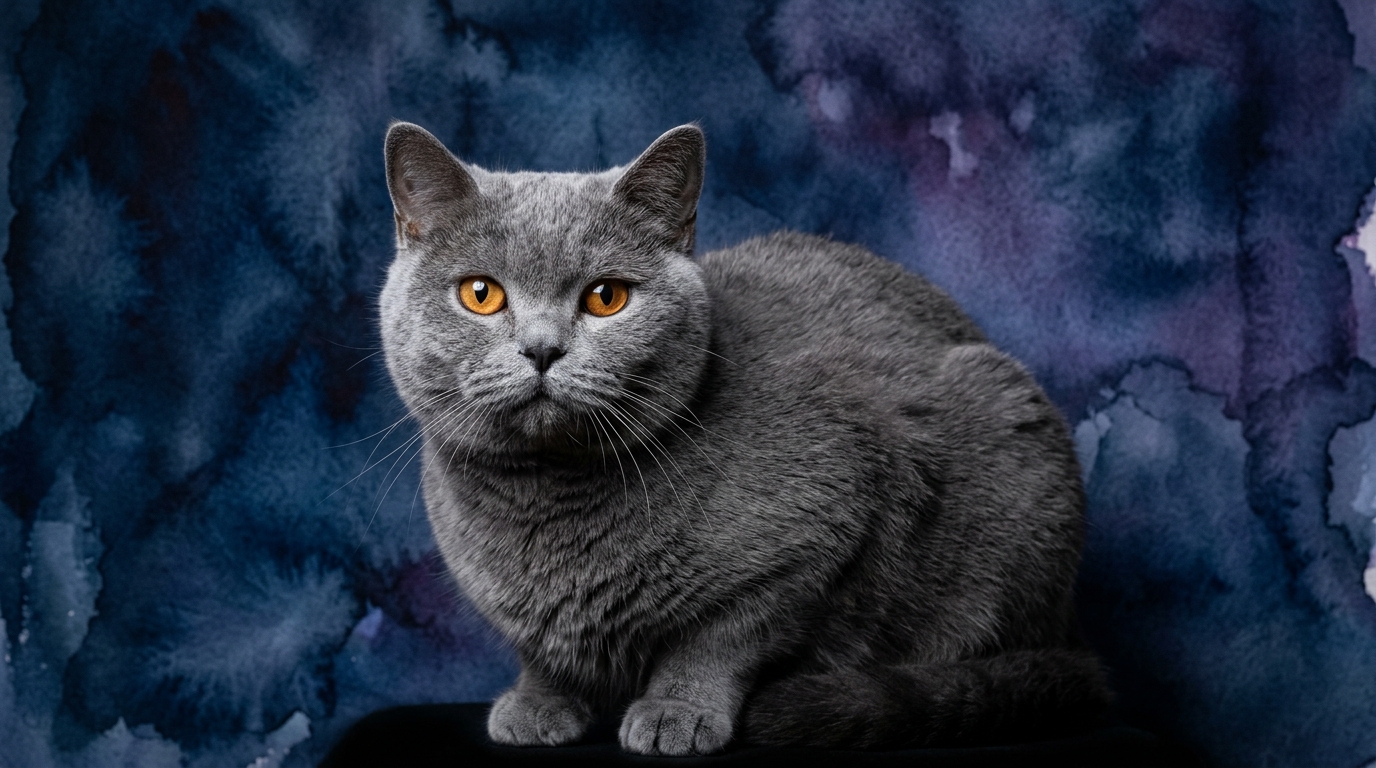
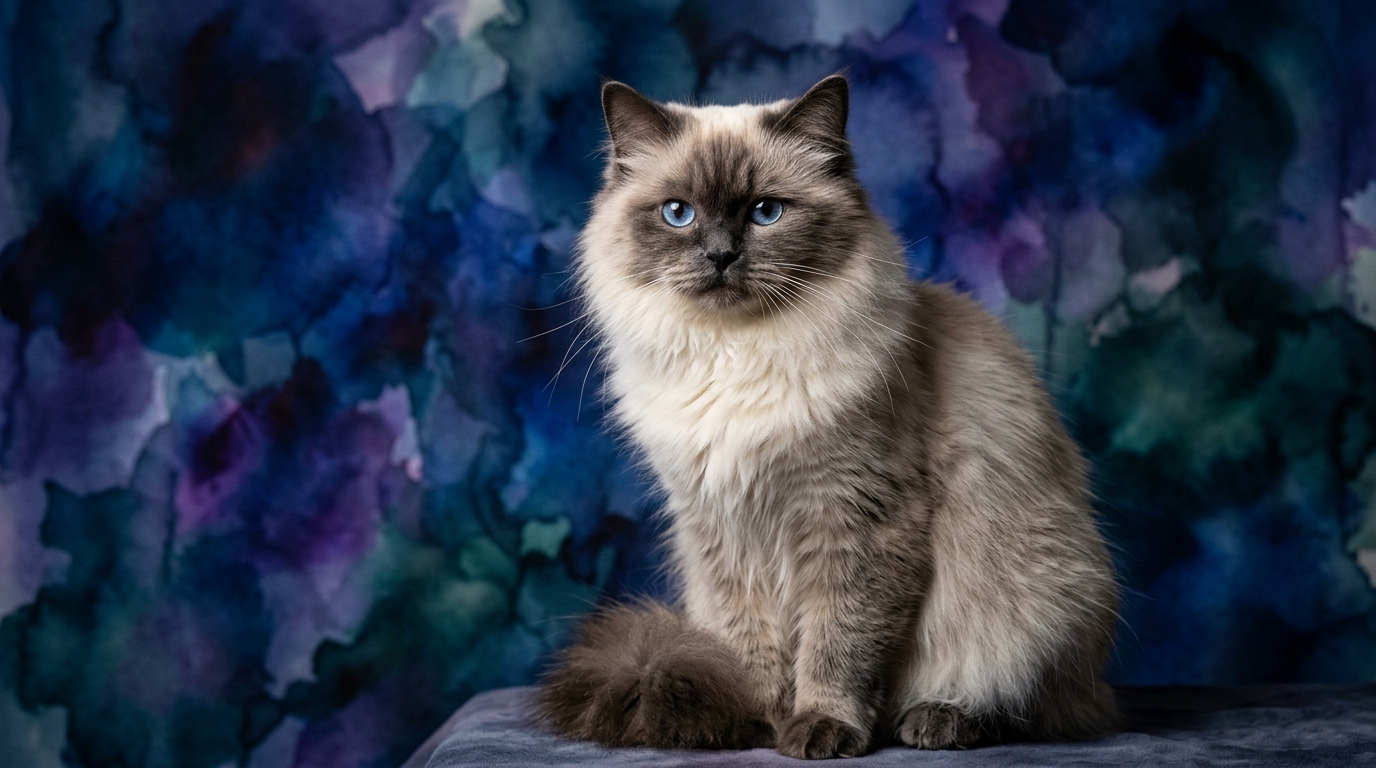
Side-by-Side IQ Profile: British Shorthair vs. Himalayan
The Cosmic Pet Pet IQ Lab provides a standardized framework for assessing feline intelligence across five key dimensions. For both the British Shorthair and the Himalayan, all five scores register at a balanced 3 out of 5, suggesting a moderate, adaptable level of cognitive function. However, the qualitative interpretation of these scores unveils distinct breed-specific expressions.
When it comes to **Problem Solving (3/5)**, the British Shorthair often demonstrates this by efficiently navigating their home environment for optimal comfort, such as finding the warmest sunbeam or the quietest elevated perch with minimal fuss. Their solutions tend to be self-contained and focused on their personal well-being. The Himalayan, conversely, may apply their problem-solving skills to achieve social interaction, perhaps nudging a toy under a sofa to prompt a game or figuring out how to solicit attention from their human through specific vocalizations or gestures. Their problem-solving often serves to engage their family.
**Training Speed (3/5)** for the British Shorthair reflects their capacity to learn routines and boundaries reliably. They respond well to consistent, calm instruction, especially when motivated by comfort, a quiet reward, or simply maintaining a harmonious environment. While not typically quick to master complex tricks, their adherence to established household rules is generally strong. The Himalayan also exhibits a 3/5 training speed, but their learning curve is often influenced by their desire for interaction and affection. They can pick up commands and routines, particularly if training is playful, positive, and involves treats or praise, leveraging their eagerness to please their beloved humans.
In **Social Intelligence (3/5)**, the British Shorthair excels in understanding subtle human cues and providing quiet companionship. They intuitively know when to approach for a gentle head rub and when to grant space, forming deep, observant bonds that are often understated but profoundly felt. Their social awareness is expressed through their calm presence and consistent affection. The Himalayan, with the same 3/5 score, tends to express social intelligence more overtly. They are adept at reading human moods and are often quick to offer comfort or solicit interaction with their characteristic purrs, chirps, and vocalizations. They thrive on being an active, communicative part of the family dynamic.
**Instinctive Drive (3/5)** in the British Shorthair typically manifests as a moderate interest in hunting play, preferring to stalk and pounce on toys rather than engaging in relentless, high-energy pursuits. Their territorial instincts are present but generally expressed through a strong preference for their established safe zones within the home, rather than extensive outdoor exploration. The Himalayan's 3/5 instinctive drive often leans towards playful interaction, enjoying games of fetch or chase with their humans. While they possess innate predatory instincts, these are frequently channeled into social play. Their territoriality is more about securing a comfortable, secure home base in close proximity to their human companions.
Finally, **Memory (3/5)** for both breeds supports their daily lives. The British Shorthair reliably remembers routines, their favorite sleeping spots, and the individuals who provide consistent care and comfort, which shapes their trust and interactions. The Himalayan also demonstrates a solid memory, particularly for their favorite humans, daily schedules, and the locations of treats or preferred playthings. Their memory underpins their strong emotional attachments and allows them to anticipate interactions, responding readily to familiar voices and gestures.
Where British Shorthair Wins Cognitively
Given their identical scores, identifying 'wins' requires looking at the practical application of their moderate cognitive abilities within their typical behavioral profiles. The British Shorthair's cognitive strengths shine in their self-sufficiency and their ability to independently manage their environment for comfort and security. Their 3/5 problem-solving, coupled with their calm demeanor, means they are adept at finding solutions that require minimal human intervention, such as figuring out how to access a desired high shelf or navigating obstacles to reach a preferred napping spot without causing a fuss. This quiet competence makes them particularly effective at maintaining their own well-being within a predictable structure.
Their 3/5 social intelligence, expressed as observant companionship, allows them to be incredibly perceptive without being demanding. They 'win' in situations where an owner appreciates a cat that understands boundaries and offers affection on its own terms, often through proximity rather than constant interaction. This subtle awareness means they can be highly attuned to their owner's mood, offering a calming presence without needing to be the center of attention, making their moderate social intelligence exceptionally well-suited for a harmonious, low-key household.
Where Himalayan Wins Cognitively
The Himalayan's cognitive strengths are most apparent in their interactive and communicative approach to life. Their 3/5 problem-solving score, when combined with their affectionate and sometimes vocal nature, means they excel at finding ways to engage their owners and clearly communicate their needs or desires. They might 'win' in scenarios where an owner values a cat that actively participates in household dynamics, perhaps by learning specific cues to prompt playtime or to indicate hunger. Their problem-solving is often a tool for connection and achieving a desired social outcome.
Their 3/5 social intelligence, expressed through more overt affection and vocalizations, allows them to build incredibly strong and expressive bonds. Himalayans 'win' when an owner seeks a cat that is highly responsive, eager to interact, and readily expresses its affection. Their ability to read and respond to human emotions, often by offering comfort or seeking cuddles, makes their social intelligence a powerful asset for owners who desire a highly interactive and emotionally connected feline companion. This makes their moderate social intelligence particularly impactful in fostering a deeply engaging pet-owner relationship.
Which Is Easier to Train and Why
With identical 3/5 scores for Training Speed, the 'easier' cat to train largely depends on the owner's approach and what behaviors are being taught, leveraging their natural breed differences. The British Shorthair, with its calm and observant nature, can be considered easier to train for establishing routines and boundaries. They respond well to a consistent, patient approach where expectations are clear and rewards are often tied to comfort or quiet praise. Their inclination for order means they are generally amenable to litter box training, scratch post use, and understanding household rules, often requiring less overt coaxing once a pattern is established. Their training success often comes from their desire for a predictable and peaceful environment.
The Himalayan, while possessing the same training speed, might be perceived as easier to train for interactive behaviors and tricks, provided the training is engaging and positive. Their affectionate and sometimes attention-seeking personality means they are often highly motivated by praise, treats, and play from their beloved humans. They may enjoy learning to fetch, come when called, or even walk on a leash if the process is fun and rewarding. However, their potential for stubbornness or distraction means that consistency and making training feel like a game are crucial. For an owner who enjoys active engagement in training, the Himalayan's responsiveness to social reinforcement can make the process very rewarding, though perhaps requiring more energetic input than with a BSH.
Which Suits Active Owners vs. Relaxed Owners
The choice between a British Shorthair and a Himalayan also hinges on the owner's lifestyle and their preferred level of feline interaction. For the relaxed owner who appreciates a serene, independent, yet affectionate companion, the British Shorthair is an excellent fit. Their moderate instinctive drive means they are content with indoor life and require less intense, structured playtime. Their social intelligence, expressed as quiet companionship, aligns perfectly with an owner who enjoys a cat's presence without constant demands for attention. They are happy to observe from a comfortable distance, offering calm affection when sought, making them ideal for a tranquil household.
Conversely, the Himalayan, with its equally moderate instinctive drive and social intelligence, is better suited for owners who are more active in their interactions with their pets. While not requiring extensive outdoor adventures, Himalayans thrive on regular, engaging playtime and vocal communication. Their problem-solving and memory, often directed towards interaction, mean they appreciate an owner who will participate in games, engage in conversations, and offer frequent affection. An owner who enjoys a highly responsive, communicative, and cuddly feline companion will find the Himalayan's personality a delightful match for a more interactive and dynamic home environment.
The Verdict
Choose the British Shorthair if you seek a calm, self-sufficient companion who offers quiet affection and thrives in a predictable, tranquil home environment.
Opt for the Himalayan if you desire a highly interactive, communicative, and affectionate cat that thrives on engaging playtime and a strong emotional bond with its human family.
🧠 Find Your Pet's IQ Score
Our Pet IQ Lab assessment covers 25+ tests across 5 cognitive dimensions — personalized to your breed.
Take the Full IQ Test →Frequently Asked Questions
Are British Shorthairs difficult to train?
British Shorthairs are not inherently difficult to train, especially for routines and boundaries. Their 3/5 training speed suggests they respond well to calm, consistent methods and often learn best when motivated by comfort and a predictable environment. They may not be quick to learn complex tricks, but they are generally compliant with household rules.
Do Himalayans require a lot of attention?
Himalayans, with their 3/5 social intelligence, do thrive on attention and interaction. While they don't demand constant engagement, they appreciate regular playtime, cuddles, and vocal communication from their owners, making them suitable for families who enjoy an emotionally connected pet.
Which cat breed is better with children: British Shorthair or Himalayan?
Both breeds can be good with respectful children. British Shorthairs tend to be tolerant and calm, often preferring to retreat if overstimulated. Himalayans, being more social and affectionate, might engage more readily in gentle play, but both require supervision to ensure positive interactions.