Side-by-Side Cognitive Profiles: Brittany vs. Norwegian Lundehund
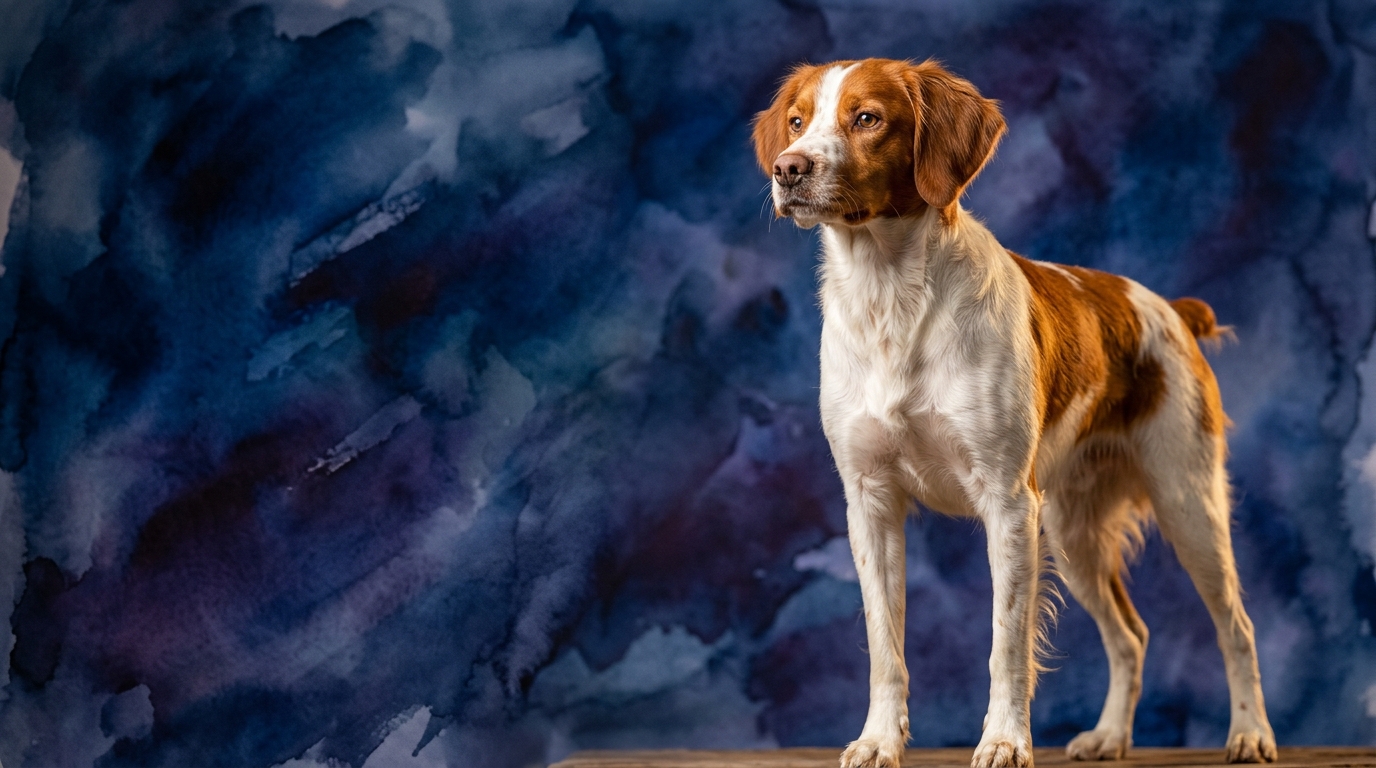
The Cosmic Pet Pet IQ Lab offers a fascinating lens through which to examine these two distinct breeds, revealing how their historical roles have shaped their cognitive strengths. The Brittany, a sporting dog with a Coren rank of #19, showcases a robust cognitive toolkit designed for cooperative hunting and field work. Its Problem Solving is rated 4/5, indicating a strong capacity for navigating complex situations, adapting to new challenges, and learning effectively from experience. Its Training Speed also scores 4/5, suggesting a quick grasp of commands and routines, making it a highly receptive student. Memory stands out with a perfect 5/5, implying an exceptional ability to retain learned behaviors, intricate scent patterns, and environmental details over extended periods. Social Intelligence and Instinctive Drive are both rated 3/5, indicating a competent but perhaps not overly effusive social nature and a balanced, manageable prey drive that can be channeled effectively.
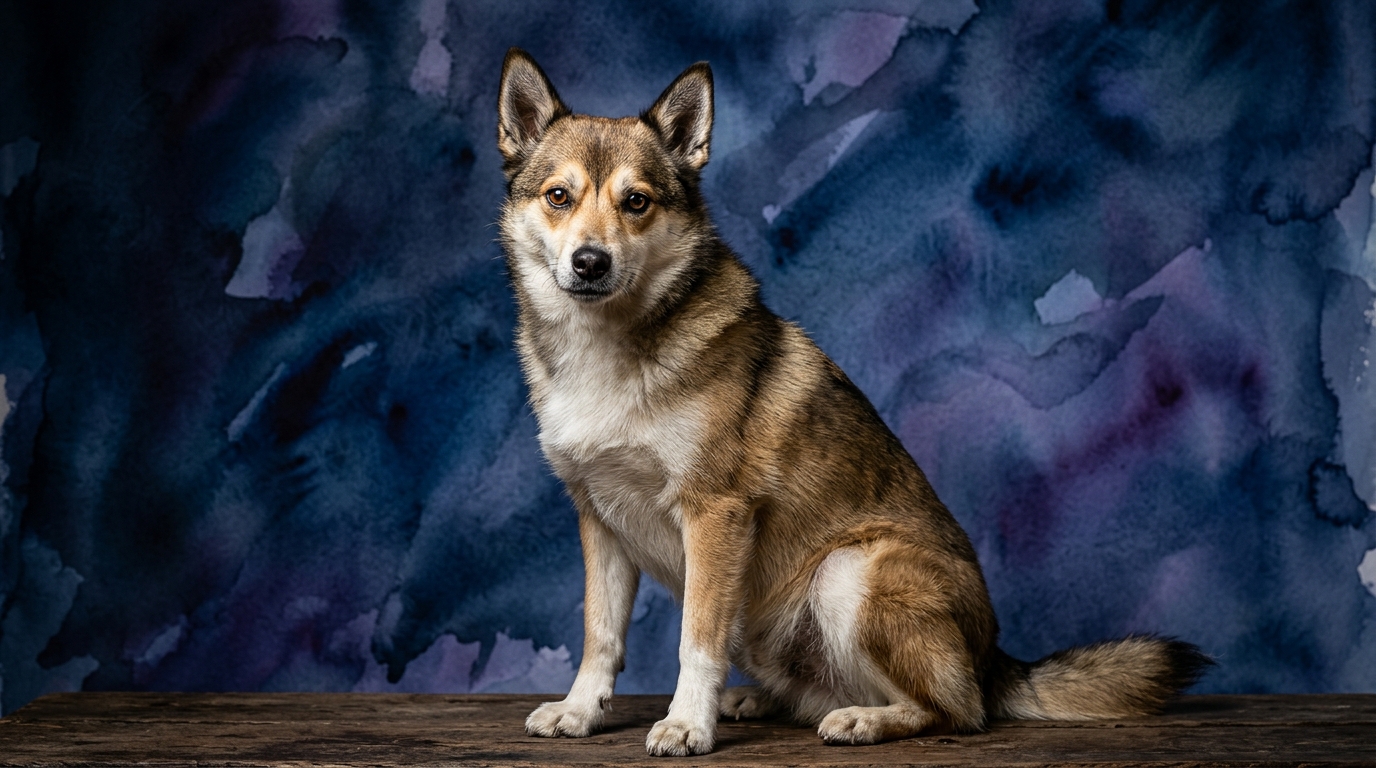
In stark contrast, the Norwegian Lundehund, a Non-Sporting breed without a Coren ranking, presents a more uniformly balanced, though slightly lower, cognitive profile across the board. Its Problem Solving, Training Speed, Social Intelligence, Instinctive Drive, and Memory are all consistently rated 3/5. This consistency suggests a dog that is competent and capable in all these dimensions but may approach learning, interaction, and problem-solving with a more deliberate or independent style compared to its Brittany counterpart. The Lundehund's scores hint at a foundational intelligence, honed for specific, niche tasks and requiring self-reliance rather than broad, eager adaptability to human directives.
Where the Brittany Excels Cognitively
The Brittany’s cognitive architecture is clearly optimized for partnership and performance in the field, making it a standout in several crucial areas of intellect. Its exceptional 5/5 Memory is a significant advantage, allowing it to recall intricate scent patterns, elaborate multi-step commands, and the precise locations of game or hidden objects with remarkable accuracy, even after long periods. This superior memory translates directly into rapid learning and impressive consistency in performance, as a Brittany will remember what it has been taught and apply it reliably in various contexts. Coupled with its 4/5 Problem Solving, the Brittany can quickly assess novel situations during a hunt or an agility course, devising effective strategies on the fly, whether it's navigating a challenging obstacle sequence, figuring out how to retrieve a specific item from a complex setup, or adapting to changing environmental cues.
Furthermore, its 4/5 Training Speed means it absorbs new information and commands with impressive alacrity, making the process of teaching complex skills or behaviors a rewarding and highly efficient endeavor for a dedicated owner. For instance, a Brittany can learn a new agility course layout after just a few repetitions, master a series of scent discrimination tasks faster than many other breeds, or quickly pick up advanced field commands. This combination of strong memory, effective problem-solving, and quick learning makes the Brittany an incredibly versatile and capable partner for those seeking a dog that can master a wide array of cognitive challenges.
Where the Norwegian Lundehund’s Cognition Shines
While the Norwegian Lundehund’s cognitive scores appear more modest compared to the Brittany, its unique intellect shines brightly in its specialized application and inherent independent nature. The Lundehund's 3/5 Problem Solving, though not as high as the Brittany's, is deeply rooted in its historical role as a Puffin hunter, where it independently navigated treacherous cliffs and narrow rock crevices to flush out birds. This required an innate ability to assess three-dimensional spaces, find hidden entrances, and strategize within a complex, ever-changing natural environment without direct human guidance. Its intelligence isn't necessarily about eager cooperation in a broad sense, but rather a focused, tenacious ingenuity applied to specific, challenging tasks that required self-reliance.
The 3/5 Instinctive Drive, while seemingly average, signifies a persistent and calculated drive necessary for solitary hunting, where success depended on a dog’s individual resolve rather than strict adherence to handler commands or pack dynamics. This translates into a dog that can be incredibly focused on a task once engaged, demonstrating a quiet, almost stubborn determination to achieve its goal. Their physical adaptations, such as extra toes and extreme flexibility in their joints, are not just unique physical traits; they are extensions of a sophisticated cognitive strategy for navigating their world, indicating a body and mind working in concert to solve environmental challenges that would stump many other breeds. This breed’s cognitive strength lies in its specialized functional intelligence, tailored for a highly specific and demanding environment.
Ease of Training: Behavioral Differences
When it comes to ease of training, the Brittany holds a clear and distinct advantage, primarily due to its combination of a 4/5 Training Speed and unparalleled 5/5 Memory. These traits mean Brittanys are typically eager students who quickly grasp new commands, retain them over the long term, and are often profoundly motivated by the opportunity to work cooperatively with their human companions. Their strong desire to please, combined with their exceptional capacity for recall, makes them highly responsive to positive reinforcement methods and adept at performing a wide range of tasks, from basic obedience to advanced field work or competitive dog sports. They typically generalize learned behaviors to new environments and situations with relative ease, making them a joy to train for both novice and experienced owners.
The Norwegian Lundehund, with its 3/5 scores in both Training Speed and Memory, presents a different training dynamic that requires a more nuanced approach. While certainly capable of learning, Lundehunds tend to be more independent thinkers, a trait stemming directly from their history as solitary hunters requiring minimal human direction. This independence can manifest as a less urgent need to please their handler, requiring more patience, consistency, and creative motivation during training sessions. They may take longer to solidify new commands, and might not generalize them as readily across different contexts, often needing to understand the "why" or finding intrinsic motivation in the task itself. Owners often report that Lundehunds require a training approach that respects their inherent self-reliance, focusing on making training a rewarding game or puzzle rather than a strict command-and-obey exercise, and understanding that their focus is often on the task itself, rather than solely on the handler's approval.
Matching Breeds to Owner Lifestyles
For genuinely active owners seeking a dynamic partner, the Brittany is an almost ideal match. Its high energy levels, combined with its strong cognitive abilities in problem-solving and memory, mean it thrives on consistent, vigorous physical activity paired with engaging mental challenges. These dogs excel in a variety of dog sports such as agility, flyball, hunting trials, obedience, and scent work, requiring an owner who is committed to providing daily outlets for their boundless enthusiasm and sharp mind. An owner who enjoys hiking, running, cycling, or participating in competitive dog activities will find an eager, capable, and highly motivated partner in a Brittany, as their cognitive makeup demands regular, stimulating engagement to prevent boredom and potential behavioral issues. They are not content with just a stroll around the block.
The Norwegian Lundehund, while certainly not a couch potato, suits an owner who understands and appreciates a different kind of "active" engagement. Their unique physical attributes and historical role suggest a need for activities that engage their problem-solving skills in exploratory and physically demanding ways, rather than just high-speed endurance. They may not be the fastest long-distance runners, but they excel at navigating complex terrains, exploring new scents, and solving spatial puzzles. An active owner for a Lundehund is one who is prepared for consistent, stimulating walks that involve varied environments, opportunities for safe climbing or obstacle navigation, and puzzle toys that challenge their independent thought processes. They are not suited for relaxed owners who prefer minimal engagement, as their curious and somewhat independent nature still requires regular mental and physical outlets to maintain their well-being, albeit with a focus on quality of engagement over sheer volume of exercise.
The Verdict
Choose a Brittany if you are an active individual or family seeking a highly trainable, cooperative, and enthusiastic partner for dog sports, hunting, or a variety of engaging activities, valuing a dog that learns quickly and forms a strong, eager-to-please bond.
Opt for a Norwegian Lundehund if you appreciate a uniquely independent spirit, are prepared for a patient and creative training journey, and desire a curious companion who thrives on exploratory challenges and less on constant direct handler focus.
🧠 Find Your Pet's IQ Score
Our Pet IQ Lab assessment covers 25+ tests across 5 cognitive dimensions — personalized to your breed.
Take the Full IQ Test →Frequently Asked Questions
Are Lundehunds harder to live with than Brittanys due to their intelligence profile?
Lundehunds aren't necessarily "harder," but they require a different approach. Their independence and moderate training speed mean owners need more patience and consistency, focusing on positive reinforcement and making training a rewarding game rather than a strict obedience regimen.
Can Norwegian Lundehunds excel in dog sports despite their lower training speed?
Yes, Lundehunds can participate in dog sports, especially those that leverage their agility, unique physical capabilities, and problem-solving skills, like scent work or certain types of agility, though they may require more dedicated and creative training than a Brittany.
What kind of mental stimulation is most effective for a Brittany given its high memory and problem-solving?
Brittanys thrive on complex mental stimulation, including advanced obedience, puzzle toys, scent work, and learning multi-step tricks. Regular participation in dog sports like agility, flyball, or field trials also provides excellent outlets for their cognitive strengths and energy.