Side-by-Side IQ Profile: Bull Terrier vs. Glen of Imaal Terrier
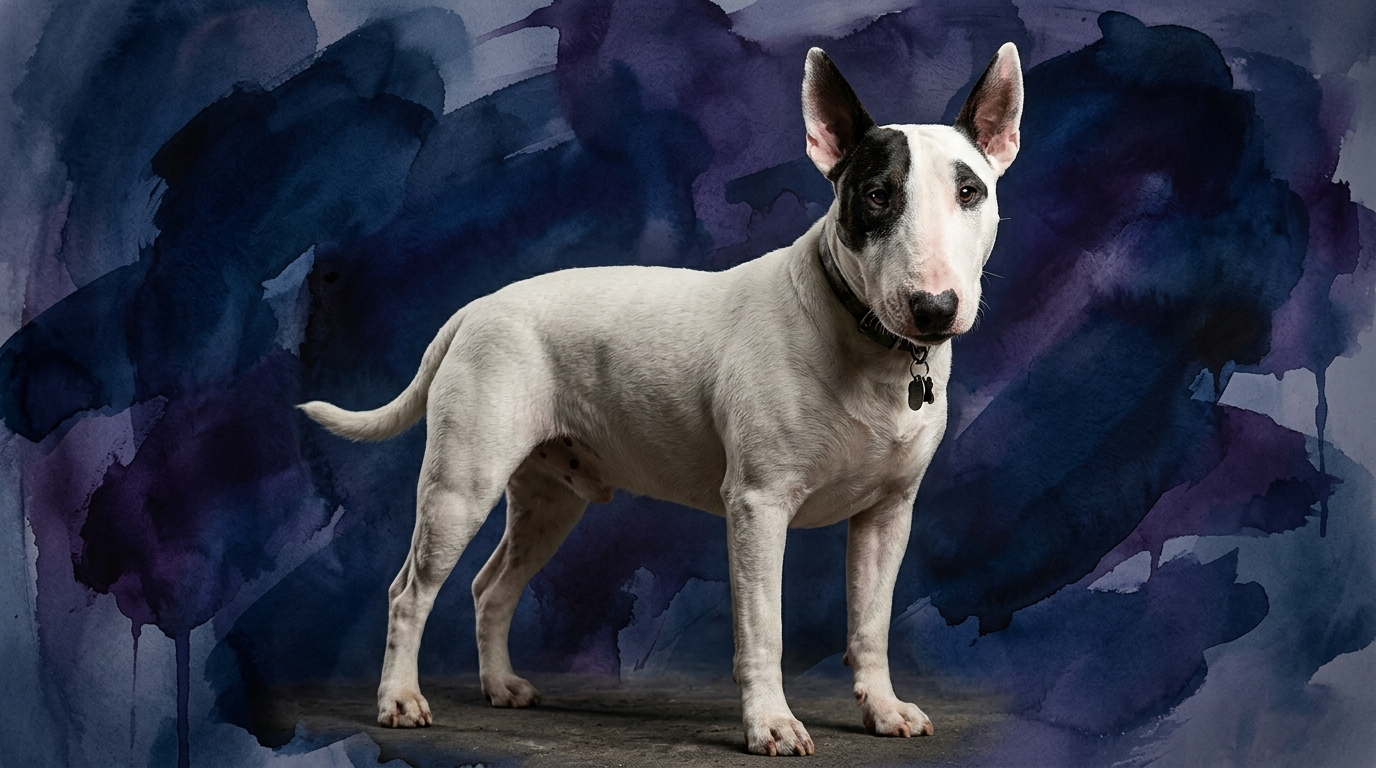
At The Cosmic Pet Pet IQ Lab, we assess canine intelligence across five key dimensions, each rated on a scale of 1 to 5. Interestingly, both the Bull Terrier and the Glen of Imaal Terrier register a consistent 3/5 across all categories, suggesting a moderate but capable cognitive foundation for both breeds. However, the manifestation of these scores is deeply rooted in their distinct histories and temperaments. The Bull Terrier, originating from 19th-century England, was bred for fighting and later for companionship, a history that shaped its unique cognitive expression. It holds a Coren rank of #66, placing it in the average working/obedience intelligence category.
For the Bull Terrier, a 3/5 in Problem Solving indicates an ability to figure out novel situations or puzzles, often through persistent trial and error, sometimes leveraging its physical strength or boisterous nature. Training Speed at 3/5 means they learn new commands with consistent effort and positive reinforcement, though their independent streak can lead to moments of willful non-compliance. Their Social Intelligence, also 3/5, suggests they generally read human cues well and interact appropriately, but can be selective in their affections or protective of their family. An Instinctive Drive of 3/5 points to noticeable prey drive and a love for digging or chasing, requiring appropriate outlets. Finally, a Memory score of 3/5 means they retain learned information and routines, but sustained reinforcement is key to prevent command fade.
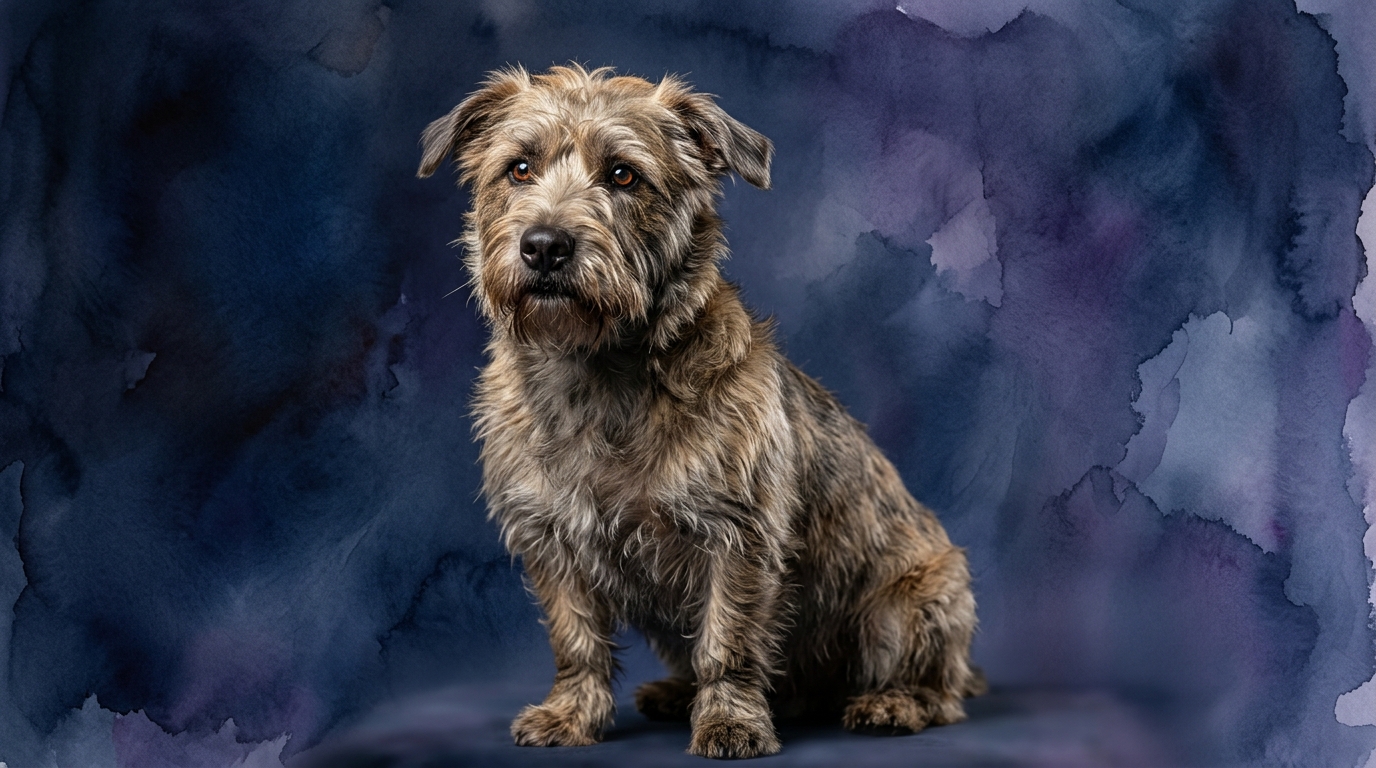
The Glen of Imaal Terrier, hailing from Ireland's County Wicklow, was developed as a tenacious badger and fox hunter, a role demanding rugged determination and independent decision-making. This breed is not Coren-ranked, often due to its less common status in formal obedience circles, which doesn't diminish its inherent cognitive abilities but suggests a different application of its intellect. For the Glen, a 3/5 in Problem Solving manifests as incredible persistence and resourcefulness, especially when tackling tasks related to its historical function, like navigating tight spaces or pursuing a scent. Their Training Speed at 3/5 reflects a need for patient, creative methods, as their independent nature means they value making their own decisions.
A Social Intelligence score of 3/5 for the Glen of Imaal Terrier indicates a generally good understanding of social dynamics, though they can be more reserved or discerning than the more outgoing Bull Terrier. Their Instinctive Drive, rated 3/5, is particularly strong in scent work, digging, and tunneling, reflecting their working heritage and requiring consistent mental and physical engagement. Lastly, a Memory score of 3/5 means they retain commands and experiences effectively, but their independent spirit might lead them to choose not to recall a command if a more compelling instinct takes over.
Where the Bull Terrier Wins Cognitively
While both breeds share identical numerical IQ scores, the Bull Terrier often demonstrates a more overt and adaptable display of its cognitive abilities within a human-centric household. Its playful and sometimes clownish demeanor, combined with its strong desire for companionship, can make its problem-solving attempts more interactive and engaging for owners. A Bull Terrier might more readily engage with human-designed puzzle toys or figure out how to 'trick' an owner into playtime, leveraging its social intelligence in a more manipulative, yet endearing, way.
Their moderate Coren ranking of #66, while not top-tier, signifies a baseline responsiveness to structured obedience training that can be more consistently harnessed than with some other working terriers. This means their 3/5 Training Speed, though requiring consistency, is often paired with a greater willingness to perform for human approval in a domestic setting. The Bull Terrier's robust physical presence and curious nature allow it to explore and learn about its environment in a broader, more direct fashion, often leading to a wider range of learned experiences compared to the more specialized intellectual focus of the Glen.
Where the Glen of Imaal Terrier Wins Cognitively
The Glen of Imaal Terrier's cognitive strengths lie in its profound persistence and independent resourcefulness, particularly in tasks that tap into its innate working drives. Its 3/5 Problem Solving score shines brightest when faced with challenges requiring unwavering determination and strategic thinking, such as finding a hidden treat or navigating a complex scent trail. Unlike the Bull Terrier's often overt problem-solving, the Glen's approach can be more methodical and focused, a legacy of its badger-hunting past where patience and self-reliance were paramount.
Their 3/5 Instinctive Drive is exceptionally potent and refined for specific tasks, making them adept at activities like earthdog trials or scent work, where their cognitive energy is channeled into a singular, purposeful pursuit. Furthermore, the Glen's more reserved nature often translates into a nuanced Social Intelligence; they observe situations keenly before reacting, sometimes demonstrating a deeper, quieter understanding of their environment and the intentions of others. This independent thought process, while challenging for training, also means they are capable of making sound judgments autonomously when required, a critical trait for a working dog.
Which is Easier to Train and Why
When considering ease of training, both breeds, with their 3/5 Training Speed scores, require significant commitment, but their specific challenges differ. The Bull Terrier, despite its occasional stubbornness, often possesses a stronger desire to be involved with its human family, which can be a powerful motivator in training. Their playful nature allows for game-based training methods, and while consistency is vital, their #66 Coren ranking suggests they are generally amenable to learning obedience commands, even if they don't always execute them with precision or enthusiasm. Their need for mental stimulation and companionship can be leveraged to encourage engagement in training sessions.
The Glen of Imaal Terrier, conversely, presents a unique training challenge due to its profound independence and strong working dog mentality. Their 3/5 Training Speed means they learn, but their historical role as autonomous hunters fostered a mindset of making their own decisions rather than eagerly complying with human commands. This can manifest as an intelligent but selective deafness, especially if a more interesting scent or digging opportunity presents itself. Training a Glen requires immense patience, creativity, and a deep understanding of positive reinforcement, focusing on making training rewarding and meaningful to the dog, rather than relying on rote obedience. Their inherent drive to work and solve problems on their own terms means an owner must be adept at channeling these instincts positively.
Which Suits Active Owners vs. Relaxed Owners
The Bull Terrier, while not a marathon runner, thrives with owners who can provide consistent and engaging activity. Their moderate Instinctive Drive and playful nature mean they require daily walks, structured playtime, and mental stimulation to prevent boredom and channeling their energy destructively. They are generally suited for active owners who enjoy incorporating their dog into daily activities and providing ample opportunities for socialization and training. A Bull Terrier can be a relaxed companion indoors, but only after its physical and mental needs have been adequately met through active engagement.
The Glen of Imaal Terrier generally suits owners who appreciate a more moderate, yet consistent, level of activity. While they possess a strong working drive, their energy is often described as 'less frantic' than some other Terriers. They need daily walks and opportunities to explore, sniff, and perhaps dig in a designated area, satisfying their 3/5 Instinctive Drive. They are well-suited for owners who enjoy regular, moderate outdoor activity and value a calm, observant companion indoors. However, their independent problem-solving nature means even 'relaxed' owners must be prepared for their dog to have a mind of its own during outdoor excursions.
The Verdict
Choose the Bull Terrier if you appreciate a spirited, playful companion with a unique personality, are prepared for consistent training to channel their moderate working intelligence, and enjoy a dog that forms strong bonds within a lively household.
Choose the Glen of Imaal Terrier if you value a resilient, independent spirit in a more compact package, are patient with training, and can appreciate a dog whose intelligence shines in quiet observation and persistent, task-oriented pursuits rather than eager compliance.
🧠 Find Your Pet's IQ Score
Our Pet IQ Lab assessment covers 25+ tests across 5 cognitive dimensions — personalized to your breed.
Take the Full IQ Test →Frequently Asked Questions
Do Bull Terriers and Glen of Imaal Terriers have similar intelligence?
While both breeds score 3/5 across our measured cognitive dimensions, their expression of these abilities differs significantly due to their breed histories and temperaments. The Bull Terrier's #66 Coren ranking suggests a moderate aptitude for formal obedience, while the Glen's 'Not Coren-ranked' status highlights its independent, task-focused intelligence.
Are Glen of Imaal Terriers hard to train?
Glen of Imaal Terriers, with their 3/5 training speed, require patient and consistent training methods. Their independent nature and strong instinctive drives mean they respond best to positive reinforcement and clear motivation, rather than rote repetition, reflecting their historical role as autonomous working dogs.
Which breed is better for first-time dog owners?
Neither breed is typically recommended for first-time dog owners due to their strong Terrier traits and moderate training scores. However, an owner committed to consistent training and socialization might find the Bull Terrier's playful nature slightly more forgiving, while the Glen of Imaal requires a deeper understanding of independent terrier characteristics.