
Unpacking Their Minds: A Side-by-Side Cognitive Profile
The Cosmic Pet Pet IQ Lab employs a five-dimensional framework to assess canine cognition, moving beyond simple 'smart' labels to explore specific mental aptitudes. This framework considers problem-solving, the speed at which a dog learns new commands, their social intelligence, the strength of their inherent breed-specific drives, and their capacity for memory.
For the Bull Terrier, a breed with a Coren ranking of #66, their cognitive profile shows a consistent '3 out of 5' across the board: problem-solving, training speed, social intelligence, instinctive drive, and memory. This suggests a balanced, moderate aptitude in each area, indicating they are capable learners and adapters, but perhaps not excelling in one specific cognitive domain over others. Their Terrier heritage often points to a resilient and focused approach to tasks.
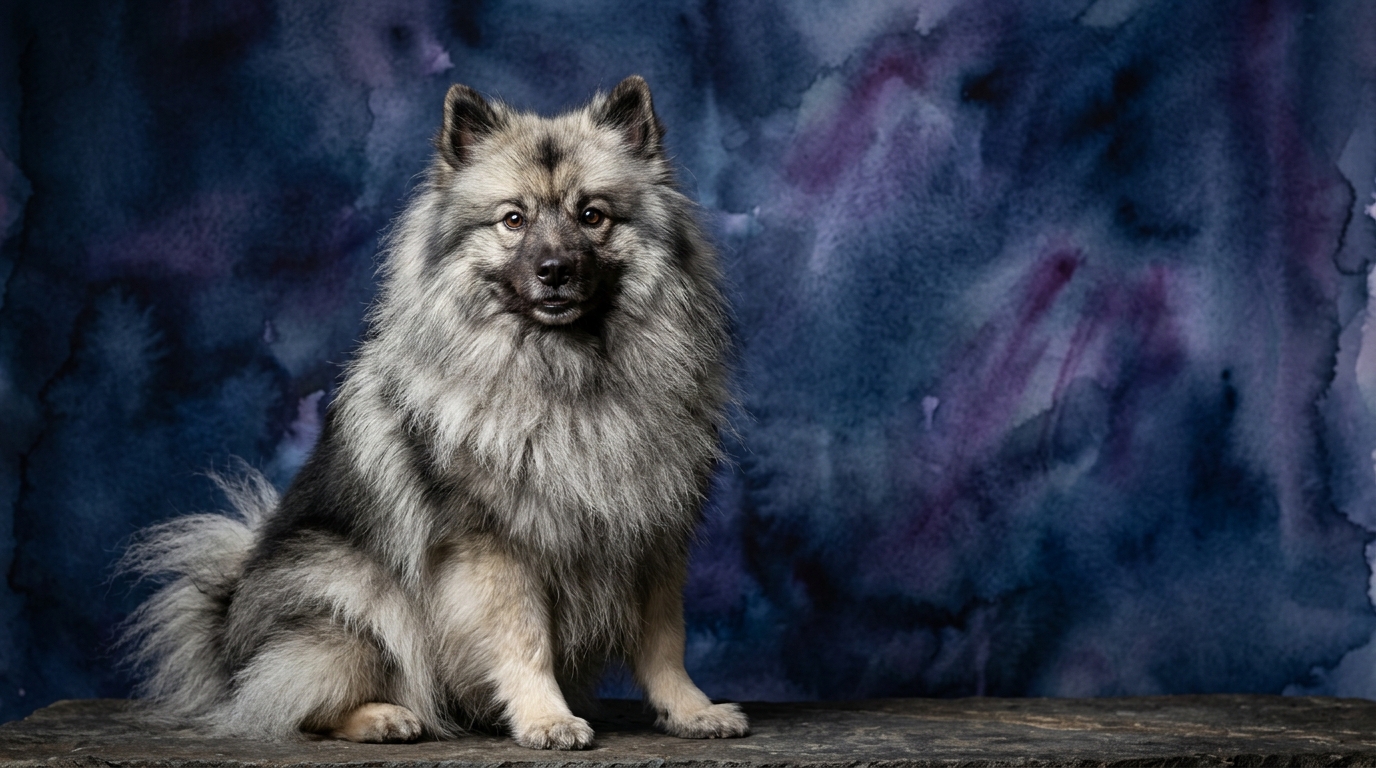
The Keeshond, ranking significantly higher at #16 on the Coren scale, presents a more varied and often stronger cognitive blueprint. They score '4 out of 5' in both problem-solving and training speed, signifying a quicker grasp of new concepts and a greater aptitude for navigating novel situations. Their social intelligence and instinctive drive mirror the Bull Terrier at '3 out of 5', but their memory stands out with an impressive '5 out of 5'. This suggests a profound capacity for retaining information and experiences, a hallmark of their attentive and companionable nature.
Bull Terrier's Cognitive Edge: Tenacity and Focused Drive
While the Keeshond outscores the Bull Terrier in some specific metrics, the Bull Terrier's consistent '3 out of 5' across all cognitive dimensions presents a unique kind of strength: unwavering tenacity. Their balanced profile, particularly their '3 out of 5' in instinctive drive, means they approach challenges with a certain focused determination. This isn't about raw intellectual speed, but rather a steadfast commitment to a task once engaged.
Imagine a complex puzzle toy. A Keeshond might quickly deduce the solution. A Bull Terrier, perhaps taking a little longer to grasp the initial concept, will likely persist with formidable focus, undeterred by initial failures. Their cognitive 'win' lies in this resilience and robust mental fortitude. They don't give up easily, leveraging their moderate problem-solving and drive to see things through. This persistence can make them exceptionally effective in roles requiring sustained effort rather than instantaneous comprehension, such as learning a complex chain of behaviors over time through consistent repetition.
Keeshond's Cognitive Prowess: Rapid Learning and Exceptional Memory
The Keeshond's cognitive profile showcases clear advantages in areas that often define what we perceive as 'smart' in a companion animal: rapid acquisition of new skills and an extraordinary memory. Their '4 out of 5' in problem-solving indicates an agile mind capable of quickly assessing novel situations and devising effective solutions, whether it's figuring out how to open a gate or navigating a new environment efficiently. This mental flexibility allows them to adapt to new routines and commands with impressive speed.
However, it is the Keeshond's '5 out of 5' in memory that truly sets them apart. This isn't just about remembering where the treat jar is; it signifies a profound capacity for retaining complex sequences of commands, associating specific actions with outcomes, and recalling past experiences to inform future behavior. An owner might only need to show a Keeshond a new trick a few times, and they'll likely retain it for years. This exceptional recall makes them highly receptive to advanced training and capable of building a vast repertoire of learned behaviors over their lifetime, fostering a deep, nuanced understanding of their human companions and their shared routines.
Training Trajectories: Understanding Ease and Engagement
When considering ease of training, the Keeshond generally holds an advantage, primarily due to their '4 out of 5' training speed and '5 out of 5' memory. These scores translate into a dog that not only picks up new commands quickly but also retains them over long periods. Keeshonds often exhibit an intrinsic desire to please their owners, combined with their cognitive agility, making them highly responsive to positive reinforcement methods. They quickly connect an action with its reward and remember the sequence, allowing for efficient progress through basic obedience to more complex tasks.
The Bull Terrier, with a '3 out of 5' in training speed and memory, requires a different approach. While certainly capable of learning, their progress might be slower and demand more consistent repetition. Bull Terriers can sometimes display a characteristic Terrier stubbornness, meaning they might question the 'why' of a command or choose to engage only if sufficiently motivated. Training a Bull Terrier benefits immensely from short, engaging sessions that leverage their moderate instinctive drive, maintaining their interest and preventing boredom. Patience, consistency, and a strong, positive relationship are key to unlocking their learning potential, as their focus is often more singular than the Keeshond's broad attentiveness.
Lifestyle Alignment: Matching Breed Cognition to Owner Pace
The cognitive profiles of these two breeds offer insights into how well they might integrate into different owner lifestyles. For owners seeking a companion that thrives on consistent mental engagement and enjoys learning new things, the Keeshond is an exceptional match. Their '4 out of 5' problem-solving and '5 out of 5' memory mean they excel in activities like agility, obedience, or even trick training, which provide the mental stimulation they crave. While they enjoy walks and playtime, their need for cognitive work is significant, making them suitable for active owners who relish teaching and interacting in mentally stimulating ways, rather than just purely physical exertion.
The Bull Terrier, with a '3 out of 5' across all categories, offers a more balanced, albeit still engaged, companionship. Their moderate instinctive drive means they appreciate regular physical exercise and structured play, but their mental needs are often met with consistency and clear routines. They might not be as quick to pick up complex tricks as a Keeshond, but their tenacity makes them good candidates for sustained activities like long walks, interactive games, or even tracking, where their focus can be channeled. They suit owners who appreciate a steadfast companion, willing to engage in daily activities without necessarily demanding constant novel mental challenges, finding contentment in a predictable yet stimulating environment.
The Verdict
Choose a Bull Terrier if you value unwavering tenacity, a balanced cognitive profile that thrives on consistent routines, and a companion who offers steadfast loyalty with a unique, focused approach to life's challenges.
Opt for a Keeshond if you are drawn to a companion with exceptional memory, rapid learning abilities, and a desire for consistent mental engagement through training and problem-solving activities, offering a highly responsive and adaptable partnership.
🧠 Find Your Pet's IQ Score
Our Pet IQ Lab assessment covers 25+ tests across 5 cognitive dimensions — personalized to your breed.
Take the Full IQ Test →Frequently Asked Questions
Do Bull Terriers understand human emotions well?
Bull Terriers score '3 out of 5' in social intelligence, indicating a moderate capacity to interpret human cues. While they form strong bonds, they might not always be as finely attuned to subtle emotional shifts as some breeds, requiring owners to be clear and consistent in their communication.
How does a Keeshond's high memory affect their behavior?
A Keeshond's '5 out of 5' memory means they remember commands, routines, and past experiences with remarkable clarity. This contributes to their trainability and consistency, but also means they will remember negative experiences or inconsistencies, making positive reinforcement and a structured environment particularly important for their well-being.
Are either of these breeds good for first-time dog owners?
The Keeshond's higher training speed and memory make them a more forgiving choice for first-time owners willing to invest in consistent mental engagement. Bull Terriers, while loyal, can present challenges with their characteristic stubbornness and require an owner who understands the need for patient, firm, and consistent training, making them potentially more suited for experienced owners.