Side-by-Side IQ Profile: Bull Terrier vs. Otterhound
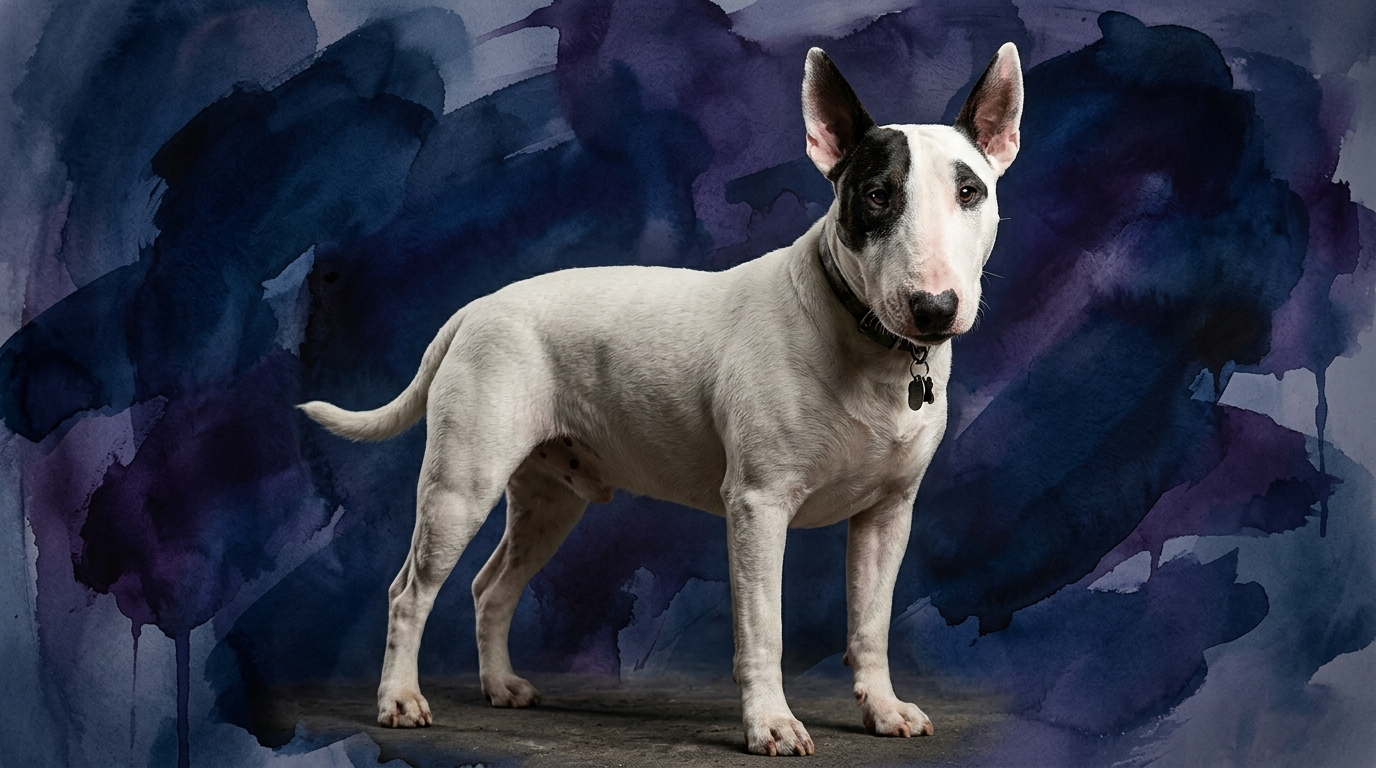
The Bull Terrier, ranked #66 by Coren, brings a distinct terrier intellect to the table. Their Problem Solving is rated at 3/5, manifesting as a resourceful determination to achieve goals, often involving clever manipulation of objects or persistent effort to overcome physical barriers. This isn't about abstract reasoning as much as practical, goal-oriented solutions to immediate challenges. Training Speed also scores 3/5; while capable of learning, their independent streak means they require patient, consistent, and highly engaging methods. They grasp concepts, but their compliance often hinges on motivation and perceived value. In Social Intelligence, a 3/5 indicates they adeptly understand human cues and social dynamics within their established family unit, though they can be selective or reserved with unfamiliar individuals, reading intentions carefully before fully engaging. Their Instinctive Drive, a robust 3/5, is characterized by the tenacity, prey drive, and determination inherent to their terrier heritage, fueling their actions and requiring structured outlets. Finally, their Memory, at 3/5, ensures they retain learned behaviors and experiences effectively, remembering training sequences, routines, and past interactions with notable clarity.
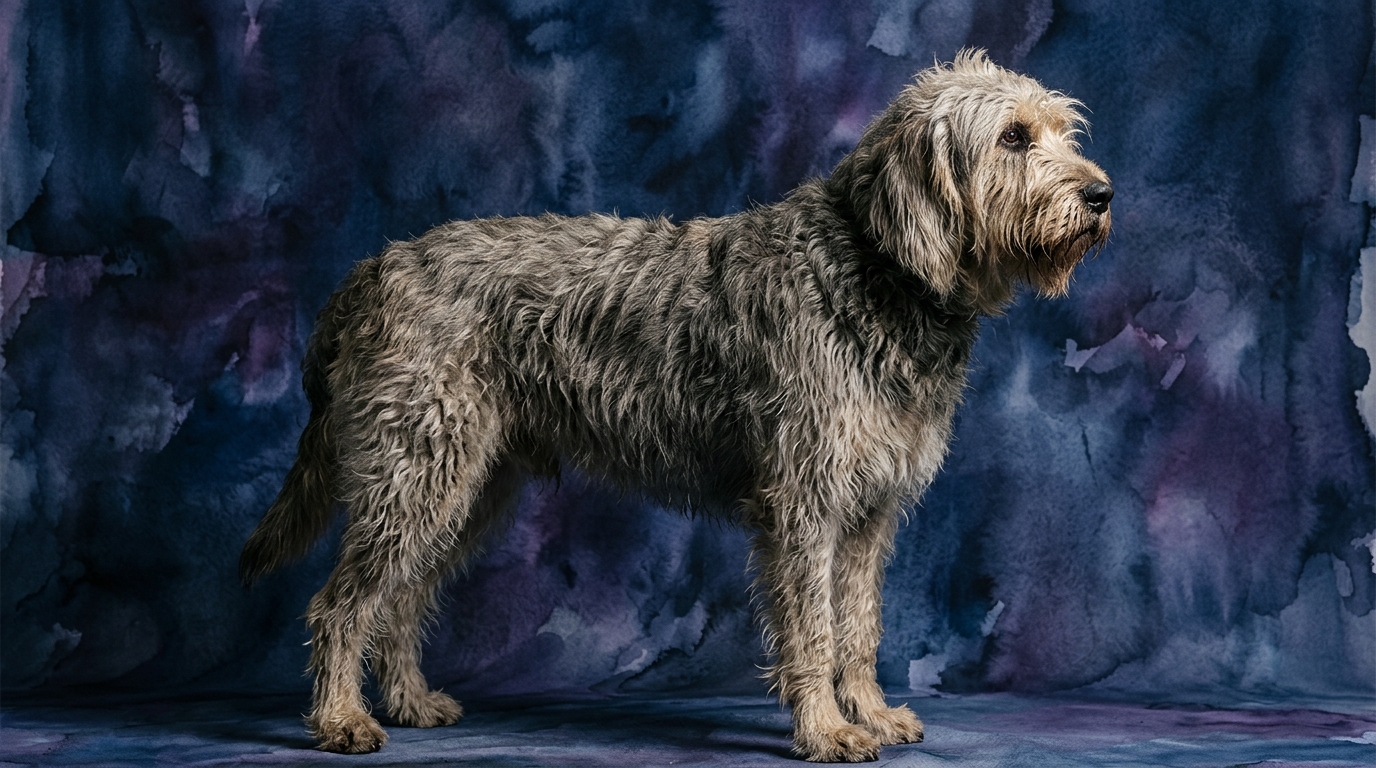
The Otterhound, though not Coren-ranked, presents a cognitive profile with identical 3/5 scores, yet its expression is profoundly shaped by its hound lineage. Their Problem Solving, rated 3/5, is almost entirely centered on their extraordinary olfactory abilities; they excel at tracking complex scent trails and unraveling environmental puzzles using their nose, rather than through abstract reasoning or physical manipulation. Training Speed, also 3/5, reflects their capacity to learn, but their overwhelming scent drive often leads to distraction. Success requires highly motivating rewards and a deep understanding of hound psychology to maintain focus amidst compelling environmental stimuli. Social Intelligence, a 3/5, describes a generally affable and good-natured demeanor, understanding pack dynamics and human expectations within their social group, often communicating through a rich repertoire of vocalizations and body language. Their Instinctive Drive, a powerful 3/5, is dominated by an insatiable urge to follow a scent, demonstrating immense stamina and single-minded focus on the trail, which frequently overrides other impulses. Lastly, their Memory, at 3/5, is particularly acute for scent trails, locations, and routines associated with their hunting heritage or social interactions, enabling them to recall complex sensory information.
Where the Bull Terrier Wins Cognitively
The Bull Terrier's cognitive strengths shine in areas demanding independent thought and direct physical engagement. Their 3/5 Problem Solving often manifests as a cleverness in navigating the domestic environment, such as figuring out how to access a forbidden treat or opening a door. This breed demonstrates a unique brand of tenacity in non-scent related challenges, applying a persistent, trial-and-error approach that can be surprisingly effective. Their Social Intelligence, while scoring the same as the Otterhound, tends to be more assertive and playful, allowing them to engage in complex social games and read human intentions with a mischievous understanding of boundaries. This often translates into a more direct and sometimes challenging form of interaction, requiring humans to be equally sharp.
Where the Otterhound Wins Cognitively
The Otterhound truly excels in the realm of olfactory cognition, where their 3/5 Problem Solving is a masterclass. No other breed type can match their dedication and skill in unraveling a complex scent puzzle, demonstrating a mental endurance and focus that is unparalleled when on a trail. Their cognitive strength lies in processing vast amounts of sensory data from their environment, reconstructing invisible pathways with astounding accuracy. This specialized form of intelligence allows them to navigate and understand their world in a way humans cannot, making them exceptional at tasks requiring sustained sensory analysis. Their Social Intelligence, while also 3/5, leans towards a more cooperative, pack-oriented understanding, valuing harmony within their established group and often communicating needs through a rich, varied vocalization that is part of their unique charm.
Which is Easier to Train and Why
Assessing which breed is “easier” to train between the Bull Terrier and the Otterhound, both with a 3/5 Training Speed, requires understanding the nature of their challenges. The Bull Terrier's training journey is often a test of wills. They are capable of learning commands and routines, but their strong, independent personality means they might choose to comply only when sufficiently motivated or when it aligns with their own agenda. Training them demands creativity, consistency, and a sense of humor, turning sessions into engaging collaborations rather than strict obedience drills. They learn quickly what works for them, which includes sometimes testing boundaries. The Otterhound, conversely, presents a different kind of training hurdle: profound distraction. While good-natured, their powerful 3/5 Instinctive Drive to follow a scent means that once their nose is engaged, the human voice often becomes secondary. Training an Otterhound requires immense patience, extremely high-value rewards, and often involves working with their nose rather than against it, integrating scent games into their learning. For a novice owner, the Otterhound's single-minded focus on scent might prove more frustrating and difficult to manage in real-world scenarios, while the Bull Terrier's challenge is more about negotiating their independent personality.
Suited for Active vs. Relaxed Owners
For active owners, both breeds offer engagement, but with different needs. The Bull Terrier, with its 3/5 Instinctive Drive and tenacious spirit, thrives with owners who enjoy structured play, mental challenges, and consistent activity that channels their energy. They don't necessarily need endless miles of running, but benefit greatly from interactive games, puzzle toys, and training sessions that stimulate their clever minds. They can adapt to apartment living if their cognitive and physical needs are met through dedicated engagement. The Otterhound, on the other hand, is a true outdoor enthusiast. Their 3/5 Instinctive Drive demands significant, often off-leash, exercise in secure environments where they can explore and utilize their extraordinary nose. They are not suited for relaxed owners who prefer minimal outdoor activity; an Otterhound left without an outlet for its scenting drive and stamina will likely become bored, vocal, and potentially destructive. They require owners who embrace long walks, hikes, and active participation in scent-related activities.
The Verdict
Choose the Bull Terrier if you appreciate a clever, strong-willed companion who thrives on engaging mental and physical challenges, and you are prepared to offer consistent, firm-but-fair leadership. This breed suits those who enjoy a dog with distinct personality and a flair for independent problem-solving in a domestic setting.
Opt for the Otterhound if you are an adventurous, patient owner who embraces the unique lifestyle of a scent hound, loving long outdoor explorations and prepared to manage a dog whose world is primarily navigated through its powerful nose. This breed is ideal for those seeking a charming, vocal companion for extensive outdoor activities.
🧠 Find Your Pet's IQ Score
Our Pet IQ Lab assessment covers 25+ tests across 5 cognitive dimensions — personalized to your breed.
Take the Full IQ Test →Frequently Asked Questions
Are Bull Terriers hard to train?
Bull Terriers, with their 3/5 training speed, are not inherently difficult learners but their independent and sometimes stubborn nature requires consistent, patient, and engaging training methods. They respond best to positive reinforcement and owners who understand how to motivate their unique personality.
Do Otterhounds need a lot of exercise?
Yes, Otterhounds possess a strong 3/5 instinctive drive and require substantial daily exercise, ideally incorporating opportunities for scent work and exploration in safe, expansive areas. Without adequate physical and mental stimulation, they can become restless and vocal.
Are Otterhounds good with children?
Generally, Otterhounds are known for their good-natured and tolerant temperament, making them suitable companions for families with children. However, their large size and boisterous nature mean supervision is always recommended, especially with very young children, to ensure gentle interactions.