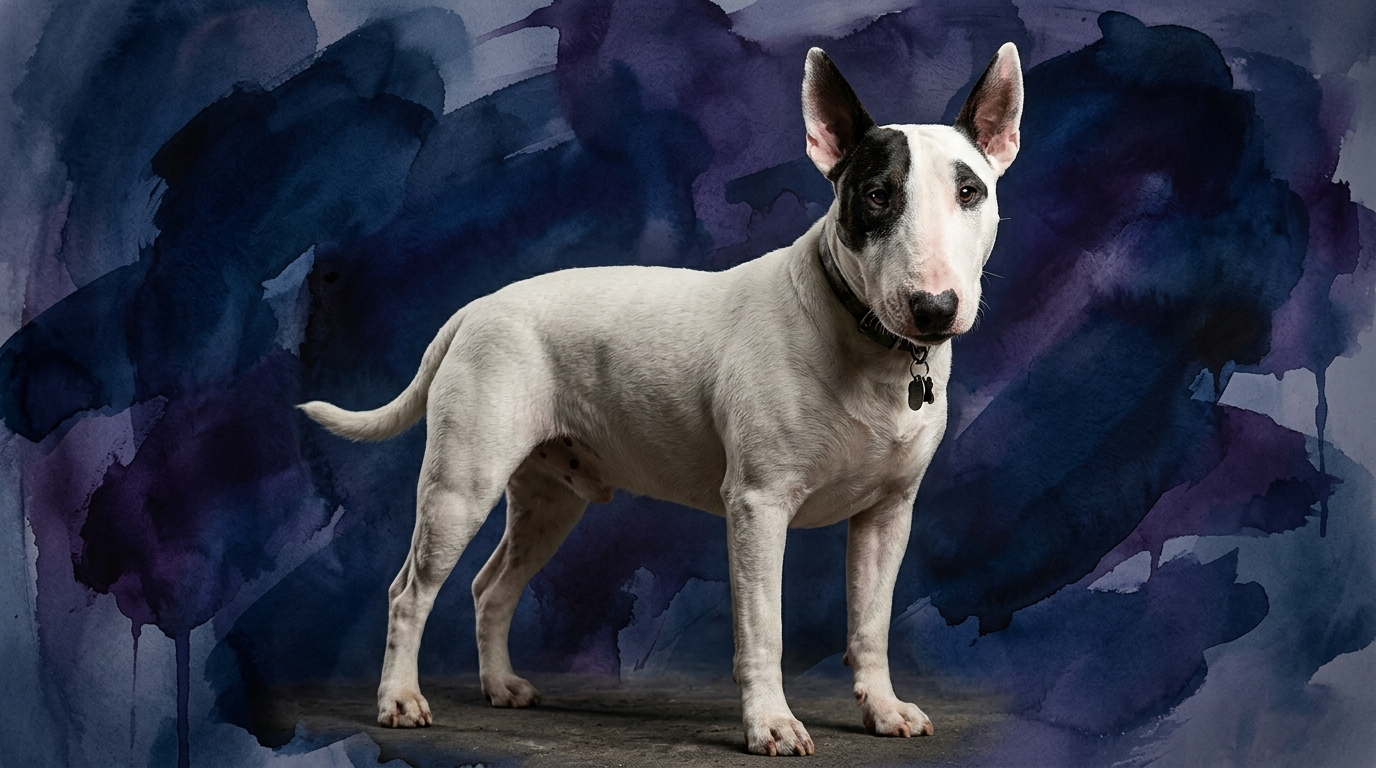
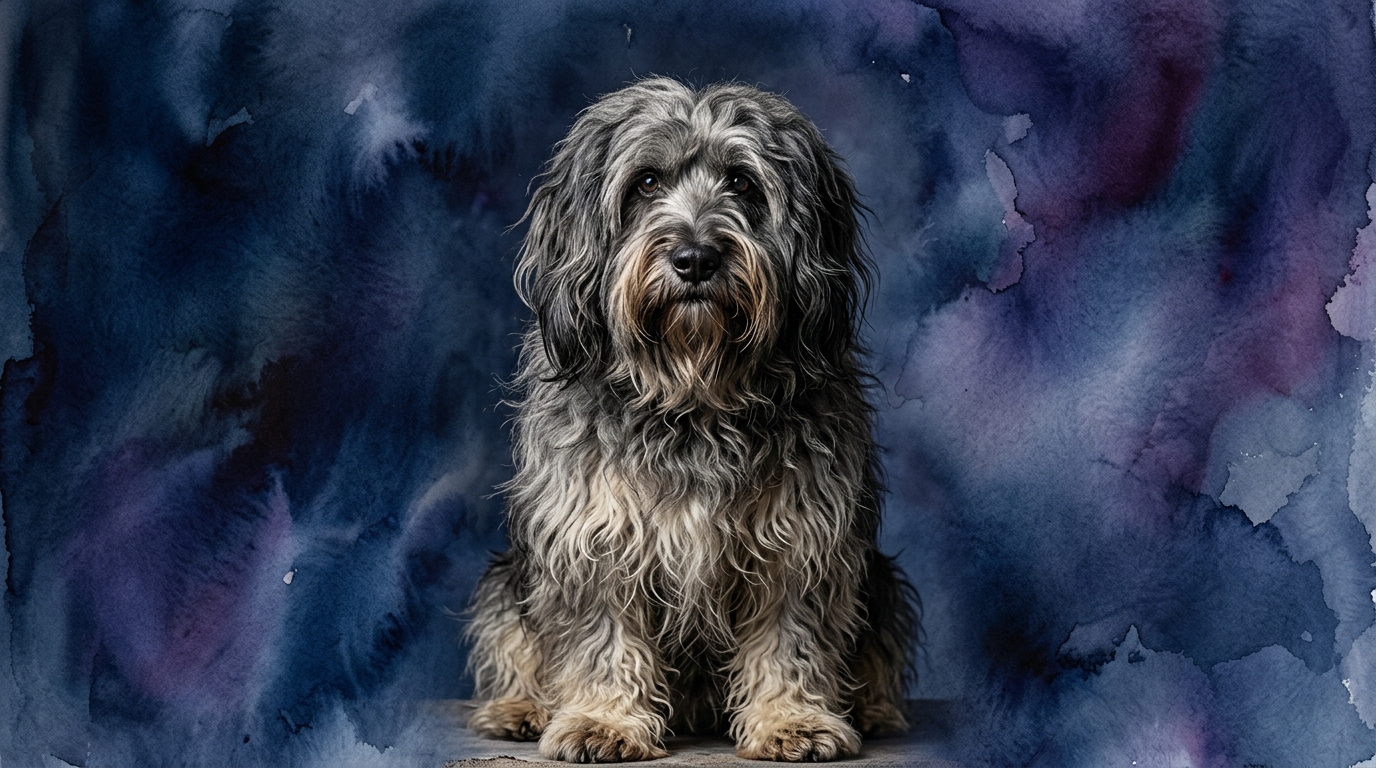
Side-by-Side IQ Profile: Bull Terrier vs. Polish Lowland Sheepdog
The Bull Terrier, developed for tenacity and single-minded focus, displays its cognitive abilities through determined action. Its Problem Solving at 3/5 manifests as persistent, often physical, attempts to achieve a goal, such as methodically dismantling a puzzle toy to access treats or finding creative routes around obstacles to reach a desired object. This isn't about abstract thought, but rather direct, physical perseverance. Training Speed, also 3/5, indicates they learn at a moderate pace, yet their independent and sometimes stubborn nature means consistent, motivating reinforcement is crucial; they grasp commands but often weigh the immediate benefit before complying. Social Intelligence, rated 3/5, means they are perceptive of their family's emotions and very affectionate within their trusted circle, though they can be reserved or selective with strangers and other dogs, often assessing new situations with a "my people first" mentality. Their Instinctive Drive, a 3/5, reflects a moderate prey drive and a strong desire to dig, chase, and explore independently, rooted in their pest control heritage. Memory, also 3/5, allows them to retain routines, commands, and experiences effectively, meaning both positive and negative associations can be deeply ingrained and influence future interactions.
The Polish Lowland Sheepdog, bred for herding and guarding livestock, exhibits its cognitive strengths through vigilance and environmental awareness. Its Problem Solving at 3/5 is often geared towards spatial reasoning and strategic adaptation; they might figure out how to 'herd' family members into a desired location or navigate a complex environment with a clear purpose, considering the flow and movement of things. Training Speed, at 3/5, suggests they learn at a moderate rate, eager to please but also possessing the independent decision-making streak common to herding breeds; they absorb information well but require patient, consistent training that respects their natural initiative. Social Intelligence, also 3/5, highlights their sensitivity to family moods and strong bonds, while their watchful nature makes them reserved and sometimes wary of strangers, typical of a guardian breed; their social acumen is about monitoring their environment and responding to changes within their perceived 'flock.' Their Instinctive Drive, a 3/5, manifests as a moderate herding instinct—a desire to gather, control, and protect—and pronounced protective instincts, making them alert guardians of their territory and people. Memory, rated 3/5, supports their role as a vigilant observer, allowing them to remember commands, routines, and the identity of individuals, contributing to their cautious approach with unfamiliar faces.
Where the Bull Terrier Wins Cognitively
The Bull Terrier truly excels in tenacity and single-minded focus. Their cognitive strength allows them to fixate on a specific objective with unwavering determination, whether it's solving a complex puzzle for a treat or retrieving a particular item. This intense, singular drive, rooted in their terrier heritage, means they can apply sustained mental effort to overcome obstacles, making them exceptionally effective at tasks requiring pure persistence and independent action without constant human intervention.
Where the Polish Lowland Sheepdog Wins Cognitively
The Polish Lowland Sheepdog's cognitive edge lies in environmental awareness and strategic spatial reasoning. As a herding breed, they possess a superior ability to process multiple environmental cues simultaneously, track movements, and anticipate changes within their surroundings. This allows them to make strategic decisions based on spatial relationships, such as maneuvering a 'flock' or navigating varied terrains, demonstrating a sophisticated understanding of their environment and the dynamics within it. Their vigilance is a direct cognitive asset.
Which is Easier to Train and Why
While both breeds share a 3/5 Training Speed score, their underlying temperaments influence the training experience. The Polish Lowland Sheepdog may present as slightly easier for an experienced owner due to their inherent desire to work collaboratively and their sensitivity to feedback. Their herding background means they often seek direction and respond well to structured tasks, though their independence means they'll test boundaries. The Bull Terrier, conversely, can be more challenging for a novice. Their independent, sometimes stubborn nature requires a highly patient and consistent trainer who can make training rewarding and clearly demonstrate the 'what's in it for me' factor. They learn commands but might choose to execute them on their own terms, requiring more strategic motivation.
Which Suits Active Owners vs. Relaxed Owners
Neither breed is truly suited for a purely "relaxed" owner, as both require significant engagement. Active owners are a must for both, though the nature of the activity differs. The Bull Terrier thrives with owners who provide consistent physical exercise to manage their robust energy and offer mentally stimulating games that tap into their tenacious problem-solving. They need structured play and firm, consistent guidance. The Polish Lowland Sheepdog benefits from owners who provide ample physical activity alongside substantial mental challenges, engaging their spatial reasoning and desire to 'manage.' Dog sports like agility, obedience, or even mock herding games are ideal. An owner seeking a low-maintenance companion will find both breeds demanding, as unchanneled energy or mental needs can lead to frustration and unwanted behaviors in either.
The Verdict
For owners who appreciate a tenacious, independent companion with a playful spirit, are prepared for consistent, patient training, and can provide ample physical and mentally engaging activities that cater to their single-minded drive, the Bull Terrier is an excellent choice.
For owners seeking a watchful, perceptive, and sensitive companion who thrives on structured mental challenges, enjoys 'managing' their environment, and benefits from an owner who can channel their herding instincts into productive activities, the Polish Lowland Sheepdog is a fitting match.
🧠 Find Your Pet's IQ Score
Our Pet IQ Lab assessment covers 25+ tests across 5 cognitive dimensions — personalized to your breed.
Take the Full IQ Test →Frequently Asked Questions
Are Bull Terriers difficult to train?
Bull Terriers learn at a moderate pace, but their independent and sometimes stubborn nature can present challenges. Consistent positive reinforcement and finding what truly motivates them are key to successful training, as they often need to understand the 'why' behind a command before complying reliably.
Do Polish Lowland Sheepdogs need a lot of exercise?
Polish Lowland Sheepdogs require regular physical activity, but equally important is mental stimulation to satisfy their herding and problem-solving instincts. Daily walks combined with puzzle toys, training sessions, or dog sports are crucial to keep them content and prevent boredom-related issues.
How do their social behaviors differ?
Bull Terriers are typically very affectionate and loyal to their immediate family but can be reserved or selective with strangers and other dogs, focusing their social energy inward. Polish Lowland Sheepdogs are also devoted to their family but tend to be more wary and watchful of outsiders, a trait stemming from their guardian heritage and need to assess their environment.