Side-by-Side Cognitive Profile: Bull Terrier vs. Schipperke
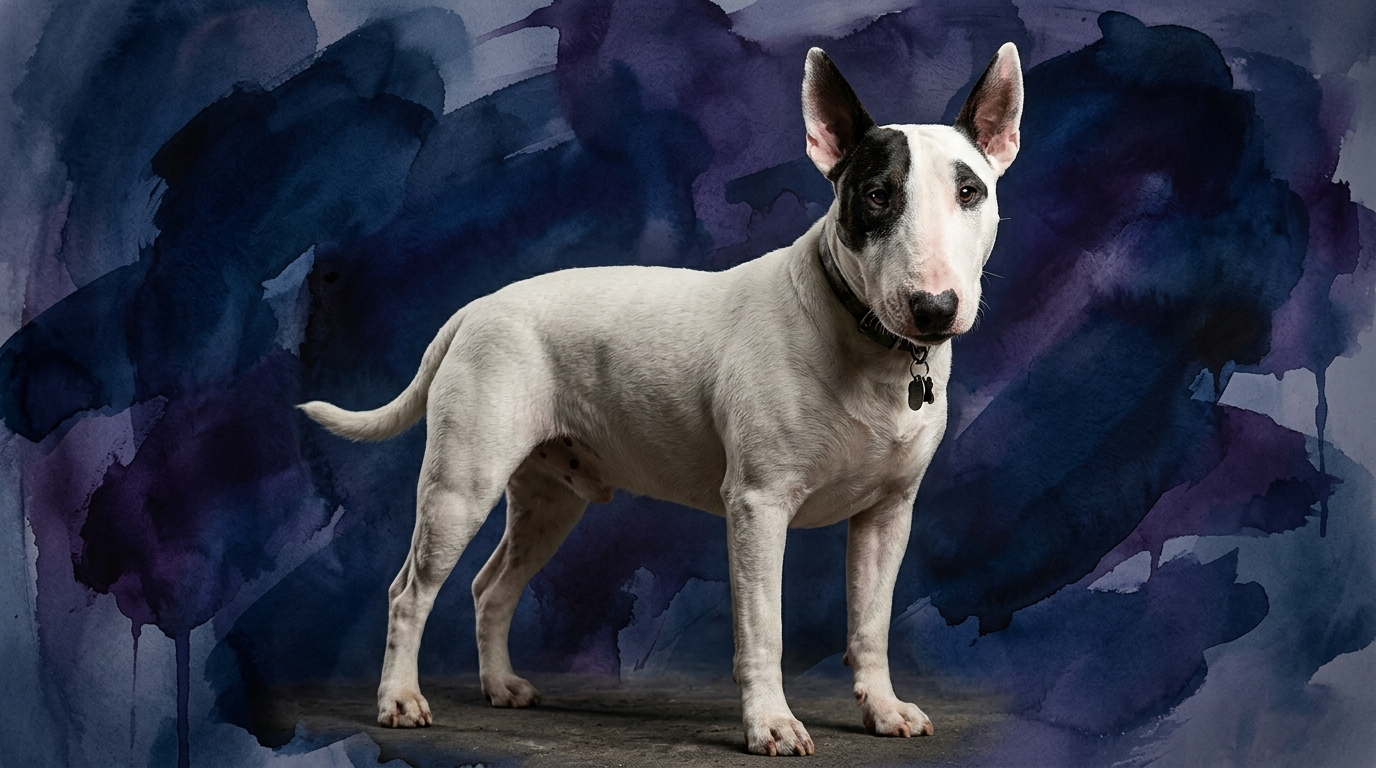
The Bull Terrier, with a Coren rank of #66, presents a cognitive profile marked by consistency and a steady approach to intellectual challenges. Its Problem Solving ability is rated at 3/5, indicating a dog that learns through structured methods and repetition rather than independent, creative solutions. While they can navigate complex situations, they typically rely on established patterns or direct guidance from their owner, rarely inventing novel strategies on the fly. This breed's Training Speed also sits at 3/5, meaning they absorb new commands and behaviors at a moderate pace. Success in training requires patience, clear communication, and consistent reinforcement, as they thrive on routine and predictable expectations. Their Social Intelligence, also at 3/5, suggests a capacity for understanding human cues and forming deep bonds, but they might not always be the most adaptable in diverse social settings, preferring the familiarity of their established family unit. An Instinctive Drive of 3/5 indicates a moderate level of inherent behaviors, such as chasing or guarding, which are present but generally manageable without extreme intervention. Finally, their Memory, rated at 3/5, allows them to retain learned information and routines effectively, though perhaps without the immediate recall or long-term depth seen in breeds with higher scores.
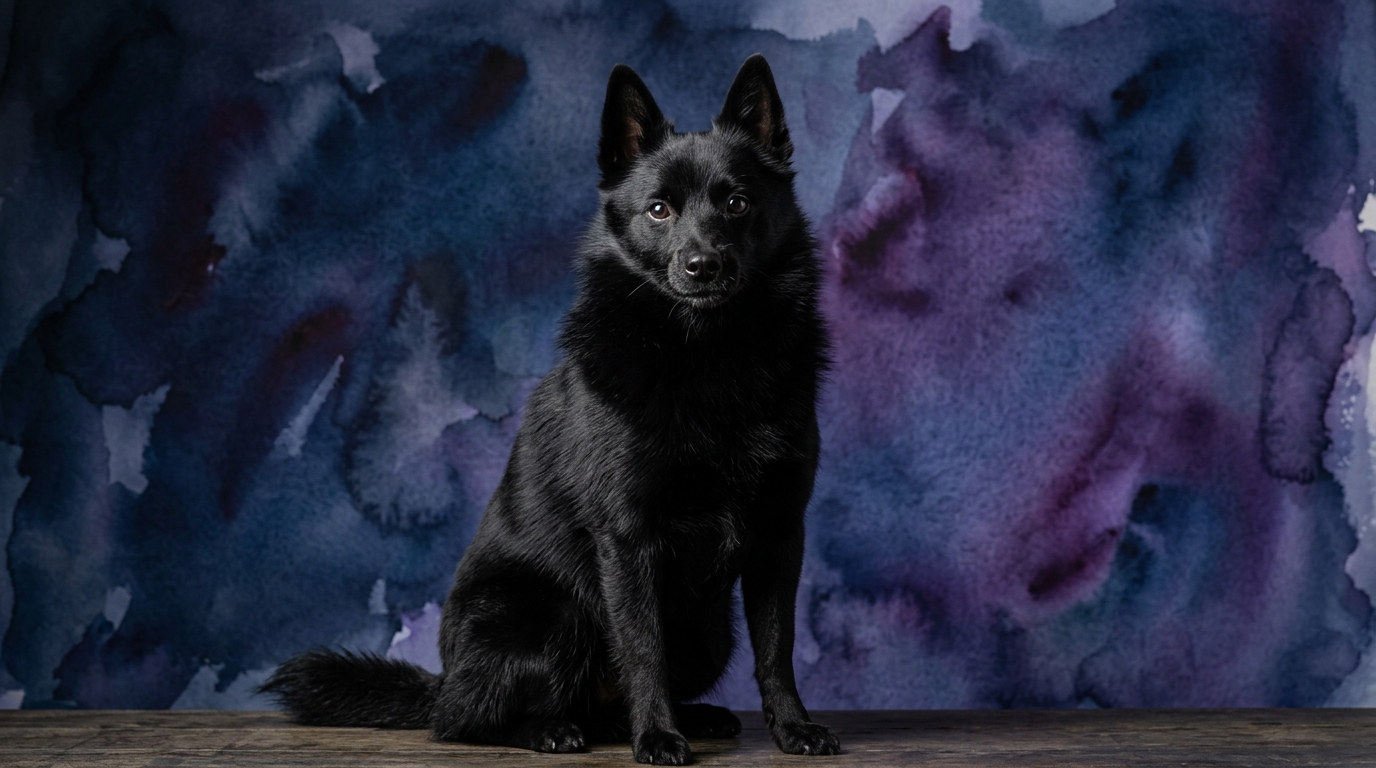
In stark contrast, the Schipperke, holding a Coren rank of #15, exhibits a cognitive profile oriented towards sharp intellect and quick assimilation. Their Problem Solving score of 5/5 highlights an exceptional ability to analyze situations, devise ingenious solutions, and manipulate their environment to achieve desired outcomes. These small dogs are natural strategists, often figuring out how to open gates or retrieve hidden items with surprising ingenuity. Correspondingly, their Training Speed is also rated at 5/5, signifying an impressive capacity to learn new commands and complex sequences with minimal repetition. They are eager students, quick to grasp concepts and respond to novel training scenarios. The Schipperke's Social Intelligence, like the Bull Terrier's, stands at 3/5, indicating an ability to connect deeply with their primary caregivers while often maintaining a reserved or discerning attitude towards strangers. Their Instinctive Drive is also 3/5, reflecting a moderate yet discernible inclination towards their historical roles, such as vigilant guarding or pest control, without being overwhelmingly driven. Crucially, their Memory is rated at a remarkable 5/5, enabling them to retain vast amounts of information, recall commands after long periods, and remember specific events or people with remarkable clarity.
Where the Bull Terrier's Cognitive Profile Shines
While the Bull Terrier's individual cognitive scores might not reach the peaks of some other breeds, their strength lies in their remarkable consistency and robust, balanced mental framework. A 3/5 across all five dimensions – Problem Solving, Training Speed, Social Intelligence, Instinctive Drive, and Memory – indicates a dog without extreme cognitive demands or sensitivities. This uniformity translates into a predictable and steady companion, less prone to the complex intellectual quirks that can sometimes challenge owners of highly specialized breeds. Their moderate problem-solving approach means they are less likely to constantly test boundaries or invent new ways to outwit their owners, fostering a more straightforward relationship.
The Bull Terrier's steadiness means that once a routine or command is established, it is typically adhered to without extensive deviation. Their 3/5 social intelligence, while not indicating universal gregariousness, points to a clear, unambiguous bond with their chosen family, free from overly subtle social manipulations. Owners who appreciate a dog with a sturdy, uncomplicated mental landscape, one that is loyal and consistent without demanding constant intellectual sparring, will find the Bull Terrier's cognitive makeup to be a distinct advantage. Their tenacity, a hallmark of the Terrier group, translates into a mental resilience, allowing them to patiently work through tasks once motivated, even if the initial grasp takes a little longer.
Where the Schipperke's Cognitive Profile Excels
The Schipperke's cognitive profile demonstrates clear excellence in several key areas, particularly in Problem Solving, Training Speed, and Memory, all rated at an impressive 5/5. Their superior problem-solving ability means these small dogs are not just capable of learning, but are adept at applying their understanding to novel situations. They possess an inherent curiosity and a drive to figure things out, often displaying a cunning intelligence when faced with obstacles or seeking a desired outcome. This manifests in behaviors like cleverly opening latches, maneuvering objects to reach treats, or understanding multi-step commands with minimal prompting.
The remarkable Training Speed of the Schipperke ensures they pick up new skills and commands with astounding rapidity. They are often contenders in dog sports like agility, obedience, and rally, where their quick comprehension and desire to engage truly shine. Coupled with their exceptional Memory, also 5/5, a Schipperke can retain a vast repertoire of commands, routines, and experiences over extended periods. This means less refresher training is needed, and they can recall complex sequences even after long breaks. For owners seeking a dog capable of complex learning, advanced tricks, or highly nuanced communication, the Schipperke's cognitive strengths offer a profoundly rewarding partnership.
Training Dynamics: Bull Terrier vs. Schipperke
When it comes to trainability, the differences between these two breeds are quite pronounced, directly reflecting their IQ scores. The Schipperke, with its 5/5 Training Speed and 5/5 Memory, is generally considered easier to train in terms of speed and retention. These dogs grasp new concepts quickly, often requiring only a few repetitions to solidify a command. Their high problem-solving capacity also means they can generalize learned behaviors to new environments and understand complex, multi-step instructions more readily. This makes them excellent candidates for advanced obedience, trick training, and dog sports, where their mental agility is a significant asset. However, their sharp wit also means they can become bored or mischievous if not adequately stimulated, potentially using their intelligence to outsmart their owners if training isn't engaging and consistent.
The Bull Terrier, with 3/5 scores in both Training Speed and Memory, requires a more patient and methodical approach. They are certainly capable of learning, but the process will typically be slower, demanding more consistent repetition and positive reinforcement from their owner. Their moderate problem-solving skills mean they might not instinctively figure out solutions or generalize concepts as quickly as a Schipperke. Owners must be prepared to invest time and effort into making training sessions fun, clear, and rewarding, using high-value motivators to keep the Bull Terrier engaged. While they might not excel in speed, their inherent tenacity means that once a behavior is learned and understood, it is deeply ingrained, leading to a reliable and steady response over time. Stubbornness can emerge if training lacks consistency or motivation, requiring the owner to be both firm and fair.
Owner Suitability: Active vs. Relaxed Lifestyles
The distinct cognitive profiles of the Bull Terrier and Schipperke also dictate their suitability for different owner lifestyles. The Schipperke, with its high problem-solving abilities, rapid training speed, and exceptional memory, thrives in an environment that provides significant mental and physical engagement. These dogs are best suited for active owners who relish the opportunity to participate in dog sports, advanced obedience, or regular puzzle-solving activities. They require consistent intellectual stimulation to prevent boredom, which can otherwise manifest as destructive behaviors or excessive barking. An owner who enjoys teaching complex tricks, exploring new places, and engaging in stimulating brain games will find the Schipperke an incredibly rewarding and energetic companion.
In contrast, the Bull Terrier's more balanced and consistent cognitive profile makes them a better fit for owners who might appreciate a slightly less intellectually demanding companion, without sacrificing loyalty and companionship. While they still require regular exercise and mental enrichment, their needs are generally met with a steady routine, moderate activity levels, and straightforward training. They are not constantly seeking to outwit their owners or needing complex mental challenges every day. This makes them suitable for owners who might have a more relaxed pace of life but are still committed to providing consistent care and affection. They thrive on predictable routines and strong bonds, making them excellent companions for those who value a steadfast presence over constant intellectual sparring.
The Verdict: Choosing Your Canine Companion
When considering a Bull Terrier, choose this breed if you appreciate a loyal companion with a consistent and robust cognitive profile. They suit owners prepared for patient, methodical training and who value a steady temperament without extreme intellectual demands.
The Verdict
Choose the Bull Terrier if you appreciate a loyal companion with a consistent and robust cognitive profile. They suit owners prepared for patient, methodical training and who value a steady temperament without extreme intellectual demands.
Opt for the Schipperke if you relish a mental challenge, enjoy complex training, and can provide ample intellectual stimulation. They are perfect for those who want a quick-witted, highly trainable dog for dog sports, advanced obedience, or a vigilant companion.
🧠 Find Your Pet's IQ Score
Our Pet IQ Lab assessment covers 25+ tests across 5 cognitive dimensions — personalized to your breed.
Take the Full IQ Test →Frequently Asked Questions
Do Bull Terriers understand human emotions well?
With a social intelligence rating of 3/5, Bull Terriers can certainly understand human cues and form deep emotional bonds with their families. While they might not exhibit the most nuanced empathy in every social situation, they are attentive to their owners' moods and respond with loyalty and affection within their established family unit.
Are Schipperkes good at learning complex tricks?
Absolutely. The Schipperke's 5/5 scores in both problem-solving and training speed, coupled with their exceptional memory, make them outstanding candidates for learning complex tricks and advanced obedience routines. They thrive on mental challenges and can quickly grasp intricate sequences of commands.
Which breed is better for first-time dog owners?
For first-time dog owners, the Bull Terrier might be a more manageable choice due to its consistent cognitive profile and less demanding intellectual needs, provided the owner is committed to consistent, patient training. The Schipperke's sharp intellect and high need for mental stimulation can be challenging for inexperienced owners who might not anticipate their capacity for clever mischief.