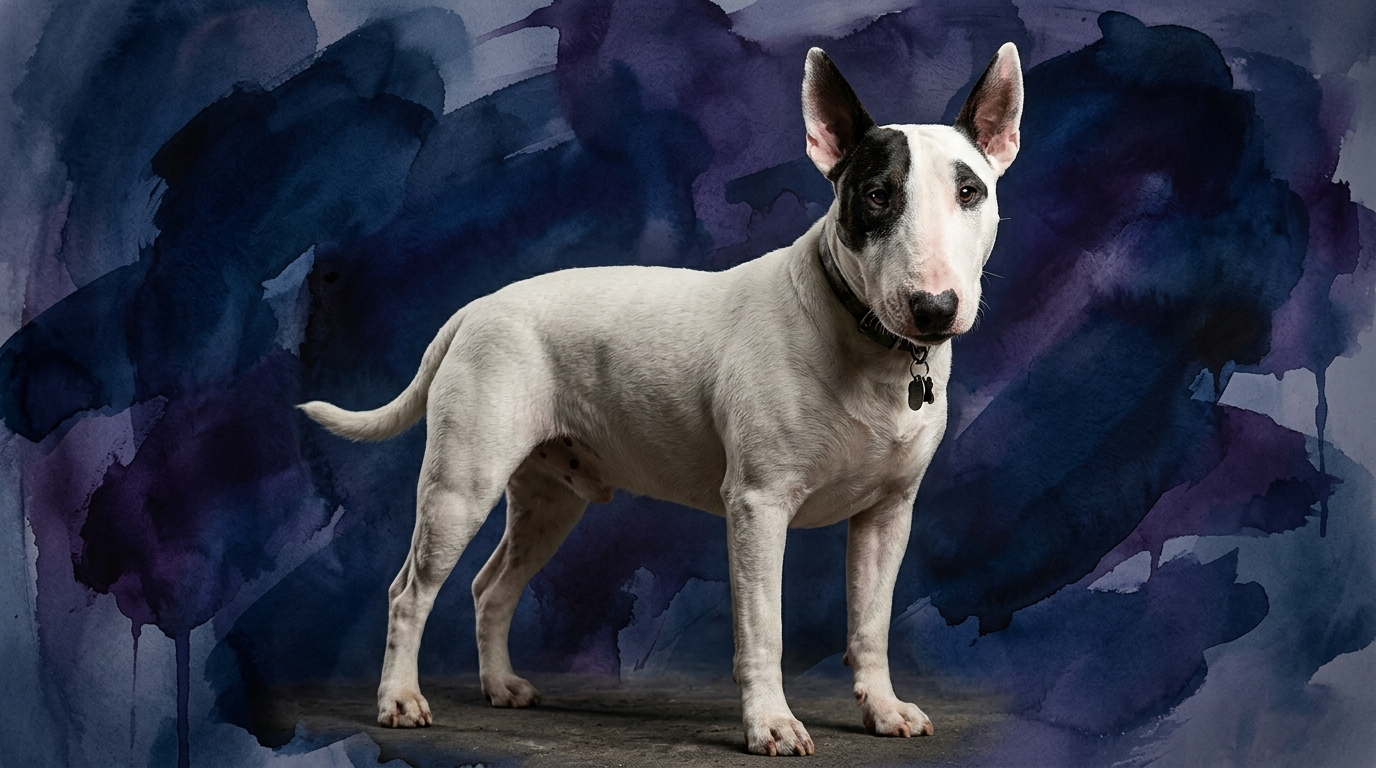
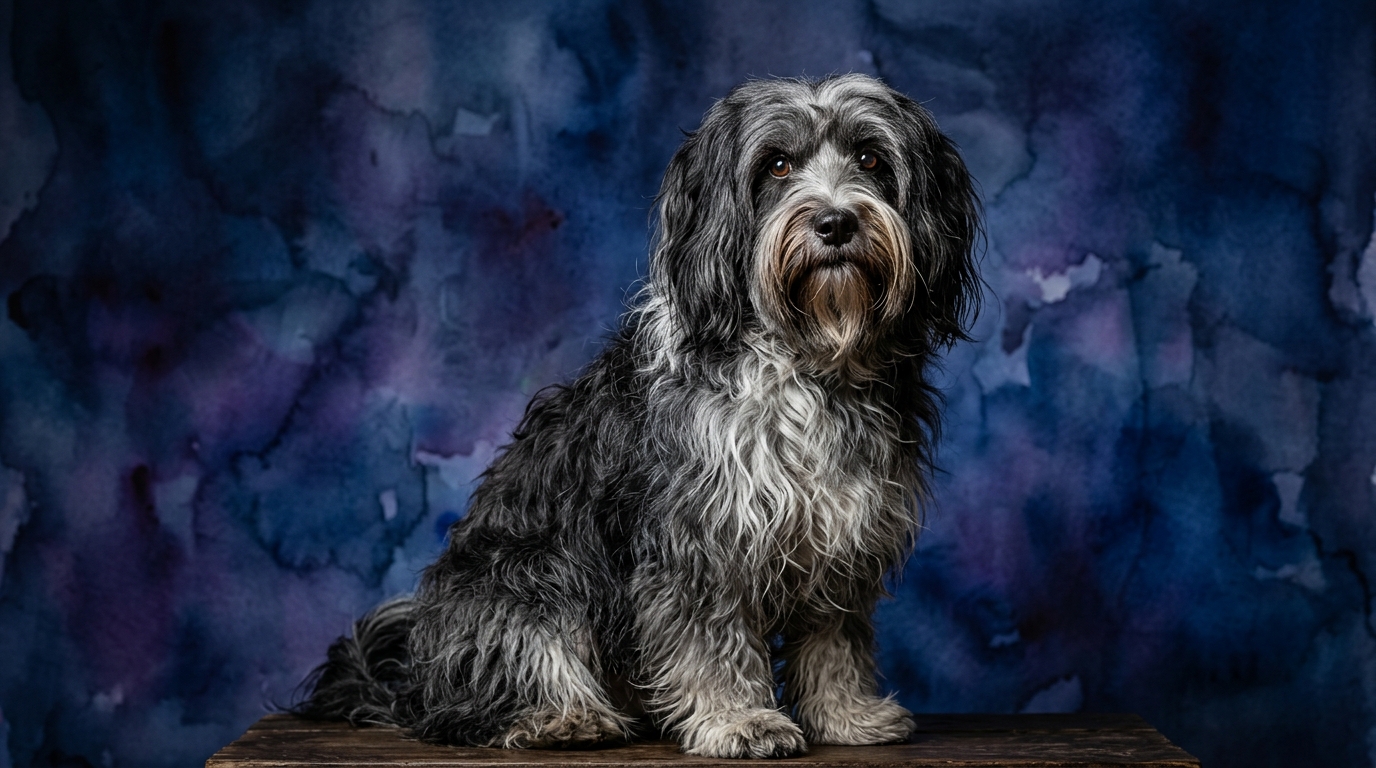
Side-by-Side Cognitive Profile: Bull Terrier vs. Tibetan Terrier
While both the Bull Terrier and the Tibetan Terrier share an identical 3/5 score across all five cognitive dimensions in the Cosmic Pet Pet IQ Lab, the nuances of their breed histories and temperaments mean these scores play out very differently in real-world scenarios. It’s not about which breed is 'smarter' in a general sense, but rather how their intelligence is applied and expressed.
**Bull Terrier Cognitive Dimensions (Each 3/5):**
**Problem Solving:** Bull Terriers exhibit a focused, persistent approach to challenges. Their intelligence here often manifests in their determined efforts to achieve a goal, whether it's figuring out how to retrieve a toy from a tricky spot or navigating obstacles in their environment. This isn't always about complex abstract thought, but rather a tenacious, often physical, drive to overcome.
**Training Speed:** They learn commands and routines at a moderate pace, but their independent spirit means consistency and engaging methods are paramount. A Bull Terrier might understand what's asked but will often weigh if it's worth their effort, requiring a trainer who can make learning compelling and rewarding.
**Social Intelligence:** These dogs form deep, loyal bonds with their families, demonstrating an understanding of household dynamics and emotional cues within their trusted circle. Outside this circle, they can be reserved or even wary, requiring careful socialization to interpret new people and situations appropriately.
**Instinctive Drive:** Their inherent terrier tenacity shines through, often expressed as a strong prey drive or a persistent desire to engage in activities they find stimulating. This drive fuels their determination and can be channeled effectively with proper outlets and training.
**Memory:** Bull Terriers have a solid capacity to retain learned behaviors, routines, and experiences. Both positive reinforcement and negative associations are stored, meaning early, consistent, and positive training leaves a lasting impression.
**Tibetan Terrier Cognitive Dimensions (Each 3/5):**
**Problem Solving:** Tibetan Terriers display a clever, often observant, approach to problem-solving. They might use their agility and keen senses to navigate complex environments, or they might 'puzzle out' human routines and expectations, often finding ingenious ways to get what they want. Their solutions can be less about brute force and more about strategic maneuvering.
**Training Speed:** They learn new commands and tasks with a moderate quickness, especially when motivated by positive reinforcement and engaging sessions. However, their independent and sometimes sensitive nature means they can become bored or resistant to repetitive, harsh, or uninspiring training methods.
**Social Intelligence:** These dogs are highly attuned to their family's emotions and social dynamics, often acting as sensitive companions and watchful guardians. They are known for their ability to read human moods and respond accordingly, though they typically reserve this deep connection for their inner circle, often being more aloof with strangers.
**Instinctive Drive:** Rooted in their historical role as companions and guardians, their drive often manifests as a watchful alertness, a desire to be involved in family activities, and a curious exploration of their surroundings. While not typically having a high prey drive in the terrier sense, their desire for purpose is strong.
**Memory:** Tibetan Terriers possess a good memory for places, people, and routines. They remember both positive and negative interactions, which means consistent, fair, and positive reinforcement training is essential for fostering good habits and a strong bond.
Where the Bull Terrier Cognitively Excels
While both breeds share a 3/5 rating across the board, the Bull Terrier's distinct cognitive strengths often lie in their unwavering persistence and physical determination. In scenarios requiring sheer grit and a singular focus to overcome a physical obstacle, their problem-solving edge can be more pronounced. For instance, a Bull Terrier might exhibit greater tenacity in figuring out how to retrieve a deeply buried toy or pushing through a minor barrier to reach a desired object. Their instinctive drive, when channeled, can manifest as a powerful, sustained effort to achieve a goal, making them particularly adept at tasks that demand a robust, unyielding approach. This is not about intellectual superiority, but about the specific application of their cognitive resources towards resolute action.
Where the Tibetan Terrier Cognitively Shines
Conversely, the Tibetan Terrier often shines in situations demanding observational cleverness and adaptability. Their problem-solving skills, while also rated 3/5, tend to lean towards discerning patterns and using agility rather than brute force. A Tibetan Terrier might more readily observe a human opening a cabinet and attempt to mimic the action, or skillfully navigate a complex agility course with grace and foresight. Their social intelligence, while equally rated 3/5, often manifests as a more nuanced sensitivity to subtle human cues and household routines, making them particularly adept at anticipating needs or reacting to shifts in family mood. This cognitive bent makes them excellent at understanding and integrating into the intricate social fabric of a home.
Training Dynamics: Which Breed is 'Easier'?
Despite both breeds scoring 3/5 for Training Speed, the practical experience of training can differ significantly due to their inherent temperaments. The Bull Terrier's independent streak and determined nature mean that while they are capable of learning, they often require a trainer who is exceptionally consistent, firm, and creative in making training engaging. Their strong instinctive drive and tenacity, if not properly channeled, can sometimes be perceived as stubbornness, making training feel like a constant negotiation. They need clear boundaries and compelling motivation to perform reliably; otherwise, their 3/5 memory might recall that ignoring a command once worked. The Tibetan Terrier, while also independent, often responds better to gentle, positive reinforcement methods. Their social intelligence and sensitivity mean they are more likely to shut down or become resistant if training is harsh or uninspiring. They thrive on variety and praise, and their capacity to observe and mimic can make them appear quicker to pick up new tasks, provided the trainer maintains interest and avoids repetition that leads to boredom. Therefore, an owner seeking a more responsive, albeit sensitive, training partner might find the Tibetan Terrier 'easier,' while those who appreciate a challenge and can offer robust, consistent leadership might prefer the Bull Terrier.
Matching Breeds to Lifestyles: Active vs. Relaxed Owners
When considering lifestyle, the Bull Terrier typically aligns better with active owners who enjoy robust engagement and can provide structured outlets for their considerable energy and tenacity. Their instinctive drive, while rated 3/5, often translates into a need for consistent physical and mental stimulation, including vigorous play, long walks, or training that taps into their problem-solving and focus. They thrive when given a 'job' or a clear purpose, even if that job is just being a playful, energetic companion. Their robust build and determined personality make them excellent partners for owners who appreciate a dog with a strong presence and a capacity for endurance. Conversely, the Tibetan Terrier, while agile and enjoying activity, can be a more suitable match for owners who prefer a balance of activity and relaxation. Their 3/5 instinctive drive is often satisfied with moderate daily exercise, engaging playtime, and plenty of social interaction within the home. They are adaptable and can enjoy a good hike, but are equally content curling up with their family, observing the household. Their social intelligence and sensitivity mean they appreciate being central to family life, making them excellent companions for those who want a perceptive and involved, yet not overly demanding, presence.
The Verdict
Choose a Bull Terrier if you are an active owner seeking a determined, robust companion who thrives on consistent guidance and engaging, purposeful activities.
Opt for a Tibetan Terrier if you desire a sensitive, observant companion who enjoys a balance of activity and relaxation, and responds best to patient, positive training methods.
🧠 Find Your Pet's IQ Score
Our Pet IQ Lab assessment covers 25+ tests across 5 cognitive dimensions — personalized to your breed.
Take the Full IQ Test →Frequently Asked Questions
Do Bull Terriers and Tibetan Terriers have similar cognitive capabilities?
Based on The Cosmic Pet Pet IQ Lab's assessment, both breeds score 3/5 across all five cognitive dimensions. This indicates a moderate capacity for problem-solving, training, social understanding, instinctive drive, and memory, though the expression of these traits varies by breed.
Which breed is more independent?
Both breeds exhibit independence, but it manifests differently. Bull Terriers display a determined, self-assured independence, while Tibetan Terriers show a more discerning, sometimes aloof, independence. This distinction significantly influences their training and interaction styles.
Are these breeds good for first-time dog owners?
Both breeds can present challenges for first-time owners due to their independent streaks and specific needs. Bull Terriers require consistent, firm leadership, while Tibetan Terriers need patient, positive, and engaging training to prevent boredom or resistance. Researching their specific temperaments is crucial.