Side-by-Side Cognitive Profiles: Decoding Their Minds
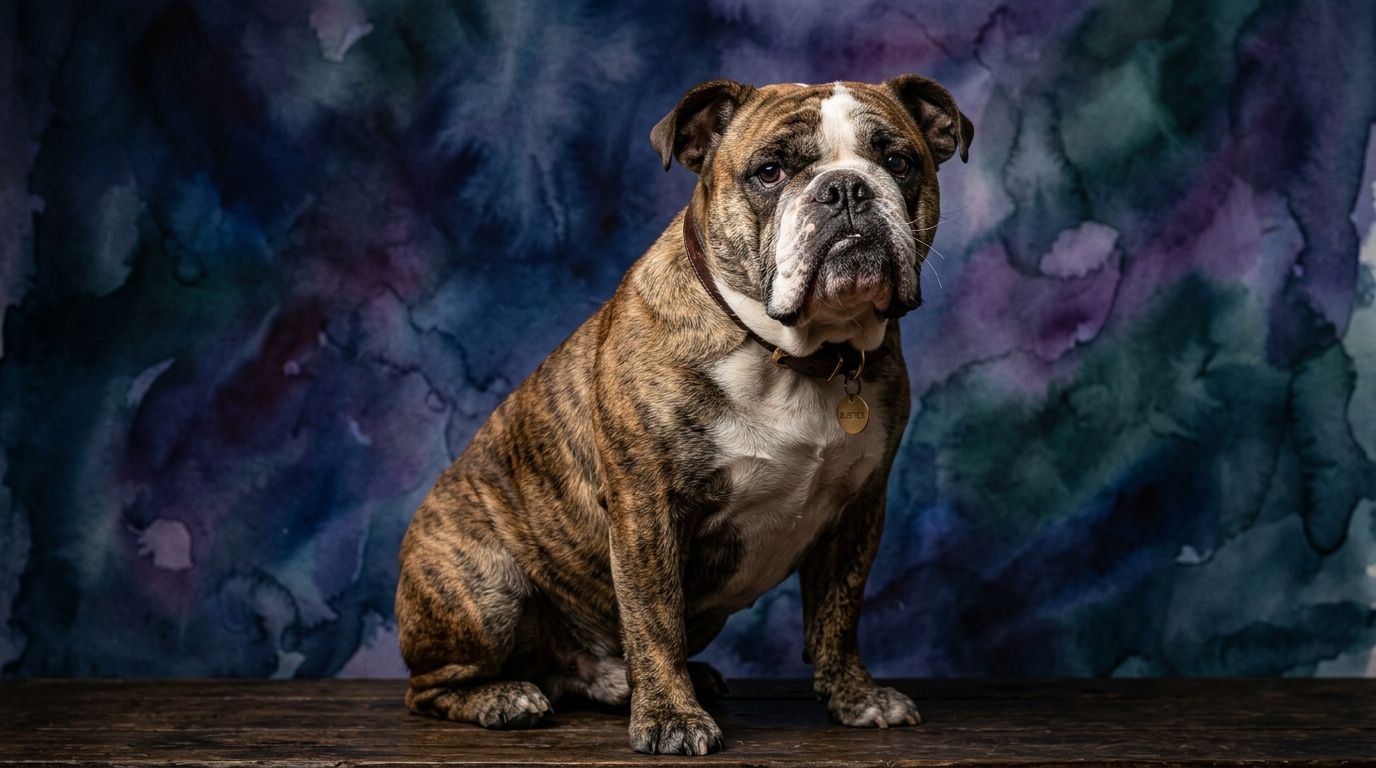
The English Bulldog’s cognitive profile shows a focus on connection over complex mental tasks; their Problem Solving (2/5) and Training Speed (2/5) suggest a preference for routine and patient guidance. They truly excel in Social Intelligence (4/5), demonstrating a profound ability to understand human emotions and integrate seamlessly into family life, offering unwavering, empathetic companionship. Their Instinctive Drive (3/5) indicates a moderate, grounded tenacity, while their Memory (2/5) means learned lessons may require consistent reinforcement.
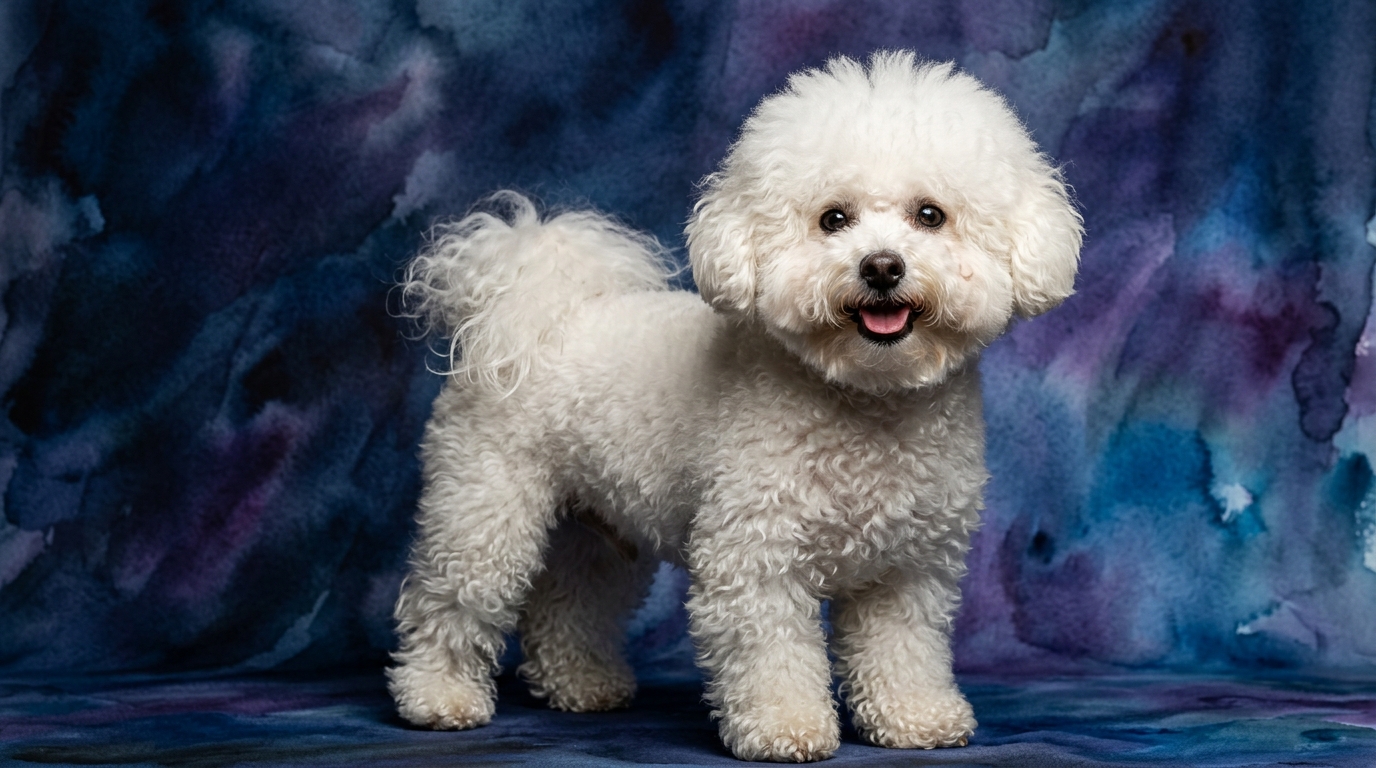
In contrast, the Bichon Frisé exhibits a more active and mentally agile profile, with Problem Solving (3/5) indicating moderate adaptability for minor challenges and a Training Speed (3/5) suggesting quicker grasp of new commands. Their Social Intelligence is exceptional (5/5), making them highly attuned to human moods and adept at charming interaction, thriving on being central to family life. A lower Instinctive Drive (2/5) focuses their motivations on companionship, and their Memory (3/5) ensures better retention of learned behaviors and social cues.
Where the Bulldog's Instinctive Tenacity Shines
The English Bulldog holds a distinct advantage in Instinctive Drive (3/5 compared to the Bichon’s 2/5), reflecting a deeper, more grounded sense of inherent purpose and resilience. This moderate drive manifests as a quiet steadfastness and determination, often appearing as a subtle, protective watchfulness over their family and territory. This foundational drive contributes to their enduring, calm demeanor and provides a consistent, dependable presence, making them less prone to constant demands for external engagement.
The Bichon Frisé's Cognitive Edge: Adaptability and Charm
The Bichon Frisé clearly leads in several cognitive dimensions, showcasing a mental agility that makes them highly engaging companions. Their superior Problem Solving (3/5 vs. Bulldog's 2/5) means they are often more creative in navigating their environment and adapting to new situations with greater ease. Coupled with a higher Training Speed (3/5 vs. 2/5) and better Memory (3/5 vs. 2/5), Bichons tend to pick up and retain new commands and tricks more rapidly, making training sessions dynamic and rewarding.
The Bichon's most pronounced cognitive strength lies in their unparalleled Social Intelligence (5/5 against the Bulldog's 4/5), an exquisite sensitivity to human emotions and social dynamics. They are masters of charming interaction, quickly discerning moods and adapting their behavior to foster deep bonds and ensure they are always part of the family action. This exceptional social acumen makes them incredibly responsive and empathetic companions, thriving on constant, varied interaction.
Training Dynamics: Patience vs. Engagement
For ease of training, the Bichon Frisé generally offers a more straightforward experience due to their higher Training Speed (3/5) and Memory (3/5), allowing them to form associations and master commands more readily. Their eager-to-please nature and quick cognitive processing make them receptive to positive reinforcement, often viewing training as an enjoyable game and opportunity for interaction.
The English Bulldog, with lower scores in Training Speed (2/5) and Memory (2/5), demands a different, more patient approach. Their deliberate processing style and focus on comfort mean training requires immense consistency, repetition, and highly motivating rewards to embed new behaviors. Owners must be prepared for a longer, more gradual journey, emphasizing gentle reinforcement over rapid results to navigate their independent streak.
Matching Temperaments: Active Engagement vs. Relaxed Companionship
For owners seeking a relaxed home environment and valuing steady, calm companionship, the English Bulldog is often an ideal fit. Their lower problem-solving and training speed, combined with a focus on comfort, mean they are content with moderate exercise and do not demand constant mental stimulation. Their high social intelligence ensures they are deeply affectionate and happy to be a quiet, comforting presence, thriving on routine and a peaceful atmosphere.
Conversely, owners prepared for more interactive engagement and who appreciate a mentally agile dog will find the Bichon Frisé more aligned with their lifestyle. Their higher problem-solving, training speed, and memory mean they benefit greatly from consistent mental enrichment through learning, puzzle toys, and varied social outings. Their exceptional social intelligence ensures they thrive on being an active, charming participant in family life, seeking out interaction and enjoying being the center of attention.
The Verdict
Choose the English Bulldog if you seek a calm, steadfast, deeply affectionate companion who values comfort and routine, and you are prepared to offer patient, consistent training for a dog whose primary joy is quiet, unwavering companionship.
Choose the Bichon Frisé if you desire an engaging, quick-witted, charming, and highly interactive companion who thrives on learning, enjoys being an active part of daily life, and will keep you entertained with their playful antics and social acumen.
🧠 Find Your Pet's IQ Score
Our Pet IQ Lab assessment covers 25+ tests across 5 cognitive dimensions — personalized to your breed.
Take the Full IQ Test →Frequently Asked Questions
Are English Bulldogs difficult to train?
English Bulldogs can present training challenges due to their lower Training Speed (2/5) and Memory (2/5); they require significant patience, consistency, and high-value rewards. They process commands more deliberately and may appear stubborn, so success comes from understanding their unhurried nature and making training a positive, low-pressure experience.
How do Bichon Frisé dogs interact with children?
Bichon Frisé dogs, with their exceptional Social Intelligence (5/5), generally interact very well with children, displaying a playful and affectionate demeanor. They are adept at reading social cues and tend to be gentle and patient, thriving on the interaction and attention children often provide, though supervision is always recommended.
Which breed requires more mental stimulation?
The Bichon Frisé generally requires more mental stimulation than the English Bulldog due to their higher Problem Solving (3/5), Training Speed (3/5), and Memory (3/5). They enjoy learning new things, puzzle toys, and varied interactions to keep their minds engaged, whereas Bulldogs are typically content with less cognitive challenge, preferring comfort and routine.