Side-by-Side Pet IQ Profile
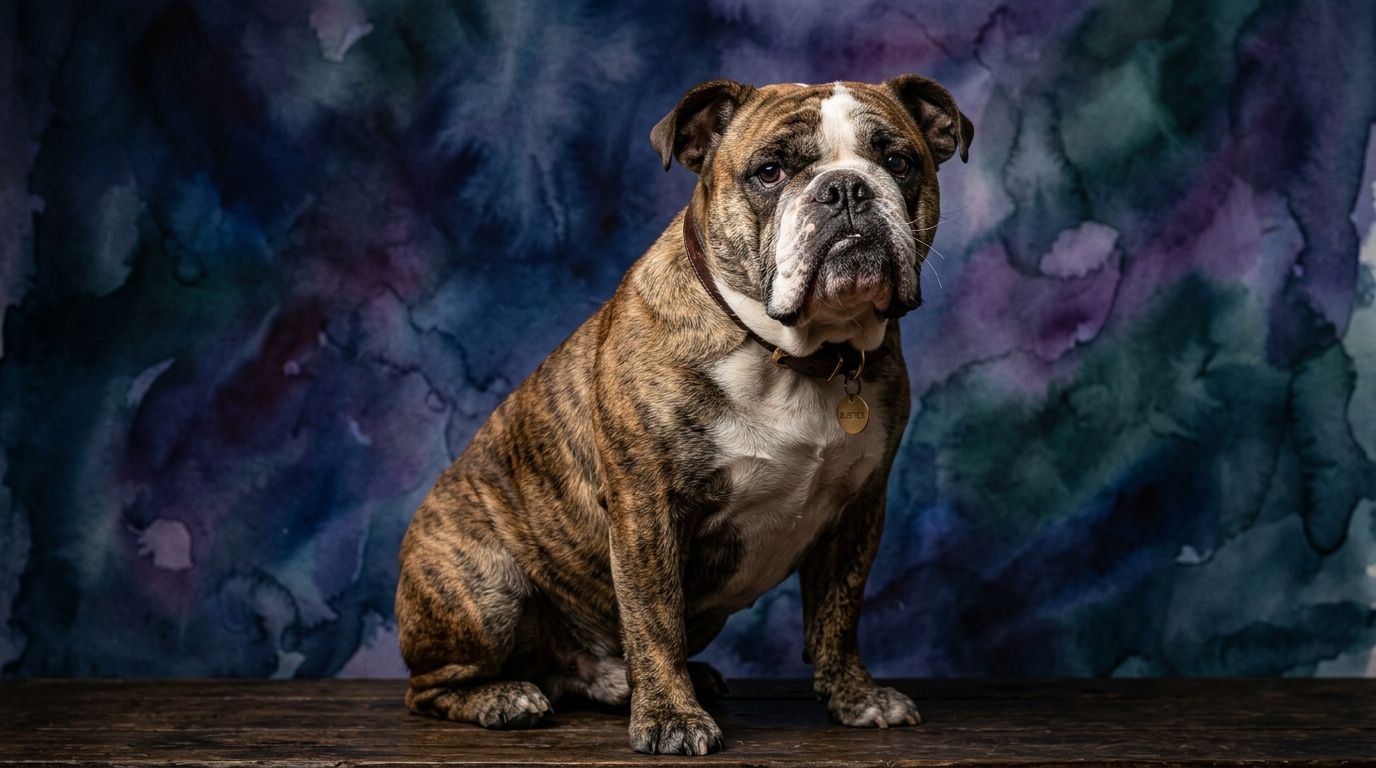
**Bulldog (English)**: Our Pet IQ Lab scores reveal a distinct cognitive blueprint for the English Bulldog. Their Problem Solving is rated 2/5, indicating a tendency to approach new challenges with a steady, perhaps deliberate, pace, often relying on established routines rather than innovative solutions; complex, multi-step puzzles might require more encouragement and time to unravel. Training Speed is also 2/5, meaning they require patience and consistent, positive reinforcement during training sessions, as they can be quite opinionated and might take longer to cement new commands, reflecting a desire to think things through on their own terms. Where they truly shine is in Social Intelligence, scoring 4/5, excelling in understanding and responding to human emotional cues and social dynamics, forming deep bonds and often displaying a keen awareness of their family's moods. Their Instinctive Drive is 3/5, a moderate drive originally for bull-baiting, now often manifesting as strong loyalty and a persistent nature in their chosen activities, though not typically a high-energy chase drive. Finally, their Memory is 2/5, retaining learned information and experiences, but perhaps not with the immediate recall or long-term precision of some other breeds, sometimes needing refreshers for less frequently practiced commands.
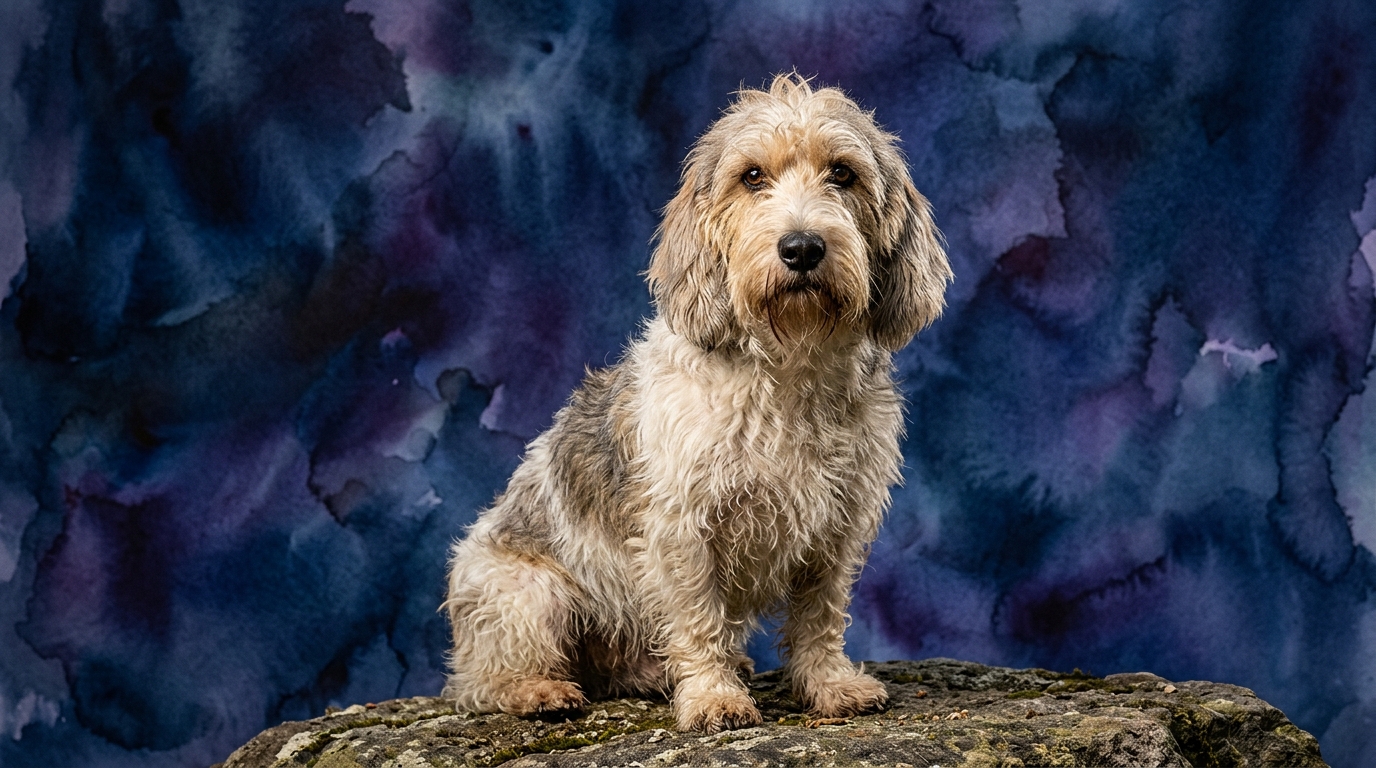
**Petit Basset Griffon Vendéen (PBGV)**: The Petit Basset Griffon Vendéen presents a different cognitive landscape according to our Pet IQ Lab. Their Problem Solving is rated 3/5, showing a moderate aptitude for figuring out novel situations, often employing a trial-and-error approach; they are curious and will persist with a puzzle if sufficiently motivated, demonstrating a decent capacity for adaptive thinking. Training Speed is 3/5, indicating they are generally responsive to training, picking up commands at a reasonable pace, especially when engaged with positive reinforcement and varied methods, though their independent hound nature means consistency is key. Social Intelligence is 3/5, meaning they form strong connections with their human companions and interact well within a family unit, generally outgoing and friendly, capable of reading social cues, though perhaps less intensely focused on human emotions than the Bulldog. Their Instinctive Drive is 3/5, a moderate but distinct hound drive where their instinct to track scents is strong and can lead them to follow their nose, requiring thoughtful management in open spaces. Lastly, their Memory is 3/5, demonstrating a solid ability to remember commands, routines, and experiences; once something is learned, it tends to stick, though their independent streak might sometimes override immediate recall if a more interesting scent distraction arises.
Where the English Bulldog Wins Cognitively
The English Bulldog's standout cognitive strength lies in its exceptional Social Intelligence (4/5). This breed truly shines in its capacity to understand and integrate into human social structures, displaying a profound empathy. They exhibit a remarkable ability to sense shifts in their owner's mood or the general household atmosphere, adjusting their behavior accordingly. This isn't just about being affectionate; it's a sophisticated ability to read non-verbal cues, interpret tone, and respond in a way that fosters deep emotional connection and harmony within the family unit. Their presence can be incredibly comforting, as they seem to genuinely understand and reciprocate companionship, making them superb emotional anchors within a household.
Where the Petit Basset Griffon Vendéen Wins Cognitively
The Petit Basset Griffon Vendéen (PBGV) demonstrates a more balanced cognitive profile across several dimensions where the Bulldog scores lower, showcasing a versatile intellect. Their Problem Solving (3/5) allows them to navigate new environments and tackle simple cognitive games with more initiative, often trying different approaches until they find a solution. This inherent inquisitiveness translates into a slightly higher Training Speed (3/5), meaning they can grasp new commands and routines more readily than the Bulldog, provided the training is engaging and consistent. Furthermore, their Memory (3/5) is more robust, enabling them to retain learned behaviors and recall specific experiences with greater reliability, which is beneficial for building a repertoire of commands and understanding household rules over time.
Which is Easier to Train and Why
Based on our Pet IQ Lab scores, the Petit Basset Griffon Vendéen (PBGV) is generally considered easier to train than the English Bulldog. The PBGV's higher scores in Training Speed (3/5 vs 2/5), Problem Solving (3/5 vs 2/5), and Memory (3/5 vs 2/5) collectively contribute to this difference. PBGVs, with their moderate problem-solving skills, are more inclined to experiment and figure out what earns them rewards during training. Their quicker training speed means they form associations between commands and actions more rapidly, and their better memory helps solidify these learnings, requiring fewer repetitions to achieve proficiency. While they possess an independent hound nature that can lead to scent-driven distractions, a motivated PBGV is typically keen to learn when engaged with positive reinforcement and varied exercises. In contrast, the English Bulldog's lower scores in these areas indicate a more deliberate learning process. Their strong will and sometimes stubborn nature, coupled with a slower training speed, mean that new commands often require significant patience, consistent repetition, and highly motivating rewards to stick. They are capable of learning, but their pace and willingness to comply are often on their own terms, making the training journey a longer and more persistent endeavor for their human companions.
Which Suits Active Owners vs. Relaxed Owners
The choice between these two breeds, when considering owner activity levels, hinges significantly on their overall physical and cognitive energy. The English Bulldog, with its lower scores in problem-solving, training speed, and memory, combined with its characteristic physical build, is a natural fit for more relaxed owners. Their moderate instinctive drive and preference for comfort over exertion mean they thrive in environments that offer gentle walks, cozy napping spots, and plenty of quiet companionship. Owners who enjoy a slower pace of life, appreciate a dog that is content to lounge nearby, and prioritize emotional connection over vigorous activity will find the Bulldog to be an ideal companion. Their strong social intelligence makes them excellent, calm family members who integrate seamlessly into a tranquil home.
Conversely, the Petit Basset Griffon Vendéen (PBGV) is better suited for active owners. While their instinctive drive is moderate (3/5), their higher scores in problem-solving, training speed, and memory, coupled with their hound heritage, point to a dog that benefits from mental and physical engagement. PBGVs possess a curious and energetic disposition that requires regular outlets for exploration and activity. They thrive on varied walks where they can follow interesting scents, engage in interactive games, and participate in training sessions that challenge their intellect. Owners who enjoy hiking, scent work, or simply long, exploratory walks will find the PBGV to be an enthusiastic partner. Their need for stimulation means that a relaxed, sedentary lifestyle might lead to boredom and potential mischief, making them a better match for individuals or families who embrace an active, engaging routine.
The Verdict
Choose the English Bulldog if you seek a deeply empathetic, calm companion who excels in social integration and thrives in a relaxed home environment, valuing steadfast loyalty and emotional connection over high-octane activities.
Choose the Petit Basset Griffon Vendéen if you're an active owner looking for an inquisitive, trainable partner who enjoys exploring, learning new things, and engaging in regular mental and physical stimulation.
🧠 Find Your Pet's IQ Score
Our Pet IQ Lab assessment covers 25+ tests across 5 cognitive dimensions — personalized to your breed.
Take the Full IQ Test →Frequently Asked Questions
Is the English Bulldog difficult to train?
While not 'difficult,' the English Bulldog requires patience and consistency due to its slower training speed and often stubborn nature. Positive reinforcement and short, engaging sessions are key to success, as they learn at their own deliberate pace.
Do PBGVs need a lot of exercise?
Yes, PBGVs, with their hound heritage and moderate instinctive drive, benefit from regular physical and mental exercise. Daily walks, opportunities to explore scents, and interactive play are important to keep them content and prevent boredom.
Which breed is better with children?
Both breeds can be good with children, but in different ways. The English Bulldog's high social intelligence and calm demeanor make them gentle, patient companions, while the PBGV's playful and outgoing nature can make them energetic playmates, though supervision is always recommended.